


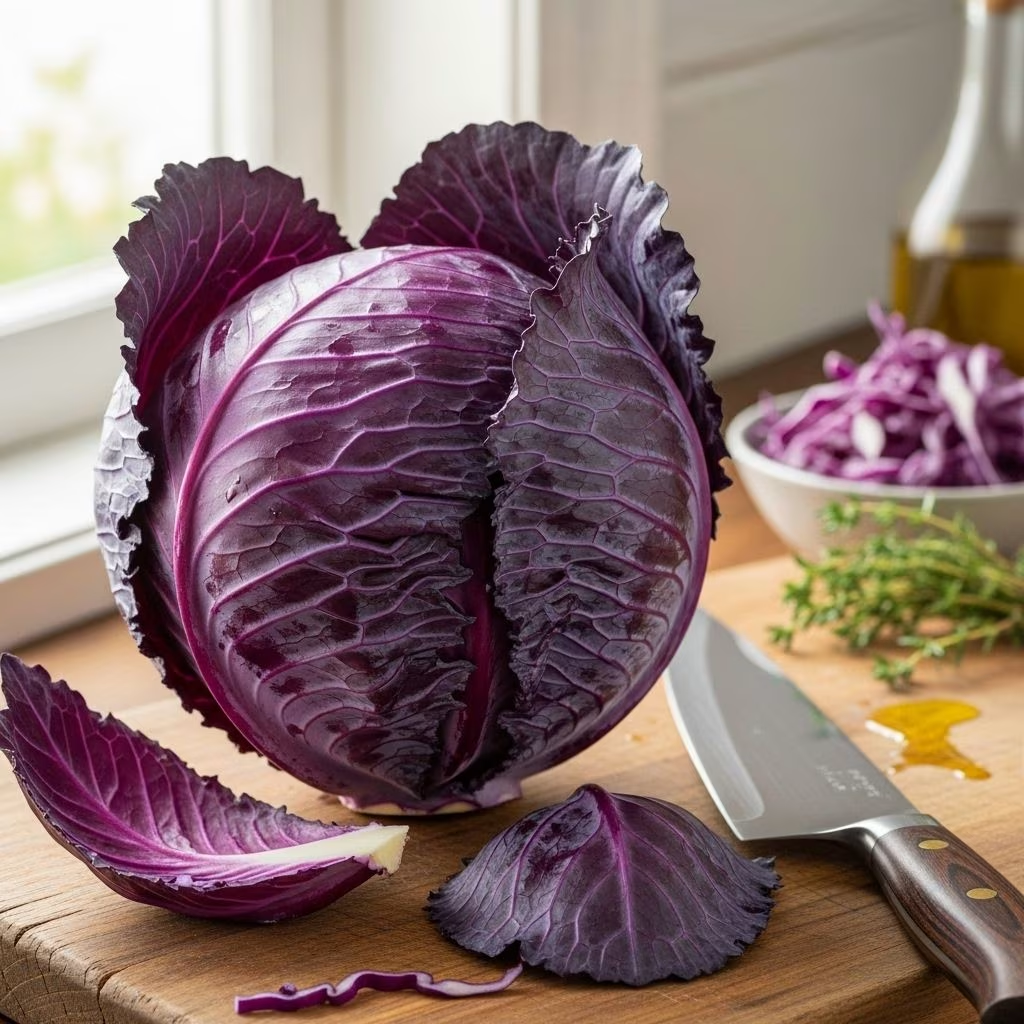
Red cabbage is a vibrant and nutrient-dense member of the cruciferous vegetable family. Known for its striking purple-red hue, it not only adds visual appeal to dishes but also packs a nutritional punch. This in-depth guide explores what red cabbage is, its health benefits, culinary versatility, flavor profile, preparation tips, and answers common questions about this underappreciated vegetable.
What Is Red Cabbage?
Red cabbage (Brassica oleracea var. capitata f. rubra) is a cool-season annual vegetable belonging to the Brassica family, which also includes broccoli, cauliflower, brussels sprouts, and kale. Often referred to as purple cabbage due to its deep color, this variety forms tightly packed heads of crunchy leaves. Red cabbage grows in many countries around the world and is especially popular in European and Asian cuisines.
Its vivid coloration comes from anthocyanins, a type of plant pigment with potent antioxidant properties. The color can also shift towards purple or blue depending on the pH of the soil or other ingredients it is cooked with. It differs from green and savoy cabbages primarily in flavor, nutritional profile, and culinary applications.
Origin and Seasonality
- Red cabbage has been cultivated for centuries and is native to Europe, but is now grown globally.
- It thrives in cool climates and is typically in season from late summer through winter, particularly between September and December in the Northern Hemisphere.
- Its hardiness means it stores well, making it available year-round in many regions.
Nutritional Profile of Red Cabbage
Red cabbage is low in calories yet rich in vitamins, minerals, and beneficial phytochemicals. Its broad nutritional content makes it a valuable addition to a healthy diet.
| Nutrient (per 1 cup, 89g) | Amount | % Daily Value* |
|---|---|---|
| Calories | 28 kcal | – |
| Protein | 1.3 g | – |
| Total Fat | 0.1 g | – |
| Carbohydrate | 6.6 g | – |
| Fiber | 1.9 g | ~7% |
| Sugar | 3.4 g | – |
| Vitamin C | 50.7 mg | 56% |
| Vitamin K | 34 mcg | 28% |
| Folate | 16 mcg | 4% |
| Potassium | 104 mg | 3% |
| Calcium | 36 mg | 3% |
| Magnesium | 12 mg | 3% |
| Other nutrients | B6, Vitamin A, E, Zinc | – |
*Percent Daily Values are based on a 2,000 calorie diet.
Key Phytochemicals and Antioxidants
- Anthocyanins: Plant pigments responsible for the red-purple color and potent antioxidant function.
- Sulforaphane: A sulfur-containing compound linked with anti-inflammatory and anti-cancer properties.
- Isothiocyanates: Compounds that may promote gut health and have potential cancer-protective effects.
Health Benefits of Red Cabbage
Consuming red cabbage regularly delivers powerful benefits to overall health due to its density of vitamins, minerals, fiber, and unique phytochemicals. Here are the key, evidence-backed ways red cabbage can support well-being:
1. High in Protective Antioxidants
- Red cabbage’s anthocyanins help protect the body against oxidative stress by neutralizing harmful free radicals.
- It contains more antioxidants than green cabbages, augmenting cellular protection.
- Regular intake is associated with reduced risks of chronic conditions associated with oxidative damage, like diabetes and obesity.
2. Supports Heart Health
- Anthocyanin-rich diets are linked with lower blood pressure and a reduced risk of heart disease.
- Red cabbage may help manage cholesterol levels and support overall cardiovascular function.
3. Anti-Inflammatory Effects
- Sulforaphane and other plant compounds found in red cabbage are associated with reduced inflammation, which is implicated in many chronic diseases.
- Supports prevention of inflammatory conditions in the gut and other tissues.
4. Contains Anti-Cancer Compounds
- Sulforaphane, isothiocyanates, and anthocyanins appear to protect DNA from damage and may prevent the development of some cancers, particularly colorectal cancer. While no vegetable can prevent cancer alone, red cabbage contributes to a protective dietary pattern.
5. Promotes Gut Health and Digestion
- Rich in both soluble and insoluble fiber, red cabbage helps regulate digestion, maintain bowel regularity, and serve as food for beneficial gut bacteria.
- The fiber acts as a prebiotic, fostering the growth of healthy microbiota through the production of short-chain fatty acids (SCFAs).
- May reduce the risk or severity of constipation and aid in overall gastrointestinal health.
6. Bone and Blood Health
- High content of vitamin K, as well as supporting minerals like calcium and magnesium, is essential for strong bones and efficient blood clotting.
- Supports bone density in both children and older adults.
7. Immunity and Healing
- The high vitamin C content boosts immune defense, aids in iron absorption, and supports faster wound healing.
Culinary Uses and Preparation Methods
Red cabbage’s crisp texture and distinctive color make it a favorite for a variety of dishes across cultures. It can be enjoyed raw or cooked, and its flavor adapts well to both sweet and savory recipes.
Popular Culinary Uses
- Salads and Slaws: Adds crunch, color, and a peppery note to coleslaw, mixed salads, or as a garnish.
- Pickling: Sliced thin and pickled for a tangy topping on sandwiches, tacos, or grain bowls.
- Stir-Fries: Maintains texture and color when quickly sautéed with other vegetables.
- Braising: Slow-cooked with apples, onions, vinegar, spices, and sometimes wine or cider for side dishes or festive recipes, particularly in German and Eastern European cuisine.
- Soups and Stews: Adds bulk and color to vegetable or meat-based soups.
- Fermented: Key ingredient in sauerkraut and kimchi, supporting gut health via probiotics.
Versatility in the Kitchen
- Red cabbage can be shredded, chopped, or cut into wedges depending on the recipe.
- Pairs beautifully with apples, carrots, beets, citrus, nuts, seeds, and a range of herbs and spices.
- Cooking slightly mellows its peppery taste and brings out a mild sweetness.
Taste and Flavor Profile
Red cabbage is prized for its unique taste, which varies depending on how it’s prepared:
- Raw: Has a crunchy texture and a mildly peppery, sometimes slightly bitter flavor. The taste is brighter and more pronounced compared to green cabbage.
- Cooked: Becomes softer and develops a gentle sweetness, especially when cooked slowly or with acidic ingredients (like vinegar or apples). The bitterness and peppery undertones mostly fade.
- Pickled/Fermented: Takes on tangy and complex flavors, with a pleasing acidity that balances its original peppery notes.
Tips: Selecting, Preparing, and Storing Red Cabbage
Selecting the Best Head
- Choose heads that are heavy for their size, firm, and have vibrant, tightly packed leaves.
- Avoid cabbages with loose, wilted, or blemished outer leaves.
Preparation Tips
- Remove tough outer leaves and slice the head in half or quarters.
- Shred, chop, or slice as needed for your recipe.
- Cooking with acidic ingredients (lemon juice, vinegar, apples) helps retain or enhance red cabbage’s color; alkaline environments can turn it blue.
- To reduce bitterness, combine red cabbage with sweet or acidic foods.
Storage Suggestions
- Store whole, uncut red cabbage in the refrigerator crisper. It can last several weeks if stored properly.
- Once cut, wrap leftovers tightly and use within a few days for best freshness.
- Cooked or pickled red cabbage can be refrigerated for up to a week.
Potential Side Effects and Precautions
- Digestive Discomfort: Some people experience bloating or gas due to the fiber and certain compounds present in cabbage.
- Blood Clotting Concerns: Due to its high vitamin K content, those taking blood thinners should monitor their intake and consult with a healthcare provider.
- Thyroid Health: Cruciferous vegetables in large amounts can interfere with iodine uptake; moderate intake in a balanced diet is not a concern for most individuals.
Frequently Asked Questions (FAQs)
Q: Can red cabbage be eaten raw?
A: Yes. Red cabbage is commonly enjoyed raw in salads, slaws, and as a crunchy garnish. Raw consumption preserves most of its vitamin C and antioxidants.
Q: Is red cabbage healthier than green cabbage?
A: Both types are nutritious, but red cabbage provides higher amounts of antioxidants—especially anthocyanins—while green cabbage is slightly milder in taste.
Q: Does cooking reduce the nutritional value of red cabbage?
A: Some vitamin C is lost during cooking, but other nutrients like fiber and minerals remain stable. Gentle cooking or fermenting can even increase the availability of some beneficial compounds.
Q: Can I freeze red cabbage?
A: Yes. Red cabbage can be blanched and frozen for up to 10-12 months. Freezing preserves its nutrients and texture for later use in cooked dishes.
Q: How does red cabbage benefit gut health?
A: Its fiber content supports regularity and acts as a prebiotic, encouraging the growth of beneficial gut bacteria. Fermented forms like sauerkraut offer additional probiotic benefits.
References
- https://www.knorr.com/ca/en/future-50/50-foods-that-shape-the-future/red-cabbage-benefits.html
- https://www.bbcgoodfood.com/health/nutrition/health-benefits-red-cabbage
- https://www.webmd.com/diet/health-benefits-red-cabbage
- https://www.healthline.com/nutrition/purple-cabbage
- https://www.brownhealth.org/be-well/cabbage-and-benefits-overlooked-superfood
- https://pmc.ncbi.nlm.nih.gov/articles/PMC8228718/
- https://health.clevelandclinic.org/benefits-of-cabbage


