


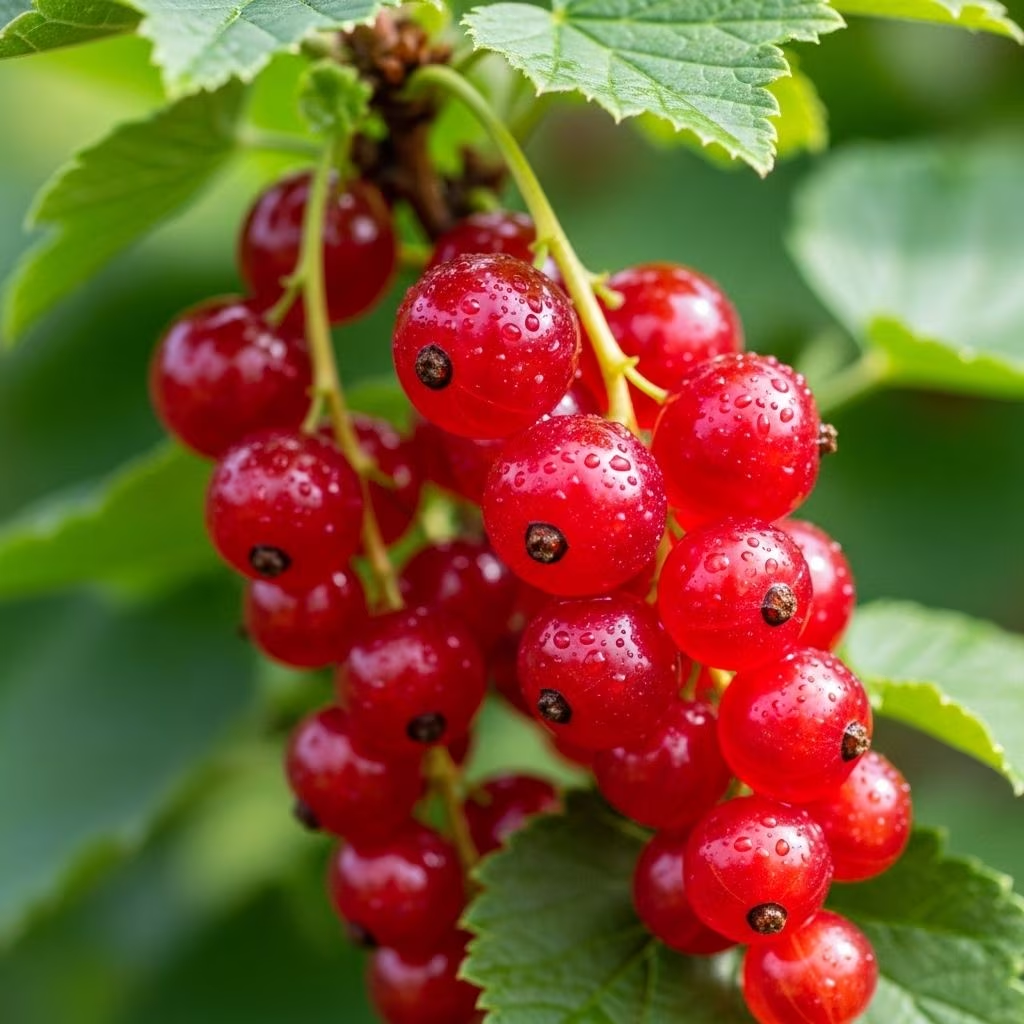
Red currant, a visually striking and nutritionally rich berry, is widely recognized for its tart flavor, vibrant red appearance, and numerous applications in both culinary and health contexts. Whether enjoyed fresh, made into preserves, or used as an ingredient in gourmet cuisine, red currant stands out as a berry that is as healthy as it is versatile.
Introduction to Red Currant
The red currant (Ribes rubrum) is a deciduous shrub in the Grossulariaceae family, native to Western Europe and now commonly grown throughout temperate regions. Its striking, translucent red berries are a hallmark of summer gardens and markets, cherished for their culinary uses and packed with nutrients.
- Part of the Ribes genus, which includes black currants and gooseberries
- Grows as a compact bush, typically 1–1.5 meters tall
- Known for its clusters of berries, called “strigs”
Botanical Description and Physical Characteristics
Understanding the unique characteristics of red currant plants helps appreciate their value in both the garden and kitchen.
- Leaves: Palmate, with 3–5 lobes and bluntly toothed edges; arranged spirally on woody stems
- Flowers: Small, yellow-green, inconspicuous; form hanging racemes in spring (April–May)
- Fruits: Bright red, translucent berries about 8–12 mm in diameter; grow in clusters (strigs) with up to 20 berries per cluster
- Habitat: Native to Western Europe; often found in woodland edges, hedgerows, and as garden escapees
One remarkable trait of red currant is its fruit’s tendency to remain on the branch well after ripening, allowing sugars to accumulate and flavor to improve over time.
Related Varieties
- White currant: A naturally occurring sport of the red currant, producing translucent white berries; generally less tart and milder in flavor
- Pink currant: Another variant with blush-pink berries, often balancing tartness and sweetness
Nutritional Composition and Health Benefits
Red currants are not only attractive but also impressively nutritious, boasting a wide range of health-promoting compounds.
Nutritional Profile (Per 100 grams, approximate values)
| Nutrient | Amount | Benefits |
|---|---|---|
| Calories | ~56 kcal | Low in calories, suitable for light diets |
| Carbohydrates | ~13.8 g | Main energy source |
| Dietary Fiber | 4.3 g | Supports digestion; helps regulate cholesterol |
| Vitamin C | ~41 mg (45% DV) | Antioxidant; boosts immune system; skin health |
| Vitamin K | ~11 mcg (9% DV) | Essential for blood clotting |
| Potassium | ~275 mg (6% DV) | Regulates blood pressure |
| Other minerals | Iron, magnesium, calcium, phosphorus | Various roles in metabolism and bone health |
Key Phytochemicals
- Phenolic compounds: Red currant is especially rich in polyphenols (including anthocyanins, flavonols, and hydroxycinnamic acids), which provide antioxidant and anti-inflammatory effects
- Vitamin C: Supports the immune system and acts as an antioxidant
- Anthocyanins: Contribute to the intense red color and offer protection against cell damage
Evidence-Based Health Benefits
- Cardiovascular Health: The antioxidants and potassium in red currants can help lower blood pressure, reduce inflammation, and support healthy blood vessels
- Blood Sugar Regulation: Polyphenol compounds and dietary fiber may aid in reducing insulin spikes and managing diabetes risk
- Immune Function: High vitamin C content helps bolster immune defenses and assists wound healing
- Bone Health: Vitamin K, calcium, and magnesium support bone formation and strength
- Cancer and Chronic Disease Prevention: Antioxidants from phenolic compounds may help reduce the risk of certain cancers and slow the progression of age-related diseases
- Gut Health: Dietary fiber encourages regular digestion and nourishes beneficial gut bacteria
While black currants are even richer in some nutrients, red currants still rank highly among fruits for nutritional value and health-promoting compounds.
Culinary Uses of Red Currants
The striking taste and texture of red currant berries make them a favorite in a broad spectrum of dishes—both sweet and savory.
- Fresh Eating: Less tart cultivars can be eaten fresh as a snack or added to fruit salads
- Baking: Incorporated into muffins, tarts, cakes, and scones for a tart contrast to sweetness
- Preserves: Commonly made into jelly, jam, and compote; the tartness is excellent for balancing sugary confections
- Beverages: Used in syrups, cordials, and fruit liqueurs
- Culinary Garnish: The berries’ vibrant color makes them a beautiful decorative finish for desserts, cheese platters, and charcuterie boards
- Savory Sauces and Glazes: Red currants pair well with game, poultry, lamb, and fatty fish; they are essential in classic Cumberland sauce
- Dairy Pairings: Added to yogurt, sorbets, and ice cream for a refreshing tang
Because of their sourness, red currants are often used with bland fruits or sweeteners to balance their sharpness. In Europe, especially the UK and Central Europe, red currant sauce is a traditional accompaniment for roast meats and holiday dishes.
Taste Profile of Red Currants
Red currant has a distinctive, tart and refreshing flavor, distinguished by a high content of organic acids and polyphenols. The taste can vary widely depending on the cultivar, stage of ripeness, and growing conditions:
- Fresh, young berries: Intensely tart, with pronounced acidity and subtle sweetness
- Fully ripe berries: Higher sugar content balances the natural acids, though tartness remains dominant
- Flavor nuances: Some varieties offer a mild floral or herbaceous note, while polyphenols add a slight astringency, similar to tannins in wine
- Texture: Juicy, with tender skin and a burst of flavor; tiny seeds inside are edible and scarcely noticeable
Comparison: Red vs. White vs. Black Currants
| Type | Color | Flavor Profile | Common Uses |
|---|---|---|---|
| Red currant | Bright Red | Tart, crisp, slightly sweet | Jellies, sauces, garnish, fresh |
| White currant | Translucent White/Yellowish | Milder, less tart, subtle sweetness | Fresh eating, fruit salads, desserts |
| Black currant | Deep Purple | Rich, earthy, highly aromatic, less tart, more sweet | Jams, juices, syrups, medicinal uses |
Selection, Storage, and Preparation
How to Select Red Currants
- Look for clusters of vivid red, translucent berries, plump and unblemished
- Berries should be firmly attached to their strigs; shriveled or mushy berries indicate age
- Freshness is crucial for both taste and nutritional value
Storage Tips
- Refrigeration: Red currants should be stored in the refrigerator, preferably unwashed and in a breathable container; best consumed within 2–3 days
- Freezing: For longer storage, freeze berries in a single layer before transferring to airtight containers; best used within 6–8 months for optimal quality
Preparation and Cooking Notes
- Rinse berries gently just before use
- Berries can be removed from stems using a fork or by gently pinching the cluster
- For preserves, a brief boil with sugar intensifies both color and tang
Cultivation, Growing Tips, and Ecological Value
Red currants are valued by gardeners and foragers alike for their ease of cultivation and ecological benefits.
- Climate: Prefers cool, temperate climates; hardy and can tolerate light shade
- Soil: Moist, well-drained soil enriched with organic matter yields best results
- Spacing: Plant bushes 1.2 to 1.5 meters apart for good air circulation
- Pruning: Annual pruning after harvest ensures healthy new growth and high yields
- Pests/Diseases: Susceptible to aphids, sawfly, and currant blister mites; resistant cultivars are available
- Pollination: Mostly self-fertile, but cross-pollination with other cultivars leads to higher yields
- Ecological benefits: Flowers attract pollinators (bees, butterflies), and berries provide food for birds; suitable for hedgerows and wildlife gardens
Potential Side Effects and Allergies
Red currants are generally safe and well-tolerated as food. However, consider the following:
- Allergic reactions: Rare, but some individuals may experience mild irritation or allergy to berries in the Ribes genus
- Oxalate content: As with many berries, moderate consumption is recommended for those prone to kidney stones due to the oxalate content
- Gastrointestinal upset: Large amounts may cause mild stomach upset due to fiber and acid
Frequently Asked Questions (FAQs)
Q: What is the best way to eat red currants?
A: Fresh red currants can be enjoyed on their own, in fruit salads, or added to yogurt. Their tartness is also ideal for jams, sauces, and desserts.
Q: Are red currants high in sugar?
A: Red currants have a moderate sugar content but taste tart due to high organic acids. They are substantially lower in sugar than most common fruits.
Q: Are there differences between red, white, and black currants?
A: Yes. Red currants are tart and fresh-tasting, white currants are sweeter and milder, while black currants are aromatic, less tart, and high in certain vitamins.
Q: Can I grow red currants at home?
A: Absolutely. They are hardy, disease-resistant, and thrive in cool climates. Regular pruning and good air circulation help ensure abundant crops.
Q: What nutrients are red currants particularly noted for?
A: Red currants are especially high in vitamin C, dietary fiber, potassium, and phenolic antioxidants.
Summary
Red currant is a small but mighty fruit, renowned for its tart flavor, vibrant color, and impressive nutritional profile. Its versatility in culinary use, easy cultivation, and ecological advantages make it a prized asset for home gardeners and chefs alike. With a bountiful supply of antioxidants, vitamins, and minerals, adding red currants to your diet can boost both health and pleasure at the table.
References
- https://www.aprifel.com/en/nutritional-sheet/redcurrant/
- https://en.wikipedia.org/wiki/Redcurrant
- https://totallywilduk.co.uk/2022/02/10/redcurrant-ribes-rubrum-identification-guide/
- https://uncommonfruit.cias.wisc.edu/the-red-currant-group/
- https://www.ag.ndsu.edu/carringtonrec/archive/northern-hardy-fruit-evaluation-project/fruit-index/red-currant/red-currant2
- https://www.missouribotanicalgarden.org/PlantFinder/PlantFinderDetails.aspx?kempercode=a272


