


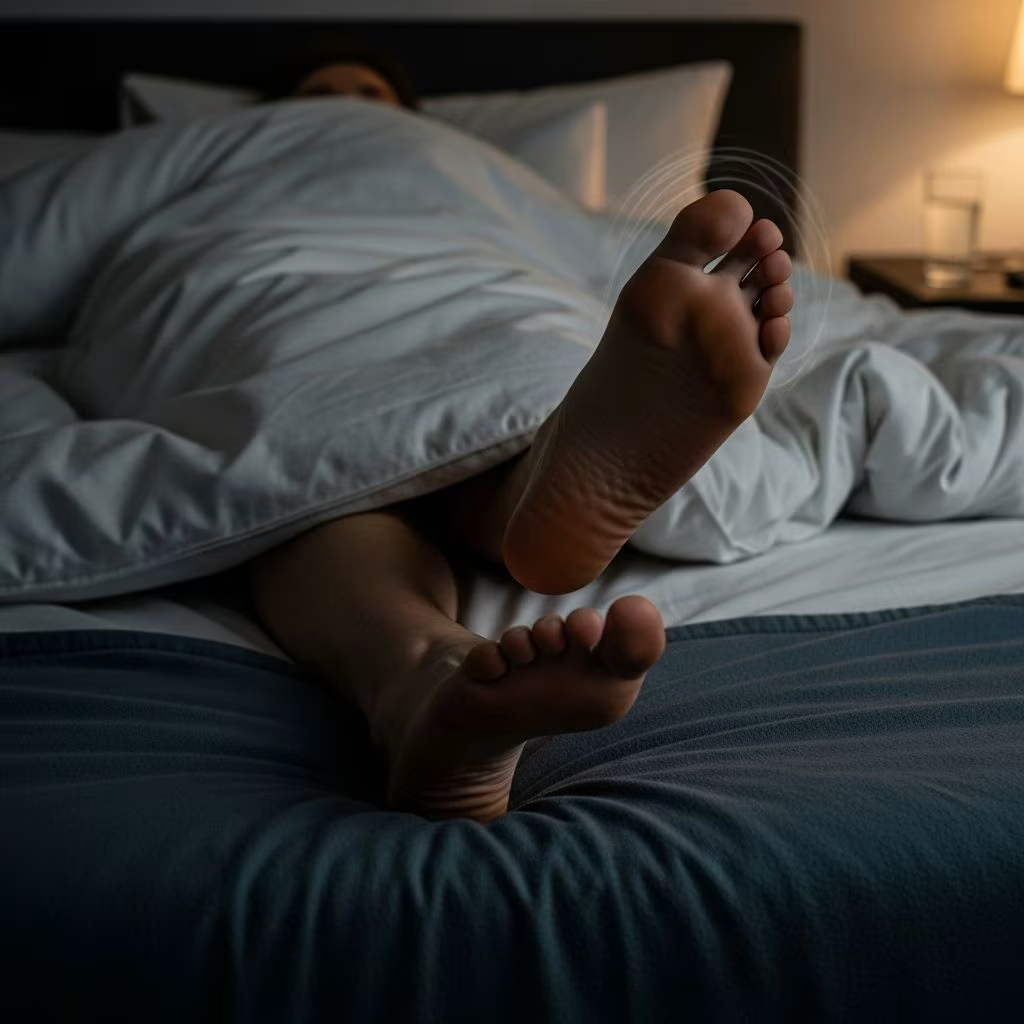
Restless Legs Syndrome (RLS): Understanding Its Symptoms, Causes, and Remedies
Restless Legs Syndrome (RLS), also known as Willis-Ekbom Disease, is a neurological disorder characterized by uncomfortable sensations in the legs and an uncontrollable urge to move them. These symptoms are often most prominent during periods of inactivity, particularly in the evening and at night, leading to sleep disturbances and reduced quality of life. Although medical treatments are available, many individuals seek home remedies and lifestyle changes to alleviate their discomfort. This article explores the essential aspects of RLS, including its symptoms, causes, risk factors, triggers, medical advice, and practical at-home solutions.
What Is Restless Legs Syndrome?
Restless Legs Syndrome (RLS) is a sensorimotor disorder that primarily affects the legs, causing sensations that are difficult to describe but often noted as creeping, crawling, pulling, throbbing, or itching. The overwhelming urge to move the legs can range from mild to severe, with symptoms typically intensifying in the evening and during rest. Movement such as walking, stretching, or shaking the legs often provides temporary relief. In many cases, RLS can disrupt sleep, contributing to daytime fatigue, irritability, and impaired concentration.
Common Symptoms of RLS
Symptoms of Restless Legs Syndrome can vary in intensity and frequency but generally include:
- Uncomfortable leg sensations (crawling, tingling, itching, pulling, or throbbing)
- Urge to move the legs, often accompanied by relief with movement
- Symptoms begin or worsen during periods of rest (sitting or lying down)
- Symptoms are worse in the evening or at night
- Difficulty falling or staying asleep due to leg discomfort
- Daytime tiredness or sleepiness as a result of disturbed sleep
The sensations most commonly affect the lower legs but can also be experienced in the thighs, feet, arms, or even the torso in severe cases. Symptoms often make it challenging for those affected to relax, rest, or sleep soundly.
Who Gets Restless Legs Syndrome?
Restless Legs Syndrome can affect people of all ages, though symptoms may be more common and severe in middle-aged and older adults. Women are statistically more likely than men to develop RLS, and the condition is also seen in pregnant women, particularly during the third trimester. A family history of RLS increases the likelihood, suggesting a significant genetic component. Children can also be affected, though it is often misdiagnosed as growing pains or attention deficit disorders.
Main Causes of RLS
While the precise cause of Restless Legs Syndrome remains unclear, several factors are strongly correlated with its development. The main known or suspected causes and contributors include:
- Genetics: RLS frequently runs in families, especially when symptoms begin before age 40, indicating hereditary influence.
- Low brain iron levels: Iron deficiency, particularly in the brain, is a major contributor. Iron is crucial for dopamine production—a neurotransmitter that helps regulate muscle movement.
- Dopamine imbalance: Abnormalities in how dopamine functions in the central nervous system can trigger or worsen RLS symptoms.
- Chronic conditions: Kidney disease, diabetes, peripheral neuropathy, rheumatoid arthritis, and certain neurological disorders are linked with secondary RLS.
- Pregnancy: Hormonal changes and fluctuating iron levels during pregnancy, especially in the last trimester, can cause temporary RLS symptoms, usually resolving after delivery.
- Medications: Specific drugs, including some antihistamines, antipsychotics, antidepressants, and certain anti-nausea medications, may provoke or exacerbate RLS symptoms.
- Other factors: Sleep deprivation, stress, and use of substances like caffeine, alcohol, or tobacco can worsen the condition.
Risk Factors for Restless Legs Syndrome
Several factors can increase the risk of developing RLS or aggravate existing symptoms:
- Family history of RLS
- Iron deficiency or anemia
- Chronic kidney disease or dialysis
- Pregnancy (most often in the third trimester)
- Older age
- Neurological disorders (such as Parkinson’s disease)
- Use of specific medications (as detailed above)
When to See a Doctor
Although RLS is often bothersome, it can sometimes be a sign of an underlying medical condition that requires treatment. Consult a doctor if:
- You experience persistent symptoms that interfere with sleep or daily activities
- Symptoms worsen over time
- Self-care measures and lifestyle changes fail to provide relief
- There are other signs such as leg swelling, pain, or skin changes
A healthcare professional will evaluate your symptoms, medical history, and possibly order blood tests to check iron and ferritin levels, as well as kidney function.
Potential Triggers of RLS Symptoms
Identifying and managing triggers can play an essential role in minimizing RLS discomfort. The following are common triggers and aggravators:
- Caffeine: Coffee, tea, cola, energy drinks, and chocolate can all stimulate the nervous system.
- Alcohol: Can disrupt sleep and intensify night-time leg sensations.
- Tobacco: Nicotine has stimulating properties that may worsen symptoms.
- Antihistamines: Commonly found in allergy or cold medications, these may exacerbate RLS.
- Lack of movement: Extended periods of inactivity, such as sitting during long trips, often provoke symptoms.
- Stress: Physical and emotional stress are known to aggravate the condition.
Medical Treatments for RLS
When RLS is moderate to severe or significantly disrupts daily life, medical interventions may be considered. Some primary approaches include:
- Iron supplementation: If lab results show low iron or ferritin, supplements (sometimes intravenous for greater effect) may be recommended.
- Medications that affect dopamine (e.g., pramipexole, ropinirole, rotigotine): Help manage RLS symptoms by mimicking the effects of dopamine in the brain.
- Alpha-2-delta calcium channel ligands (e.g., gabapentin, pregabalin): Especially useful in people who cannot tolerate dopamine agonists or for whom those drugs are no longer effective.
- Low-dose opioids: In very severe cases, medications like tramadol or oxycodone may be prescribed at the lowest effective dose and duration.
- Managing contributing medical conditions: Treating underlying problems such as anemia, neuropathy, or chronic kidney disease can often improve RLS.
Doctors emphasize starting with the lowest effective dose and regularly reviewing medications since some drugs, while helpful initially, can lead to worsening symptoms (so-called “augmentation”) over time. For this reason, medication changes are sometimes necessary.
Home Remedies and Self-Care for Restless Legs Syndrome
Many people find non-pharmaceutical interventions and home remedies can meaningfully reduce their symptoms, especially when combined with medical advice. Popular home care strategies include:
- Regular gentle exercise: Walking, cycling, stretching, or light activities during the day may help prevent evening discomfort but avoid strenuous exercise late in the day.
- Leg massages: Manual massage, foam rollers, or handheld massagers can offer temporary relief.
- Warm or cool baths: Bathing the legs in warm or cool water before bedtime often helps relax the muscles and nerves.
- Hot/cold packs: Alternating heating pads and cool compresses can sometimes ease sensations.
- Good sleep hygiene: Maintain a consistent bedtime/rising schedule, create a restful sleep environment (low light, minimal noise), and avoid screens for an hour before bed.
- Relaxation techniques: Yoga, deep breathing, meditation, or progressive muscle relaxation may help manage both symptoms and stress.
- Diet modifications: Reduce or eliminate caffeine, alcohol, and tobacco in the afternoon and evening.
- Healthy routines: Avoid heavy or spicy meals late in the day and keep hydrated with water or herbal teas.
- Compression devices or socks: Some people benefit from using compression stockings (though evidence is mixed).
- Transcutaneous Electrical Nerve Stimulation (TENS): Using a TENS machine to stimulate muscles can provide relief for some.
Table: Home Remedies for RLS and Their Potential Effects
| Remedy | How It Helps |
|---|---|
| Gentle Exercise | Reduces severity and frequency of symptoms |
| Leg Massage | Provides immediate, short-term relief |
| Warm Baths | Relaxes muscles, may reduce discomfort before bedtime |
| Sleep Hygiene | Promotes more restful sleep and minimizes symptom impact |
| Relaxation/Mindfulness | Reduces stress, which may decrease symptom exacerbation |
| Compression Devices | May help some individuals by improving circulation |
Diet and Nutritional Considerations
Nutrition plays a meaningful role in managing RLS. Key dietary recommendations include:
- Iron-rich foods: Red meat, poultry, fish, lentils, beans, leafy greens, tofu, and fortified cereals.
- Vitamin C: Enhances iron absorption—include citrus fruits, bell peppers, or strawberries with iron-containing meals.
- Magnesium and folate: Whole grains, nuts, seeds, green vegetables, and fortified grains can help address potential deficiencies.
- Limit caffeine, sugar, and processed foods: These can aggravate symptoms and disrupt sleep.
Always consult a healthcare provider before starting supplements, as inappropriate use may lead to adverse effects or mask serious medical conditions.
Lifestyle Changes to Support RLS Relief
- Establish a bedtime routine: Includes winding down with non-stimulating activities such as reading, light stretching, or meditation.
- Schedule regular physical activity: Walking, swimming, yoga, or tai chi can be especially beneficial.
- Prioritize sleep: Keep consistent sleep/wake times, even on weekends.
- Manage stress: Deep breathing and mindfulness techniques, regular downtime.
- Consult with a physician regularly: Especially when symptoms change or worsen.
Frequently Asked Questions (FAQs)
Q: Is restless legs syndrome curable?
A: While there is currently no cure for RLS, symptoms can be effectively managed for most people through a combination of lifestyle modifications, addressing underlying causes, and medical treatments as needed.
Q: Which foods should be avoided with RLS?
A: Caffeine, alcohol, and foods high in refined sugar are best limited or avoided, especially in the afternoon and evening. Focus instead on a balanced diet rich in iron, magnesium, and folate.
Q: Can children get restless legs syndrome?
A: Yes, RLS can affect children, although it may be misdiagnosed as growing pains or behavioral issues. If your child complains of leg discomfort, especially at night, consult a healthcare provider.
Q: What simple practices can improve sleep for someone with RLS?
A: Good sleep hygiene is crucial: establish a consistent bedtime routine, limit screen time before bed, keep the bedroom cool and dark, and avoid heavy meals or stimulants in the hours before sleep.
Q: When should I see a doctor for RLS?
A: If symptoms are frequent or severe enough to interfere with sleep, daytime function, or mood, or if home strategies fail to bring relief, seek medical advice.
Key Takeaways
- Restless Legs Syndrome is a common but challenging neurological condition affecting both sleep and quality of life.
- Common triggers include caffeine, tobacco, alcohol, and inactivity.
- First-line management involves lifestyle and dietary changes, gentle daily exercise, leg massages, and sleep hygiene improvements.
- For persistent or severe symptoms, consult a healthcare provider for an individualized treatment plan, which may include addressing iron deficiency, adjusting medications, or prescription therapies.
- Regular monitoring, healthy routines, and practical home remedies often go a long way toward reducing discomfort.
References
- https://pmc.ncbi.nlm.nih.gov/articles/PMC8116476/
- https://www.nhs.uk/conditions/restless-legs-syndrome/
- https://www.cedars-sinai.org/blog/everything-you-need-to-know-about-restless-leg-syndrome.html
- https://www.yalemedicine.org/news/restless-legs-syndrome-advice-has-changed
- https://my.clevelandclinic.org/health/diseases/9497-restless-legs-syndrome
- https://www.mayoclinic.org/diseases-conditions/restless-legs-syndrome/symptoms-causes/syc-20377168
- https://www.rls.org/diagnosis-treatment


