


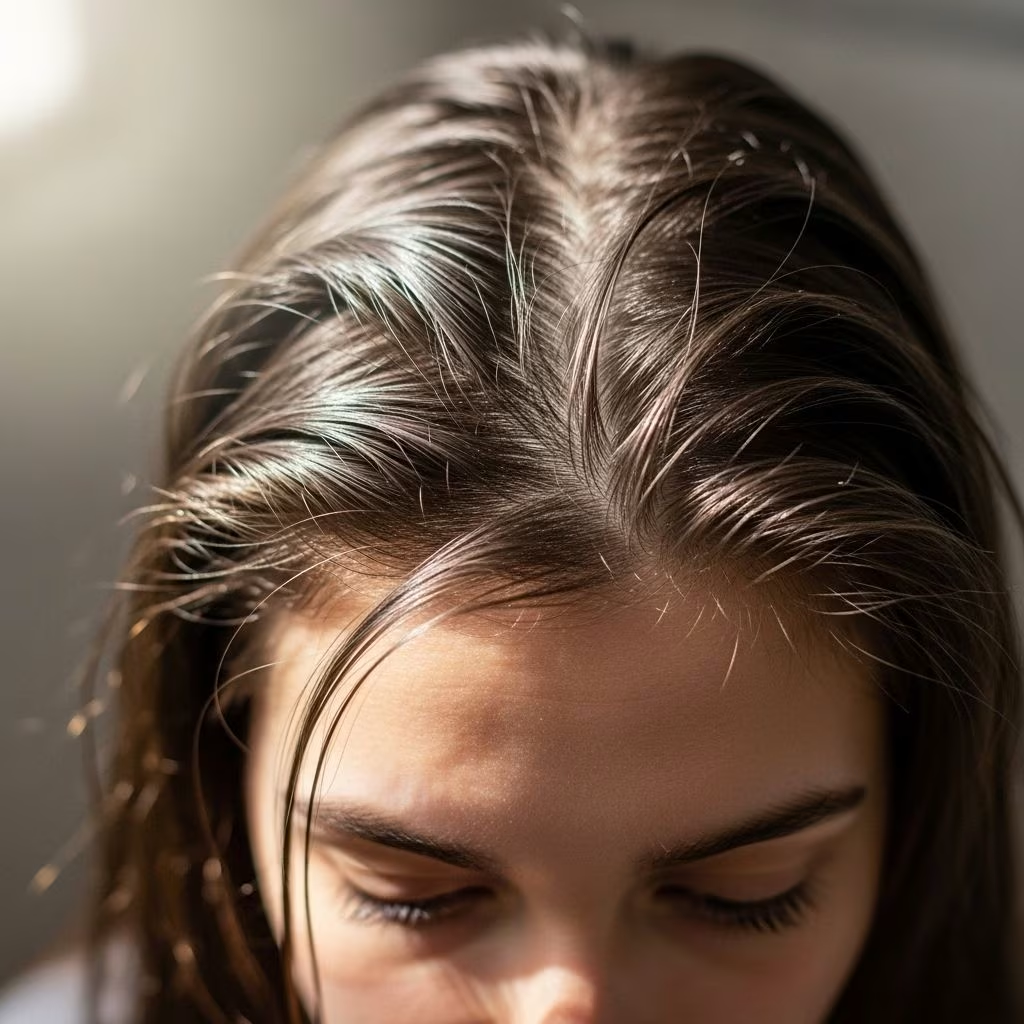
Dealing with oily hair can be a daily frustration that affects your confidence and overall appearance. Whether your hair looks greasy by midday or feels weighed down shortly after washing, understanding the root causes and implementing effective solutions can make a significant difference. Oily hair is more common than you might think, and fortunately, there are numerous strategies to manage and prevent excess oil production on your scalp.
When we talk about oily hair, we’re actually referring to an oily scalp. The scalp, being skin, produces natural oils called sebum through tiny glands known as sebaceous glands. While sebum is essential for keeping your scalp and hair healthy, protecting against environmental damage and maintaining moisture balance, excessive production can lead to that unwanted greasy appearance that makes hair look limp, flat, and unwashed.
Understanding What Causes Oily Hair
The development of oily hair stems from multiple factors, and identifying the underlying cause is crucial for effective treatment. Your sebaceous glands produce sebum naturally, but several conditions and circumstances can trigger them to go into overdrive, resulting in excessive oil production that affects your hair’s appearance and health.
Genetics and Hormones: One of the primary factors influencing oil production is your genetic makeup. If your parents struggled with oily hair, there’s a higher likelihood you will too. Your genes determine how active your sebaceous glands are and how much sebum they produce. Additionally, hormonal fluctuations play a significant role in sebum production. Natural hormonal changes during puberty, pregnancy, menstruation, or menopause can increase oil production. Conditions affecting hormone levels, such as polycystic ovary syndrome (PCOS) or thyroid disorders, can also contribute to oily hair. Even stress can trigger hormonal responses that lead to increased sebum production.
Hair Care Practices: Ironically, many of the habits intended to combat oily hair can actually make the problem worse. Over-washing your hair might seem like the logical solution, but it can strip away natural oils, causing your sebaceous glands to compensate by producing even more sebum. Using hot water during hair washing can have a similar effect, as high temperatures stimulate oil production. Touching your hair frequently throughout the day transfers oils from your hands to your strands, adding to the greasy appearance. Brushing your hair too vigorously or too often distributes oils from your scalp down the length of your hair, making the entire head look oily rather than just the roots.
Product Buildup and Improper Application: The products you use and how you apply them significantly impact oil levels. Heavy styling products, thick conditioners applied to the roots, and silicone-based formulas can create buildup on your scalp that traps oil and makes hair appear greasier. Not rinsing shampoo and conditioner thoroughly leaves residue behind that attracts dirt and oil. Using products not suited for your hair type or applying too much product can weigh hair down and contribute to that oily appearance.
Medical Conditions: Certain medical conditions can manifest as oily hair. Seborrheic dermatitis, a common skin condition that affects areas rich in oil glands, can cause an oily scalp along with redness, itching, and flaking. This condition requires specific treatment approaches beyond standard hair care adjustments. If you suspect an underlying health condition is contributing to your oily hair, consulting with a healthcare provider is essential for proper diagnosis and treatment.
Diet and Lifestyle Factors: What you eat can influence your scalp’s oil production. Diets high in processed foods, refined carbohydrates, and unhealthy fats may contribute to excess sebum production. Similarly, high-glycemic foods that cause rapid spikes in blood sugar can trigger hormonal responses that increase oil production. Stress, lack of sleep, and poor overall health can also impact how much oil your scalp produces.
Effective Treatment Strategies for Oily Hair
Once you’ve identified potential causes of your oily hair, implementing targeted treatment strategies can help restore balance to your scalp and improve your hair’s appearance. Treatment approaches should be tailored to address the specific factors contributing to your oily hair condition.
Optimize Your Washing Routine: Finding the right washing frequency is crucial. While over-washing can stimulate more oil production, under-washing allows oil and dirt to accumulate. Most people with oily hair benefit from daily shampooing, allowing the shampoo to sit on the scalp for at least five minutes before rinsing to effectively break down oils. However, this may vary based on individual needs. Using lukewarm or cool water instead of hot water helps prevent stimulating excess oil production. Hot water strips away natural oils too aggressively, triggering your sebaceous glands to produce more sebum to compensate.
Choose the Right Products: Selecting appropriate hair care products is fundamental to managing oily hair. Look for lightweight, sulfate-free shampoos that cleanse without stripping or weighing hair down. Clarifying shampoos provide a deeper clean and can effectively remove product buildup, excess oil, and mineral deposits from hard water. However, these stronger formulas should only be used once weekly to avoid over-drying your scalp. When it comes to conditioner, opt for lightweight formulas and apply them only to the mid-lengths and ends of your hair, avoiding the scalp and roots entirely. This ensures the driest, most damage-prone parts of your hair receive moisture without adding oil to your scalp.
Proper Rinsing Techniques: Thoroughly rinsing your hair is more important than many people realize. Shampoo and conditioner residue left on the scalp can make hair appear oily even immediately after washing. Take extra time to ensure all product is completely rinsed away, paying special attention to the crown and back of the head where residue commonly remains.
Minimize Hair Touching: Resist the urge to run your fingers through your hair throughout the day. Each time you touch your hair, you transfer oils from your hands to your strands. This habit can significantly contribute to midday greasiness, especially around the face-framing areas that are most frequently touched.
Strategic Product Application: Use styling products sparingly and focus application away from the roots. When you do need to use styling products, opt for lightweight, oil-free formulas designed for fine or oily hair. Avoid heavy serums, oils, and thick styling creams that can weigh hair down and contribute to greasiness.
Prevention and Long-Term Management
Beyond immediate treatments, implementing preventive measures and lifestyle adjustments can help manage oily hair long-term and reduce the frequency and severity of greasy episodes.
Dietary Adjustments: What you eat directly impacts your skin and scalp health. Focus on consuming a balanced diet rich in whole foods, including plenty of fresh fruits, vegetables, lean proteins, and healthy fats. Limit your intake of high-glycemic foods, processed snacks, and excessive refined carbohydrates, as these can trigger increased sebum production. Foods rich in omega-3 fatty acids, vitamins A, C, and E, and zinc support healthy skin and may help regulate oil production.
Stress Management: Since stress can trigger hormonal responses that increase sebum production, finding effective stress management techniques is valuable for controlling oily hair. Incorporate stress-reduction practices into your daily routine, such as meditation, deep breathing exercises, yoga, regular physical activity, or engaging in hobbies you enjoy. Quality sleep is also crucial, as poor sleep can elevate stress hormones and negatively impact oil production.
Brush Wisely: While brushing is necessary for hair health and styling, excessive or vigorous brushing distributes scalp oils throughout your hair. Brush gently and only as needed, using a boar bristle brush if you find your hair gets oily quickly. Consider brushing your hair before showering rather than throughout the day to minimize oil distribution.
Keep Tools and Accessories Clean: Regularly clean your hairbrushes, combs, and styling tools, as they accumulate oil, dead skin cells, and product residue that gets transferred back to your hair with each use. Wash pillowcases frequently, as they collect oils from your hair and skin that can contribute to greasiness. If you wear hats or headbands regularly, clean these items often as well.
Consider Your Environment: Environmental factors like humidity and pollution can affect how oily your hair appears. In humid conditions, oil may be more visible and hair may feel greasier. Using lightweight, humidity-resistant products and adjusting your routine seasonally can help manage these effects.
Emergency Solutions for Quick Fixes
Even with the best prevention strategies, there will be times when you need a quick solution for unexpectedly greasy hair. Having emergency options available ensures you can refresh your appearance without a full wash.
Dry Shampoo: Dry shampoo is an essential tool for anyone dealing with oily hair. These powder-based products absorb excess oil at the roots, providing volume and a freshly-washed appearance without water. Apply dry shampoo to the roots, let it sit for a few minutes to absorb oil, then brush through or massage into the scalp. Choose formulas that don’t leave visible residue and match your hair color when possible. While dry shampoo is excellent for emergencies or extending time between washes, it shouldn’t completely replace regular shampooing, as buildup can occur.
Strategic Styling: When your hair is looking greasy, certain hairstyles can help disguise the oil while looking polished and intentional. Sleek ponytails, braids, or buns can work with oily hair rather than against it, using the natural oils to create smooth, controlled styles. Headbands and scarves can also strategically cover oily roots while adding a stylish element to your look.
Blotting Papers: Originally designed for facial oil control, blotting papers can be gently pressed against oily roots to absorb excess sebum in a pinch. This method works best for small areas and touch-ups rather than treating the entire scalp.
When to Seek Professional Help
While most cases of oily hair can be managed with proper hair care and lifestyle adjustments, certain situations warrant professional medical attention. Recognizing when to consult a healthcare provider ensures you receive appropriate treatment for underlying conditions.
Schedule an appointment with your primary care provider or dermatologist if you experience persistent oily hair despite trying various home remedies and adjustments. If your oily scalp is accompanied by other symptoms such as severe dandruff, redness, itching, inflammation, unusual hair loss, or changes in hair texture, these could indicate conditions like seborrheic dermatitis, hormonal imbalances, or other medical issues requiring professional diagnosis and treatment.
Healthcare providers can perform tests to identify hormonal imbalances or underlying health conditions contributing to oily hair. They may prescribe medicated shampoos, topical treatments, or address hormonal issues that over-the-counter solutions cannot effectively treat.
Understanding the Hair-Scalp Connection
Managing oily hair effectively requires understanding the intricate relationship between your scalp health and hair appearance. Your scalp is living skin that requires the same care and attention as the skin on your face. The sebaceous glands in your scalp produce sebum for important protective and moisturizing functions, but when production becomes excessive, it creates the greasy appearance we associate with oily hair.
Maintaining scalp health through gentle exfoliation can help prevent buildup that contributes to oiliness. Some people benefit from using scalp scrubs or exfoliating treatments once or twice monthly to remove dead skin cells, product residue, and excess oil. However, be careful not to over-exfoliate, as this can irritate the scalp and potentially trigger more oil production.
The pH balance of your scalp also plays a role in oil production. Products that are too alkaline can disrupt your scalp’s natural pH, leading to various issues including increased oiliness. Look for pH-balanced hair care products that work with your scalp’s natural chemistry rather than against it.
Product Selection Guide
Choosing the right products for oily hair can feel overwhelming given the numerous options available. Understanding what to look for and what to avoid helps you make informed decisions that support your hair goals.
Beneficial Ingredients: Look for shampoos containing tea tree oil, which has natural astringent properties that help control oil production. Witch hazel is another effective ingredient for managing excess sebum. Clay-based shampoos can absorb oil effectively while cleansing thoroughly. Mint and rosemary provide deep cleansing properties while offering a refreshing sensation. Salicylic acid helps exfoliate the scalp and remove buildup, though it should be used carefully to avoid over-drying.
Ingredients to Avoid: Heavy silicones can create buildup and weigh hair down, making it appear greasier. Sulfates, while effective cleansers, can be too harsh and stimulate rebound oil production when used daily. Rich oils and butter-based ingredients are generally too heavy for oily hair types. Thick, creamy formulas often leave residue that contributes to the greasy appearance.
Seasonal Considerations
Your hair’s oil production may vary with the seasons, requiring adjustments to your routine throughout the year. Understanding these seasonal variations helps you stay ahead of oiliness rather than constantly reacting to it.
During summer months, increased heat and humidity can make oil more visible and cause hair to feel greasier more quickly. You may need to wash more frequently, use lighter products, and rely more heavily on dry shampoo during this season. Winter can be tricky, as indoor heating can dry out hair while cold outdoor air affects the scalp. You might find you can extend time between washes during cooler months but need to ensure adequate moisture to prevent your scalp from overcompensating with excess oil production.
Frequently Asked Questions
Q: How often should I wash oily hair?
A: Most people with oily hair benefit from daily shampooing, as this prevents oil and dirt accumulation. However, some individuals may find that washing every other day works better for their scalp. The key is finding the frequency that keeps your hair fresh without triggering rebound oil production from over-washing. Pay attention to how your scalp responds and adjust accordingly.
Q: Can I skip conditioner if I have oily hair?
A: No, you should not skip conditioner entirely, as even oily hair needs moisture, particularly at the ends which tend to be drier. The key is applying conditioner only to the mid-lengths and ends of your hair, completely avoiding the scalp and roots. Choose lightweight, rinse-out conditioners rather than heavy, leave-in formulas for best results.
Q: Does diet really affect how oily my hair gets?
A: Yes, diet can significantly impact oil production. Foods high on the glycemic index, excessive refined carbohydrates, and diets high in unhealthy fats may contribute to increased sebum production. Eating a balanced diet rich in whole foods, lean proteins, fruits, vegetables, and healthy fats supports overall scalp health and may help regulate oil production over time.
Q: Is it bad to use dry shampoo every day?
A: While dry shampoo is excellent for managing oily hair between washes, using it daily without regular shampooing can lead to product buildup, clogged pores, and scalp irritation. Dry shampoo should supplement, not replace, regular washing. Use it as a touch-up tool or to extend time between washes by one or two days, but ensure you’re still washing your hair regularly with water and shampoo.
Q: Why does my hair get oily so quickly after washing?
A: Several factors can cause rapid oil return after washing. You may be using products too heavy for your hair type, not rinsing thoroughly enough, using water that’s too hot, or over-washing which triggers rebound oil production. Product buildup, touching your hair frequently, or underlying hormonal issues can also contribute. Evaluate your routine and products, and if the problem persists despite adjustments, consider consulting a healthcare provider to rule out medical causes.
Q: Can stress really make my hair more oily?
A: Absolutely. Stress triggers hormonal responses in your body, including increased production of cortisol and androgens, which can stimulate your sebaceous glands to produce more sebum. Managing stress through relaxation techniques, adequate sleep, regular exercise, and healthy coping mechanisms can help reduce stress-related increases in scalp oil production.
Q: Are there any medical conditions that cause oily hair?
A: Yes, several medical conditions can contribute to oily hair. Seborrheic dermatitis affects oil-rich areas of skin including the scalp. Hormonal conditions like PCOS, thyroid disorders, and other endocrine imbalances can increase oil production. If your oily hair is accompanied by other symptoms like severe dandruff, scalp irritation, unusual hair loss, or sudden changes in oil production, consult a healthcare provider for proper evaluation and treatment.
References
- https://www.goodrx.com/health-topic/hair/how-to-fix-oily-hair
- https://www.lorealparisusa.com/beauty-magazine/hair-care/all-hair-types/greasy-hair-quick-fix
- https://www.hims.com/blog/oily-scalp
- https://medlineplus.gov/ency/article/002042.htm
- https://www.allthingshair.com/en-us/hair-care/oily-hair/
- https://www.allthingshair.com/en-us/hair-care/washing-hair/taking-care-of-greasy-hair/
- https://www.healthline.com/health/how-to-get-rid-of-greasy-hair
- https://www.medicalnewstoday.com/articles/greasy-hair-after-washing
- https://www.youtube.com/watch?v=O_Ov2ZGOCu4


