


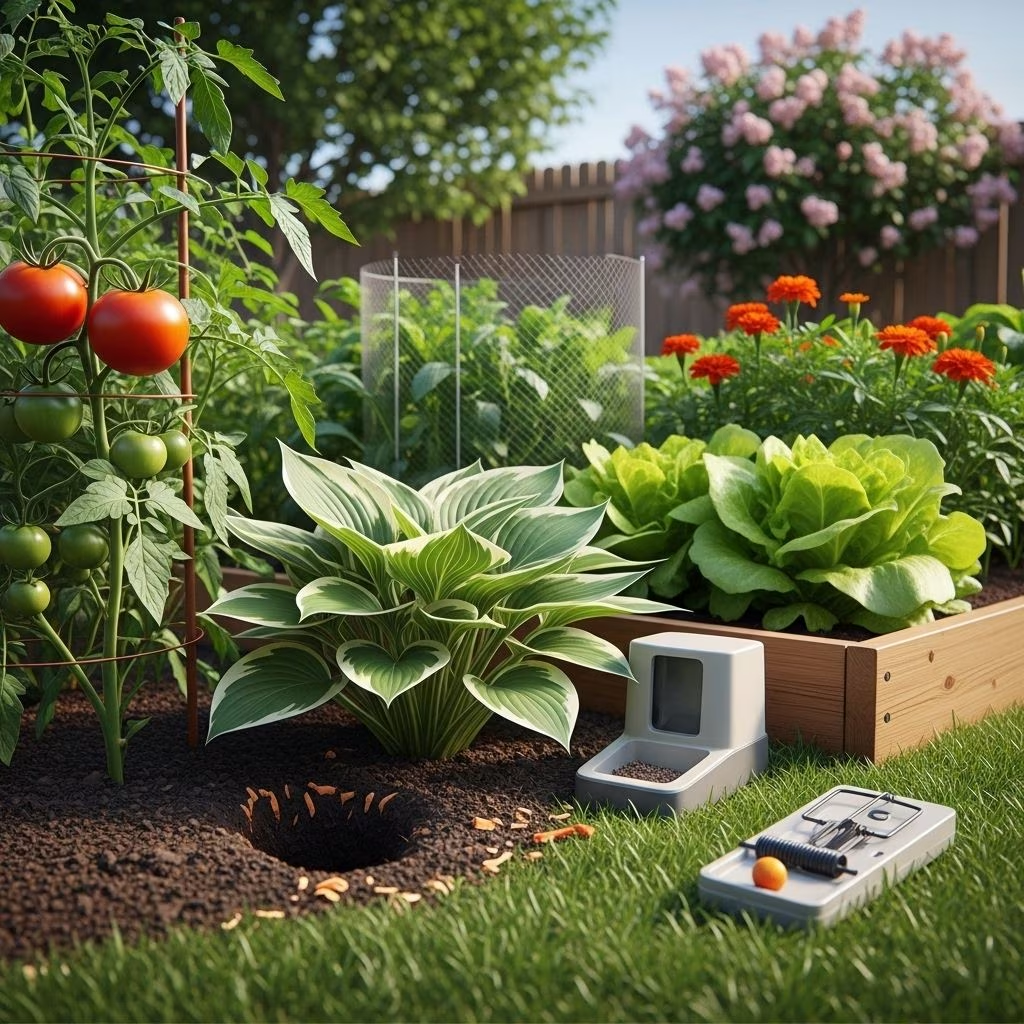
Rodent Control in Your Garden: A Step-by-Step Guide
\n\n
Rodents can be a persistent problem for any gardener. Whether you’re nurturing vegetables, flowers, or fruit trees, the last thing you want is mice, rats, or gophers raiding your garden beds, chewing through roots, or contaminating your hard-earned harvests. This comprehensive guide explores why rodents are attracted to gardens, outlines early warning signs of infestation, and presents the most effective strategies for prevention, humane control, and ongoing management. Read on for practical tips, eco-friendly solutions, and answers to common questions about keeping your outdoor space safe and healthy.
\n\n
Why Are Rodents Attracted to Gardens?
\n\n
Before tackling rodent invasions, it’s crucial to understand what attracts these pests to your garden:
\n
- \n
- Food Sources: Rodents are omnivores. Unharvested fruit, vegetable scraps, seeds, pet food, and compost bins offer irresistible buffets.
- Shelter: Dense vegetation, ground cover, overgrown bushes, wood piles, and debris piles provide ideal hiding and nesting spots.
- Water: Leaky hoses, bird baths, and low-lying wet spots offer hydration, further encouraging rodents to settle in.
\n
\n
\n
\n\n
Effective rodent prevention starts with reducing or eliminating these attractive factors in your garden’s environment.
\n\n
Early Signs of Rodent Infestation
\n\n
- \n
- Gnaw Marks: Look for bite marks on vegetables, tubers, wooden structures, or irrigation systems.
- Droppings: Rodents leave behind small, pellet-like droppings along their frequent paths.
- Tunnels and Burrows: Freshly dug holes or soil disturbances can indicate the presence of burrowing rodents.
- Nesting Material: Chewed fabric, paper, or plant fibers gathered in sheltered corners are common nesting material for rodents.
- Noises: Rustling, scratching, or squeaking sounds, especially at dusk or dawn, signal rodent activity.
\n
\n
\n
\n
\n
\n\n
Early detection is critical for controlling the problem before populations escalate.
\n\n
Preventative Measures: Building a Rodent-Resistant Garden
\n\n
- \n
- Clear Debris and Clutter: Remove piles of leaves, wood, or old tools that provide shelter. Keep the garden tidy to reduce hiding spots.
- Proper Composting: Use sealed compost bins or tumblers; never add animal-based food scraps. Open food sources attract rodents.
- Secure Storage: Store birdseed, grains, and pet food in airtight, rodent-proof containers.
- Prompt Harvesting: Pick ripe fruits, vegetables, and nuts as soon as possible to avoid attracting hungry pests.
- Maintain Clean Bird Feeders: Use feeders with trays to catch spills and avoid creating rodent feeding stations.
- Eliminate Water Sources: Fix leaky irrigation and reduce standing water.
\n
\n
\n
\n
\n
\n
\n\n
Consistent maintenance is the first line of defense against rodent intrusion.
\n\n
Physical Barriers for Rodent Exclusion
\n\n
Create a physical line of defense to keep rodents out of your garden beds and vulnerable plants:
\n
- \n
- Fencing: Install fine-mesh or hardware cloth (1/4 inch or smaller) around the garden perimeter, burying it a few inches into the soil to prevent tunneling.
- Raised Beds: Line the base of raised beds with wire mesh before adding soil to stop burrowing pests.
- Netting and Cloches: Use row covers or plant domes for young plants.
- Barrier Planting: Some plants, such as strong-smelling herbs (mint, garlic, lavender), can serve as natural deterrents when planted along borders.
\n
\n
\n
\n
\n\n
| Barrier Type | Best For | Tips |
|---|---|---|
| Mesh Fencing | Perimeter protection | Use galvanized mesh, bury at least 6 inches deep |
| Raised Beds with Lined Bottoms | Vegetable gardens | Staple mesh before adding soil |
| Netting/Cloches | Seedlings, new plantings | Monitor for trapped animals or rodents gnawing through |
\n\n
Natural Repellents for Rodents
\n\n
- \n
- Peppermint Oil: Soak cotton balls or rags in peppermint oil and place them in areas where rodent activity is common. Refresh the scent every few days for best results.
- Garlic Spray: Spraying garlic extract deters rodents while being non-toxic to humans and pets.
- Predator Urine: Commercially available fox or bobcat urine products can create the illusion of predators nearby.
- Other Scents: Cloves and vinegar may also be effective natural repellents, but must be reapplied regularly.
\n
\n
\n
\n
\n\n
Always use natural repellents as part of a broader pest management plan. Rodents can become acclimatized to scents if used in isolation for long periods.
\n\n
Humane Trapping and Removal
\n\n
If rodent populations become established, trapping may offer a humane solution:
\n
- \n
- Live-Capture Traps: Select cage or box traps for humane capture. Place traps along known rodent paths, especially near walls, compost bins, and under sheds.
- Bait Selection: Peanut butter, oats, or dried fruit often work best as bait.
- Relocation: Once captured, release rodents at least 1–2 miles from your property in an appropriate habitat to prevent homing.
- Check Frequently: Inspect traps daily to reduce animal stress and avoid harm to non-target species.
\n
\n
\n
\n
\n\n
Attracting Natural Predators
\n\n
Wildlife can be powerful allies in rodent management:
\n
- \n
- Owls, Hawks, and Snakes: These natural predators feed on rodents and help keep populations in check.
- Provide Habitat: Install birdhouses and nesting boxes to attract raptors. Maintain stone piles or preserve some natural cover for beneficial snakes.
- Responsible Attraction: Never use rodenticides that can harm predators via secondary poisoning.
\n
\n
\n
\n\n
Practices and Methods to Avoid
\n\n
While swift action is important, some approaches can do more harm than good:
\n
- \n
- Uncontrolled Use of Poison: Many rodenticides are highly toxic and can harm pets, local wildlife, and even children. Secondary poisoning of beneficial predators is a serious ecological risk.
- Neglecting Cleanliness: Allowing organic material, trash, or plant debris to build up will make your garden far more attractive to rodents.
- Overfeeding Birds: Spilled birdseed is a notorious rodent attractant. Adjust feeding strategies to minimize waste.
\n
\n
\n
\n\n
When to Seek Professional Help
\n\n
If rodent problems persist despite your best DIY efforts, it may be time for expert intervention:
\n
- \n
- Persistent Infestations: Large colonies or recurring infestations may require assessment by a licensed pest control expert.
- Property Damage: Chewing through electrical lines, irrigation systems, or building foundations is a sign that intervention is urgent.
- Complex Habitats: Densely landscaped or large garden areas may harbor hidden nests that are hard to detect without professional equipment.
\n
\n
\n
\n\n
Choose pest control professionals who employ eco-friendly and humane removal methods whenever possible. Be sure that service providers comply with local regulations regarding wildlife and pesticide use.
\n\n
Ongoing Maintenance & Long-Term Strategies
\n\n
- \n
- Regular Inspections: Check for new signs of rodent activity, especially at the start and end of each season.
- Crop Rotation: Avoid planting the same crops in the same beds every year to reduce the buildup of pest populations.
- Companion Planting: Intermix strong-smelling herbs or alliums (such as onions and garlic) with susceptible crops.
- Compost Management: Continue using sealed bins and avoid adding cooked food waste to compost piles.
\n
\n
\n
\n
\n\n
Frequently Asked Questions (FAQ)
\n\n
Q: What are the most effective natural rodent repellents for gardens?
\n
A: Peppermint oil, garlic spray, and cloves are commonly used and generally safe for gardens and pets. Place them in areas of known rodent activity and refresh regularly for best efficacy.
\n\n
Q: Is it safe to use poison baits around edible crops?
\n
A: Poison baits carry significant risks for people, pets, and wildlife. Use them only as a last resort, in tamper-proof bait stations, and never near crops that will be ingested.
\n\n
Q: Can I use garden snakes for rodent control?
\n
A: Many snake species are beneficial for controlling small rodents. Avoid removing garden snakes and provide natural cover to encourage their presence.
\n\n
Q: How can I prevent rodents from entering my garden in the first place?
\n
A: Keep the garden clean, install physical barriers, remove food and water sources, and seal potential entry points. Regular inspections and quick action at the first sign of pests are also key.
\n\n
Q: When should I call a pest control professional?
\n
A: If you notice ongoing rodent activity despite thorough prevention efforts, or if you find extensive property damage, it’s best to consult a professional for safe and effective control.
\n\n
Conclusion
\n
Protecting your garden from rodents requires vigilance, cleanliness, and integrated management. By reducing attractants, installing barriers, using humane controls, and encouraging natural predators, gardeners can maintain a flourishing, pest-free outdoor space. If all else fails, seek professional support that uses eco-friendly techniques to preserve the balance of your backyard ecosystem. With the right approach, it’s possible to enjoy a lush, productive garden free from rodent pests year-round.
References
- https://mothernaturesinc.com/save-your-garden-from-nasty-rodents-steps-to-follow/
- https://learn.eartheasy.com/guides/natural-garden-pest-control/
- https://americanspcc.org/top-10-tips-for-effective-pest-rodent-control-at-home/
- https://edis.ifas.ufl.edu/publication/IN1397
- https://extension.oregonstate.edu/ask-extension/featured/strategies-rodent-control
- https://extension.wvu.edu/lawn-gardening-pests/news/2019/09/15/methods-that-prevent-garden-pests


