


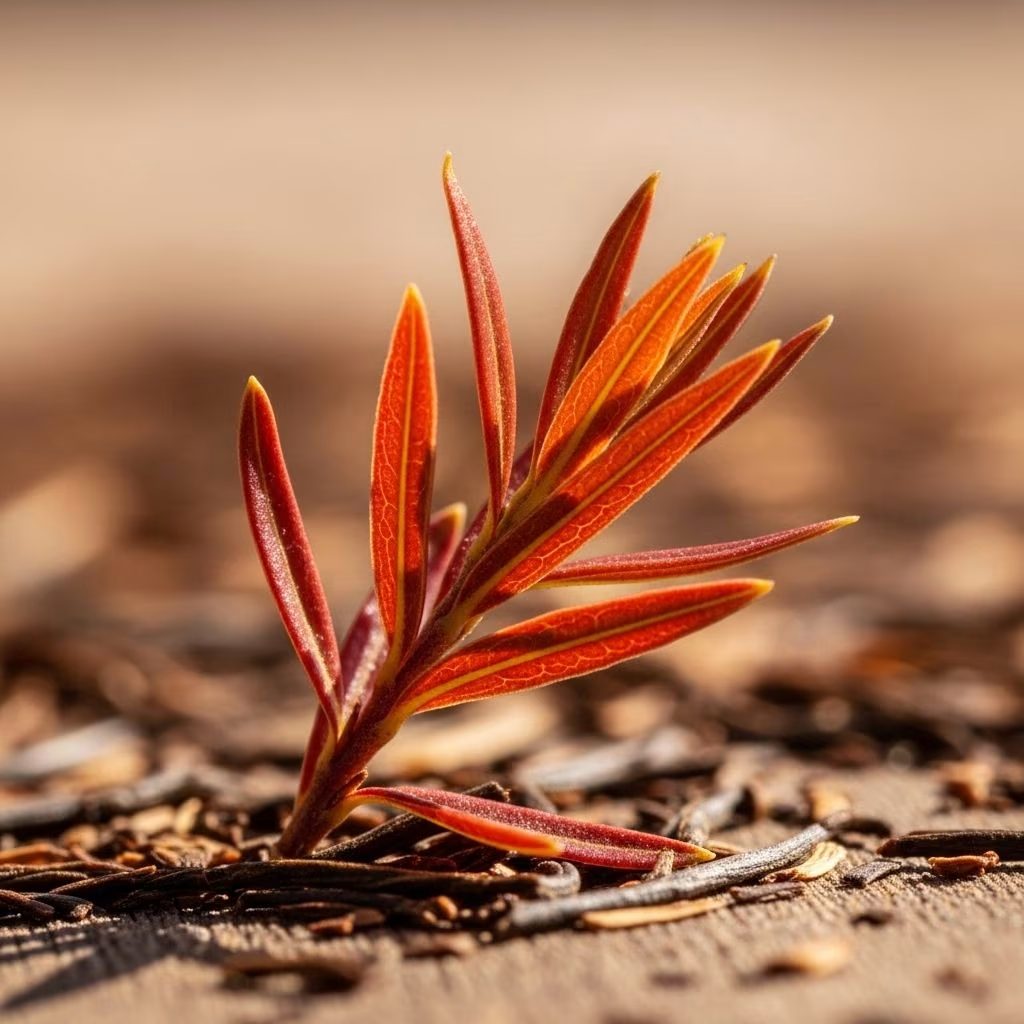
Rooibos leaf, with its rich heritage, growing international acclaim, and unique flavor, has become a sought-after herbal tea and wellness ingredient. Native to South Africa’s rugged Cederberg mountains, rooibos is also known as “red bush” and is prized not only for its vibrant flavor, but also for its lack of caffeine, potential health benefits, and versatility in daily use. This article provides an in-depth look at rooibos leaf—delving into its botany, history, production, potential health effects, culinary and personal care uses, distinctive taste, and commonly asked questions.
Introduction to Rooibos Leaf
Rooibos (Aspalathus linearis) is an herbal plant endemic to the South African Cederberg region. Its name, meaning “red bush” in Afrikaans, reflects the color of its oxidized leaves and the deep amber hue of the brewed infusion. For centuries, rooibos has been regarded both as a soothing beverage and an herbal remedy. Recent global interest is due to its gentle, caffeine-free profile, smooth taste, and purported health-promoting properties.
Botanical Profile and Origins
Rooibos is a leguminous shrub belonging to the Fabaceae family, related more closely to beans and peas than to true tea plants (Camellia sinensis). The leaves are needle-like and arranged in straight, linear formations, which gave rise to the species name “linearis.” The plant thrives in South Africa’s fynbos biome, where the sandy, well-drained soils and Mediterranean-type climate create ideal growing conditions.
- Scientific name: Aspalathus linearis
- Common names: Rooibos, red bush, bush tea, red tea (outside Africa)
- Native range: Cederberg mountains, Western Cape province, South Africa
Unlike most herbal teas, true rooibos only grows in this specific region, and attempts to cultivate it elsewhere have not met with success.
Historical and Cultural Background
The earliest written records of rooibos date back over 300 years, noting its use by the indigenous Khoisan people for both medicinal and refreshment purposes. As European settlers arrived in the 18th and 19th centuries, they adopted rooibos as a local alternative to imported black teas, building the foundation for South Africa’s rooibos industry. Today, the name “rooibos” enjoys protected status in the EU and South Africa, similar to Champagne or Parmigiano-Reggiano, marking its unique origin and production methods.
Types of Rooibos: Red vs. Green
| Type | Processing | Flavor Profile | Appearance |
|---|---|---|---|
| Red Rooibos | Oxidized (fermented), exposed to air and heat | Sweet, mellow, with notes of caramel and vanilla | Reddish-brown loose leaves |
| Green Rooibos | Unoxidized, quickly dried to prevent fermentation | Lighter, grassier, more herbal | Pale greenish-yellow leaves |
While red rooibos is the traditional form most commonly exported, green rooibos appeals to those who prefer a delicate flavor and slightly higher antioxidant content.
Harvesting and Production Process
The artisanal preparation of rooibos combines age-old tradition with modern technology to ensure quality and consistency. Key stages include:
- Harvesting: Rooibos is hand-harvested during the late summer once leaves and stems reach maturity.
- Cutting: The plant stems are finely chopped and bruised to trigger the fermentation (oxidation) process that develops the characteristic red color and sweet flavor.
- Fermentation: Leaves are moistened, heaped into piles, and allowed to oxidize naturally in the sun. This stage can last from 8 to 24 hours, intensifying color and aroma.
- Drying: After fermentation, the rooibos is spread out in thin layers and sun-dried to halt oxidation and preserve the leaves.
- Sorting & Grading: Leaves are graded by length, color, and quality for different commercial applications, then sterilized and packaged for sale.
The green rooibos process skips fermentation and goes directly to drying, retaining more of the plant’s natural phytochemicals.
Nutritional and Chemical Properties
Rooibos offers an impressive range of bioactive compounds and minerals, supporting its reputation as a functional beverage:
- Caffeine-Free: Naturally contains no caffeine, suitable for consumption throughout the day and safe for children and sensitive individuals.
- Low Tannin Levels: Contains fewer tannins than black or green tea, reducing bitterness and making it milder on digestion.
- Antioxidants: Rooibos contains powerful antioxidants such as aspalathin and nothofagin, which are relatively rare in the plant kingdom.
These may help neutralize reactive oxygen species in the body. - Minerals: Rich in magnesium, calcium, manganese, zinc, and fluoride, which support various aspects of wellbeing such as bone health and metabolism.
- Flavonoids: Other polyphenols in rooibos may contribute to anti-inflammatory, anti-mutagenic, and immune-supporting effects.
Potential Health Benefits of Rooibos
Although more human clinical research is needed, several laboratory and population studies suggest rooibos may offer a variety of health benefits:
- Antioxidant Support: The distinctive polyphenols in rooibos, especially aspalathin, help reduce oxidative stress and may support long-term cellular health.
- Supports Heart Health: Animal and limited human studies suggest rooibos tea could help lower LDL cholesterol and improve blood vessel function.
- Aids in Weight Management: Naturally calorie-free when unsweetened, rooibos tea makes a useful base for weight-conscious beverage choices.
- Anti-inflammatory Effects: Rooibos may help soothe inflammation, potentially aiding in recovery from exercise or supporting general wellness.
- May Support Blood Sugar Control: Aspalathin has been shown in animal models to help balance blood glucose, suggesting possible potential for metabolic health.
- Gentle for Sensitive Individuals: The absence of caffeine and low tannin content make rooibos well-tolerated, with minimal potential for allergy or gastrointestinal irritation compared to traditional teas.
Note: These effects are based on preliminary research. Rooibos is considered a supplement to, not a substitute for, professional medical care.
Culinary Uses and Preparation Methods
Rooibos’s versatility extends far beyond the teacup. Its naturally sweet, earthy notes and bright color lend themselves to many culinary uses:
- Hot or Iced Tea: The most common use—served plain, with milk, honey, or lemon. Iced rooibos is especially refreshing in warm climates.
- Tea Blends: Often paired with herbs (mint, chamomile), spices (cinnamon, ginger) or fruits (orange, berries) for custom infusions.
- Cooking Liquid: Brewed rooibos can be used as a flavorful base for soups, stews, rice, or oatmeal.
- Baking Ingredient: Infuse cakes, muffins, and breads with rooibos by replacing part of the liquid component with strong brewed tea.
- Ice Cream and Smoothies: Add concentrated rooibos to frozen treats for a unique twist.
- Marinades and Sauces: Rooibos tea acts as both a tenderizer and sweetener for savory dishes.
To prepare traditional rooibos tea:
- Place one heaping teaspoon of rooibos leaves per cup into a teapot.
- Add freshly boiled water.
- Steep for 5–7 minutes, or longer for a more robust flavor.
- Strain, and enjoy plain or with preferred additions.
Taste Profile and Serving Suggestions
Rooibos is renowned for its smooth, mellow taste and aromatic complexity:
- Primary Flavors: Naturally sweet, honeyed, with hints of caramel and vanilla
- Undertones: Earthy, woody, sometimes lightly nutty or spicy depending on preparation
- Bitterness: Minimal—unlike many traditional teas due to low tannin content
- Mouthfeel: Medium-bodied, gentle, non-astringent even with long steeping
Serving suggestions include a splash of milk (common in South African tradition), lemon, or honey. Rooibos retains its flavor and doesn’t turn bitter with long steeping—making it popular for those seeking a fuss-free, naturally sweet beverage.
Possible Side Effects and Considerations
- Safety Profile: Rooibos is widely considered safe for all ages and life stages, even during pregnancy and breastfeeding, thanks to its caffeine-free nature.
- Allergic Responses: True allergic reactions are exceptionally rare.
- Medication Interactions: At normal consumption levels, interactions are unlikely; consult your physician if you have health concerns.
- Rare Liver Impact: In extremely rare cases and at very high intake levels, rooibos has been reported to have a mild effect on liver enzymes. No causality has been established and this effect is exceedingly rare.
Sustainability and Cultural Importance
Rooibos production is closely regulated to preserve both environmental sustainability and the cultural heritage of the regions and communities where it is grown:
- Geographical Indication: Only rooibos grown in specific South African regions can legally carry the name, aiding quality and authenticity assurance.
- Fair Trade and Social Justice: Increasing global demand has driven initiatives to support local farmers and recognize the indigenous Khoisan people’s role in the plant’s history.
- Ecological Benefits: Rooibos plants contribute to soil health and biodiversity in the fynbos ecosystem, requiring minimal fertilizers or pesticides.
Frequently Asked Questions (FAQs)
Q: Is rooibos leaf the same as red tea?
A: In South Africa and international markets, rooibos is often labeled as “red tea” due to its color. However, it is unrelated to traditional tea (Camellia sinensis) and contains no caffeine or theine.
Q: Can rooibos help with sleep?
A: Rooibos contains no caffeine and minimal tannins, so it can be enjoyed in the evening without risk of sleep disturbance. Many find it calming as part of a nighttime routine.
Q: How does rooibos differ from green and black tea?
A: Rooibos is a different plant species, is naturally caffeine-free, lower in tannins, and has a sweet, smooth flavor compared to the sometimes bitter or astringent notes in green and black teas.
Q: Is rooibos suitable for children and pregnant women?
A: Yes. Its lack of caffeine and gentle taste make it a popular beverage for all ages and stages, though any new food or drink should be introduced with moderation.
Q: What is the shelf life of rooibos leaf?
A: When stored in an airtight container away from sunlight and moisture, rooibos keeps its flavor and potency for up to 2 years.
Q: Are there any rare or exotic blends?
A: Specialty blends can include rooibos with spice, fruit, flowers, or natural flavors, and the leaf is sometimes used as a base for caffeine-free chai or ‘red lattes.’
Final Thoughts
Rooibos leaf stands apart in the world of herbal infusions for its accessible, gentle taste, natural wellness-supporting compounds, and deep connection to the land and people of South Africa. Whether enjoyed for its potential health benefits, versatility in the kitchen, or simply as a comforting daily ritual, rooibos continues its journey from the Cederberg mountains to teacups around the globe, earning its place as one of nature’s most celebrated herbal treasures.
References
- https://en.wikipedia.org/wiki/Rooibos
- https://www.klipopmekaar.co.za/rooibos-tea-history/
- https://www.thewhistlingkettle.com/blogs/tea/rooibos-tea-a-fascinating-origin-story
- http://www.cafesrichard.com/a-brief-history-of-rooibos-in-south-africa-113.html
- https://www.thes-traditions.com/en/content/origins-of-rooibos-tea
- https://www.healthline.com/nutrition/rooibos-tea-benefits
- https://www.kqed.org/bayareabites/95791/rooibos-tea-the-myth-and-the-magic
- https://teawithgary.com/2012/08/28/red-rooibos/


