


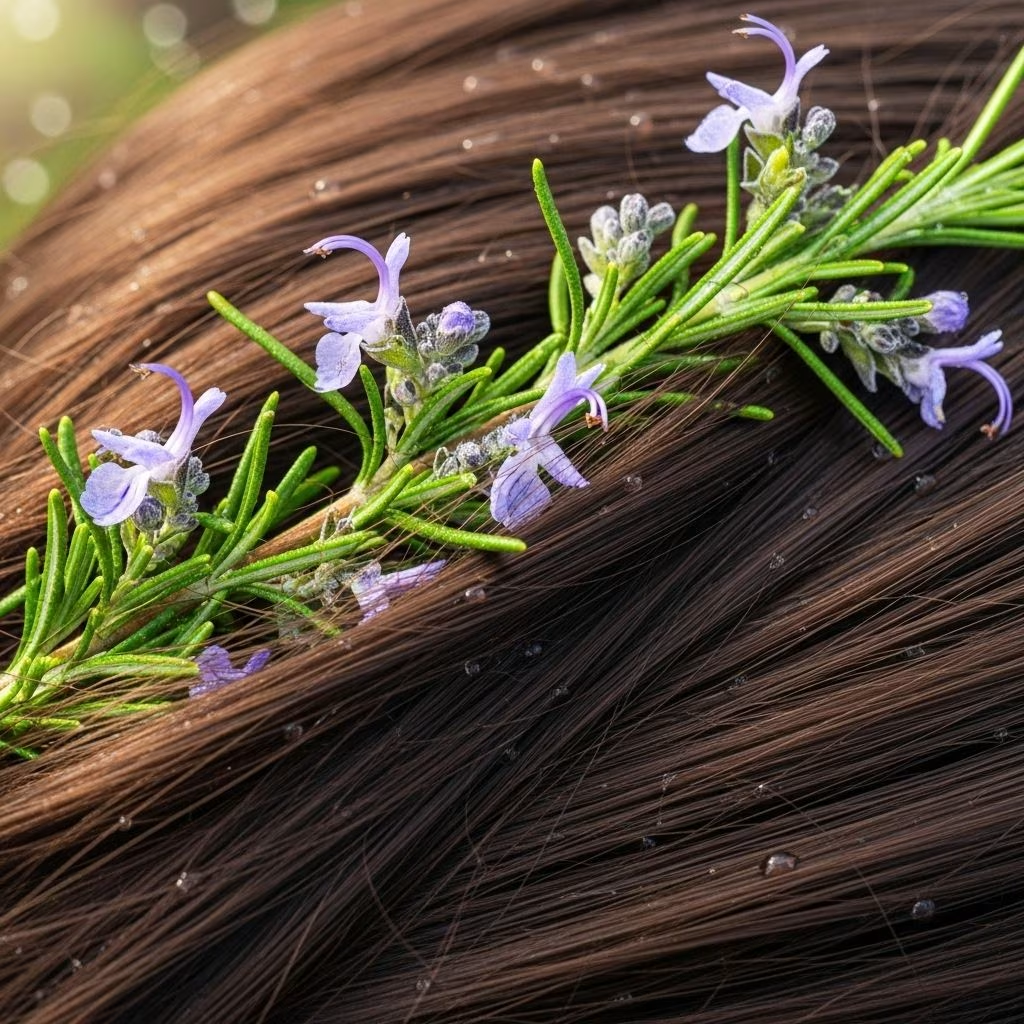
For centuries, rosemary has been more than an aromatic culinary herb—it is deeply interwoven with traditional health, beauty, and medicinal practices around the globe. In recent years, mounting clinical research and modern self-care trends have propelled rosemary, especially rosemary oil, onto the main stage as a promising natural solution for a range of hair concerns, including hair loss, thinning, and scalp irritation. This extensive guide explores everything you need to know about rosemary for hair: from its key active properties and the latest scientific studies to practical methods of use, safety considerations, and real-world application tips.
What Is Rosemary?
Rosemary (Rosmarinus officinalis) is a perennial evergreen herb native to the Mediterranean region. Traditionally used in cooking and natural medicine, rosemary’s fragrant leaves and stems are rich in potent phytochemicals. Today, rosemary is widely available as a fresh herb, dried spice, and highly concentrated essential oil designed for aromatherapy, topical application, and hair or skincare routines.
Key Constituents of Rosemary
- Caffeic acid: Known for antioxidant activity
- Rosmarinic acid: Offers anti-inflammatory benefits
- 12-methoxycarnosic acid: Linked to 5-alpha-reductase inhibition (hormone modulation)
- 1,8-cineole: Promotes circulation and scalp vitality
- Camphor and borneol: Contribute to rosemary’s invigorating scent and microbial defense
These natural compounds underlie rosemary’s broad-spectrum effects on hair and scalp health.
The Science Behind Rosemary’s Hair Benefits
Why is rosemary so often recommended for hair? Multiple studies and traditional uses suggest rosemary oil addresses both the symptoms and root causes of many common hair problems.
Documented Hair Benefits of Rosemary
- Stimulates hair growth: Increases blood flow to the scalp, helping nourish hair follicles and prolong their growth phase.
- Reduces hair loss: Shown in clinical trials to decrease shedding, especially in androgenic alopecia (male/female pattern baldness).
- May delay premature graying: Antioxidant properties help combat oxidative stress, a contributor to early hair aging.
- Dandruff and scalp irritation relief: The anti-inflammatory and antimicrobial actions may reduce flakiness, soothe itching, and promote overall scalp comfort.
- Improves hair quality: Animal studies and anecdotal reports note improvements in hair length, thickness, strength, and shine.
Research on Mechanisms
- Improved micro-circulation: Rosemary relaxes tiny muscles in the scalp, resulting in better blood flow and nutrient delivery to hair bulbs.
- 5-alpha-reductase inhibition: Rosemary extract has been shown to inhibit this hormone-related enzyme, similar to how pharmaceutical agents like finasteride work to slow pattern hair loss.
- Nerve growth support: Compounds in rosemary foster nerve growth factor (NGF) production, vital for healthy scalp innervation and potentially restoring damaged follicles.
How Does Rosemary Oil Work on Hair?
The effectiveness of rosemary oil on hair primarily stems from its ability to address underlying causes of hair loss and scalp conditions.
| Mechanism | Effect on Hair and Scalp |
|---|---|
| Boosts circulation | Nourishes hair follicles, prolongs growth phase |
| Reduces inflammation | Calms scalp irritation, soothes redness |
| Antimicrobial action | Helps control dandruff, keeps scalp healthy |
| Hormonal modulation | May decrease DHT (linked to pattern baldness) |
| Antioxidant support | Protects follicles from environmental stress |
Key Science Takeaway
Rosemary oil acts as a multi-dimensional agent, addressing circulation, inflammation, microbiota, hormones, and structural health—all critical for resilient hair and a balanced scalp.
Clinical Evidence: Rosemary vs. Conventional Treatments
Does rosemary oil work as well as established hair loss medications? Contemporary studies help answer this:
- A 2015 randomized clinical trial compared 1% rosemary oil to 2% minoxidil (the standard ingredient in Rogaine). Over 6 months, participants using either treatment experienced significant increases in hair count with no significant difference in efficacy. In addition, scalp itching was less frequent in the rosemary group.
- Animal research (2023) found that topical rosemary lotion (1%) led to superior hair length, weight, and overall quality versus minoxidil-treated groups.
- Other studies confirm that rosemary can reduce hair loss by inhibiting 5-alpha-reductase, an enzyme essential for the conversion of testosterone into dihydrotestosterone (DHT), a main trigger for androgenic alopecia.
Conclusion: While more research is needed, rosemary oil is currently supported by clinical evidence to be a well-tolerated and comparably effective alternative to many standard hair growth agents, particularly in cases of hormonal or hereditary hair thinning.
How to Use Rosemary for Your Hair
Integrating rosemary oil or extract into your haircare routine can take several forms. Here are the most effective, research-backed methods:
1. Scalp Massage with Rosemary Oil
- Mix 5 drops of rosemary essential oil with 1 teaspoon of carrier oil (such as jojoba, coconut, or olive oil).
- Massage gently into your scalp, focusing on thinning areas.
- Let the oil sit for at least 10 minutes before washing out (or leave overnight if tolerated).
- Repeat 2–3 times per week for best results.
Tip: Always dilute essential oils before applying to the skin to avoid irritation.
2. Add Rosemary Oil to Hair Products
- Stir in 3–5 drops of rosemary essential oil per ounce of shampoo, conditioner, or leave-in cream.
- Use as usual in your routine, ensuring thorough scalp contact during each wash or treatment.
3. DIY Rosemary Rinse
- Steep a handful of fresh or dried rosemary in 2 cups of hot water for 15–20 minutes.
- Strain, cool, and pour the infusion over clean hair and scalp as a final rinse.
- Do not rinse out; allow your hair to air dry for cumulative benefits.
4. Homemade Rosemary Hair Mask
- Mix 2 tablespoons of coconut oil, 1 teaspoon of honey, and 5 drops of rosemary oil.
- Apply evenly to hair and scalp, cover with a warm towel, leave for 30+ minutes, then shampoo out.
- Use weekly to strengthen hair and boost shine.
DIY Rosemary Hair Care Recipes
Simple Rosemary Scalp Stimulating Oil
- 1 tablespoon jojoba oil
- 5 drops rosemary essential oil
- 2 drops peppermint oil (optional, for an extra stimulating effect)
- Mix and apply to the scalp with gentle circular massage.
Herbal Rosemary Vinegar Rinse
- 1 cup apple cider vinegar
- 1 small handful fresh or dried rosemary
- Infuse for at least 2 weeks in a sealed glass jar, then strain.
- Use 2 tablespoons per 1 cup water as a post-shampoo rinse to restore scalp pH and add shine.
Tips for Safe and Effective Use
- Always patch test any product or oil blend on the inside of your wrist before broader use.
- Start slowly—apply treatments 1–2 times per week and observe any reactions before increasing frequency.
- Store essential oils in dark, cool locations away from sunlight to preserve their potency.
- If irritation, redness, or burning develops, discontinue use and wash the area thoroughly.
- Combine rosemary with other nourishing oils (like argan, tea tree, or lavender) for synergistic scalp benefits.
- Consult a dermatologist before starting any new topical regimen, especially if you have sensitive skin, preexisting conditions, or are pregnant/breastfeeding.
Potential Side Effects and Considerations
Rosemary oil is generally well tolerated by most users. However, as with all potent botanicals, some precautions apply:
- Skin irritation: Rare but possible, especially if used undiluted.
- Contact allergy: Always perform a patch test before first use.
- Pregnancy/Breastfeeding: Essential oils should be used with extra caution—consult your health provider first.
- Epilepsy or high blood pressure: High doses of rosemary oil may not be advisable due to stimulating effects—seek medical advice.
Who Should Avoid Rosemary Oil on Hair?
- Individuals with known allergy to rosemary or Lamiaceae family herbs (such as sage, basil, mint).
- Children under 6 years—essential oils should only be used with caution and under medical supervision.
Frequently Asked Questions (FAQs)
Is rosemary oil as effective as minoxidil (Rogaine)?
Research shows rosemary oil can match the hair regrowth benefits of 2% minoxidil over a six-month period, with fewer side effects like scalp itching.
How long does it take to see results from rosemary oil?
Improvements in hair thickness and reduction in shedding may be noticeable within 3–6 months of regular 2–3 times per week use. Patience and consistency are key.
Can rosemary oil prevent gray hair?
Current research is limited, but rosemary’s antioxidant properties may theoretically delay the cellular stress associated with premature graying. More studies are needed.
Is rosemary oil safe for all hair types?
Yes—rosemary oil is compatible with curly, coily, straight, fine, and coarse hair types. Always dilute with a carrier oil for best results and to avoid scalp sensitivity.
Can I leave rosemary oil on my scalp overnight?
If a patch test shows no irritation, leaving a rosemary oil blend overnight can provide intensive nourishment. Be sure to protect your pillowcase and wash out thoroughly in the morning.
Should I use pure rosemary essential oil, or is an extract sufficient?
Both forms provide benefits, but essential oil is more concentrated and potent. Always dilute essential oil with a carrier before scalp application; water-based extracts or DIY infusions are typically milder and good for sensitive skin.
Key Takeaways
- Rosemary oil offers a clinically-supported, natural solution for stimulating hair growth, minimizing loss, and improving scalp health.
- Multiple methods—including scalp massage, product infusion, and herbal rinses—can be tailored to your routine and results sought.
- Patch testing, dilution, and consistent use are vital for best results and safety.
- For severe or persistent hair loss, consult a healthcare provider to explore underlying causes and potential need for broader interventions.
Harness the simple power of rosemary and participate in a tradition that blends ancient wisdom with modern science for vibrant, healthy hair.
References
- https://www.healthline.com/health/rosemary-oil-for-hair
- https://tisserandinstitute.org/learn-more/rosemary-essential-oil-hair-growth-promotion/
- https://pmc.ncbi.nlm.nih.gov/articles/PMC11549889/
- https://health.clevelandclinic.org/rosemary-oil-for-hair
- https://pubmed.ncbi.nlm.nih.gov/25842469/
- https://www.pharmacist.com/Blogs/CEO-Blog/Article/rosemary-oil-for-hair-loss


