


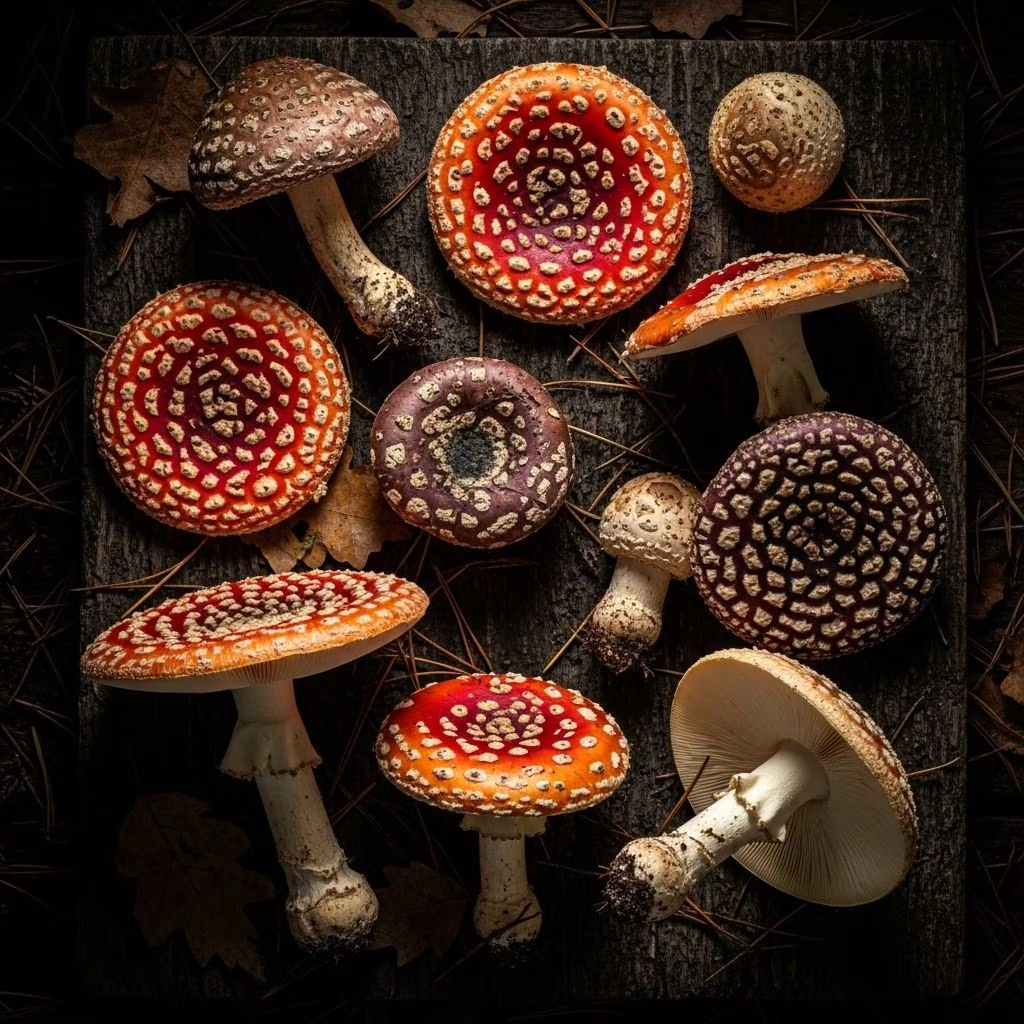
Serious Side Effects of Mushrooms on Your Health
Mushrooms, cherished for their culinary, medicinal, and recreational uses, are consumed worldwide by millions. However, not all mushrooms are harmless, and even commonly eaten varieties can have adverse effects in certain individuals. Some can provoke minor digestive upsets, while others—especially wild or misidentified mushrooms—can cause symptoms as severe as liver failure or life-threatening allergic reactions. Understanding the risks is vital to making informed decisions about your diet and wellness.
Introduction to Mushroom Side Effects
While mushrooms provide various nutrients and can be beneficial in moderation, their consumption is not risk-free. Risks range from mild digestive upset to severe poisoning and psychological disturbances. Edible mushrooms can trigger allergies or interact with medications, and some compounds in mushrooms may not be suitable for everyone. Most importantly, mushroom identification errors can have serious, sometimes deadly, consequences.
1. Mushroom Poisoning and Toxicity
Perhaps the gravest risk associated with mushroom consumption is accidental poisoning due to ingestion of toxic varieties that closely resemble edible mushrooms. Poisonous species such as Amanita phalloides (the “death cap”) contain lethal toxins that can cause irreversible organ failure.
- Symptoms of Mushroom Poisoning:
- Severe nausea and vomiting
- Abdominal pain and diarrhea
- Muscle spasms or weakness
- Confusion, delirium, or hallucinations
- Dizziness, fainting, or convulsions
- Difficulty breathing
- Liver and kidney failure in severe cases
- Key Facts:
- Toxic look-alikes are common, especially for foragers and untrained pickers.
- Symptoms can be delayed hours after consumption, and may worsen rapidly.
- Children’s Risks: Children are especially vulnerable due to lower body mass and a greater tendency to ingest wild items. Any accidental consumption requires immediate medical attention.
| Signs of Mushroom Poisoning: Compare Adults vs. Children | |
|---|---|
| Adults | Children |
| Severe headache, gastrointestinal distress, muscle weakness, confusion, increased heart rate | Vomiting, diarrhea, lethargy, confusion, rapid onset symptoms |
| Restlessness, agitation, abdominal pain, dilated pupils, elevated BP | Muscle spasms, difficulty breathing, loss of consciousness |
Note: Poisoning symptoms require emergency intervention. Never consume wild mushrooms unless identified by a trained expert.
2. Allergic Reactions
Some individuals may develop allergic reactions after ingesting or even handling mushrooms. These reactions result from proteins and spores that trigger the immune system.
- Common Symptoms:
- Itching or swelling of the lips, tongue, or throat
- Hives, skin rashes, or redness
- Gastrointestinal upset (nausea, vomiting, diarrhea)
- Respiratory symptoms (wheezing, shortness of breath)
- Severe reactions: In rare cases, anaphylaxis can occur, which is an immediate medical emergency characterized by difficulty breathing, rapid heartbeat, and sudden drop in blood pressure.
Those with known mushroom or mold allergies should avoid all forms of mushrooms.
3. Digestive Disturbances
Raw or improperly cooked mushrooms can irritate the digestive system and lead to symptoms such as:
- Stomach cramps or bloating
- Nausea or vomiting
- Diarrhea
- Gas and flatulence
Certain varieties, like shiitake, may cause shiitake dermatitis when eaten raw—an inflammatory skin condition linked to indigestible polysaccharides. Some individuals lack the enzymes needed to break down the fiber (chitin) in mushroom cell walls, resulting in discomfort.
Older individuals, those with sensitive gastrointestinal tracts, or people with digestive disorders should eat mushrooms cooked and in moderation to minimize these risks.
4. Hallucinations and Mental Health Effects
Recreational use of “magic mushrooms” (containing psilocybin) can result in hallucinations and profound psychological changes. Psilocybin is a psychedelic compound that acts on serotonin receptors in the brain, producing altered perception, euphoria, and sometimes frightening or dangerous experiences.
- Acute mental effects: Hallucinations, paranoia, anxiety, panic attacks, delusions, distorted sense of time, and impaired judgment.
- Risks of a ‘Bad Trip’: High doses, an unpredictable environment, or underlying mental health issues can result in panic or psychosis, leading to risky behaviors or self-harm.
- Long-term effects: There is little research on persistent mental health consequences, though flashbacks or exacerbation of psychiatric disorders have been reported in some cases.
- Physical symptoms: Numbness, muscle twitching, increased heart rate and blood pressure, dry mouth, sweating, and dilated pupils are common.
| Short-term Effects | Risks/Complications |
|---|---|
| Impaired perception, euphoria, sensory distortion | Panic attacks, risky behavior, mood disturbances |
| Numbness, dry mouth, increased heart rate | Increased blood pressure, loss of urinary control, convulsions |
Combining psilocybin mushrooms with other substances (such as cannabis or alcohol) heightens the risk of adverse effects.
5. Skin Reactions
Certain mushrooms may cause skin irritation or rashes, either from touching them or as a result of a reaction after ingestion.
- Contact dermatitis from spores or mushroom juice can present as redness, itching, or hives.
- Shiitake dermatitis results in linear streaks or rashes after ingestion of raw or undercooked shiitake mushrooms.
- Photosensitivity—a heightened skin reaction to sunlight—may occur rarely.
6. Drug Interactions
Mushrooms, particularly those used medicinally such as reishi or shiitake, can interact with certain pharmaceuticals. These interactions may enhance, diminish, or unpredictably alter the efficacy of medications.
- Potential interactions:
- Anticoagulants (blood thinners)
- Immunosuppressive drugs
- Antidiabetic medications
- Other serotonergic drugs if consuming psilocybin mushrooms
- Combining mushrooms with alcohol or CNS depressants increases the risk of unpredictable effects.
Always consult a healthcare provider before using mushroom supplements or medicinal mushrooms if you take prescription drugs or have chronic health conditions.
7. Nutrient Malabsorption
Though rare, excessive mushroom consumption may impair nutrient absorption due to compounds like oxalates or the indigestible polysaccharide chitin found in some mushrooms. Over time, this may interfere with the uptake of certain minerals (such as calcium or magnesium).
- High oxalate content in some wild mushrooms can contribute to kidney stone formation in susceptible individuals.
- People with kidney disorders should avoid excessive consumption of these varieties.
Frequently Asked Questions (FAQs)
Q: Are all mushrooms safe to eat if they are cooked thoroughly?
A: No. While cooking can reduce some toxins, it does not neutralize all dangerous compounds. Many poisonous species remain toxic and potentially deadly after cooking.
Q: Can touching wild mushrooms cause side effects?
A: While most poisonous mushrooms must be ingested to cause harm, some may cause skin irritation or allergic reactions upon contact. Always wash your hands thoroughly after handling wild mushrooms.
Q: Are the side effects from medicinal or edible mushrooms common?
A: Most people can eat culinary mushrooms without side effects. However, digestive upset, allergies, or individual intolerances do occur, especially with large amounts or in sensitive individuals.
Q: What should I do if I suspect mushroom poisoning?
A: Seek immediate medical care. If possible, bring the mushroom sample for identification. Early treatment drastically improves outcomes in cases of poisoning.
Q: What precautions can minimize mushroom-related side effects?
A: Only consume mushrooms from trusted sources, avoid wild foraging unless highly trained, cook thoroughly, introduce new types in small amounts, and consult your doctor if you’re taking medications or have underlying health issues.
Conclusion
Mushrooms are widely enjoyed for their flavor and health benefits, but there are real risks—from poisoning and allergies to digestive and neurological effects—that should be understood and respected. It is crucial to identify mushrooms accurately, use them sensibly, and pay attention to individual reactions to avoid potentially serious health consequences.
References
- https://calpoison.org/about-magic-mushrooms-psilocybin-safety
- https://www.canada.ca/en/health-canada/services/substance-use/controlled-illegal-drugs/magic-mushrooms.html
- https://www.medicalnewstoday.com/articles/308850
- https://healthyliferecovery.com/long-term-effects-of-mushrooms/
- https://www.webmd.com/vitamins/ai/ingredientmono-1654/psilocybin
- https://www.betterhealth.vic.gov.au/health/healthyliving/mushroom-poisoning
- https://talktofrank.com/drug/magic-mushrooms


