


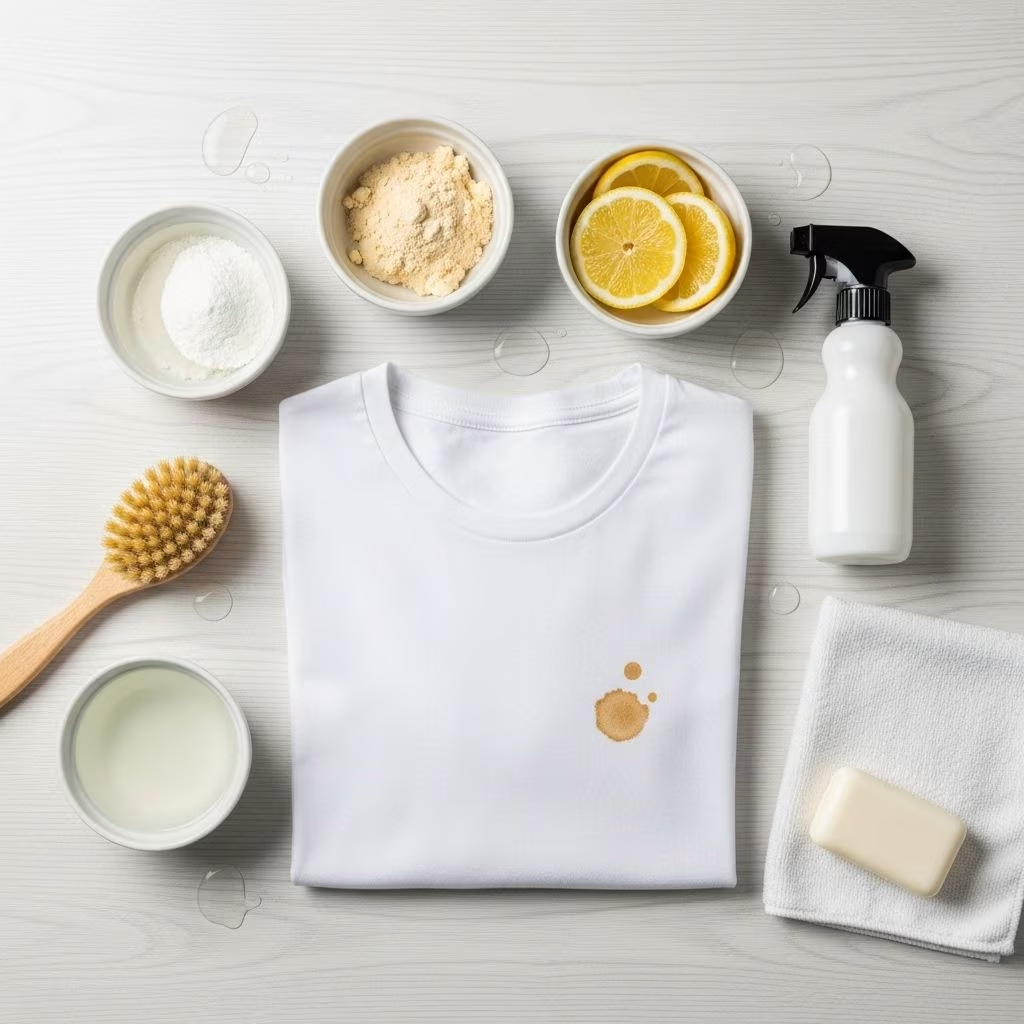
Stain Removers for Clothes: Effective Home Remedies & Tips
Dealing with stains can be one of the most frustrating aspects of fabric and garment care. Whether it’s a splash of coffee on your favorite shirt or stubborn grass marks on your child’s jeans, understanding how to tackle stains quickly and effectively is essential for maintaining your wardrobe. This comprehensive guide explores practical and natural methods for removing stains from clothing, emphasizes safe home solutions, and provides expert insights for every type of fabric.
Understanding Different Types of Stains
The first step in stain removal is identifying the type of stain. This determines the best treatment method, ensuring effective removal without damaging your fabrics. Stains can generally be categorized as follows:
- Protein-based stains: blood, sweat, dairy, eggs, urine
- Grease and oil stains: butter, salad dressing, cooking oil
- Tannin stains: coffee, tea, wine, fruit juice
- Dye stains: ink, grass, food coloring
- Combination stains: involve more than one type, such as chocolate (combining oil and sugar)
Factors to Consider Before Treating Stains
- Fabric type: Always check the garment’s care label. Some fabrics (like silk or wool) require extra caution and may be unsuitable for certain cleaning agents.
- Color fastness: Test any stain remover on an inside seam or hidden spot to ensure it won’t bleach or discolor your clothing.
- Time: The sooner you treat a stain, the greater your chances of complete removal.
General Principles of Stain Removal
Following a systematic process can dramatically increase your stain removal success:
- Act quickly: Blot (do not rub) to absorb as much of the stain as possible immediately. Use tissue, cotton, or a clean towel.
- Avoid heat: Never use hot water or tumble dry until the stain is completely gone, as heat can set many stains permanently.
- Work from the outside: Always treat from the outside of the stain inward. This helps prevent spreading and ring formation.
- Handle delicate fabrics carefully: For silks, wools, or dry-clean-only items, consider professional cleaning for stubborn stains.
Homemade Stain Remover Solutions
Many stains can be removed using safe, homemade solutions that avoid harsh chemicals. These remedies are cost-effective, easy to mix, and often already available at home.
All-Purpose Homemade Stain Remover
- Mix equal parts of white vinegar, dishwashing liquid detergent, and water.
- Apply the solution using a cotton cloth to food stains and gently rub.
For Protein-Based Stains (Blood, Eggs, Dairy, Urine)
- Mix equal parts of ammonia, hydrogen peroxide, dishwashing liquid detergent, and water.
- Blot the stain first, then dab with the solution. Rinse thoroughly with cold water.
- For urine stains specifically, treat promptly for the best outcome.
Alternative Spot Removers
- Combine 1 tablespoon glycerine, 1 tablespoon dish detergent, and 1 cup water for stubborn spots.
- Blot onto the stain and let it sit a few minutes before rinsing.
Safe Use of Mild Bleaches
- Rubbing alcohol, hydrogen peroxide, lemon juice, and vinegar act as mild bleaches.
- Always use only on colourfast fabrics, and test first in an inconspicuous area.
- Never mix vinegar or ammonia with commercial bleach due to the risk of toxic fumes.
Effective Application Techniques
For best results, follow these general steps, adjusting based on the type of stain and the fabric involved:
- Remove excess: Scrape or blot away solids or excess liquids before applying any cleaning solution.
- Apply treatment: Dab or gently rub using a soft cloth soaked in your chosen solution.
- Let sit: Allow the solution to penetrate for several minutes (up to 15 minutes for stubborn stains).
- Rinse or blot: Rinse with cool water or blot with a damp cloth to remove both the stain and cleaning agent.
- Repeat if needed: Some stains require multiple treatments before they disappear entirely.
Commercial Stain Remover Products
While homemade options are often effective, there are times when commercial stain removers or specialty products offer superior results, especially for persistent or complex stains. Here are a few popular choices:
- Stain Sticks: Handy for instant stain treatment. Simply rub on fresh spills and follow care instructions. They are available in many stores and are particularly effective for food and drink stains. Some brands also work on dry-clean-only garments.
- Specialty Stain Removal Sticks/Spot Cleaners: For example, dry cleaning sticks such as the Janie Stick Spot Cleaner are solvent-free and suitable for all fabrics, including silk and dry-clean-only items. Other products, like the Dritz Magic Wand Stain Remover Stick, are best for machine-washable garments.
- Detergent boosters and oxygen-based cleaners: Powder or liquid products designed to be added during pre-soaking or washing to target stubborn stains.
| Type | Pros | Cons |
|---|---|---|
| Homemade Solutions | Inexpensive, non-toxic, readily available | May require multiple treatments, less effective on old or set stains |
| Commercial Removers | Powerful, tailored for stain types, often fast-acting | Potentially harsher chemicals, higher cost, risk to delicate fabrics |
Treatment by Stain Type
Every stain responds best to a specific method. See below for the most common types and their tailored remedies:
Protein-Based Stains (Blood, Sweat, Dairy, Eggs, Urine)
- Rinse promptly with cold water.
- Apply a paste of baking soda and cold water if stain persists.
- For older stains, use the ammonia solution described earlier.
Oil and Grease Stains
- Sprinkle cornstarch, talcum powder, chalk, or baking soda on the fresh stain to absorb grease.
- Let sit 10 minutes, brush off, then treat with mild dish detergent or a homemade remover.
- Rub gently into fabric, wash as usual.
- As a last resort, use kerosene or turpentine, being aware these can leave lingering odors or new stains.
Tannin Stains (Coffee, Tea, Wine)
- Blot immediately, then flush with cold water.
- Apply vinegar or the all-purpose remover.
- Launder normally.
Dye Stains (Ink, Grass, Food Colors)
- Most ink stains respond to alcohol-based cleaners (like rubbing alcohol, hand sanitizer, or even hairspray).
- Grass stains can be pretreated with a mix of vinegar and detergent.
- Wash as usual, repeating the application if needed.
Combination Stains (Chocolate, Gravy, Lipstick)
- Treat the oily component first (blot or sprinkle absorptive powder), then tackle remaining color or tannin with a cleaning solution.
Dry-Clean-Only and Delicate Fabrics
- Always test stain removers in a hidden area first.
- For unwashable fabrics, use a dry cleaning solution (mix 1 teaspoon mineral oil to 8 teaspoons dry cleaning solvent) for spot removal.
- Never saturate delicate fabrics. Gently dab and blot dry.
How to Use Commercial Bleach Safely
Bleach is effective for whitening and disinfecting but must be handled with care to protect both fabric and user:
- Check the clothing care label—bleach is not suitable for all fabrics.
- Use only on whites or colorfast fabrics.
- Never mix with vinegar or ammonia due to hazardous off-gassing.
- Follow product instructions closely and rinse thoroughly after use.
Natural Stain Removal Tips for White Clothes
- Apply lemon juice and dry in sunlight to whiten and brighten.
- Regularly use mild bleach alternatives, such as baking soda or hydrogen peroxide.
- Prevent re-soiling by rinsing whites promptly after use.
Special Care for Common Stain Scenarios
Unwashable or Delicate Garments
- Dab stains with specialized spot removers or dry cleaning solvents.
- Never scrub or apply heat.
- Consider professional dry cleaning if you’re unsure about home treatments.
Quick Tips for Stain Emergencies
- Carry a travel-sized stain stick for on-the-go emergencies.
- Use cold water and a tissue to blot fresh spills as soon as possible.
- Keep baking soda, vinegar, and dishwashing liquid available at home for mix-and-match stain troubleshooting.
Frequently Asked Questions (FAQs)
What is the safest stain remover for colored fabrics?
Homemade solutions made with mild dish detergent, white vinegar, and water are safe for most colored, colourfast fabrics. Always test a small hidden area to check colorfastness first.
Can homemade remedies replace commercial stain removers?
Yes, for many stains, natural home remedies work just as well as commercial products, particularly for fresh, food-based stains. However, severe or old stains and certain dyes may require commercial cleaners or professional help.
How do you remove oil-based stains without harsh chemicals?
Apply a powder (such as baking soda or cornstarch) to absorb the oil, then brush away the residue. Follow up with a solution of dishwashing liquid and water for best results.
What should I avoid when treating stains?
Avoid using hot water (unless treating oily stains), rubbing or scrubbing vigorously (to prevent spreading and fabric damage), and mixing ammonia or vinegar with bleach, which can produce dangerous fumes.
Is it possible to remove all types of stains?
Most common stains can be removed with quick action and proper treatment. However, some permanent dyes, dried paint, or very old stains might not be fully removable, especially on delicate or non-washable fabrics.
Pro Tips for Best Stain Removal Results
- Always act fast—fresh stains are easiest to remove.
- Keep a basic stain removal kit (white vinegar, baking soda, dish soap, rubbing alcohol, mild bleach) at home.
- Know your fabrics! When in doubt, consult the care label and never risk harsh chemicals on delicates.
- For persistent stains, repeat treatment rather than using excessive force or heat.
Conclusion
Effective stain removal doesn’t require expensive or harsh chemicals—most common stains can be managed with straightforward home remedies, safe techniques, and quick action. By understanding the types of stains, the right method for each fabric, and the secrets of homemade removers, you can keep your clothes fresh, clean, and looking their best for years to come.
References
- https://www.youtube.com/watch?v=3pS832hc3z0
- https://tide.com/en-us/how-to-wash-clothes/how-to-remove-stains
- https://sewguide.com/ink-stain-removal/
- https://sewguide.com/stain-removers/
- https://sewguide.com/remove-urine-smell-stain-from-clothes/
- https://sewguide.com/washing-whites/
- https://sewguide.com/detergents-and-cleaning-products/
- https://sewguide.com/how-to-use-bleach-on-clothes/
- https://www.cleaninginstitute.org/cleaning-tips/clothes/stain-removal-guide


