


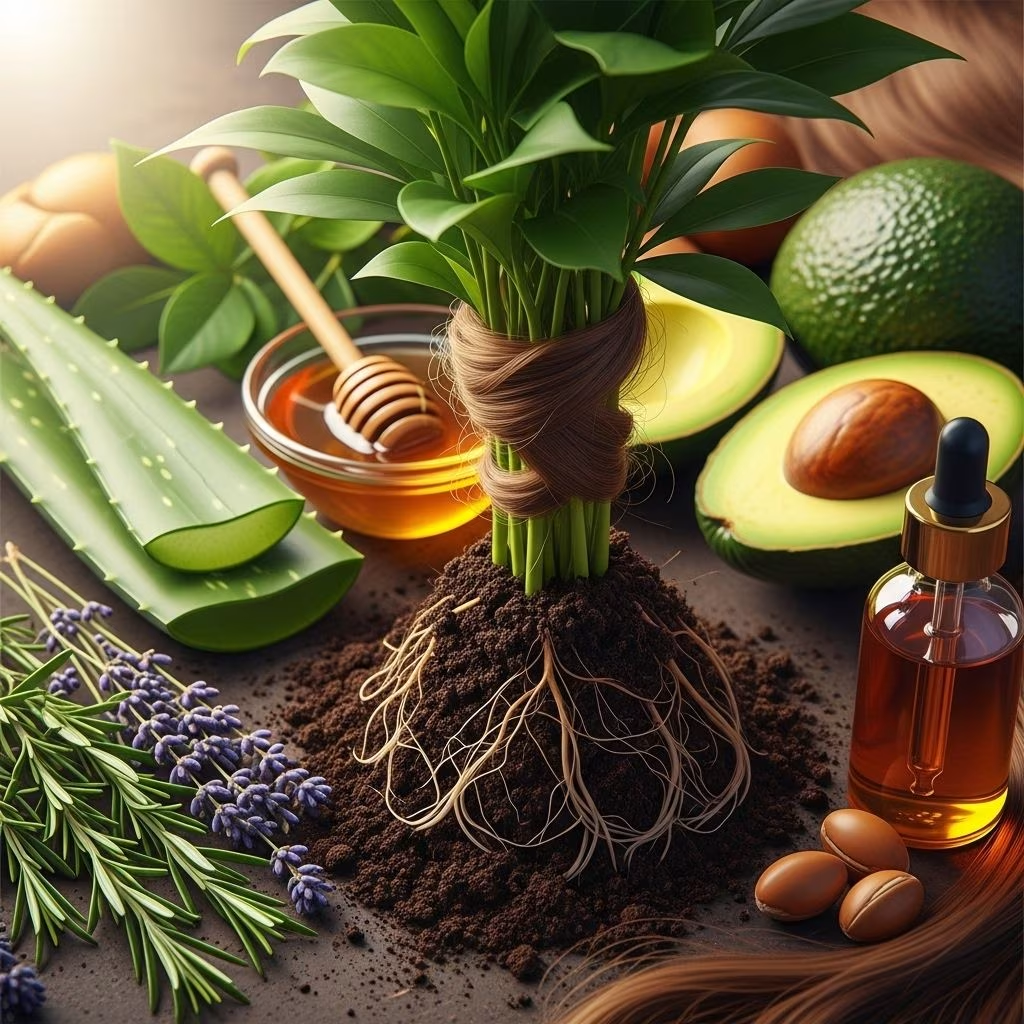
Natural Remedies for Hair Loss: Safe Solutions for Stronger, Healthier Hair
Hair loss is a widespread concern affecting millions globally. While genetics, stress, and health conditions all play a role, the rise of harsh, chemical-based products has sparked interest in gentler alternatives. Natural remedies, especially those rooted in traditional plant oils and holistic practices, offer a promising, safer approach. This article explores the benefits of using natural oils for hair health, contrasts chemical-based products with natural options, and provides actionable strategies for controlling hair fall naturally.
Benefits of Natural Remedies for Hair Loss
Natural remedies provide a holistic solution to hair loss by addressing the health of both the scalp and hair shaft. Unlike chemical-laden options, natural oils nourish deeply, presenting a lower risk of irritation or side effects. Their blend of vitamins, essential fatty acids, and antioxidants strengthens hair from the roots up, encouraging healthy growth, preventing breakage, and maintaining a well-nourished scalp.
- No Harsh Chemicals: Natural oils are free from parabens, phthalates, and synthetic fragrances, reducing the risk of allergic reactions and hormone disruptions.
- Nourishment and Strength: Rich in essential nutrients, these oils deeply condition hair follicles, promoting strength and shine.
- Scalp Health: Many natural oils possess anti-inflammatory and antimicrobial properties that soothe the scalp and prevent dandruff.
- Stimulate Hair Growth: Improved blood circulation and enhanced follicle activity support thicker, healthier hair growth.
- Gentle for Sensitive Scalps: Their chemical-free composition minimizes irritation and dryness, making them suitable for all skin types.
Why Avoid Chemical-Based Hair Oils?
Many over-the-counter hair oils contain synthetic compounds that can do more harm than good. Chemical additives, preservatives, and artificial scents are commonly present and may trigger a variety of problems for your scalp and hair health.
- Scalp Irritation: Chemicals can inflame and dry out the scalp, leading to itching, redness, and sensitivity.
- Allergic Reactions: Added fragrances and preservatives may provoke allergic contact dermatitis.
- Brittleness and Breakage: Stripping natural oils from the scalp leaves hair fragile and prone to breakage.
- Follicle Clogging: Product buildup can block hair follicles, causing dandruff and hindering hair growth.
- Hormonal Disruption: Parabens and phthalates are linked to hormonal imbalances that may contribute to further hair loss.
- Environmental Impact: Wash-off chemicals pollute water systems and harm aquatic life.
| Aspect | Chemical-Based Oils | Natural Oils |
|---|---|---|
| Ingredients | Synthetic additives, preservatives | Plant-derived, chemical-free |
| Risks | Allergies, hormone disruption, buildup | Minimal, suitable for sensitive scalps |
| Benefits | Fragrance, temporary shine | Strengthening, nourishment, scalp health |
| Long-Term Effect | Potential for increased hair loss | Supports sustained hair growth |
Natural Oils for Hair Loss Control
Natural oils have long been valued in traditional medicine for their ability to restore hair strength, shine, and volume. Among the most effective and widely recommended are coconut oil, castor oil, and almond oil. Each offers unique properties that address hair loss from different angles.
Coconut Oil
Coconut oil is a powerhouse for hair care, celebrated for its rich content of fatty acids and antioxidants. Unlike many oils, coconut oil’s structure allows it to deeply penetrate the hair shaft, minimizing protein loss and repairing damaged cuticles. Lauric acid, one of its primary compounds, offers strong antimicrobial properties, helping to combat dandruff and maintain a healthy scalp environment.
- Deep hydration prevents dryness, flakiness, and itching.
- Reduces hair breakage and split ends by strengthening hair from within.
- Imroves overall texture, leaving hair smoother and shinier.
- Supports healthy scalp circulation through regular massage, possibly aiding new growth.
- Benefits those with frizzy, damaged, or highly processed hair.
Using organic, cold-pressed coconut oil is recommended for the best results. Regular use is gentle enough for sensitive skin types and helps maintain strong, vibrant hair over time.
Castor Oil
Castor oil is revered for its ability to promote hair growth and strengthen strands. It is rich in ricinoleic acid, which improves scalp blood flow and supplies follicles with essential nutrients. This promotes the growth of thicker, denser hair.
- Contains vitamin E, omega-6 fatty acids, and proteins that nourish the scalp.
- Has antibacterial and antifungal properties for a healthy scalp.
- Thick consistency makes it an excellent natural conditioner, locking in moisture and softness.
- Reduces breakage, split ends, and scalp flakiness.
- Particularly suitable for those with thinning hair or slow growth.
Apply organic, cold-pressed castor oil in small amounts, as its thick texture can be difficult to wash out if overused. For best absorption, warm the oil slightly before massaging into the scalp.
Almond Oil
Almond oil is a light, nutrient-rich oil packed with vitamin E, magnesium, and omega fatty acids. It revitalizes dull, weak hair and soothes an irritated scalp.
- Light texture enables easy application and quick absorption.
- Moisturizes and softens hair without feeling greasy.
- Reduces scalp inflammation and itching.
- Protects hair from environmental stressors and damage.
- Can help to reduce split ends and add shine.
Almond oil is ideal for those seeking a gentle, nourishing solution for maintaining scalp health and enhancing hair manageability. Use as a pre-shampoo treatment or light leave-in serum.
Tips to Boost Natural Hair Growth
Integrating natural oils into your hair care is most effective when combined with a holistic approach. Simple lifestyle changes and scalp care routines can amplify hair growth and overall health.
- Regular Scalp Massage: Stimulates blood flow, delivers nutrients to follicles, and encourages new hair growth. Use firm but gentle circular motions with fingertips for 5-10 minutes daily.
- Balanced Diet: Consume foods rich in proteins, biotin, vitamin E, and omega-3 fatty acids (such as nuts, seeds, eggs, spinach, and fatty fish) to support the growth cycle.
- Stress Management: Practice relaxation techniques like meditation, yoga, and deep breathing to lower cortisol levels that can disrupt hair growth.
- Avoid Overwashing: Frequent shampooing strips natural oils; wash hair 2-3 times a week using a gentle, sulfate-free shampoo.
- Protect Hair from Heat: Minimize heat styling tools, and always use a natural heat-protectant before blow drying or straightening.
- Gentle Styling: Use wide-tooth combs, avoid tight hairstyles, and refrain from brushing wet hair to prevent breakage.
- Hydration: Drink plenty of water to maintain scalp moisture and prevent dryness.
DIY Natural Hair Oil Recipes
- Nourishing Blend: Mix equal parts coconut, castor, and almond oil. Warm gently and massage into scalp. Leave for at least an hour or overnight before shampooing.
- Stimulating Oil: Combine castor oil with a few drops of rosemary essential oil to boost circulation and encourage growth.
- Soothing Scalp Serum: Blend almond oil with a few drops of tea tree oil for dandruff-prone or irritated scalps.
Frequently Asked Questions (FAQs)
Q: How often should I apply natural oils for hair growth?
A: For best results, apply your chosen oil 2-3 times per week. Leave it on for a minimum of one hour or, ideally, overnight before washing out with a gentle shampoo.
Q: Can natural oils cure genetic hair loss or baldness?
A: Natural oils can improve hair strength, thickness, and scalp condition but cannot fully reverse genetic baldness (androgenetic alopecia). They can, however, slow the process and enhance hair health in most individuals.
Q: Are natural oils safe for color-treated or chemically processed hair?
A: Yes. Organic, cold-pressed oils help repair and hydrate damaged hair. Coconut and almond oils are especially beneficial, but always patch-test first to rule out any allergies.
Q: What is the best way to wash out heavy oils like castor oil?
A: Apply a mild, sulfate-free shampoo on dry, oiled hair, add water gradually, and massage well to emulsify before rinsing. This process helps remove thick oils without stripping the hair’s moisture.
Q: Can switching to natural oils cause initial hair shedding?
A: Some people may notice increased shedding when they first switch, as new hair cycles are stimulated and dormant follicles are reactivated. This is usually temporary and a sign that follicles are responding to nourishment.
Conclusion
Relying on natural remedies such as coconut, castor, and almond oil offers a gentle, sustainable solution to hair loss. These oils deeply nourish, strengthen, and promote healthy hair growth, while avoiding the harmful effects associated with synthetic chemicals. By addressing hair care holistically—incorporating proper nutrition, stress reduction, and scalp massage—you can support a fuller, healthier head of hair over time. Consistency and patience yield the best results, making natural remedies a wise investment in your long-term hair vitality.


