


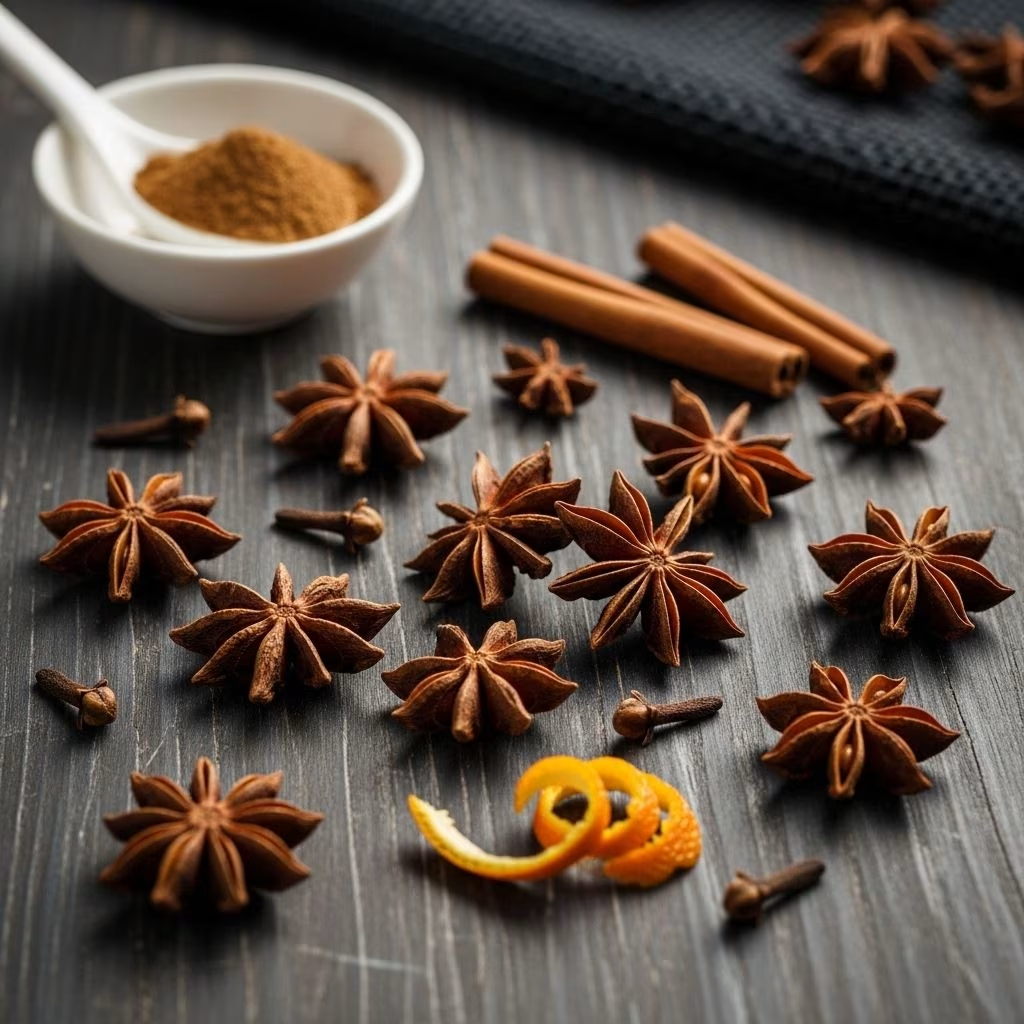
Star anise, with its iconic star-shaped pods and intense licorice aroma, is more than just a striking spice. Used for centuries in both the culinary and medicinal traditions of East and Southeast Asia, star anise is celebrated for its unique flavor profile, health benefits, and broad range of uses in kitchens worldwide. This comprehensive guide explores what star anise is, its history, nutritional benefits, culinary applications, flavor pairings, and much more.
Introduction to Star Anise
Star anise (Illicium verum) is a spice native to China and Vietnam, renowned for its distinctive eight-pointed star shape and poignant, sweet-licorice scent. Though visually captivating, its appeal goes far deeper, infusing dishes with a flavor that is at once sweet, warm, and just a touch spicy.
Botanical Origins & Description
The star anise tree is an evergreen that belongs to the Schisandraceae family. Its fruit — the true star anise pod — is harvested just before ripening, then sun-dried until it hardens and develops its reddish-brown hue and woody texture.
- Native Region: Primarily southern China and northern Vietnam.
- Shape: Each pod contains 6–10 radiating points (‘arms’), usually eight, each containing a single aromatic seed.
- Aromatic Compounds: Rich in anethole, the same compound found in anise seed, responsible for its sweet, licorice-like aroma.
History and Cultural Significance
Star anise has been a staple spice in Asian cookery and medicine for centuries. Traditionally, it played an important role in Chinese herbal medicine and was often used to freshen breath, enhance digestion, and treat coughs and colds. By the 17th century, trade routes carried star anise from Asia to Europe, where it was quickly adopted for both culinary and medicinal purposes — showing up in European desserts, syrups, and mulled beverages.
Flavor Profile: What Does Star Anise Taste Like?
The defining taste of star anise is a vibrant, sweet licorice flavor, underpinned by notes that are warm, aromatic, and reminiscent of clove and cinnamon. Its potent aroma is often described as:
- Sweet — reminiscent of licorice or fennel, but bolder and more aromatic.
- Spicy — a hint of pepper warmth, but not overtly hot.
- Herbal — subtle notes similar to anise, but deeper due to woody undertones.
The flavor is intense, so whole pods are usually infused into liquids and removed before serving. Used judiciously, star anise can transform both savory and sweet creations from ordinary to extraordinary.
Nutritional Value and Health Benefits
Star anise is valued not just for its aroma but also its array of beneficial plant compounds. Although usually consumed as a spice in small quantities, it remains prized in traditional medicines for the following benefits:
- Antimicrobial Action: Contains shikimic acid, a key precursor in the production of influenza drugs, and exhibits antimicrobial and antifungal effects.
- Antioxidant Properties: High in polyphenols and flavonoids, which help neutralize harmful free radicals.
- Digestive Aid: Traditionally used to soothe the digestive tract, relieve bloating, and promote appetite.
- May Support Immune Health: Used in traditional practices for its perceived antiviral and immune-enhancing properties.
- Rich in Minerals: Contains low levels of iron, calcium, and magnesium.
Important Note: While star anise has promising health benefits, the scientific evidence supporting its effects in humans — especially through dietary use — is limited. It should not be used as a replacement for proven medical treatments.
Culinary Uses: Cooking with Star Anise
Star anise is famed for its crucial role in East and Southeast Asian cuisines. Its applications extend broadly, adding aromatic complexity and subtle sweetness to broths, meats, desserts, and beverages. Below are some of the main culinary uses:
1. Spice Blends
- Chinese Five-Spice Powder: Star anise is the backbone of this blend, joined by cinnamon, cloves, fennel, and Sichuan peppercorns.
- Garam Masala: In some Indian recipes, ground star anise contributes warmth and depth.
2. Savory Dishes
- Broths & Soups: Essential ingredient in Vietnamese pho, Chinese beef noodle soup, and other slow-simmered broths.
- Braises & Stews: Enhances meat dishes like red-braised pork, braised short ribs, and star anise ginger chicken (see recipe summary below).
- Poultry & Game: Infuses flavor when added to the poaching liquid of duck, chicken, or Cornish hens.
3. Sweet Dishes & Baked Goods
- Desserts: Used in spiced cookies, cakes, plum jam, apple compotes, and marmalades.
- Beverages: Infuses chai, mulled wine, hot chocolate, honeyed milk, and cocktails for depth and warmth.
4. Global Creative Uses
- DIY Sauce: Adds backbone to sauces like Chinese XO sauce.
- Coffee & Teas: Can be ground and brewed with coffee beans or added to herbal teas for a unique twist.
- Pickling & Jams: Used in pickling liquids and fruit preserves to impart a layer of warming spice.
Recipe Highlight: Star Anise and Ginger Braised Chicken
This traditional dish combines star anise, ginger, soy sauce, and a splash of citrus to create savory, aromatic chicken that tastes even better made ahead:
- Brown chicken pieces in oil, add ginger, garlic, and spices including star anise.
- Braise with soy sauce, stock, honey, and citrus juice, simmering until tender.
- Remove the spice pods before serving for a flavorful braise with deep, complex notes.
Flavor Pairings and Substitutions
Star anise’s distinctive taste pairs exceptionally well with both sweet and savory ingredients. Here are notable pairings and suggested substitutions:
| Ingredient | Resulting Flavor |
|---|---|
| Cinnamon | Adds warmth and sweetness; classic in spiced desserts |
| Ginger | Intensifies spice and complexity in curries and teas |
| Cardamom | Balances sweet and spicy elements in baking and braises |
| Cloves | Deepens the background spice profile |
| Orange zest | Brightens mulled drinks and desserts |
| Chocolate | Creates an exotic twist in puddings and sauces |
If star anise is unavailable, a small amount of anise seed or fennel seed can be used as substitutes, though the flavor will be somewhat less intense.
Buying, Storing, and Preparing Star Anise
- Whole vs. Ground: Whole pods retain flavor longer and are preferred for simmered dishes; ground star anise is potent but loses aroma more quickly.
- Storage: Keep in an airtight container, away from heat, light, and moisture. Whole pods last up to 1–2 years.
- Selection Tips: Choose pods that are unbroken, with consistent rich brown color and a strong sweet fragrance.
- Preparation: For infusing, add whole pods directly to liquids; for baking or spice blends, gently crush or grind before use. Always remove hard pods before serving.
Potential Concerns and Side Effects
- Japanese Star Anise Warning: Japanese star anise (Illicium anisatum) is highly toxic and not for culinary use. Only use Chinese star anise from reputable suppliers.
- Infant Safety: Herbal teas containing star anise are not recommended for infants or young children unless specifically formulated and screened for contamination.
- Allergic Reactions: Though rare, allergies to anise-like herbs and spices are possible.
Frequently Asked Questions (FAQs)
Q: Is star anise the same as anise seed?
A: No. Star anise and anise seed have similar flavors but come from different plants and regions. Star anise is from the Illicium verum tree in Asia; anise seed (Pimpinella anisum) is a Mediterranean herb.
Q: Can you eat the whole star anise pod?
A: The whole pod is extremely hard and is typically removed before serving. Only the seeds are sometimes ground into powder for desserts or spice blends.
Q: What should I do if I add too much star anise?
A: Star anise is very potent. If overused, it can overpower a dish. Dilute the dish with more liquid or ingredients, and always use sparingly to allow the complex flavors to shine.
Q: What are some creative uses for star anise in home cooking?
A: Add to homemade jams, marmalades, poaching syrups, pickling liquids, or grind it with coffee beans for an exotic fragrance.
Q: Can star anise be used in desserts?
A: Absolutely. Try it in spiced cookies, chocolate puddings, poached fruit, or as a subtle accent in compotes and cakes.
Conclusion
Star anise is an elegant, multifaceted spice with an unmistakable star-shaped appeal, a sweet licorice aroma, and a storied legacy in traditional kitchens and medicines worldwide. Whether you’re crafting an aromatic broth, spicing up a dessert, or exploring wellness teas, a little star anise can elevate both flavor and fragrance. Experiment cautiously – its boldness means even a small pod can make an unforgettable impact.
References
- https://food52.com/story/16151-how-to-use-up-a-windfall-of-star-anise
- https://leitesculinaria.com/70292/recipes-ginger-chicken.html
- https://www.mccormick.com/blogs/how-to/about-star-anise-uses-pairings-and-recipes
- https://www.masterclass.com/articles/what-is-star-anise-health-benefits-and-culinary-uses-of-star-anise


