


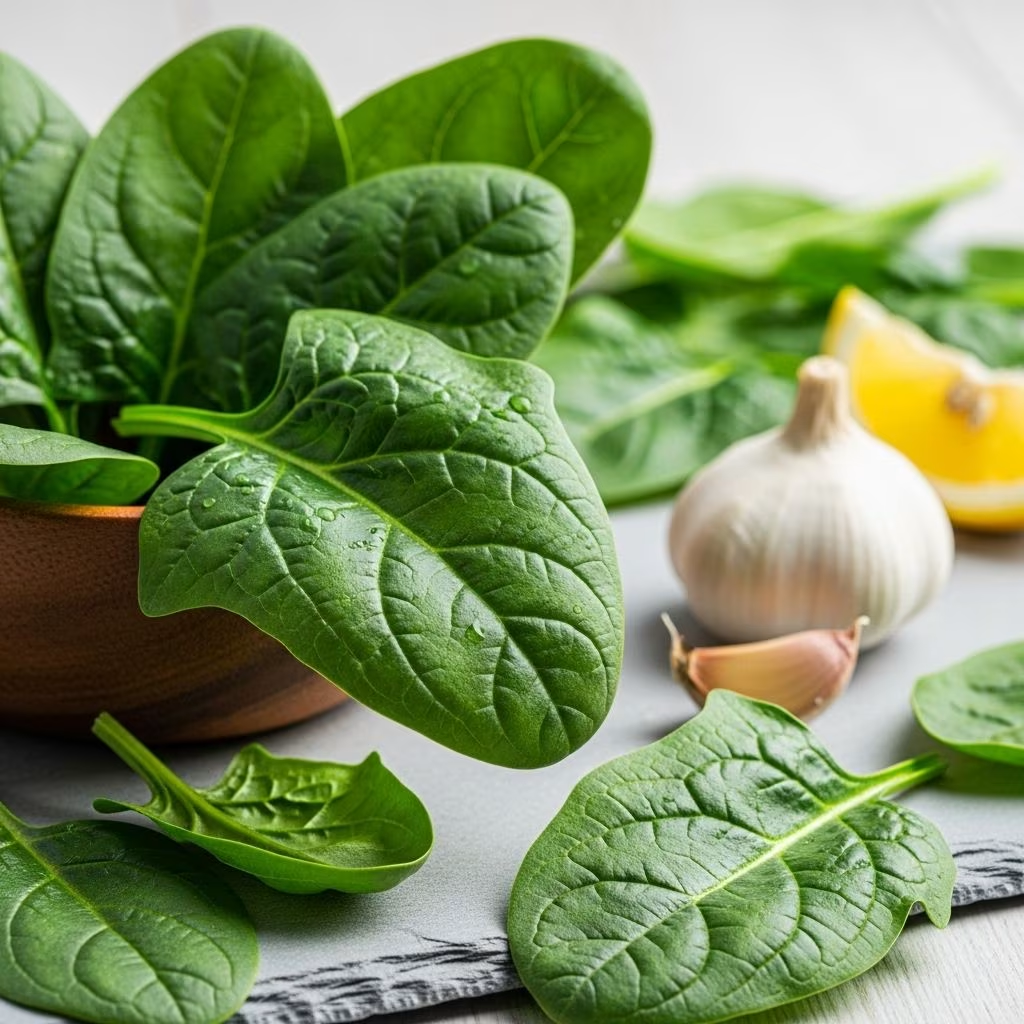
What Is Spinach? Benefits, Uses, and Taste
Spinach is much more than just a leafy green found in salads and smoothies. This vegetable, with its rich history and exceptional nutritional profile, is a cornerstone of healthy diets across the globe. From its robust flavor to its versatility in the kitchen, spinach offers a unique blend of taste and benefits that few foods can match. This article explores everything you need to know about spinach—its origins, nutritional content, potential health benefits, culinary uses, and distinctive flavor.
What Is Spinach?
Spinach (Spinacia oleracea) is a leafy green vegetable in the amaranth family, related to beets and quinoa. This cool-weather annual thrives in cooler climates and is believed to have originated in ancient Persia. Today, it is enjoyed across the world, grown in a variety of environments, and used in both raw and cooked dishes.
- Spinach is classified as a superfood due to its dense content of essential vitamins, minerals, and beneficial plant compounds.
- Both its leaves and stems are edible, though the leaves are most commonly consumed.
- Available year-round, spinach can be found fresh, packaged, canned, or frozen, making it accessible in many forms for varied culinary uses.
Nutritional Profile of Spinach
Spinach stands out among vegetables owing to its high concentration of vitamins, minerals, antioxidants, and fiber, combined with a very low calorie count.
| Nutrient | Amount | % Daily Value* |
|---|---|---|
| Calories | 23 kcal | 1% |
| Water | 91% | – |
| Protein | 2.9 g | 6% |
| Carbohydrates | 3.6 g | 1% |
| Sugar | 0.4 g | – |
| Fiber | 2.2 g | 9% |
| Fat | 0.4 g | 1% |
| Vitamin A | 9377 IU | 188% |
| Vitamin C | 28.1 mg | 34% |
| Vitamin K | 482.9 mcg | 603% |
| Folate (Vitamin B9) | 194 mcg | 49% |
| Iron | 2.7 mg | 15% |
| Calcium | 99 mg | 10% |
| Potassium | 558 mg | 16% |
| Magnesium | 79 mg | 20% |
*Percent Daily Values are based on a 2,000 calorie diet.
In addition to these nutrients, spinach is also a rich source of:
- Vitamin E (supports skin and immune health)
- Phosphorus and Thiamine (B1)
- Antioxidants and plant compounds such as lutein, zeaxanthin, and kaempferol
Spinach and Iron
Iron is particularly notable in spinach. While the type of iron it contains (non-heme iron) is less efficiently absorbed by the body compared to iron from animal sources, consuming spinach with vitamin C-rich foods (like citrus or bell peppers) significantly boosts iron absorption.
Spinach and Calcium
Spinach contains a moderate amount of calcium, an essential mineral for bone health. However, its relatively high oxalate content can reduce the body’s ability to absorb this calcium compared to dairy sources. Thus, while it contributes to your daily needs, spinach shouldn’t be your sole source of calcium.
Health Benefits of Spinach
Spinach has earned its reputation as a superfood for several science-backed reasons. Its array of vitamins, minerals, antioxidants, and unique plant compounds provide the body with a wide range of health benefits.
- Supports Eye Health: Spinach contains high levels of lutein and zeaxanthin, carotenoids that protect eyes from age-related damage, particularly macular degeneration and cataracts. Regular intake is associated with reduced risk of both conditions.
- Lowers Blood Pressure: The abundance of potassium, nitrates, magnesium, and fiber in spinach helps relax blood vessels, reduce sodium, and lower blood pressure, all supporting cardiovascular health.
- Improves Bone Strength: Spinach is an exceptional source of vitamin K, crucial for bone formation and repair, and also provides calcium and magnesium. Just one cup offers more than your daily immediate needs for vitamin K.
- Boosts Skin and Hair Health: Rich in vitamin A, vitamin C, and vitamin E, spinach helps maintain healthy skin by supporting its immune defenses, promoting hydration, and providing antioxidant protection. These same nutrients foster hair growth and strength.
- Enhances Cognitive Function: Lutein and other plant compounds in spinach are linked to better memory, reasoning, verbal fluency, and overall cognitive processing, especially in older adults.
- Promotes Healthy Digestion: The high fiber content in spinach supports digestive health by adding bulk to stool, promoting regularity, and preventing constipation.
- Assists in Blood Formation: Spinach supplies iron and folate (vitamin B9), both essential for the production of red blood cells and hemoglobin, which transport oxygen throughout the body, helping combat fatigue and weakness associated with anemia.
- May Help Regulate Blood Sugar: Spinach contains antioxidants including alpha-lipoic acid, which can support better glucose metabolism and insulin sensitivity, potentially benefiting people with diabetes.
- Provides Antioxidant Protection: Spinach is rich in a wide range of antioxidants—substances that combat oxidative stress and inflammation, thereby lowering the risk of chronic diseases such as cancer, diabetes, heart disease, and cognitive decline.
Additional Evidence-Backed Benefits
- May aid cancer prevention: The antioxidants and plant compounds found in spinach have demonstrated cancer-preventive properties in both lab and some human studies.
- Contributes to weight management: Being low in calories and high in fiber, spinach increases satiety and can be a valuable part of a weight control diet.
Possible Downsides and Considerations
While spinach is very safe for most people, a few considerations are important:
- Oxalate Content: Spinach contains high amounts of oxalates, which can bind minerals like calcium and iron, reducing their absorption. People prone to kidney stones (especially calcium oxalate stones) may need to limit high-oxalate foods, including spinach.
- Vitamin K: Due to its extremely high vitamin K content, those taking blood thinners like warfarin should consult their healthcare provider about how much spinach they can safely consume, as vitamin K affects blood clotting.
- Digestive Concerns: Some people with sensitive digestion may experience bloating or gas from the fiber in raw spinach. Cooking often resolves this issue.
Overall, for the majority of people, spinach is a safe and nutritious addition to a balanced diet.
Culinary Uses: How to Eat Spinach
Spinach’s versatility is one of its defining characteristics. It can be eaten raw or cooked, providing different textures and flavors for a range of dishes.
Ways to Enjoy Spinach
- Raw: Use baby spinach or mature leaves in salads, sandwiches, wraps, and cold pasta dishes.
- Cooked: Sauté, steam, boil, or stir-fry spinach to use in soups, curries, casseroles, pastas, omelets, and stir-fries.
- Blended: Add raw spinach to smoothies for a nutrient boost without significantly changing the texture or taste, as its flavor blends well with fruits like banana, mango, or berries.
- Baked or Gratin: Add spinach to lasagna, quiches, or gratins for color, nutrition, and moisture.
Cooking spinach slightly can reduce its oxalate levels, aiding in better mineral absorption, while also making its nutrients more bioavailable. However, overcooking may diminish vitamin C content. Both fresh and frozen spinach are considered nutritious options.
Classic Spinach Recipes
- Spinach and cheese omelet
- Palak paneer (Indian spinach and cheese curry)
- Spinach-stuffed chicken breast
- Spanakopita (Greek spinach pie)
- Creamed spinach as a side dish
- Spinach and berry salad with nuts
The Taste Profile of Spinach
Spinach has a distinct, yet mild flavor, though its taste can vary depending on whether it is consumed raw or cooked, and the age of the leaves.
| Type | Taste | Texture |
|---|---|---|
| Raw Baby Spinach | Mild, slightly sweet, barely earthy | Tender, crisp |
| Raw Mature Spinach | Earthy, mildly bitter | Firm, slightly chewy |
| Cooked Spinach | Mellowed, rich, earthy, sometimes slightly metallic due to iron | Soft, silky |
- Bitterness: Mature spinach leaves can taste somewhat bitter when raw, but cooking typically softens their flavor.
- Versatility: Its flavor is mild enough to pair well with sweet fruits, tangy cheeses, eggs, tomatoes, and robust spices, making it suitable for both sweet and savory dishes.
Frequently Asked Questions (FAQs)
Q: What are the best ways to store spinach to keep it fresh?
A: Store fresh spinach in the refrigerator, preferably in a ventilated bag or container lined with paper towels to absorb excess moisture. Use within several days for optimal freshness and nutrient content.
Q: Can you eat spinach every day?
A: Yes, spinach can be enjoyed daily as part of a balanced diet. Due to its high vitamin K content, those on blood thinning medications should consult their doctor for personalized guidance.
Q: Is fresh spinach better than frozen spinach?
A: Both fresh and frozen spinach are highly nutritious. Frozen spinach is typically blanched before freezing, reducing certain vitamins like vitamin C, but making other nutrients more bioavailable. Fresh spinach carries a superior texture in salads and raw applications.
Q: Does cooking spinach reduce its nutrients?
A: Cooking spinach decreases the content of some heat-sensitive vitamins (notably vitamin C), but also enhances the absorption of certain nutrients like beta-carotene and liberates minerals by lowering oxalate content.
Q: Can spinach cause kidney stones?
A: Spinach is high in oxalates, which can contribute to calcium oxalate kidney stones in some individuals. People with a history of kidney stones should limit their intake and seek medical advice.
Q: How can I make spinach more appealing to children?
A: Try adding spinach to fruit smoothies, incorporating it discreetly in baked goods, or mixing it into sauces and pasta dishes for a mild taste and nutritional boost.
Conclusion
Spinach truly earns its place as a nutritional powerhouse and a culinary staple. Easily integrated into everyday meals, it offers a remarkable blend of health benefits, versatility, and unique taste. Whether enjoyed raw or cooked, spinach is a valued food for those seeking vibrancy, wellness, and rich flavor in their diets.
References
- https://www.webmd.com/diet/health-benefits-spinach
- https://www.medicalnewstoday.com/articles/270609
- https://www.healthline.com/nutrition/foods/spinach
- https://health.clevelandclinic.org/benefits-of-spinach
- https://www.heart.org/en/news/2024/03/25/among-leafy-green-powerhouses-spinach-packs-a-wallop
- https://www.bbcgoodfood.com/health/nutrition/ingredient-focus-spinach
- https://pubmed.ncbi.nlm.nih.gov/27353735/


