


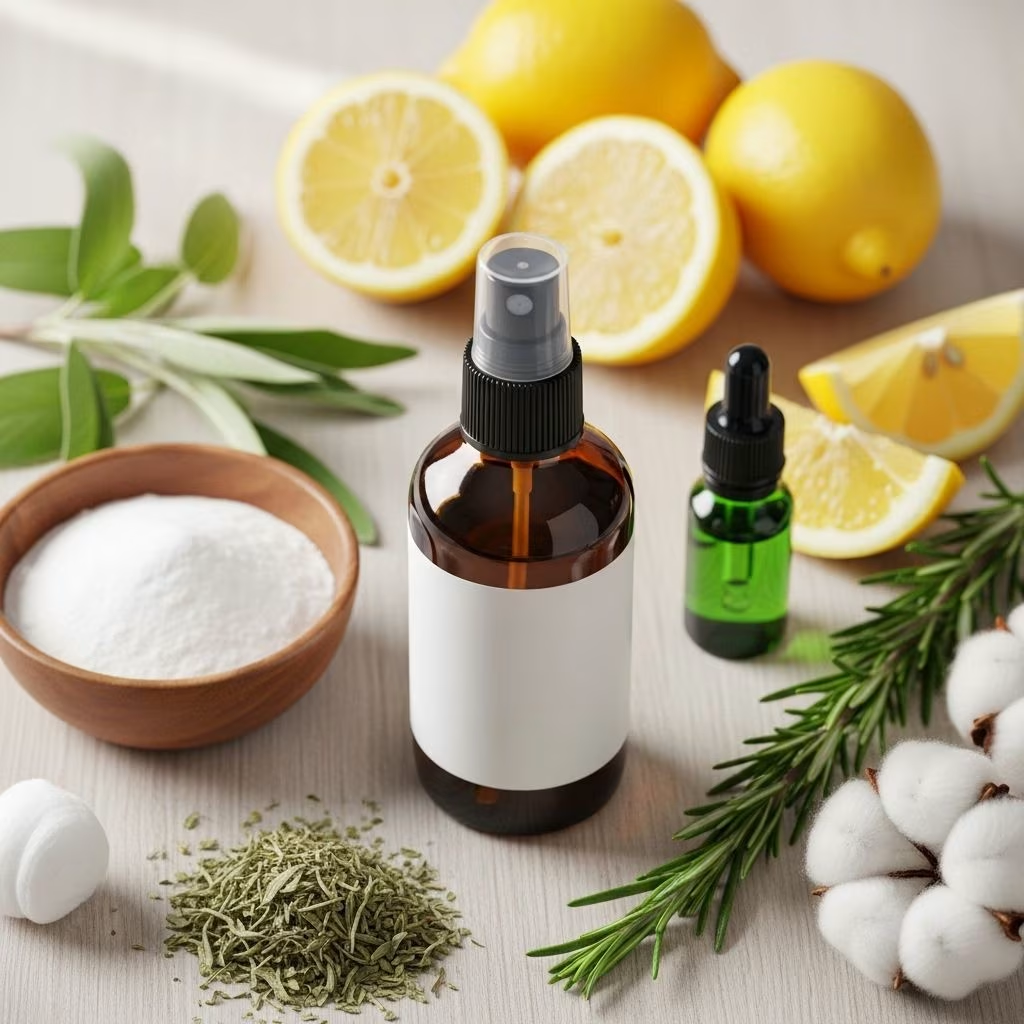
Say Goodbye to Stinky Feet: Natural Remedies & DIY Foot Spray
Foot odor can be embarrassing and bothersome, affecting people of all ages and lifestyles. Whether you’re dealing with sweaty summer feet, teenage athletic sneakers, or persistent shoe odor in your household, finding natural, effective remedies is key to fresh, confident steps. This comprehensive guide explores the causes of smelly feet, offers practical lifestyle solutions, and walks you through an easy DIY foot deodorizer spray recipe you can make at home.
What Causes Stinky Feet?
Understanding the source of foot odor is the first step in eliminating it. Odor develops when sweat mixes with bacteria on the skin, especially in a warm, enclosed environment like shoes.
- Excessive sweating: Feet have more sweat glands per square inch than any other part of the body.
- Bacteria and fungi: Bacteria thrive in moist areas and break down sweat into acids responsible for bad odors.
- Non-breathable shoes: Shoes made with synthetic materials trap moisture and heat, fueling bacterial growth.
- Poor foot hygiene: Irregular washing or wearing the same pair of shoes or socks for extended periods increases the risk.
- Medical conditions: Conditions like hyperhidrosis (excessive sweating) or infections such as pitted keratolysis can worsen the problem.
| Common Cause | How It Contributes to Odor |
|---|---|
| Sweaty feet | Creates a moist environment where bacteria flourish |
| Tight/Non-breathable shoes | Traps sweat, encouraging microbial growth |
| Poor hygiene | Allows buildup of sweat, dead skin, and bacteria |
| Unwashed socks/shoes | Keeps bacteria in close contact with skin |
| Skin conditions | Pitted keratolysis and fungal infections can intensify odor |
Effective Stinky Feet Remedies
The most effective approach combines daily hygiene habits, shoe care, and natural deodorizing solutions. Here are tried-and-true home remedies and lifestyle tweaks for banishing foot odor:
1. Practice Good Foot Hygiene
- Wash feet daily: Use warm water and gentle soap, scrubbing between toes and removing any dead skin with a pumice stone or exfoliating pad.
- Dry thoroughly: After washing, dry feet completely—especially between the toes.
- Change socks daily: Opt for moisture-wicking, breathable fabrics like cotton or merino wool.
- Rotate shoes: Don’t wear the same pair two days in a row—give them time to air out.
2. Choose the Right Footwear
- Wear shoes that breathe: Select shoes made from natural materials like leather or mesh instead of synthetics.
- Use antimicrobial insoles: These can help reduce moisture and suppress bacterial growth inside your shoes.
- Go barefoot at home: This allows feet to stay dry and discourages bacterial overgrowth.
3. Keep Shoes Fresh
- Let shoes air out: After use, remove insoles and loosen laces to increase ventilation.
- Sanitize shoes regularly: Use sprays, ultraviolet sanitizers, or devices like ozone-based shoe deodorizers if available.
- Sprinkle with baking soda: A natural absorbent that neutralizes odors overnight.
4. Natural Shoe & Foot Deodorizers
- Baking soda—sprinkle inside shoes to absorb moisture and odors overnight.
- Essential oils (like tea tree, lavender, peppermint)—naturally antibacterial and leave a fresh scent.
- DIY vinegar spray—mix equal parts white vinegar and water; spritz to deodorize and kill bacteria.
- Activated charcoal shoe inserts—trap moisture and smell efficiently.
- Freeze your shoes—sealing them in a bag and placing them in the freezer overnight can kill bacteria.
5. Manage Excessive Sweating
- Foot antiperspirants: Apply specialty products or certain spray antiperspirants formulated for feet to reduce sweating.
- Foot powders: These often contain natural minerals like zinc oxide or cornstarch for moisture control.
6. Address Medical Causes
If excessive odor persists despite excellent hygiene, consult a healthcare provider. Infections like pitted keratolysis—characterized by pits in the foot’s skin and strong odor—require topical antibiotics, as well as preventative steps to reduce moisture and bacterial overgrowth.
DIY Natural Stinky Feet Spray Recipe
One of the simplest, most effective ways to tackle foot and shoe odor is with a DIY natural deodorizing spray. This homemade recipe uses essential oils for their antibacterial and antifungal properties, leaving a clean, refreshing scent behind.
DIY Stinky Feet Spray Ingredients
- 1/2 cup witch hazel (or substitute with vodka for stronger disinfecting power)
- 1/2 cup distilled water
- 15 drops tea tree oil (natural antifungal and antibacterial)
- 10 drops lavender oil (soothing and deodorizing)
- 10 drops peppermint oil (cooling and refreshing)
- Spray bottle (preferably glass or high-quality plastic)
How to Make and Use the Spray
- Pour the witch hazel and distilled water into the spray bottle.
- Add the tea tree, lavender, and peppermint essential oils.
- Close the bottle and shake well to combine.
- To use: Lightly mist feet and between the toes after showering or before bed. Allow to dry before putting on socks or shoes.
- Spritz inside shoes after each use to prevent odor and keep bacteria at bay.
- Shake the bottle before each use to disperse the essential oils.
Why These Ingredients Work
- Tea tree oil neutralizes odor and fights athlete’s foot-causing fungus.
- Peppermint oil leaves a cooling effect and invigorates tired feet.
- Lavender oil offers antibacterial properties and a calming aroma.
- Witch hazel or vodka acts as an astringent, killing bacteria and evaporating quickly.
Additional Home Remedies for Smelly Feet
- Vinegar foot soak: Mix 1 part vinegar with 2 parts warm water. Soak feet for 15 minutes, then rinse and dry.
- Epsom salt soak: Dissolve half a cup of Epsom salts in warm water for a relaxing, odor-fighting foot bath.
- Lemon foot bath: Add fresh lemon juice to warm water and soak for a citrus-fresh treatment.
- Cornstarch dusting: Sprinkle on feet before putting on socks to keep skin dry.
Tips for Preventing Stinky Feet
- Change socks immediately if they become damp.
- Wash and dry your feet after any strenuous or sweaty activities.
- Rotate shoes to allow pairs to dry completely.
- Avoid sharing socks, shoes, or towels with others.
- Store shoes in a well-ventilated space.
Innovative Shoe Odor Solutions
Specialized devices, like ozone shoe deodorizers, can sanitize and freshen shoes naturally without relying on chemicals. For persistent or severe cases:
- Ozone-based shoe deodorizers: Place shoes inside the device, set the timer, and let ozone neutralize odor-causing bacteria. These are chemical-free, require no manual scrubbing, and handle a variety of items—athletic gear, helmets, gloves, etc.
- Ultraviolet (UV) sanitizers: Kill bacteria and fungi inside shoes, further reducing potential odors.
Frequently Asked Questions (FAQs)
What is the most common cause of foot odor?
The leading cause is sweat mixing with bacteria on the skin. Warm, damp conditions inside shoes allow bacteria to multiply and produce unpleasant-smelling acids.
Why do my children have especially stinky feet?
Children and teenagers tend to experience more sweating due to hormonal changes and active lifestyles, leading to increased foot odor. Wearing closed-toe shoes without proper hygiene can make the problem worse.
How can I prevent my shoes from smelling?
- Change into fresh socks daily.
- Let shoes air out between wears.
- Use sprays, powders, or baking soda regularly in shoes.
- Wash shoes (if possible) or use devices like ozone or UV sanitizers to kill bacteria.
When should I see a doctor for foot odor?
If foot odor continues despite good hygiene, or if you notice skin changes such as pits, lesions, redness, or persistent itching, consult a healthcare provider. You may need antifungal or antibacterial treatment for underlying infections.
Is it safe to use essential oils on my skin?
Most essential oils are safe when diluted but can be irritating for sensitive skin. Always use essential oils in recommended amounts and discontinue use if irritation occurs. Avoid contact with eyes and broken skin.
Summary Table: Stinky Feet Do’s and Don’ts
| Do | Don’t |
|---|---|
| Wash and dry your feet thoroughly each day | Wear the same socks or shoes two days in a row |
| Use natural sprays and powders | Use harsh chemicals or overly strong fragrances |
| Rotate footwear and air out shoes | Store shoes in enclosed, damp spaces |
| Seek medical help if odor persists or skin changes | Ignore persistent, severe foot odor |
Conclusion: Fresh Feet Are Happy Feet
Stinky feet and shoes can be a persistent nuisance, but natural remedies and good foot care can make a dramatic difference. By practicing daily hygiene, choosing the right footwear, and using a homemade natural foot spray, you’ll feel more confident and comfortable in any situation. Make these tips part of your routine—and never worry about removing your shoes in public again!


