


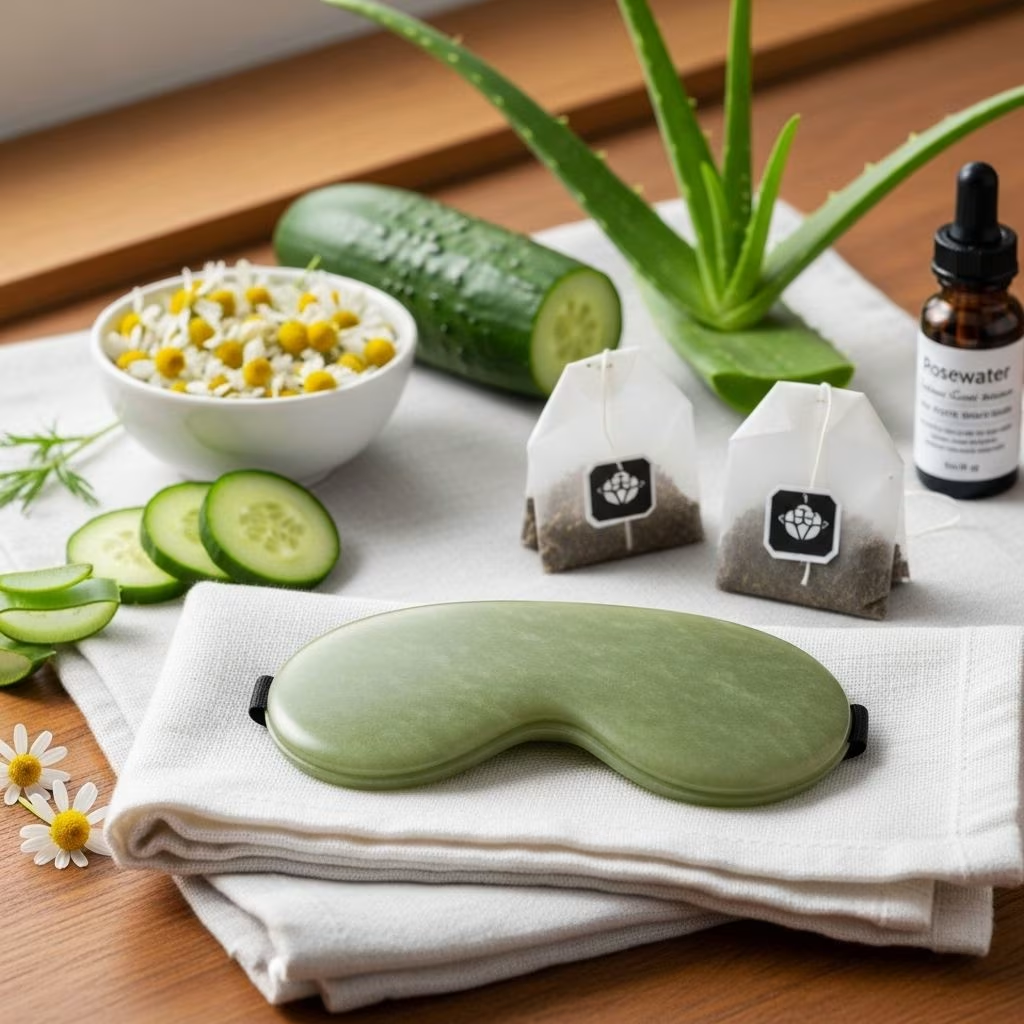
Natural Remedies for Eye Pain: Safe Relief at Home
Eye pain is a common complaint caused by various factors such as fatigue, dryness, allergies, infections, or environmental irritants. Many people seek gentle, effective relief for mild to moderate eye discomfort using time-tested natural methods. This guide presents safe home remedies for eye pain, prevention strategies, and answers to frequently asked questions for better eye health.
Understanding Eye Pain and Its Causes
Eye pain can range from minor irritation and soreness to more severe discomfort. Identifying the underlying cause is essential for effective treatment. Common triggers include:
- Screen overexposure, often leading to eyestrain
- Environmental irritants such as smoke, dust, and chlorine
- Allergic reactions from pollen or pet dander
- Contact lens use or improper care
- Dry air or dehydration
- Eye infections, including conjunctivitis (pink eye) and blepharitis
Serious symptoms, such as severe pain, vision changes, or injury, require prompt medical attention.
Gentle, Effective Home Remedies for Eye Pain
For mild cases of eye pain or irritation not linked to a major medical issue, natural remedies can provide soothing relief and support healing.
1. Cold Compress
A cold compress helps reduce inflammation, swelling, and pain. This is particularly useful for eyes irritated by allergies or minor injuries.
- Use a clean washcloth soaked in cold water.
- Place over closed eyes for 5-10 minutes, two to three times daily.
- Relieves puffiness and itching caused by allergens or fatigue.
(Recommended for allergy-related discomfort and acute irritation)
2. Warm Compress
Warm compresses loosen debris, unclog oil glands, and reduce pain from infections such as styes, blepharitis, or conjunctivitis.
- Soak a clean cloth in warm (not hot) water.
- Apply gently to closed eyelids for 5–10 minutes.
- Repeat 2–3 times daily; helps dissolve crusts and promote healing.
(Particularly beneficial for eyelid infections and dry eyes)
3. Artificial Tears & Lubricating Drops
Over-the-counter artificial tears ease dryness, flush out irritants, and improve comfort.
- Choose preservative-free drops for frequent use.
- Avoid redness-reducing varieties as they may worsen symptoms.
- Use as needed, up to four times daily.
(Ideal for dry environment, prolonged screen use, and mild irritation)
4. Aloe Vera Application
Aloe vera has natural anti-inflammatory and antibacterial properties for skin and mucous membranes.
- Mix 1 teaspoon fresh aloe gel with 2 tablespoons cold water.
- Dip cotton pads in mixture, apply gently to closed eyelids for 10 minutes.
- Use twice daily for soothing effect.
(Not to be instilled directly into the eyes)
5. Castor Oil Drops
Castor oil-based drops may help lubricate and diminish irritation when used safely.
- Use commercial castor oil eye drops intended for ocular use.
- Place one drop in each eye before bed and upon waking.
- May improve moisture retention and reduce redness.
(Confirm product safety before use; do not use cosmetic-grade oil)
6. Saline Solution Rinse
Saline rinses gently cleanse the eye surface, removing allergens, irritants, and pathogens.
- Mix sterile, cooled water with salt to make gentle solution.
- Irrigate eyes using a clean dropper or eye cup.
- Especially useful for infectious or allergic conjunctivitis.
(Use sterile supplies only)
7. Herbal Compresses
Herbal teas with chamomile or calendula can soothe eye irritation due to their anti-inflammatory properties.
- Brew chamomile or calendula tea, cool completely.
- Soak clean cloth or pads and apply to closed eyelids for 10 minutes.
- Repeat up to twice daily.
(Do not apply hot or introduce directly in the eyes)
8. Omega-3 Fatty Acids for Dry Eyes
Increasing omega-3 intake helps support production of protective oils, improving tear stability and reducing dryness.
- Eat oily fish (salmon, mackerel, sardines) regularly.
- Supplement with fish oil or flaxseed oil capsules if diet is insufficient.
- Supports tear production and overall eye health.
(Consult your physician for supplement advice)
9. Humidifier Use
Adding moisture to indoor air helps prevent evaporative dry eye and minimizes discomfort.
- Run a humidifier, especially in dry or heated environments.
- Maintains optimal ambient humidity, protecting tear film.
- Reduces symptoms of dryness, stinging, and irritation.
(Especially helpful in winter or arid climates)
Eye-Strain and Lifestyle Remedies
Modern life exposes our eyes to screens and artificial environments that promote fatigue and dryness. Simple lifestyle changes can ease and often prevent discomfort.
- Take regular breaks: Follow the 20-20-20 rule—every 20 minutes, look at something 20 feet away for 20 seconds.
- Blink often: Intentional, frequent blinking maintains eye moisture.
- Adjust screen position: Lower your monitor so the top is at or below eye level to reduce strain.
- Minimize glare: Use anti-glare screens or ensure lighting does not reflect off your screen.
- Keep screens clean: Dust and fingerprints increase strain.
- Practice eye exercises: Alternate focus between near and distant objects to relax eye muscles.
Preventing Eye Pain and Irritation
Adopting preventative strategies helps avoid future eye pain and maintain healthy vision.
- Avoid exposure to smoke, fumes, and allergens: Limit time in irritant-filled environments and use safety goggles if required.
- Practice good contact lens hygiene: Clean hands and lenses thoroughly; replace as recommended.
- Limit makeup use during active irritation; never share eye cosmetics.
- Stay hydrated: Drink sufficient water daily to maintain optimal tear production.
- Consume a nutrient-rich diet: Focus on foods high in vitamins A, C, E, and minerals such as zinc to support vision health.
- Manage allergies: Identify triggers and use allergy medications or avoid allergenic environments.
When to Seek Professional Medical Care
Some symptoms warrant urgent attention from your doctor or eye specialist:
- Severe or persistent eye pain
- Sudden vision changes or loss
- Eye injury, bleeding, or presence of a foreign object
- Eye discharge, swelling, or fever
Do not rely on home remedies for serious or worsening symptoms. Prompt diagnosis and treatment can prevent complications and vision loss.
Common Eye Conditions and Recommended Remedies
| Condition | Symptoms | Suggested Natural Remedies |
|---|---|---|
| Dry Eyes | Redness, burning, gritty sensation | Artificial tears, omega-3s, warm compress, humidifier |
| Allergic Conjunctivitis | Itchy, watery eyes, swelling | Cold compress, saline rinse, antihistamines, herbal compress |
| Pink Eye (Infectious Conjunctivitis) | Redness, discharge, tearing | Saline rinse, warm compress, herbal teas (chamomile/calendula) |
| Eyestrain | Tired, sore eyes, blurred vision | Frequent breaks, blinking, screen adjustments, eye exercises |
| Styes/Blepharitis | Swollen eyelid, pain, crusting | Warm compress, eyelid hygiene (gentle cleaning) |
Frequently Asked Questions (FAQs) About Eye Pain & Natural Remedies
Q: Can I use essential oils to treat eye pain?
A: Essential oils are not recommended for direct application to eyes, as they may cause irritation or injury. Use only approved, safe substances around the eyes.
Q: Are home remedies safe for everyone?
A: Most natural remedies are safe for mild discomfort, but always consult your doctor if you have underlying health conditions, ongoing symptoms, or pregnant/nursing.
Q: What foods help maintain healthy eyes?
A: Include foods rich in Vitamins A, C, E, and omega-3 fatty acids, such as carrots, spinach, eggs, nuts, oily fish, and citrus fruits.
Q: Is it okay to use a warm compress every day?
A: Yes, daily warm compresses are safe for most people and useful for chronic dry eye or stye prevention. Use clean supplies every time.
Q: When should I stop using home remedies and seek a doctor?
A: If pain worsens, you develop vision changes, unusual discharge, or symptoms last longer than two days, seek professional medical advice immediately.
Top Tips for Safer Home Eye Care
- Wash hands thoroughly before and after touching your eyes.
- Use only sterile solutions and single-use supplies for eye applications.
- Discard any homemade compresses, teas, or cleansers after each use.
- Do not share towels, washcloths, or cosmetics with others.
- Never insert non-sterile substances or unapproved products into the eyes.
- If using store-bought drops, check expiration dates and storage instructions.
Conclusion
Natural remedies for eye pain offer gentle, effective relief for common problems such as dryness, irritation, or mild infection. By understanding symptoms, adopting safe practices, and knowing when to seek medical advice, you can protect your eyes and support their healing naturally. Always take eye pain seriously and prioritize your ocular health with careful self-care and timely professional consultation when needed.
References
- https://www.healthline.com/health/sore-eye-remedies
- https://my.clevelandclinic.org/health/symptoms/24607-eye-irritation
- https://www.medicinenet.com/how_can_i_relieve_eye_pain_at_home/article.htm
- https://www.mayoclinic.org/diseases-conditions/eyestrain/diagnosis-treatment/drc-20372403
- https://www.northparkvision.com/at-home-solutions-for-eye-irritation-is-it-allergies-or-a-cold/
- https://www.sanmarcosvision.com/blog/natural-remedies-eye-problems.html
- https://stoneycreekeyecare.com/5-home-remedies-for-dry-eye/
- https://nyulangone.org/conditions/conjunctivitis/treatments/home-treatments-for-conjunctivitis


