


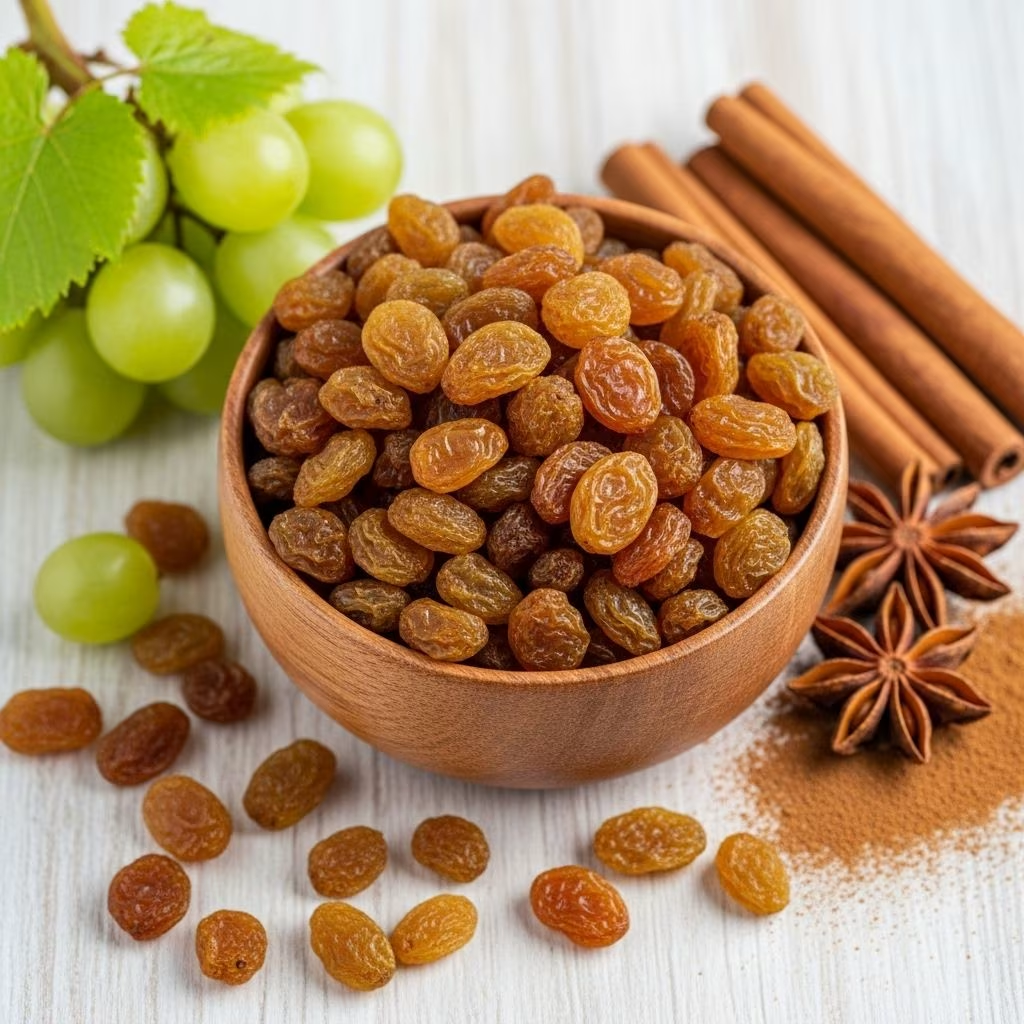
Sultana grapes and sultana raisins hold a special place in both ancient history and modern kitchens. Renowned for their natural sweetness, seedlessness, and versatility, they have become a global staple for snacking, baking, and diverse culinary traditions. This article explores the intriguing world of sultanas—from their origins and nutritional advantages to their culinary applications and unique taste.
Introduction to Sultana Grapes and Raisins
Sultana refers to a specific type of grape as well as the popular dried fruit made from it. The sultana grape (Vitis vinifera), often called Sultanina or Thompson Seedless, is a pale green, oval-shaped, seedless variety widely cultivated around the world for table consumption, drying, and wine production . When dried, these grapes yield sultana raisins—celebrated for their golden color, juicy texture, and mild, honeyed sweetness .
Origins and Historical Significance
Sultana grapes have an ancient lineage. Their cultivation is believed to have begun in the Mediterranean and Middle Eastern regions. The term “sultana” is derived from the Ottoman Sultanate, where these grapes were first extensively grown. Over centuries, their reach spread across the world—known as Kishmish in the Middle East, Manisa or Grape of Izmir in Turkey, Lady de Coverly in England, and Thompson Seedless in the United States .
Popular folklore credits a Sultan of the Ottoman Empire with the discovery of sultana raisins. Allegedly, after fleeing from a tiger and abandoning harvested grapes in the sun, he returned to find dried, sweet fruit—sowing the seeds for the modern sultana raisin industry .
Today, sultana grapes are grown globally, particularly in Turkey, Iran, Greece, and California. In regions like Crete, sultana raisins even enjoy Protected Geographical Indication (PGI) status due to their regional significance .
Sultana vs. Raisins vs. Currants: Key Differences
It’s common to encounter confusion between sultanas, raisins, and currants. The comparison table below highlights their distinguishing characteristics :
| Feature | Raisins | Sultanas | Currants |
|---|---|---|---|
| Grape Type | Dark grapes (Thompson, Muscat) | White seedless grapes (Sultana/Thompson Seedless) | Black Corinth grapes |
| Color | Dark brown or black | Light yellow or golden | Black |
| Taste | Sweet, robust | Sweet, mild, honeyed | Tart, tangy |
| Texture | Firm, chewy | Juicy, tender | Compact, chewy |
| Drying Method | Sun-dried, mechanical | Chemical treatment to retain color | Natural drying |
| Main Culinary Use | Breads, cakes, snacks | Baking, desserts, snacking | Scones, jams, tangy dishes |
Sultanas are typically smaller, lighter, and softer compared to regular raisins, with a notably milder flavor profile .
Nutritional Profile of Sultanas
Sultanas provide a valuable source of natural energy, micronutrients, and dietary fiber. According to research, a 100-gram serving of sultana raisins contains:
- Calories: about 325 kcal
- Total Sugars: approximately 59–65 grams (mostly natural fructose and glucose)
- Dietary Fiber: around 4 grams
- Protein: about 3 grams
- Fat: less than 0.5 grams
- Potassium: 750–850 mg
- Iron: 1–2 mg
- Calcium: 40–50 mg
- Antioxidants: Polyphenols, phenolic acids
These amounts make sultanas a nutrient-rich option for quick energy and micronutrient intake .
Health Benefits of Sultanas
- Rich Source of Natural Energy: Their high natural sugar content supplies immediate energy, making them ideal for athletes, students, or anyone needing a rapid energy boost .
- Support for Digestive Health: The fiber content aids digestion and may help alleviate constipation.
- Antioxidant Properties: Sultanas are high in polyphenols and other antioxidants that combat oxidative stress and may reduce inflammation .
- Support for Heart Health: Potassium in sultanas helps regulate blood pressure, and their antioxidants are linked to improved vascular health.
- Bone Health: They provide small but meaningful amounts of calcium and boron, contributing to bone strength.
- Anemia Prevention: Sultanas contain iron and copper, important for the healthy formation of red blood cells .
Additional Notable Benefits
- Immune Support: Regular, moderate consumption supports a robust immune system through vitamins and minerals present.
- Convenient Snack: Their long shelf life and portability make them an excellent snack at home or on the go.
Potential Disadvantages and Precautions
- High Sugar Content: The concentrated sugars can be problematic for individuals with diabetes or those on low-sugar diets. Moderation is crucial .
- Calorie Dense: Due to their high energy density, excessive consumption may contribute to weight gain, especially in inactive individuals.
- Potential Allergens: Some sultana raisins are treated with sulfites (to preserve color and extend shelf life), which can cause allergic reactions in sensitive individuals .
- Possible Additives: Commercial sultanas may contain surface oil or other additives for processing and packaging. Always check labels if sensitive to additives.
Culinary Uses of Sultanas
Sultanas have a long tradition in diverse culinary cultures. Their mild, honeyed taste and soft texture make them highly versatile.
- Snacking: Consumed out-of-hand as a nutritious, naturally sweet snack.
- Baking and Desserts: Essential in cakes (fruit cakes, panettone), muffins, scones, cookies, and pastries. British, Mediterranean, and Middle Eastern desserts frequently incorporate sultanas.
- Savory Dishes: Used in pilafs, rice dishes, Moroccan tagines, and stuffings for a hint of sweetness that balances spices and savory flavors.
- Salads: Added to grain salads, green salads, and couscous for contrasting flavor and texture.
- Breakfast Foods: Sprinkled on cereals, oatmeal, yogurt, and porridge for natural sweetness.
- Wine Production: The grape itself (when not dried) is used in table wines or sweet dessert wines in some regions.
Tips for Cooking and Baking with Sultanas
- Soak in Warm Liquid: To plump them up and soften texture, soak sultanas in warm water, juice, tea, or even spirits like rum before using in baked goods.
- Pair with Spices: Complement flavors with cinnamon, nutmeg, cardamom, or citrus zest in both sweet and savory dishes.
What Do Sultanas Taste Like?
The taste of sultanas is one of their defining traits. When fresh, sultana grapes offer a mild, sweet, and honey-like flavor highlighted by fruity overtones and light acidity . Upon drying, they maintain this sweetness but with a more concentrated, subtle, and slightly syrupy mouthfeel .
Key aspects of their flavor and texture:
- Flavor: Mild, naturally sweet, honeyed, and less robust than dark raisins.
- Texture: Tender, juicy, and soft, often plumper and less chewy than standard raisins.
- Aroma: Subtle and fruity, especially when fresh; their sweet scent attracts consumers in markets .
Sultanas are favored in recipes where a gentle, non-overpowering sweetness is desired.
Processing and Production of Sultanas
The journey from grape to sultana raisin involves specialized methods designed to protect the fruit’s seedlessness, color, and delicate flavor :
- Harvesting: Grapes are picked once fully ripe, typically in late summer or early autumn.
- Pre-Treatment: In commercial settings, freshly picked grapes are often treated with an alkaline solution (commonly a dip of potassium carbonate and ethyl oleate) or exposed to sulfur dioxide fumes to lock in their golden color and prevent spoilage.
- Drying: Grapes are sun-dried for 15–30 days on tarps or in controlled drying tunnels, with periodic turning for even dehydration. In some areas, smokehouses are used for additional color preservation.
- Cleaning and Sorting: Dried sultanas are washed, stemmed, sorted for debris and imperfections, and sometimes coated with a light oil to prevent sticking.
- Packaging: Final products are sorted, graded, and packed for retail or export. Premium grades may be reserved for specialty food markets or confections.
Turkey, Iran, and California remain the top global producers, each contributing unique techniques to ensure consistent quality and flavor .
Frequently Asked Questions (FAQs)
Q: Are sultanas and raisins the same thing?
A: No, sultanas and raisins differ in grape variety, color, drying method, and flavor. Sultanas use pale, seedless grapes, are often lighter, juicier, and milder in flavor .
Q: Can sultanas be used interchangeably with other dried fruits?
A: Yes, sultanas can replace other dried fruits in most baking and cooking recipes, but expect a milder, lighter sweetness and softer texture .
Q: Do sultanas have sulfites?
A: Many commercially processed sultanas are treated with sulfites to preserve their golden color and extend shelf life. Individuals sensitive to sulfites should read labels carefully .
Q: Is there a difference between fresh sultana grapes and dried sultanas?
A: Absolutely. Fresh sultana grapes are crisp, succulent, and aromatic, while dried sultanas concentrate these qualities into a softer, sweeter, golden fruit .
Q: Are sultanas healthy to eat daily?
A: In moderation, sultanas offer health benefits, but portion control is advised due to their natural sugar concentration.
Conclusion
Sultanas exemplify how a simple fruit, cultivated for centuries, can offer not only irresistible flavor and versatility but also provide substantial nutritional benefits. Whether enjoyed fresh or as golden dried raisins, sultanas have firmly established themselves as a mainstay in global culinary traditions.
References
- https://specialtyproduce.com/produce/Sultana_Grapes_25070.php
- https://ariaexport.com/blogs/All-about-Sultana-raisin
- https://en.wikipedia.org/wiki/Sultana_(grape)
- https://www.healthline.com/nutrition/raisins-sultanas-currants
- https://taritrading.co/blog/raisins-vs-sultanas/
- https://nutspick.co.uk/pages/sultana-raisins
- https://www.ams.usda.gov/grades-standards/raisin-grades-standards
- https://raisiniran.com/grape-variety-effects-on-sultana-raisin-texture-and-sweetness/


