


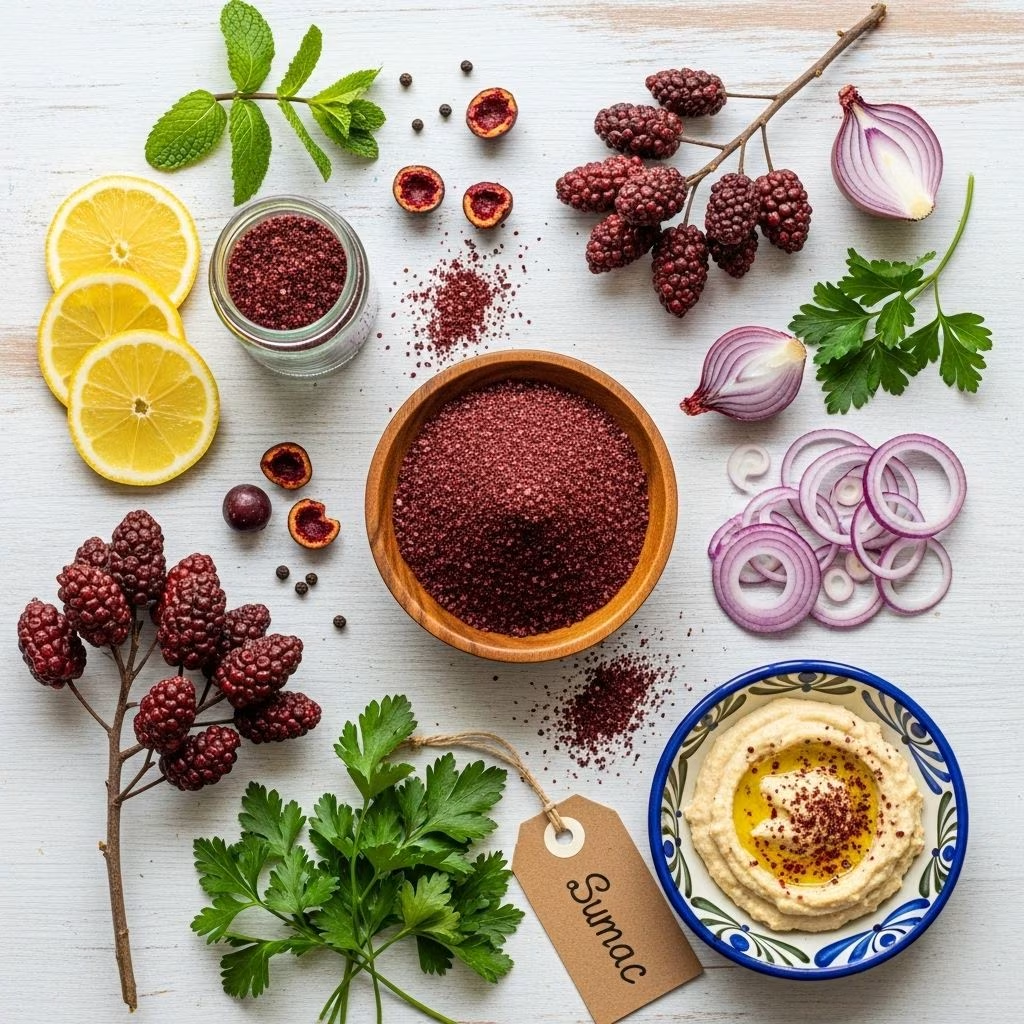
Sumac is a vibrant, tangy spice essential in Middle Eastern and Mediterranean cuisine. Its popularity has soared globally due to its distinctive flavor and versatility, making it indispensable in kitchens from Beirut to Brooklyn. This guide explores everything about sumac—its taste, origins, culinary uses, health benefits, and expert-approved substitutes.
What is Sumac?
Sumac is a spice made by drying and grinding the red berries of the Rhus shrub, native to the Middle East and parts of the Mediterranean. Its use dates back thousands of years, featuring in both ancient culinary traditions and remedies. Historically, sumac was prized in the Roman Empire for its brightness before lemons became widespread, and remains a staple in many regional cuisines today.
- Source: The deep-red berries of the Rhus coriaria bush.
- Form: Usually available as a coarse, crimson powder.
- Not the same: as poison sumac, which is toxic and a different species altogether.
Sumac’s tangy, fruity notes made it a favored flavoring and natural dye for centuries. Its bold color and sharp taste make it visually and gastronomically striking.
Flavor Profile of Sumac
The defining characteristic of sumac is its bright, tangy flavor that is often compared to lemon but layered with subtle nuances. Here’s what distinguishes sumac:
- Tartness: The main appeal—imparts a vibrant, citrusy acidity similar to lemon juice, but as a dry powder.
- Earthiness: A gentle, grounding undertone that balances its sharpness.
- Fruitiness: Subtle hints of berry-like sweetness round out the flavor.
- Smoky notes: Some describe a whisper of smoky or wine-like tannic flavors.
Sumac’s tart, earthy-fruity balance gives it remarkable versatility—bright enough to liven up a salad, understated enough to support marinades and meats, and complex enough to intrigue in desserts. When sprinkled raw, it offers an instant jolt of flavor and color.
Sumac vs. Other Sour Ingredients
| Ingredient | Texture | Flavor | Use Case |
|---|---|---|---|
| Sumac | Dry, coarse powder | Tangy, earthy, fruity | Sprinkle, rub, blend |
| Lemon zest | Fresh, oily shards | Sharp, aromatic citrus | Baking, finishing |
| Vinegar | Liquid | Strong acidity | Dressings, deglazing |
| Amchur (dried mango powder) | Powder | Tart, fruity, slightly sweet | Indian cuisine, curries |
| Tamarind | Pulp or paste | Sour, sweet-tart | Chutneys, sauces |
How Sumac is Used in Cooking
Sumac acts as a flavor amplifier and visual enhancer for countless dishes. Because it provides acidity in dry form, it is ideal where liquid would change texture or consistency. Its uses span traditional recipes and modern kitchen experiments.
Popular Culinary Applications
- Salad Topper: Sprinkled over fattoush, tabbouleh, or cucumber salads to add zest and dramatic color.
- Dry Rubs: Combined with spices for chicken, lamb, or grilled fish, it adds tart complexity without moisture.
- Marinades: Used with olive oil, garlic, and herbs, sumac’s acidity tenderizes and flavors meats.
- Dips & Dressings: Stirred into yogurt, tahini, or labneh for a tangy, appealing balance of flavors.
- Garnish & Finishing: Provides a burst of flavor and visual appeal to hummus, baba ganoush, roasted vegetables, and more.
- Rice & Grains: Added as a dusting atop pilafs, lentils, or bean-based salads for lively flavor.
Sumac in Classic Middle Eastern Dishes
Sumac is woven into the fabric of Middle Eastern cookery, often as a finishing touch or essential marinade. Key dishes include:
- Fattoush Salad: A crisp salad celebrated for its sumac-spiked vinaigrette.
- Za’atar Manakish: Lebanese flatbread topped with za’atar (sumac, thyme, sesame seeds, and salt).
- Piyaz Salad: Turkish white bean salad, enlivened by sumac-sprinkled onions.
- Musakhan: Roasted chicken and bread with fragrant sumac, onions, and allspice.
- Kebabs: Meat skewers dusted with sumac post-cooking for a final zing.
- Baba Ganoush & Hummus: A vivid garnish providing a contrast to creamy dips.
Sumac in Contemporary Global Cooking
Sumac’s approachable acidity and vivid color have made it popular far beyond its traditional homeland. Contemporary chefs and home cooks experiment with sumac in dishes both sweet and savory:
- Sumac-Crusted Salmon: Creates a citrusy, herbal crust when paired with dill or parsley.
- Deviled Eggs & Popcorn: Sumac offers a modern, tangy twist to classic snacks.
- Taco Topper: Sprinkled on tacos with fresh mango salsa for a fusion pop.
- Cocktails or Mocktails: Used to rim glasses for a zesty, salty finish.
- Savory Shortbread or Crackers: Adds intrigue to baked goods, balancing cheese and herbs.
- Roasted Root Vegetables: Pairs especially well with sweet potatoes, carrots, and beets for an acidic lift.
- Desserts: Sometimes used to offset sweet fruit tarts or highlight berries.
Health Benefits of Sumac
Beyond its culinary virtues, sumac has a long history of medicinal use. While scientific research is ongoing, several potential health benefits are associated with sumac:
- Antioxidant-rich: The vibrant red hue comes from anthocyanins and other compounds that combat oxidative stress.
- Anti-inflammatory properties: Traditional use suggests sumac may help reduce inflammation.
- Antimicrobial effects: Some studies indicate sumac may help fight bacteria.
- Digestive aid: Its acids were believed to assist with digestion in traditional medicine.
Note: While sumac can be a flavorful boost to a healthy diet, it should not be treated as a replacement for evidence-based medicine. Consult health professionals for medical advice.
Famous Spice Blends Containing Sumac
Sumac is a mainstay in several iconic spice blends, lending signature tartness and color:
- Za’atar: A Levantine blend of sumac, thyme, sesame seeds, and salt. Commonly sprinkled on breads, meats, vegetables, or dips.
- Dukka (Dukkah): An Egyptian mix featuring nuts, seeds, and sumac, used as a dip with bread and olive oil.
- Advieh: Various Persian blends sometimes include sumac for brightness and balance.
Best Substitutes for Sumac
If you run out of sumac, several ingredients can replicate its tangy, acidic kick—though the flavor nuance may differ. Choose the substitute that best matches your recipe’s needs:
| Substitute | Similarity | Common Applications | Notes & Adjustments |
|---|---|---|---|
| Lemon zest & a pinch of salt | Closest in brightness, some aromatic notes | Salads, finishing, marinades | Works best sprinkled as a final touch. Avoid juice to keep texture similar. |
| Lemon juice or vinegar | Same acidity, but liquid | Marinades, dressings | Use cautiously; may change texture or consistency. Start with half the quantity. |
| Amchur (mango powder) | Tangy, powdery, slightly sweeter | Curries, rubs, vinaigrettes | Indian cuisine-friendly. Matches powder form, introduces mango undertones. |
| Tamarind powder | Strong tartness, more pungent | Sauces, chutneys | More sour than sumac; use sparingly. |
| Pomegranate molasses | Sweet-tart acidity | Dressings, glazes | Sweeter, thicker; best in wet preparations. |
Tips for Substitution
- Lemon zest plus a little salt is the quickest dry substitute, closest visually and in flavor.
- Liquid alternatives like lemon juice or vinegar should be added sparingly to avoid overpowering or altering the dish’s consistency.
- If using mango powder or tamarind powder (especially in spice blends), add in small increments and taste as you go.
Frequently Asked Questions (FAQs)
Q: What does sumac taste like?
A: Sumac is tangy, tart, and slightly fruity, akin to a dry squeeze of lemon but also earthy and not overly sharp.
Q: Can I use sumac and lemon juice interchangeably?
A: Both provide acidity, but sumac is a dry powder and won’t add moisture. Use lemon juice for dressings and marinades; use sumac wherever a sprinkle of sourness is needed without changing texture.
Q: Is sumac spicy or hot?
A: No, sumac is not spicy in the sense of chili heat—it is tart, tangy, and fruity, with no pungent capsicum burn.
Q: How should sumac be stored?
A: Store sumac in an airtight container, away from heat and sunlight, to preserve its vivid color and flavor.
Q: Does sumac have health benefits?
A: Yes, sumac is believed to have antioxidant and anti-inflammatory properties, but enjoy it primarily for its flavor and consult healthcare professionals for health advice.
Q: Where can I buy sumac?
A: Sumac is widely available at Middle Eastern and Mediterranean markets, specialty spice shops, and online retailers, often labeled as “ground sumac”
Conclusion: Sumac’s Vibrant Place in Your Kitchen
Sumac is a bold, versatile spice offering instant tang and color to traditional and contemporary dishes. Explore its uses in your everyday cooking—whether for authentic Middle Eastern flavor or a chef’s creative twist—and keep its best substitutes on hand when your jar runs dry. Sumac’s balance of flavor and function ensures it will remain a favorite in global kitchens for years to come.
References
- https://thespiceway.com/blogs/articles/sumac-spice
- https://rawspicebar.com/blogs/spices-101/the-story-behind-sumac-and-its-unique-flavor-profile
- https://www.themediterraneandish.com/what-is-sumac/
- https://maureenabood.com/ingredient-sumac/
- https://www.zestandzing.com/blogs/7spices/what-is-sumac-taste-recipes-how-do-you-use-it


