


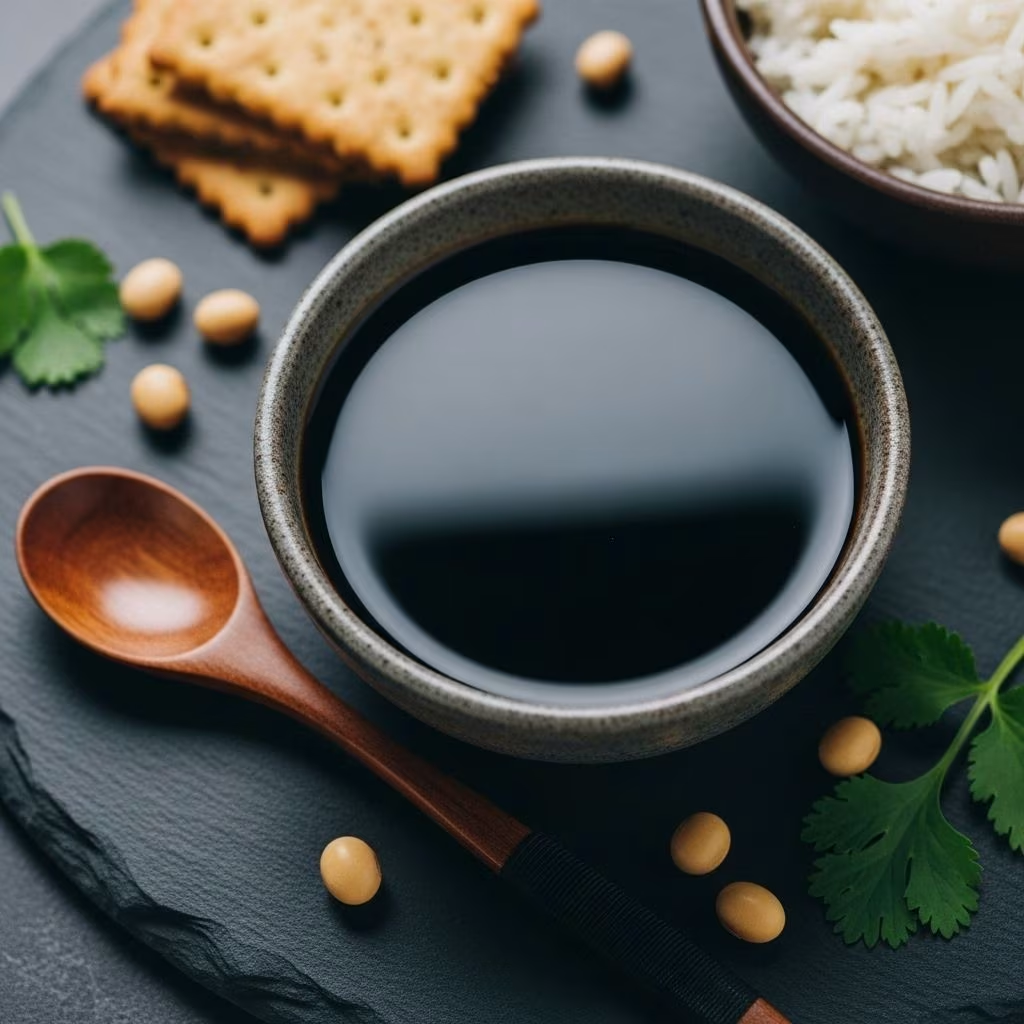
Tamari—a venerable Japanese seasoning—emerges from centuries of tradition, lauded both for its exceptional taste and its naturally gluten-free nature. This article offers a complete exploration of tamari: from its storied origins and meticulous production methods to its evolving role in nutrition and the culinary arts, culminating in a detailed analysis of its health benefits, distinct taste profile, and diverse uses.
Introduction to Tamari
Tamari is a type of Japanese liquid seasoning regarded for its savory, umami-rich character and versatility in the kitchen. While often equated with soy sauce, tamari stands apart due to its distinctive production process and composition. Traditionally, it contains little to no wheat, making it naturally gluten-free and a preferred choice for those with gluten sensitivities. Its deep origins, complex flavors, and evolving culinary uses make tamari a unique condiment in both Japanese and international cuisines.
History and Origins of Tamari
The story of tamari traces back over a thousand years, rooted in the art of miso making and the heart of Japanese food culture.
- Early history: Tamari was originally the dark, flavorful liquid that pooled at the surface of fermenting miso barrels. The word “tamari” literally means “to puddle” in Japanese, referencing the small amounts that accumulated naturally during the miso fermentation process.
- Development: By the 13th and 14th centuries, the method evolved—producers began fermenting wetter miso with the deliberate intent of extracting more of this prized liquid. This marked the start of a dedicated tamari industry, particularly in Japan’s Aichi, Mie, and Gifu prefectures, which became centers of tamari production.
- Cultural transitions: Tamari was considered a culinary treasure and even served royalty and craftspeople, like the carpenters building Nagoya Castle during the Edo period.
- Introduction to the West: In the 20th century, tamari’s appeal grew globally, especially as a healthy alternative to chemically produced soy sauces. The macrobiotic movement in the U.S. adopted and popularized tamari in natural and health food communities.
Historical Timeline
| Period | Event |
|---|---|
| 8th Century | First references to tamari as a miso by-product in Japan |
| 13th–14th Century | Specialized production, pressing liquid from miso for wider tamari availability |
| Edo Period (17th–19th Centuries) | Tamari is used in royal kitchens, gains prestige in central Japan |
| 1960s–1980s | Tamari introduced to the West, health food popularity rises, confusion with other soy sauces emerges |
How Tamari Is Made
Tamari production relies on a traditional, time-intensive fermentation process. The craftsmanship involved preserves age-old practices and distinguishes tamari from other soy sauces.
- Base ingredients: Primarily soybeans and salt. Unlike conventional shoyu, tamari uses little or no wheat (with authentic tamari omitting wheat completely).
- Fermentation: Cooked soybeans are inoculated with koji mold (Aspergillus oryzae or similar), then aged with salt in wooden barrels for several months to multiple years—sometimes up to three years for artisanal tamari.
- Extraction: As the miso ferments, a rich, dark liquid seeps out or is pressed out at the end of the process. This is filtered, bottled, and becomes tamari.
- Flavor concentration: The extended aging and high soy-to-water ratio (traditional “Go-bu tamari” uses a 2:1 soybean to water ratio) create a dense, umami-packed sauce.
Authentic tamari production is a fading craft, safeguarded by a handful of experienced brewmasters in select regions of Japan.
Tamari vs. Soy Sauce (Shoyu): Key Differences
| Feature | Tamari | Shoyu (Soy Sauce) |
|---|---|---|
| Main region | Central Japan (Aichi, Mie, Gifu) | All regions of Japan |
| Main ingredients | Soybeans, water, salt (very little/no wheat) | Soybeans, wheat, water, salt |
| Texture | Thicker | Thinner |
| Color | Richer, darker | Medium-dark to light brown |
| Flavors | Deep umami, less saline, intense savory notes | Lighter, balanced between salt and umami |
| Gluten content | Usually gluten-free | Contains gluten (due to wheat) |
| Common uses | Finishing/dipping, specific recipes | General seasoning, marinades, cooking |
While both sauces deliver umami, tamari’s higher concentration of soy leads to a more assertive, rounded flavor. Its absence of wheat makes it ideal for gluten-free diets, whereas shoyu’s wheat content often renders it unsuitable for sensitive eaters.
Nutritional and Health Benefits of Tamari
Tamari, particularly when naturally brewed, supplies more than just taste; it also contains nutrients and characteristics beneficial to health-conscious consumers.
- Naturally Gluten-Free: Because traditional tamari uses little or no wheat, it offers a safe seasoning for those with celiac disease or gluten intolerance. It is essential, however, to confirm label claims, as some commercial brands may blend in wheat or other grains.
- Rich in Amino Acids: The slow fermentation process develops a wide array of free amino acids—especially glutamic acid—delivering pronounced umami flavor and supporting metabolic processes.
- Lower in Additives: Authentic tamari is typically brewed without chemical preservatives, artificial coloring, or flavor enhancers, aligning with the needs of clean-label and health-aware shoppers.
- Contains Antioxidants: Naturally fermented soy sauces, including tamari, can contain antioxidants that help counteract oxidative stress.
- Gut Health Potential: Traditional fermentation introduces beneficial enzymes that may support digestion—though pasteurization in commercial products can reduce these benefits.
- Sodium: Like all soy sauces, tamari is high in sodium and should be enjoyed in moderation by those monitoring salt intake.
Additionally, tamari provides trace minerals such as manganese, iron, and phosphorous, though these are not present in large quantities.
Taste Profile and Culinary Applications
Tamari’s flavor is distinct from other soy sauces, marked by a deeper, richer character and pronounced savory essence.
- Umami: Tamari is highly valued for its robust, multidimensional umami—a result of long aging and high soy concentration.
- Saltiness: Less overtly salty than most shoyu, the flavor is rounder and less sharp, yet still intensely savory.
- Texture & Appearance: Tamari is usually thicker in viscosity and darker in color, lending a glossy sheen to dishes and sauces.
- Bitterness: Minimal, due to careful fermentation control.
- Slight sweetness: Some traditional tamari develops gentle sweet notes from the slow breakdown of soy carbohydrates over time.
Best Pairings and Culinary Applications:
- Dipping sauce for sashimi, sushi, and dumplings
- Finishing sauce for grilled meats, vegetables, and tofu
- Ingredient in glazes, marinades, and dipping sauces
- Umami enhancer in soups, braises, and dressings
- Component in stir-fries and noodle dishes
- Alternative to soy sauce or Worcestershire sauce in vegan and gluten-free recipes
- Seasoning agent in modern fusion or even western recipes—appetizers, basting, vinaigrettes, roasted nuts, and roasted root vegetables benefit from a dash of tamari
How to Use Tamari in Cooking
While tamari is less omnipresent than shoyu, it excels in specialized roles where its depth of flavor can truly shine. Here’s how chefs and home cooks integrate tamari into their creations:
- As a dipping sauce: Its viscosity and umami make it the go-to choice for sushi, tempura, dumplings, or simple crudité platters.
- As a marinade base: Tamari’s robust flavor penetrates proteins and vegetables, providing seasoning without overpowering subtle ingredients.
- Finishing touch: Many dishes benefit from a drizzle of tamari just before serving to enhance their aroma and depth.
- Ingredient replacement: Substitute tamari for standard soy sauce in any recipe for a deeper, rounder flavor—especially where gluten content or richer umami is desired.
- Dressings, glazes, and sauces: Blend tamari with ginger, garlic, sesame oil, or rice vinegar for versatile salad dressings and dipping sauces.
- Grilling and roasting: Brush on meats, fish, or vegetables just before finishing cooking for a caramelized, glossed coating.
- Vegetarian and vegan diets: Tamari is a natural companion for tofu, tempeh, mushrooms, and other ingredients benefitting from enhanced savoriness.
Choosing and Buying Tamari
Not all tamari on the market is created equal. When selecting tamari, consider these factors:
- Authenticity: Look for “authentic” or “traditional” on the label. True tamari is naturally brewed, contains no wheat, and often comes from Japanese producers in the Aichi region.
- Ingredients: The best tamari contains just soybeans, water, and salt. Avoid versions with preservatives, coloring, or sugar unless needed for a specific recipe.
- Gluten-free certification: For those with celiac disease, confirm the product is certified gluten-free, as some commercial versions may include traces of wheat.
- Brewing time: Longer fermentation yields more nuanced and complex flavors. Premium brands will often indicate the brewing length on the label.
- Price: Artisanal tamari is often costlier than mass-produced soy sauces due to long fermentation and small-batch techniques.
- Taste-test: Try several brands to discover the style you prefer: some are sweeter or lighter, while others are intensely savory and thick.
Storing Tamari
Tamari’s high salt content provides natural preservation, but proper storage maintains quality and flavor:
- Store unopened bottles in a cool, dark place away from direct sunlight.
- Once opened, keep tamari refrigerated to retain freshness and prevent oxidation.
- Tightly seal the bottle after each use to prevent contamination or unwanted odors.
- Check label recommendations; some artisanal brands may have shorter shelf lives due to the lack of preservatives.
Potential Side Effects and Considerations
While tamari is generally safe for most, consider the following points:
- Sodium content: Like all soy sauces, tamari is high in sodium (approximately 900–1,300 mg per tablespoon). Excessive intake can contribute to hypertension in sensitive individuals.
- Soy allergies: Those allergic to soybeans should avoid tamari entirely.
- Trace gluten: Not all tamari is 100% free of wheat; always confirm for celiac safety.
- Potential histamine content: Fermented soy products like tamari can be high in histamines, which may trigger reactions in susceptible individuals.
Frequently Asked Questions (FAQs)
What is the main difference between tamari and regular soy sauce?
Tamari is made with little or no wheat (often gluten-free), thicker, and has a deeper, less salty flavor than standard soy sauce (shoyu), which contains wheat and is lighter in texture and taste.
Is tamari always gluten-free?
Most traditional Japanese tamari is gluten-free, but some mass-market tamari may contain traces of wheat. Always check the label for gluten-free certification to be certain.
What dishes pair best with tamari?
Tamari excels as a dipping sauce for sushi, sashimi, gyoza, and dumplings. It’s also delicious splashed over rice, tofu, roasted vegetables, and in salad dressings or marinades.
Can I substitute tamari for soy sauce in any recipe?
In most cases, yes—tamari can directly replace soy sauce for a deeper and more complex flavor. However, adjust quantities to taste, as tamari’s flavor is more robust.
Does tamari have health risks?
Tamari is safe for most people but is high in sodium and should be used sparingly by those managing blood pressure. Those with soy allergies or histamine sensitivities should avoid it.
Conclusion: The Culinary Allure of Tamari
Tamari stands out for its rich heritage, artisanal production, pronounced umami, and adaptability across cuisines. Whether you seek an authentic taste of Japan, a gluten-free soy sauce substitute, or a bold flavor enhancer, tamari delivers. Explore the world of tamari for a deeper appreciation of both traditional craft and contemporary culinary innovation.
References
- https://tastecooking.com/a-tale-of-two-tamaris/
- https://naturalimport.com/history_of_tamari
- https://www.soyinfocenter.com/HSS/soy_sauce1.php
- https://nomaprojects.com/blogs/journal/lab-dispatch-what-we-talk-about-when-we-talk-about-tamari
- https://int.japanesetaste.com/blogs/japanese-taste-blog/only-a-gluten-free-alternative-everything-you-need-to-know-about-tamari-sauce
- https://en.wikipedia.org/wiki/Soy_sauce
- https://www.soysauce.or.jp/en/the-history-of-soy-sauce


