


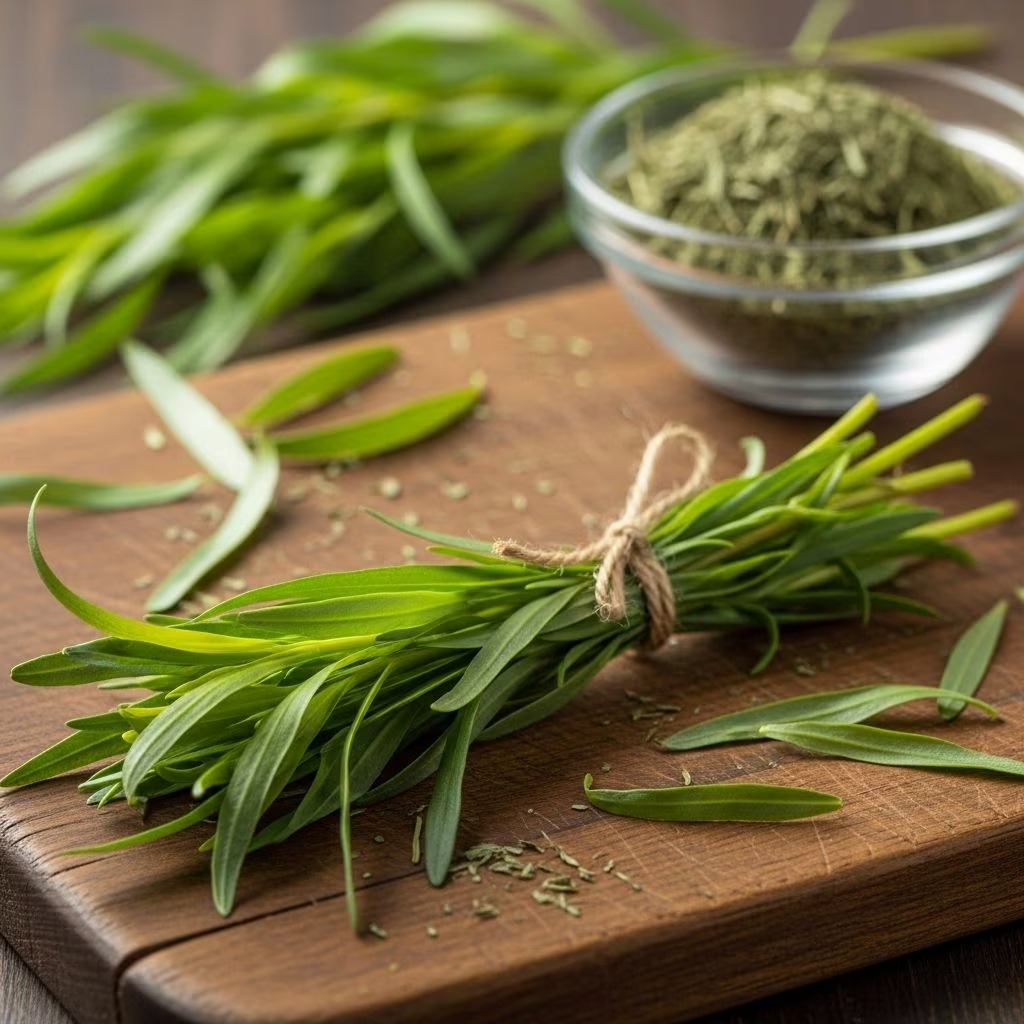
Estragon, more commonly known as tarragon, is a treasured perennial herb celebrated for its distinctive anise-like flavor, myriad health benefits, and central role in classic and modern culinary traditions. Whether you’re a chef, gardener, or herb enthusiast, understanding tarragon’s origins, applications, and flavor nuances opens up new possibilities for health and cuisine.
Introduction to Estragon (Tarragon)
Tarragon (scientific name: Artemisia dracunculus), or estragon, is a perennial herb in the Asteraceae (sunflower) family. Known for its slender, glossy green leaves and subtle floral undertones, tarragon thrives in Eurasia and North America and has long been esteemed for its unique combination of culinary and medicinal uses.
Estragon is sometimes referred to as the “King of Herbs” in French cooking, where it is a fundamental component of the classic fines herbes blend and the key flavoring in the iconic Béarnaise sauce.
Botanical Overview and Origin
- Scientific Name: Artemisia dracunculus
- Family: Asteraceae
- Common Names: Estragon, tarragon, dragon herb, French tarragon
- Native Regions: Eurasia (particularly the Mediterranean to Siberia) and North America
- Physical Description: Tarragon is a clump-forming, herbaceous perennial with narrow, lance-shaped leaves. The plant typically grows between 50–150 cm (20–60 inches) tall. It features small, inconspicuous yellow-green flowers, often sterile in cultivated varieties.
Tarragon likely originated in Eastern Europe and Asia, spreading through trade and migration to become a staple in European, particularly French, cuisine. It is named “dragon herb” due to the medieval myth that it could protect against serpents.
Botanical Features Table
| Feature | Description |
|---|---|
| Leaf Shape | Lanceolate (long, narrow, pointed) |
| Height | 50–150 cm (20–60 inches) |
| Color | Shiny green leaves; pale yellow flowers |
| Growth Habit | Clump-forming, bushy perennial |
| Propagation | Via rhizome division or stem cuttings (seed rarely viable in French tarragon) |
Varieties of Tarragon
- French Tarragon (Artemisia dracunculus var. sativa): The prized culinary type; intense anise-like sweetness, uniform flavor, and mostly sterile (propagated by cuttings).
- Russian Tarragon (Artemisia dracunculoides): Hardy and vigorous, but with a notably bitter, less aromatic flavor. Used when growing conditions make French tarragon problematic.
- Mexican Tarragon (Tagetes lucida): Actually a marigold, not a true tarragon, but often used in herbal traditions and cooking where French tarragon will not thrive.
Comparison Table: French vs Russian vs Mexican Tarragon
| French Tarragon | Russian Tarragon | Mexican Tarragon | |
|---|---|---|---|
| Botanical Name | A. dracunculus var. sativa | A. dracunculoides | Tagetes lucida |
| Flavor | Sweet, anise-like, delicate | Bitter, coarse | Anise/licorice, floral |
| Best Use | Culinary, sauces, fresh | Infusions, hardy climates | Teas, Mexican cuisine |
| Propagation | Cuttings/rhizome | Seed/cuttings | Seed/cuttings |
Health Benefits of Tarragon
Though tarragon is primarily used as a seasoning, traditional medicine has prized it for a host of purported medicinal properties. While scientific research has only partially verified these claims, several health-supportive characteristics are widely cited.
- Digestive Aid: Tarragon stimulates appetite and supports digestion—traditionally used to relieve indigestion, flatulence, and poor appetite.
- Anti-inflammatory Effects: Contains phytonutrients that may help alleviate inflammation and soothe irritated tissues.
- Antioxidant Properties: Rich in compounds like flavonoids and phenolic acids, which help neutralize free radicals in the body.
- Mild Sedative: Traditionally used as a gentle remedy for insomnia and anxiety; sometimes included in calming herbal teas.
- Diuretic Effect: Promotes healthy fluid balance by encouraging urination, thus supporting kidney function.
- Women’s Health: Folk medicine reports its use to reduce menstrual discomfort.
- May Assist in Blood Sugar Control: Preliminary studies suggest tarragon may support healthy blood glucose levels.
Note: While tarragon has a long history of use in herbal medicine, always consult a healthcare provider before using it for health conditions, especially in high doses or as a supplement.
Culinary Uses of Tarragon
Tarragon remains an essential ingredient in diverse cuisines, valued for its fresh, sweet, green notes reminiscent of licorice and anise. Its delicate touch enhances everything from sauces to salads, eggs to poultry, with a particular affinity for French and Eurasian dishes.
Classic Culinary Applications
- French Cuisine:
- Main herb in fines herbes blend (with parsley, chives, and chervil)
- Essential to Béarnaise sauce
- Pounded with butter for fish, steak, and vegetables
- Infused in vinegar for tarragon vinegar
- Salads: Adds fresh flavor to green salads or potato salads.
- Poultry and Eggs: Elevates chicken, turkey, and egg dishes; perfect in omelets and quiches.
- Seafood: Used in marinades for fish and seafood, or as a finishing herb.
- Vegetables: Enhances mushrooms, tomatoes, carrots, and green beans.
- Infused Beverages and Condiments: Used to flavor carbonated soft drinks (like “Tarkhuna” in Eastern Europe), mustards, and pickles.
Culinary Uses Around the World
- France: Applied in sauces, vinaigrettes, and as a staple in roasted meats.
- Eastern Europe & Caucasus: Key ingredient in pickled cucumbers and a signature touch in traditional dishes like Chakapuli (Georgia) and pickled vegetables in Armenia and Iran.
- Middle East: Used with soft white cheeses and yogurt-based salads.
- Costa Rica & Latin America: Modern fusion cuisine emphasizes tarragon’s pairing with tropical fruits and grilled seafood.
Cooking Tips
- Fresh vs. Dried: Fresh tarragon offers the boldest flavor—add at the end of cooking to preserve its delicate oils. Dried tarragon is milder and best for long-cooked dishes.
- Pairings: Blends well with lemon, butter, vinegar, white wine, pepper, and mild cheeses.
- Substitution: If French tarragon is unavailable, try a small amount of fennel fronds or chervil, though these lack tarragon’s unique complexity.
How to Grow and Harvest Tarragon
Tarragon is a rewarding addition to home gardens and containers, thriving on minimal care once established.
- Site: Prefers well-drained, moderately fertile soil and a sunny location. Avoid overly wet roots.
- Planting: Best started from root divisions or cuttings. French tarragon rarely produces viable seed.
- Watering: Maintain evenly moist but not waterlogged soil; drought tolerant when mature.
- Harvesting: Pick tender young shoots as needed. Regular trimming encourages fullness and leafy growth.
- Pests/Diseases: Generally pest-free but watch for root rot in poorly draining soils.
In colder climates, tarragon will die back in winter but regrow in spring. Container-grown tarragon can be overwintered indoors in bright light.
Storing and Preserving Tarragon
- Fresh: Store in the refrigerator, loosely wrapped in a damp paper towel, or upright in a glass of water (like fresh parsley).
- Drying: Air-dry leaves in small bunches out of direct sunlight. The flavor is subdued in dried form compared to fresh.
- Freezing: Strip leaves from stems, chop, and freeze in ice cube trays with water or oil for later use in cooked dishes.
- Vinegar/Infusions: Place fresh sprigs in vinegar or oil for homemade tarragon vinegar/oil (sterilize containers beforehand).
Taste and Aroma Profile
Tarragon’s signature taste is often described as bittersweet, blending anise and licorice notes with subtle peppery undertones. This flavor comes from the natural compound estragole, which imparts its characteristic aroma and taste.
The taste intensifies in fresh leaves and mellows when dried or cooked, so it’s recommended to add tarragon towards the end of cooking. The aroma is bright and inviting, lending complexity to simple dishes.
Tarragon Flavor Pairings (Quick List)
- Poultry (chicken, turkey)
- Seafood (salmon, white fish)
- Eggs and omelets
- Lemon, lime, citrus
- Butter and cream sauces
- Potatoes
- Cheeses (especially soft, creamy varieties)
- Tomatoes and mushrooms
Safety and Considerations
Tarragon is safe for culinary use in dishes and teas at standard quantities. However, because estragole (the compound that gives tarragon its aroma) has demonstrated carcinogenic effects in high doses in animal studies, individuals should avoid consuming extremely large amounts of tarragon or its essential oil.
- Do not use tarragon essential oil medicinally without professional supervision.
- Pregnant or breastfeeding women and individuals with allergies to Asteraceae family plants should exercise caution.
For typical culinary usage—such as several fresh leaves or a spoonful of dried herb—the risk is negligible, well within safety guidelines.
Frequently Asked Questions (FAQs)
Q: What is the difference between estragon and tarragon?
A: There is no difference! ‘Estragon’ is the French and Spanish name for ‘tarragon.’ Both refer to Artemisia dracunculus.
Q: Can tarragon be substituted in recipes?
A: While tarragon’s flavor is unique, small amounts of fennel frond, chervil, or anise seed can be used as replacements. However, these alternatives won’t precisely replicate tarragon’s distinct taste.
Q: How can I maximize the flavor of tarragon in my cooking?
A: Use fresh tarragon whenever possible, and add towards the end of cooking or as a garnish to preserve its aromatic oils.
Q: Is it safe to eat tarragon every day?
A: Consuming tarragon as a fresh or dried herb in food is safe for most people. High doses of tarragon oil or very large quantities of the herb should be avoided without medical advice.
Q: What does tarragon pair best with?
A: Tarragon balances creamy, egg, chicken, and fish dishes, and pairs well with lemon, butter, mustard, and mild cheeses.
Q: Can I grow tarragon at home?
A: Yes, tarragon grows well in pots or gardens in sunny, well-drained areas. French tarragon should be propagated from cuttings rather than seed.
References
- https://ticotimes.net/2023/04/30/tarragon-for-seasoning-and-health
- https://en.wikipedia.org/wiki/Tarragon
- https://www.gardenia.net/plant/artemisia-dracunculus
- https://plants.ces.ncsu.edu/plants/artemisia-dracunculus/
- https://pmc.ncbi.nlm.nih.gov/articles/PMC8076785/
- https://www.ahpa.org/herbs_in_history_tarragon
- https://www.masterclass.com/articles/how-to-plant-and-harvest-tarragon


