


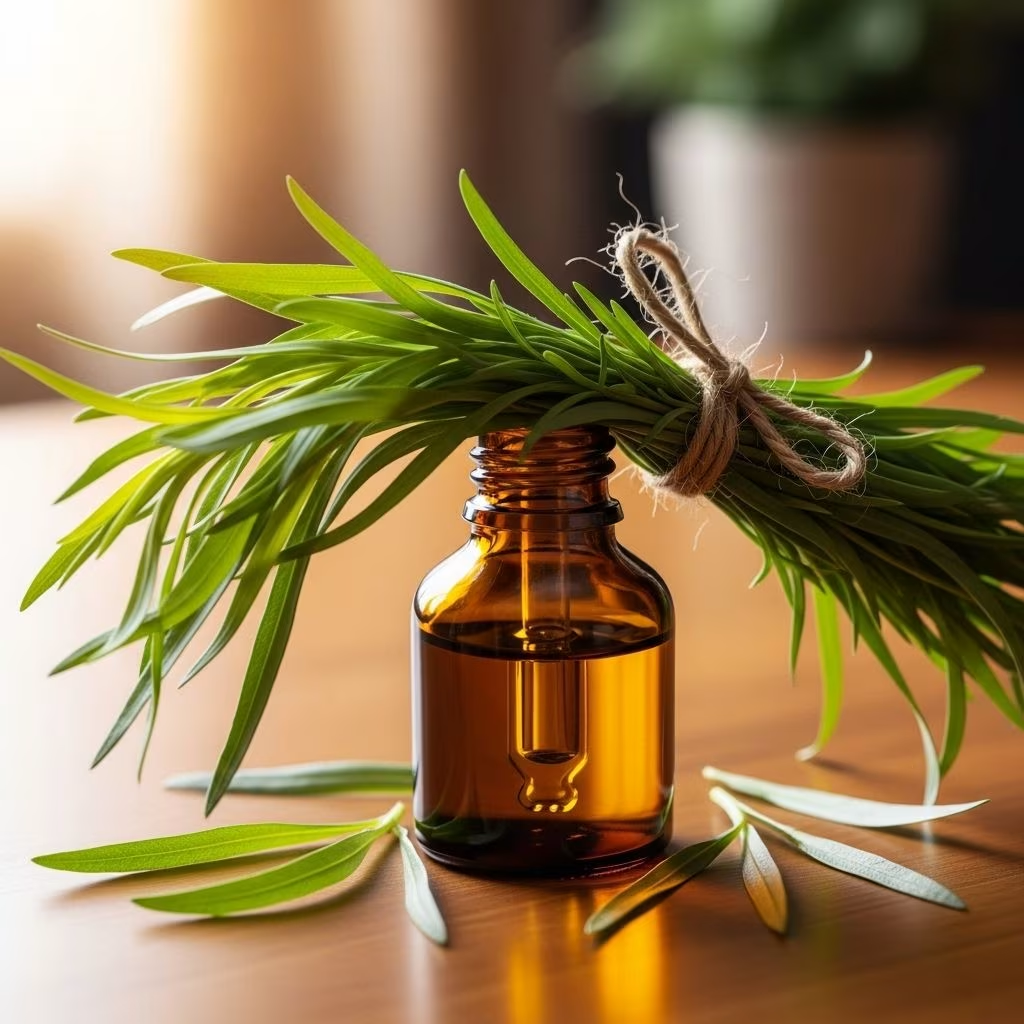
Tarragon Oil for Hair: Benefits, How to Use & Essential Tips
Tarragon oil, derived from the aromatic herb Artemisia dracunculus, has emerged as a promising natural ingredient in holistic hair care. With a rich history in herbal medicine and diverse wellness traditions, tarragon oil’s unique blend of antioxidants, anti-inflammatory agents, and essential nutrients supports scalp health and hair vitality, making it a versatile addition to contemporary hair rituals.
Introduction to Tarragon Oil for Hair
Tarragon’s potent blend of antioxidants and essential nutrients makes it a sought-after remedy for hair health. Traditionally celebrated for its culinary and medicinal properties, tarragon’s role in hair care stems from its ability to fight scalp irritation, promote hair growth, and enrich the hair shaft, revealing stronger, glossier tresses.
Origin and Botanical Profile of Tarragon
Tarragon is a perennial herb belonging to the Asteraceae family. Native to Eurasia and North America, it has been valued since ancient Greek and Roman times, both in cuisine and herbal medicine. The botanical name, Artemisia dracunculus, refers to its twisting roots—hence its traditional nickname, “little dragon.” Tarragon’s leaves impart a distinct anise-like flavor, which has made it popular in European culinary traditions and, more recently, in natural beauty formulations.
Core Hair Benefits of Tarragon Oil
Tarragon oil’s advantages for hair encompass both direct and indirect effects:
- Rich in Antioxidants: Protects hair follicles from free radicals, environmental pollutants, and UV damage, thereby reducing premature aging of both scalp and hair.
- Anti-Inflammatory Properties: Soothes scalp irritation, assists in managing dandruff, and promotes a calm scalp suitable for hair growth.
- Antibacterial and Antimicrobial Effects: Helps maintain a clean scalp, minimizing conditions that can inhibit healthy hair growth.
- Scalp Nourishment: Provides essential vitamins such as vitamin A, C, and minerals that nourish hair roots and fortify the hair shaft.
- Improved Hair Lustre and Manageability: Restores a healthy shine, reduces dullness, and helps control frizz.
- Stimulates Hair Growth: By enhancing blood circulation at the scalp, tarragon oil may contribute to improved nutrient delivery to active follicles.
Summary Table: Key Hair Benefits of Tarragon Oil
| Benefit | Description | Primary Mechanism |
|---|---|---|
| Antioxidant Action | Protects from oxidative stress and environmental damage | Vitamin C, Ocimene, Estragole |
| Soothes Scalp Irritation | Calms inflamed or itchy scalp | Anti-inflammatory phytochemicals |
| Strengthens Hair Follicles | Reduces hair breakage, supports growth | Minerals & improved circulation |
| Improves Shine & Frizz Control | Makes hair lustrous and smooth | Essential oils, antioxidants |
Active Components in Tarragon Oil
Tarragon oil’s efficacy depends on its rich phytochemical composition:
- Estragole (Methyl Chavicol): Aromatic compound responsible for tarragon’s sweet, anise-like scent; may support blood flow and promote relaxation.
- Ocimene: A monoterpene credited with antioxidant and anti-inflammatory properties, helping protect and rejuvenate hair tissue.
- Vitamins and Minerals: Includes vitamins A, C, magnesium, and potassium, which fortify the scalp and hair structure.
- Terpenoids and Flavonoids: Enhance scalp health by combating oxidative damage and supporting cellular repair.
How to Use Tarragon Oil for Hair
Tarragon oil can be integrated into hair care routines in several ways. As with all essential oils, it should be diluted before applying to skin or scalp to avoid irritation. Below are proven methods for effective use:
1. Tarragon Oil Scalp Massage
- Mix 3–5 drops of tarragon oil with 2 tablespoons of carrier oil (such as coconut, jojoba, or olive oil).
- Massage gently into the scalp for 5–10 minutes to enhance circulation and promote hair growth.
- Allow to sit for 30–60 minutes, then shampoo as usual.
2. Tarragon Oil Infused Hair Mask
- Combine tarragon oil (3 drops) with yogurt, aloe vera gel, or mashed avocado.
- Apply the mixture to the scalp and hair lengths, covering with a shower cap for 30 minutes.
- Rinse thoroughly with lukewarm water.
3. Boosting Shampoo or Conditioner
- Add 2–4 drops of tarragon oil to regular shampoo or conditioner.
- Mix well and apply as part of your usual wash routine.
4. Leave-In Treatment for Shine and Frizz Control
- Make a leave-in spray by adding 2 drops tarragon oil to 100ml distilled water and 5ml aloe vera juice.
- Mist lightly over clean, towel-dried hair to boost shine and reduce frizz.
Practical Application Methods
For optimal results, incorporate tarragon oil into your routine 2–3 times per week:
- Direct Scalp Application: Best for hair growth and scalp soothing. Always dilute to minimize risks.
- Hair Ends Treatment: Target split ends or frizzy hair for enhanced smoothness and shine.
- Hot Oil Treatment: Warm a blend of tarragon and carrier oil, apply for 30 minutes under a shower cap, and rinse.
Always perform a patch test before first use to ensure no allergic reaction occurs.
Tips for Maximizing Results
- Use quality, pure tarragon essential oil for best results.
- Mix with nourishing ingredients like honey or olive oil for added benefit.
- Do not exceed recommended dosage (few drops per application); essential oils can be potent.
- Combine with scalp massage to stimulate blood flow and enhance absorption.
- Consider alternating tarragon oil with other strengthening oils like rosemary or argan for holistic care.
- Keep your hair and scalp clean between treatments to prevent buildup.
Safety Precautions and Common Concerns
- Tarragon oil is generally safe for all hair types; however, those with sensitive skin or allergies should conduct a patch test before full application.
- Keep oil away from eyes and mucous membranes; rinse well in case of accidental contact.
- Use diluted oil (with carrier oils) to avoid irritation or excessive greasiness.
- Discontinue use if any itching, irritation, or redness occurs; consult a healthcare provider if symptoms persist.
- Essential oils, including tarragon, should not be ingested or used by pregnant women without medical advice due to potential risks.
- Store tarragon oil in a cool, dark place; seal tightly to preserve potency.
Frequently Asked Questions (FAQs)
Q: Can tarragon oil help with hair loss?
A: Tarragon’s antioxidant and anti-inflammatory compounds may help soothe the scalp, promote healthy follicles, and reduce hair loss when used regularly.
Q: How often should tarragon oil be used on hair?
A: Most users find 2–3 applications per week optimal. Excess use can lead to buildup; balance is key.
Q: Is tarragon oil suitable for all hair types?
A: Yes, it is generally safe for all hair types, but sensitive individuals should always do a patch test first.
Q: Can tarragon oil improve scalp health and fight dandruff?
A: Its anti-inflammatory action helps soothe irritation and can be beneficial for combating mild dandruff or scalp discomfort.
Q: Are there any side effects associated with tarragon oil?
A: Side effects are rare, but allergic reactions (itching, redness, irritation) may occur in sensitive users. Discontinue use immediately and consult a physician if symptoms appear.
Q: Can pregnant women use tarragon oil?
A: Essential oils should be used cautiously during pregnancy; consult a healthcare provider before using tarragon oil.
Conclusion
Tarragon oil, long celebrated for its culinary and medicinal values, is now recognized for its powerful impact on hair health. With a unique balance of antioxidants, anti-inflammatory agents, and vital nutrients, tarragon oil offers a natural way to enhance shine, manage frizz, support scalp health, and stimulate hair growth. By adopting safe, effective use strategies and observing key precautions, users can tap into this botanical remedy to achieve healthier, more vibrant hair—naturally.
References
- https://botanicheals.com/tarragon-benefits-for-hair/
- https://www.penny-price.com/blogs/news/tarragon-essential-oil
- https://miraclebotanicals.com/a/blog/tarragon-the-little-dragon-of-plant-medicine
- https://jordantimes.com/news/features/tarragon-treasure-medical-miracle
- https://nikura.com/blogs/essential-oils/benefits-and-uses-of-tarragon-oil
- https://www.medicalnewstoday.com/articles/tarragon-benefits
- https://www.healthline.com/nutrition/tarragon-benefits-uses
- https://www.wholefoodsmagazine.com/articles/17688-herb-of-the-month-tarragon


