


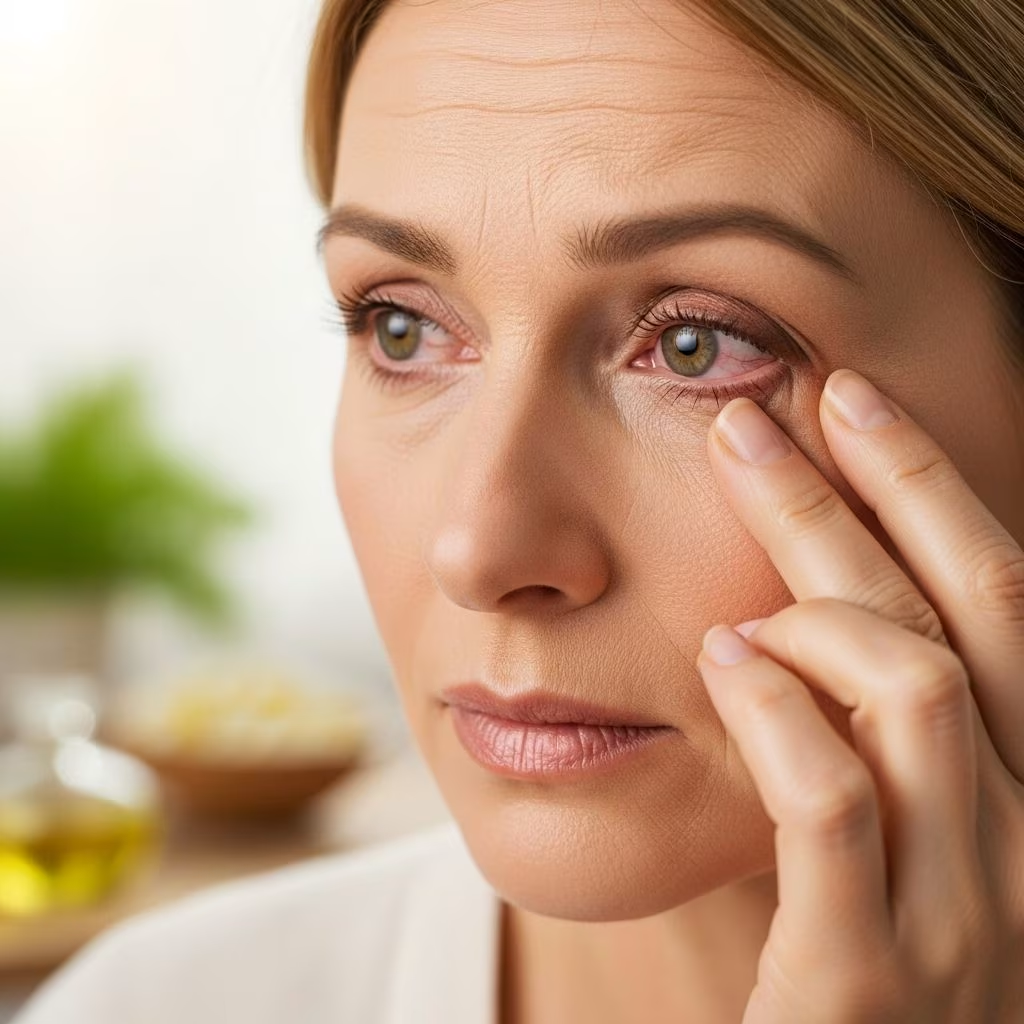
Menopause Dryness: Natural Remedies for Sore Eyes
Menopause is a significant life phase that brings a variety of physical and emotional changes. While hot flashes, mood swings, and weight changes are well-known symptoms, dry, sore, and irritated eyes are often overlooked. This article explores the connection between menopause and eye dryness, details on why this happens, and provides a comprehensive guide to natural remedies and lifestyle adjustments to soothe and protect your vision.
Understanding Menopause and Eye Dryness
As women transition through menopause, the dramatic shifts in hormone levels—particularly estrogen and androgen—can impact the function of the meibomian and lacrimal glands in the eyelids. These glands are responsible for producing the oils and fluids that keep eyes moisturized and protected. Hormonal fluctuations can reduce their output, leading to various signs and symptoms of dry eyes.
- Scratchy or gritty sensation in the eyes
- Redness and irritation not related to infection
- Excessive tearing (a paradoxical response to dryness)
- Light sensitivity
- The urge to rub your eyes frequently
- Intermittent blurry vision or eye fatigue
Many women find these symptoms frustrating, interfering with daily activities such as reading, working at a computer, or enjoying the outdoors.
Why Do Dry Eyes Occur During Menopause?
The underlying cause of dryness is mainly hormonal. Before menopause, estrogen and androgen help stimulate the glands that produce tears and the lipid layer, which slows evaporation from the eye’s surface. As their levels fall:
- The lacrimal glands may generate less tear fluid
- The meibomian glands may secrete less oily substance, causing faster tear evaporation
- Changes in skin and mucosal membranes can lead to increased dryness throughout the body, including the eyes
Other Triggers and Risk Factors
Certain medications (such as antihistamines, antidepressants, and diuretics), environmental factors (dry, windy, or air-conditioned environments), and lifestyle factors (such as prolonged contact lens wear or excessive screen time) can make eye dryness worse during menopause.
Natural Remedies for Menopause-Related Dry Eyes
While persistent or severe symptoms should always be discussed with your eye doctor or general practitioner, many women can find relief through natural measures and home self-care. Below, we detail trusted strategies and remedies:
1. Lubricating Eye Drops
Over-the-counter lubricating eye drops (also called artificial tears) can provide quick relief by supplementing natural tear production.
- Use preservative-free formulations to minimize irritation
- Apply regularly, especially in dry or dusty environments
- Brands like Systane, Refresh, or RAIN are often recommended
2. Warm Compresses
Applying a warm, damp compress (such as a clean washcloth or reusable eye mask) over your closed eyelids can:
- Stimulate oil production from the meibomian glands
- Open blocked glands and improve tear film quality
Use daily for 5 to 10 minutes for best results.
3. Eyelid Hygiene
Gently cleaning your eyelids removes debris and makeup that may clog the glands around your eyes.
- Use warm water with a drop of mild, preservative-free baby shampoo
- Commercial eyelid cleansers are available for sensitive skin
4. Diet: Hydration and Balanced Nutrition
What you eat (and drink) can make a noticeable impact on eye moisture:
- Stay hydrated: Drink at least 6–8 glasses of water daily
- Incorporate foods rich in omega-3 fatty acids (e.g., salmon, sardines, walnuts, flaxseed) to support tear quality
- Eat a rainbow of colorful fruits and vegetables for antioxidants and vitamins (Vitamin A, C, and E)
- Reduce caffeine and alcohol, both of which can cause dehydration
5. Omega-3 and Other Dietary Supplements
Research has explored the role of Omega-3 fatty acids in reducing dry eye symptoms. Other supplements sometimes recommended for menopause-related dryness include:
- Vitamin D
- Black cohosh
- Maca powder
- Evening primrose oil
- St John’s wort
- Ginseng
- Red Clover
- Wild yam
Always consult your doctor before starting new supplements, especially if you are on other medications.
6. Humidity Control
Dry indoor air is a common trigger for eye irritation and dryness. To mitigate this:
- Run a humidifier in your bedroom or office
- Keep humidity between 40–60% for optimal comfort
- Set bowls of water near heat sources in winter to add moisture
7. Sleep and Lifestyle Habits
Healthy lifestyle choices can help reduce the cycle of eye discomfort:
- Establish a consistent sleep schedule
- Practice a calming bedtime routine (limit screens and bright lights before bed)
- Use blackout curtains and minimize blue light exposure at night
- Keep bedroom alcohol- and caffeine-free in the evenings
Fatigue can intensify symptoms of dry eyes, so restful sleep is critical during menopause and beyond.
8. Resting Your Eyes and Screen Time Management
Prolonged computer or smartphone use decreases blink rate, leading to increased evaporation of your tears:
- Follow the 20-20-20 rule: Every 20 minutes, look at something 20 feet away for 20 seconds.
- Frequent blinking and regular eye breaks are essential.
- Use screen filters and blue-light blocking lenses if sensitive to glare.
9. Eye Protection and Environmental Adjustments
- Wear wraparound sunglasses when outdoors to shield eyes from wind and sun
- Avoid sitting directly under fans or air conditioner vents
- Limit exposure to cigarette smoke and other pollutants
10. Reevaluate Contact Lens Use
Contacts may worsen dry eye symptoms during menopause. Consider taking a break and switching to glasses until symptoms stabilize. If lens wear is essential, talk to your eye care provider about lenses specifically designed for dry eyes or use lubricating drops designed for contact lens wearers.
11. Herbal and Plant-Based Remedies
Some herbal remedies with estrogenic properties (phytoestrogens) are popular for menopause support. These may indirectly help eye dryness by addressing general hormonal balance. Examples include:
- Soy isoflavones
- Red clover
- Licorice root
The scientific evidence for direct effects on eye dryness is limited, and some herbs interact with medications. Consult a medical provider before use.
When to See a Doctor
While most cases of dry eyes during menopause can be effectively managed with the self-care tips detailed above, some situations require professional evaluation:
- Pain, redness, or change in vision persists despite home remedies
- Discharge, swelling, or increased sensitivity to light develops
- Symptoms interfere significantly with daily life or work
An ophthalmologist or optometrist may suggest other interventions, such as prescription eye drops, medications to stimulate tear production, or in-office procedures (like prescription punctal plugs to reduce tear drainage).
Comprehensive Table: Natural Remedies for Menopausal Dry Eye
| Remedy | How It Helps | Suggested Actions |
|---|---|---|
| Artificial Tears | Supplement moisture and relieve irritation | Preservative-free drops used as needed |
| Warm Compress | Opens glands, increases oil flow | Apply daily, 5–10 minutes |
| Dietary Omega-3 | Improves tear quality, anti-inflammatory | Consume fatty fish/seeds, consider supplements |
| Humidifier | Prevents indoor air from drying eyes | Use in bedroom/office, especially in winter |
| Hydration | Maintains eye and skin moisture | Drink plenty of water (6-8 glasses daily) |
| Rest and Sleep | Helps body and eyes repair overnight | Establish healthy sleep habits |
| Environmental Adjustments | Reduces exposure to drying factors | Avoid AC vents, direct wind, smoke |
Hormone Replacement Therapy and Medical Intervention
If dryness is severe or unresponsive, hormone replacement therapy (HRT) may be discussed with your physician. While HRT can help balance hormonal levels and potentially relieve eye dryness and other menopausal symptoms, some women may find their eyes worsen with certain HRT types. Always discuss risks and benefits with a specialist, as responses are individual.
Tips for Preventing and Managing Dry, Sore Eyes During Menopause
- Monitor medication side effects—talk to your doctor if you notice eye symptoms after starting a new prescription.
- Practice daily eye and eyelid hygiene.
- Eat a varied, hydrating, and eye-friendly diet.
- Take regular screen breaks and stretch your eyes and body.
- Keep an up-to-date prescription for glasses or contacts.
Frequently Asked Questions (FAQs)
Q: Are dry eyes a common symptom during menopause?
A: Yes, dry, irritated, or gritty eyes are common as hormone changes affect tear production and the eye’s ability to retain moisture.
Q: Will my dry eyes go away after menopause?
A: In some women, symptoms improve as hormones stabilize post-menopause, but for many, dryness can persist and require ongoing management.
Q: What is the best natural remedy for dry eyes during menopause?
A: Most women benefit from a combination of remedies: lubricating eye drops, omega-3-rich foods, good eyelid hygiene, and avoiding dry environments.
Q: Can menopause supplements help my eye dryness?
A: Certain supplements (like omega-3s, vitamin D, black cohosh) may help, but consult your doctor first, especially if you take other medications or have health conditions.
Q: When should I see a doctor for menopause-related dry eyes?
A: See an eye care professional if you experience pain, persistent redness, vision changes, or if home remedies are ineffective.
Takeaway
Menopausal dry eye is a common, under-recognized condition that significantly impacts quality of life. By understanding why it happens and following a holistic plan—including hydration, nutrition, self-care, and professional support—most women can find lasting relief, supporting both eye health and overall wellbeing for the years ahead.
References
- https://atlanticeyeinstitute.com/dry-eyes-after-menopause-prevention-relief/
- https://www.avogel.ie/health/menopause/symptoms/dry-tired-irritated-eyes/
- https://www.goodeyes.com/dry-eye/home-remedies-dry-eyes/
- https://www.healthline.com/health/dry-eye/simple-home-remedies-for-dry-eyes
- https://www.optometrists.org/general-practice-optometry/guide-to-eye-conditions/dry-eye/natural-remedies-for-dry-eyes/
- https://www.webmd.com/eye-health/dry-eyes-home-remedies
- https://stoneycreekeyecare.com/5-home-remedies-for-dry-eye/
- https://dryeyesclinic.co.uk/how-to-prevent-dry-eyes-naturally/
- https://myeyewellness.com/10-home-remedies-for-dry-eye/


