


Introduction
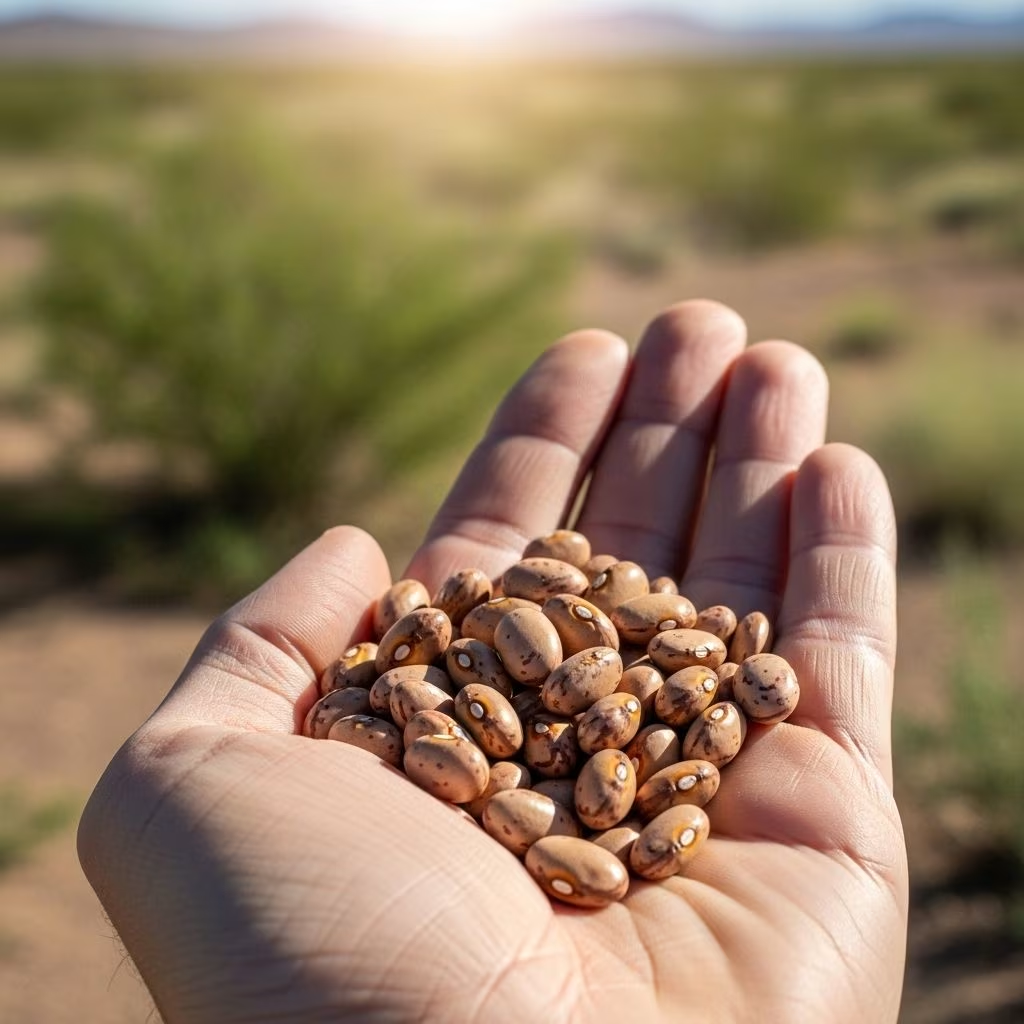
Tepary bean (Phaseolus acutifolius) is a drought-resistant legume indigenous to the deserts of the southwestern United States and Mexico. Prized for more than 5,000 years, it is celebrated for its resilience, unique taste, and exceptional nutritional value. Today, tepary beans are emerging as a climate-smart, heritage superfood suited to modern kitchens and sustainable agriculture.
History and Origin
Tepary beans have deep roots in Indigenous agriculture and cuisine. Originating in the arid regions of present-day Arizona, New Mexico, Texas, and western Mexico, they were vital to communities facing harsh climates and variable rainfall.
- First domesticated over 5,000 years ago by Indigenous peoples of the Southwest and northwestern Mexico.
- Grown in arroyos (seasonal creek beds) timed with summer monsoons, utilizing sporadic rains for irrigation and deep soil moisture.
- Played a crucial role in regional diets as a dependable plant protein source.
Their status as cultural and culinary staples persists, with renewed attention to their sustainability and health benefits.
Botanical Characteristics
The tepary bean belongs to the same genus as common beans (Phaseolus vulgaris) but exhibits remarkable adaptations to desert environments.
- Growth Habit: Wild types are trailing vines that climb shrubs and trees, while domesticated forms are bushier, with narrow, pointed trifoliate leaves.
- Flowers: Generally white or light-colored.
- Pods: Small and flat, 1.25 to 3 inches long, each containing 2 to 7 seeds.
- Roots: Develop deep root systems for accessing water well below the soil surface, a key drought adaptation.
- Seed Colors: Domesticated tepary beans can be brown, beige, black, mottled, or white.
Tepary bean plants are remarkable for surviving intense heat that would halt reproduction in other beans; they can set seed at temperatures above 105°F, versus 80–85°F for common beans.
Varieties of Tepary Bean
- White Tepary Beans: Smooth, creamy, and slightly sweet; best for delicate dishes and dips.
- Brown Tepary Beans: Nutty, robust, and savory; ideal for hearty stews and salads.
- Black Tepary Beans: Less common; similar nutty flavor with a richer earthiness.
Nutritional Benefits
Tepary beans are considered a superfood due to their impressive nutrient profile.
| Nutrient (per ½ cup dry) | Amount | Key Benefits |
|---|---|---|
| Protein | 23–24 g | Supports muscle growth, energy, and satiety |
| Dietary Fiber | 56 g | Promotes gut health, lowers cholesterol, regulates blood sugar |
| Calcium | Up to 70% DV* | Supports bone health |
| Iron | Up to 150% DV* | Essential for blood and energy |
| Magnesium, Potassium, Zinc | High | Vital for metabolism, immunity, heart health |
| Unsaturated Fats | 67% | Promotes cardiovascular health |
| Glycemic Index | Low | Helps regulate blood sugar and supports diabetic diets |
*DV = Daily Value, as estimated for typical adult diets.
- High in both protein and fiber, more than many common beans.
- Packed with minerals including calcium, magnesium, potassium, iron, copper, zinc, manganese, and sulfur.
- Boasts a favorable fat profile — 67% unsaturated fatty acids, including 24% monounsaturated and 42% polyunsaturated — heart-healthy compared to other beans.
- Low glycemic index makes them ideal for regulating blood sugar.
These qualities position tepary beans as an ideal component of plant-based and diabetes-friendly diets.
Culinary Uses
Tepary beans have been a staple of Indigenous cuisines for millennia and are enjoying a resurgence as a versatile, sustainable food.
- Soups and Stews: Retain their shape—a unique trait—adding hearty texture without becoming mushy. Their robust flavor shines in chilis and pozoles.
- Salads: Used cold or warm; their firmer texture provides satisfying bite.
- Dips and Spreads: Blended into smooth, creamy dips, including traditional hummus or southwestern bean dips.
- Meat Alternatives: Mashed or processed into plant-based patties or burger blends.
- Side Dishes: Steamed or braised for a nutty, savory side—excellent with grains or roasted vegetables.
Their flavor and resilience to overcooking enable applications in both traditional and innovative recipes. Tepary bean flour is sometimes used for gluten-free baking.
Taste and Varieties
Tepary beans distinguish themselves from common beans in both taste and texture:
- Earthier, heartier flavor than pinto or black beans.
- White tepary beans: Delicate, creamy, slightly sweet.
- Brown tepary beans: More robust, nutty, and savory.
- Black tepary beans: Rich, earthy, less common.
Tepary beans absorb spices and stock well, pairing with southwestern seasonings, citrus, or fresh herbs. Their texture is firmer and less starchy than most legumes, making them ideal for salads and cold dishes as well as hot mains.
Climate-Smart Agriculture
Tepary beans exemplify climate resilience:
- Thrive under water stress and require minimal irrigation, making them among the lowest-water-use legumes globally.
- Can set seed at temperatures over 105°F, whereas most beans fail beyond 85°F.
- Deep root systems, small leaves, and stomatal control dramatically reduce water needs and improve drought survival.
- Tolerant to low soil fertility, performing well where other crops struggle.
- Symbiotic with nitrogen-fixing bacteria, enriching poor soils and reducing need for fertilizers.
This unique physiology makes tepary beans a model for climate-friendly eating and farming—key for food security in arid and warming regions.
Cultivation and Sustainability
Tepary beans are easily cultivated in marginal soils and dry climates.
- Ideal for dryland farming and regenerative agriculture.
- Used in crop rotation to restore soil fertility via nitrogen fixation.
- Minimal need for chemical input; resistant to many common bean diseases.
- Contribute to biodiversity and ecological resilience.
Their hardiness means small-scale growers can succeed in regions vulnerable to drought and heat.
Comparisons with Other Beans
| Feature | Tepary Bean | Common Bean (Pinto, Black) |
|---|---|---|
| Drought Tolerance | Exceptional; thrives in desert conditions | Moderate; struggles under high heat/drought |
| Growth Temperature | Can set seed over 105°F | Stops seed set above 85°F |
| Fiber Content | Highest among legumes | High, but less than tepary |
| Protein Content | 23–24 g (per ½ cup dry) | 15–18 g (per ½ cup dry) |
| Flavor | Earthy, nutty, savory | Bland or starchy |
| Water Requirement | Extremely low | High |
Frequently Asked Questions (FAQs)
Q: Are tepary beans gluten-free?
A: Yes, tepary beans are naturally gluten-free.
Q: How do I cook tepary beans?
A: Rinse and soak for 6–8 hours, then simmer for 1 to 2 hours until tender. Tepary beans retain their shape better than other legumes.
Q: Where can I buy tepary beans?
A: Specialty stores, Indigenous food vendors, and some online retailers offer tepary beans. They are still rarer than common beans but gaining popularity.
Q: Can tepary beans be substituted for other beans in recipes?
A: Yes, they make excellent substitutes in most bean-based recipes, adding a unique flavor and firmer texture.
Q: Are tepary beans suitable for vegan and vegetarian diets?
A: Absolutely. With their high protein, fiber, and mineral content, tepary beans are a superb plant-based nutrition source.
Conclusion
Tepary beans are more than just a food; they are a testament to agricultural ingenuity and cultural resilience. Their drought-tolerance, superior nutrition, and savory taste position them as a true superfood for climate-smart diets. By reintroducing tepary beans into mainstream cuisine and agriculture, we honor thousands of years of Indigenous wisdom and help secure healthy, sustainable food futures for generations to come.
References
- https://pmc.ncbi.nlm.nih.gov/articles/PMC8747739/
- https://www.boonvillebarn.com/blogs/updates-from-the-farm/its-bean-month-tepary-beans-february-2025
- https://plants.usda.gov/DocumentLibrary/plantguide/pdf/cs-pg_phac.pdf
- https://www.goodfoodfinderaz.com/blog/2024/12/27/tepary-beans-arizonas-superfood
- https://colostate.pressbooks.pub/understudiedindigenouscrops/chapter/tepary-bean/
- https://www.nativeseeds.org/pages/tohono-oodham-white-tepary-bean
- https://www.nativeseeds.org/blogs/blog-news/celebration-of-tepary-beans-part-1
- https://www.farmprogress.com/management/tepary-beans-ready-for-prime-time-agriculture-
- https://www.adaptiveseeds.com/product/vegetables/beans/tepary-bean-sacaton-brown-organic/


