


Table of Contents
\n
- \n
- Introduction
- History and Development of Triticale
- Botanical Characteristics
- Nutritional Benefits
- Agricultural and Environmental Benefits
- Commercial Uses of Triticale
- Culinary Uses and Taste
- Triticale vs Wheat vs Rye
- Production and Global Impact
- Future Perspectives and Innovations
- Frequently Asked Questions (FAQs)
\n
\n
\n
\n
\n
\n
\n
\n
\n
\n
\n
\n\n
Introduction
\n
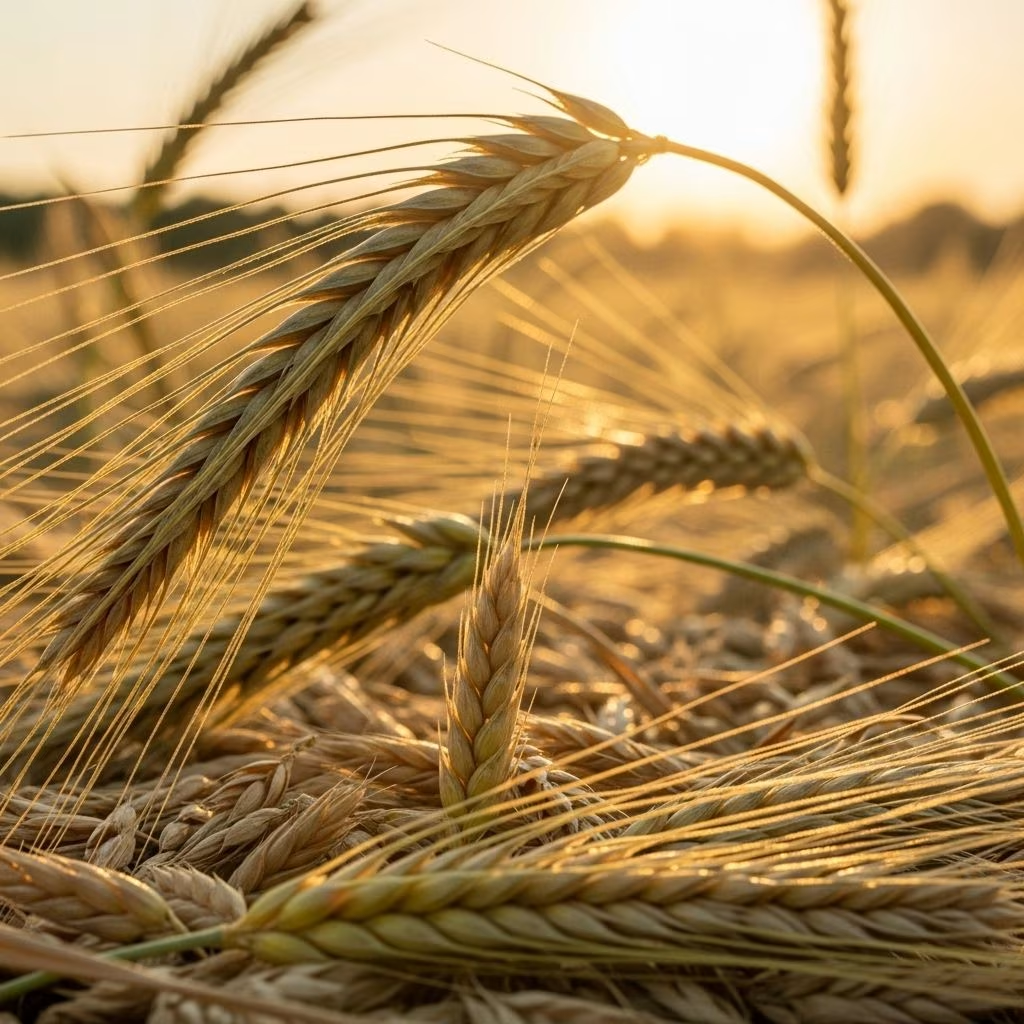
Triticale (Triticosecale) is a unique hybrid cereal created by crossing wheat (Triticum) and rye (Secale). Designed to combine the high yield and grain quality of wheat with the resilience and disease resistance of rye, triticale has gained recognition as a versatile crop for both human consumption and animal feed.
\n
Triticale is typically pronounced \”trit-uh-kay-lee\” though some say \”trit-uh-kale.\” The name is derived directly from its parent grains’ scientific names.
\n\n
History and Development of Triticale
\n
- \n
- Origin: First bred in the late 19th century in Scotland and Germany.
- Early Purpose: Sought to merge wheat’s productivity and quality with rye’s hardiness and tolerance to adverse conditions.
- Breeding Process: Created by crossing wheat (female parent) and rye (male parent), initially resulting in sterile hybrids. Fertile plants were produced using colchicine to induce polyploidy (doubling chromosome count).
- Commercial Varieties: The first commercial triticale variety appeared in 1970.
\n
\n
\n
\n
\n
The evolution from botanical curiosity to an influential agricultural species involved intensive breeding, especially in the 1950s with the development of cytologically stable secondary hexaploids.
\n\n
Botanical Characteristics
\n
Triticale is an amphidiploid—possessing the complete chromosome sets of both wheat and rye.
\n
- \n
- Most commercial triticale is a second-generation hybrid.
- Can resemble either parent depending on cultivar: spikes, awns, and color vary.
- Demonstrates strong self-pollination ability like wheat but retains rye’s hardiness.
\n
\n
\n
\n
Triticale can be grown as a winter or spring crop. Its robust root system allows it to perform well in poor soils and under drought or cold conditions.
\n\n
Nutritional Benefits
\n
Triticale grains are rich in protein, making them an appealing option for both human and animal diets.
\n
- \n
- Often contains higher protein than either wheat or rye.
- Provides essential amino acids and dietary fiber.
- Contains important vitamins (notably B-complex) and minerals such as iron, magnesium, and zinc.
- Low in gluten compared to wheat, which can benefit people seeking a lower-gluten diet (though not gluten-free).
\n
\n
\n
\n
\n
The balanced nutritional profile supports digestive health and overall well-being and is especially valued in livestock production.
\n\n
Agricultural and Environmental Benefits
\n
- \n
- Disease Resistance: Strong tolerance to common cereal diseases, reducing crop loss.
- Hardiness and Yield: Surpasses wheat in durability under grazing and extreme weather.
- Adaptability: Grows well in marginal environments where wheat might struggle—cold, poor soils, or low rainfall.
- Efficient Water Use: Needs only 12–16 inches of water from planting to harvest, making it suitable for regions with limited water resources.
- Cover Crop Value: Used as a cover to prevent erosion, improve soil structure, and add organic matter.
\n
\n
\n
\n
\n
\n\n
Commercial Uses of Triticale
\n
Triticale serves multiple roles in agriculture and food production:
\n
- \n
- Forage and Fodder: Popular feed for livestock (cattle, pigs, sheep) due to high protein and silage yield.
- Grain Production: Used in breakfast cereals and health food products.
- Silage: Chopped for silage in spring; one-year cultivation cycle common.
- Hog Diet: Can replace corn entirely in hog populations, being more protein-rich and digestible.
\n
\n
\n
\n
\n
Its value as an alternative crop in rotations with corn or soybeans is increasingly recognized for soil health and yield diversity.
\n\n
Culinary Uses and Taste
\n
Triticale is gaining attention as an ingredient in specialty food markets and health food stores.
\n
- \n
- Used in baked goods such as bread, muffins, and crackers.
- Incorporated into breakfast cereals and granola blends.
- Sometimes malted for certain types of beer.
\n
\n
\n
\n
Taste Profile:
\n
- \n
- Mild, slightly nutty flavor—combines wheat’s sweetness and rye’s earthy undertones.
- Texture is typically firm yet tender, similar to wheat but with a denser crumb.
- Baked triticale products may have a heartier, rustic feel compared to white wheat breads.
\n
\n
\n
\n
Its versatility makes it an appealing ingredient for those seeking variety and nutrition in both traditional and modern recipes.
\n\n
Triticale vs Wheat vs Rye
\n
| Feature | Triticale | Wheat | Rye |
|---|---|---|---|
| Yield Potential | High | High | Moderate |
| Disease Resistance | Strong | Moderate | High |
| Soil Tolerance | Very Good | Moderate | Excellent |
| Protein Content | High | High | Moderate |
| Water Requirement | Low | Moderate | Low |
| Taste | Mild, nutty | Sweet, mild | Earthy, robust |
| Main Use | Fodder, food, silage | Food, baking | Baking, alcohol |
\n\n
Production and Global Impact
\n
- \n
- Global Production: 17.1 million tons harvested in 37 countries (2014 data).
- Leading Producers: Poland, Germany, Belarus, France, Russia.
\n
\n
\n
The expansion is due to triticale’s adaptability and the strategic advantages it offers in crop rotation, soil management, and feed production.
\n
Increasingly, breeders work on improving grain yield, disease resistance, and nutritional enhancement, which positions triticale as a future-ready crop for sustainable agriculture.
\n\n
Future Perspectives and Innovations
\n
- \n
- Genetic Improvements: Continued breeding aims to boost protein content, stress tolerance, and grain quality.
- Role in Sustainability: Ideal for organic farming and conservation agriculture due to low input requirements and soil improvement properties.
- Climate Adaptation: Well-suited for regions facing climate change-induced stress: drought-resistant, cold-hardy, and disease-tolerant.
- Biotechnological Advances: New cultivars show promise for both commercial grain and specialty food markets.
\n
\n
\n
\n
\n
As awareness of dietary diversity and sustainable practices grows, triticale’s role is expected to expand in both food systems and ecological management.
\n\n
Frequently Asked Questions (FAQs)
\n
Q: Is triticale gluten-free?
\n
A: No, it contains some gluten due to its wheat ancestry. Individuals with celiac disease or severe gluten intolerance should avoid it.
\n
Q: How does triticale benefit livestock producers?
\n
A: Its high protein and digestibility make it an ideal replacement for corn in hog diets and add value in cattle and sheep feed.
\n
Q: Can triticale be used for bread making?
\n
A: Yes, it’s used in specialty and health breads, although its lower gluten can produce denser baked goods than typical wheat breads.
\n
Q: What are the major challenges in triticale cultivation?
\n
A: Maintaining cytological stability, improving grain quality for food use, and adapting to wider climates are ongoing breeding challenges.
\n
Q: Where can I find triticale products?
\n
A: Specialty health food stores, breakfast cereals, some bakeries, and animal feed suppliers offer triticale-based products.
\n\n
Q: What does triticale taste like?
\n
A: It has a mild nutty flavor, balancing wheat’s sweetness with rye’s earthy notes, making it versatile for baking and cereals.
\n\n
Conclusion
\n
Triticale stands out as an innovative crop for the modern era, bridging the qualities of wheat and rye to create a grain both resilient and nutritious. Its growing importance in food and agriculture marks it as a key player in developing sustainable and productive farming systems worldwide.
\n
References
- https://en.wikipedia.org/wiki/Triticale
- https://pmc.ncbi.nlm.nih.gov/articles/PMC10603945/
- https://www.merriam-webster.com/dictionary/triticale
- https://www.cropquest.com/triticale-alternative/
- https://www.renovoseed.com/blog/2024/09/13/trit-uh-kale-or-trit-uh-kay-lee-the-triticale-controversy/
- https://www.regenerativefarmersofamerica.com/regenerative-farmers-of-america-blog/triticale-the-supergrain-that-youve-never-heard-of
- https://www.saskatchewan.ca/business/agriculture-natural-resources-and-industry/agribusiness-farmers-and-ranchers/crops-and-irrigation/field-crops/cereals-barley-wheat-oats-triticale/triticale-production-and-use
- https://dictionary.cambridge.org/us/dictionary/english/triticale
- https://www.britannica.com/plant/triticale


