


Introduction
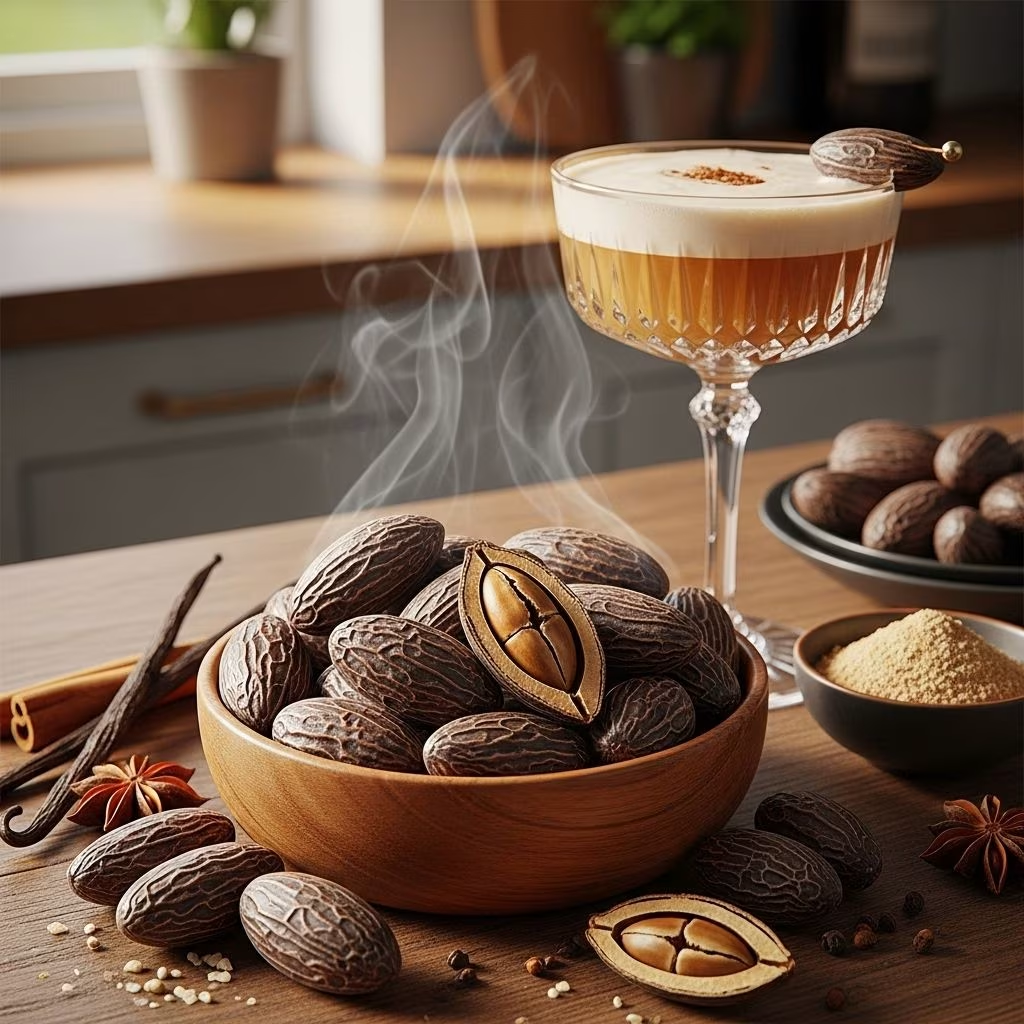
The tonka bean is recognized worldwide for its captivating scent and flavor, resembling vanilla, toasted almond, and fine tobacco, with subtle caramel and spicy undertones. This relatively small, wrinkled seed has its origins in the rainforests of South America, especially in countries like Brazil, Venezuela, and Colombia, where it remains central to local traditions and global industries—from luxury perfumery to gourmet cuisine.
Botanical Origins and History
The tonka bean comes from the Dipteryx odorata tree, also known locally as cumaru or coumarou. This tree is a member of the Fabaceae (pea) family and is native to the lush rainforests of northern South America.
- Tree Description: The Dipteryx odorata is a large canopy tree, growing up to 30 meters tall with smooth, reddish-brown bark and deep roots that anchor it in the nutrient-rich rainforest soil.
- Geographical Distribution: The tree is found in Brazil, Venezuela, Colombia, French Guiana, Guyana, Peru, and Suriname.
- Historical Use: The beans and wood have been prized for centuries. Timber is valued for durability in construction, while the beans became essential scent and flavoring agents in Europe in the 18th century.
- Etymology: The name ‘tonka’ comes from the word “toca” in Galibi (an indigenous language of French Guiana) and the Tamil term “kumarū” from Portuguese traders.
Tonka Bean Tree in Detail
- Flowers: The tree produces fragrant purple to pink flowers resembling pea blossoms, primarily blooming in late spring to summer.
- Fruit and Seeds: The tree bears brown fruits with a sugary pulp, sometimes used in jams and liquors. Each pod encloses a single almond-shaped bean, 2–5 cm in length.
Chemical Composition and Key Components
The tonka bean’s beguiling taste and aroma can be traced to its rich chemical makeup, most notably the compound coumarin.
- Coumarin: Responsible for the bean’s vanilla-like, almondy scent and slight herbal-bitter undertone. Naturally crystallizes on the bean, forming a pearly sheen. Concentrations vary from 1–3% of dry weight in raw seeds and up to 45% in concentrated tonka absolute.
- Benzyl Butyrate: Adds floral and fruity sweetness, enhancing the bean’s richness.
- Eugenol: Brings a spicy, clove-like nuance, introducing warmth and depth.
- Furaneol: Creates cooked strawberry notes, boosting the sweet, gourmand profile.
| Compound | Description | Taste/Aroma Influence |
|---|---|---|
| Coumarin | Natural lactone | Vanilla, almond, grassy, slightly herbal |
| Benzyl Butyrate | Floral ester | Sweet, fruity, floral |
| Eugenol | Phenolic | Spicy, clove |
| Furaneol | Furanoid | Strawberry, caramelized sugar |
Tonka Bean’s Unique Taste and Aroma
The tonka bean delivers a complex fragrance and flavor profile that is cherished by perfumers and chefs alike.
- Primary Notes: Warm vanilla, caramel, cherry, tobacco, spicy clove, sweet almond.
- Bitter & Woody Facets: Bitter almond, sandalwood, blond tobacco, musk.
- Powdery & Gourmet: Milky, smoky, bittersweet, sometimes evoking hot chocolate or even freshly cut grass.
- Synergy in Flavors: Tonka beans can deepen and soften spicy and oriental blends, replacing or even amplifying vanilla in recipes and fragrances.
In cuisine: A single tonka bean can provide enough flavor for up to 80 dishes due to its potency and intoxicating aroma.
Health Benefits of Tonka Beans
Tonka beans have traditionally been employed in folk medicine, and research has revealed several plausible health properties attributable to their bioactive compounds, notably coumarin.
- Anti-inflammatory: Coumarin shows potential to reduce inflammation, which may help in treating arthritis and other inflammatory conditions.
- Antioxidant: The beans possess antioxidant effects, combating free radicals and supporting overall wellbeing.
- Antiviral & Antimicrobial: Coumarin and related compounds may help fight off certain viruses and microbes.
- Enzyme Inhibitory: Can modulate biological activity and potentially support metabolic health.
- Mood Booster: Tonka beans are believed to promote relaxation, reduce anxiety and stress, and elevate mood.
- Traditional Uses: Formerly prescribed in remedies for cramps, nausea, coughs, spasms, and even tuberculosis.
However, due to coumarin’s potential toxicity, medicinal usage is now less common and carefully regulated in many countries.
Culinary Uses of Tonka Beans
Tonka beans bring a distinctive gourmet touch to both sweet and savory dishes where their multifaceted flavor shines most prominently. However, their use is regulated in some regions due to coumarin content.
- Classic Applications:
- Creams, custards, ice creams, and chocolate-based desserts
- Pastry creams, panna cotta, and flans
- Infused syrups and liqueurs
- Spiced rubs and marinades for meats
- Specialty jams and preserves
- Substitute for Vanilla: A common stand-in for vanilla, often paired with tonka to enhance depth and complexity.
- Method of Preparation:
- Beans are roasted and ground before use, releasing their coumarin and complex aromatic oils.
- A little goes a long way: only a small amount is needed for a pronounced effect.
Legal Note: Tonka bean is banned as a food ingredient in some countries (e.g., the United States), but permitted for non-food uses and in other regions. This is due to the aforementioned coumarin content and its effects on the liver when consumed in excess.
Tonka Beans in Perfumery and Cosmetics
Tonka beans have become a pillar of modern perfumery, offering both a rich, enveloping warmth and a signature gourmand appeal.
- Vanilla Substitute and Enhancer: Used to bring softness, sweetness, and creamy depth—often in tandem with vanilla and other balsamic or gourmand notes.
- Fruity, Floral, and Spicy Accords: Blends beautifully with tobacco, spices, burnt sugar, resins, or green herbal notes.
- Base Note and Fixative: Helps unify and extend the aromatic trail of fragrances, acting as a natural fixative and bridge between olfactory facets.
- Extraction: Beans are dried, ground, and subjected to solvent extraction or fractional distillation, producing a highly concentrated absolute rich in coumarin and other aroma compounds.
Mainstream fragrances from luxury houses often rely on tonka’s unique powdery vanilla-almond backbone to deliver a comforting and lasting scent. Gourmet candles, bath products, and body lotions also use tonka bean oil for its sweet, soothing effect.
Safety, Legal Status, and Toxicity Concerns
Despite its allure, tonka bean’s coumarin content raises important safety and regulatory considerations:
- Potential Toxicity: In excessive doses, coumarin can cause liver damage and has anticoagulant effects, making large-scale consumption hazardous.
- Threshold Levels: Toxicity risks arise at very high intake (approximately 30 whole beans), making culinary applications safe when used sparingly—similar to nutmeg.
- Food Regulations: Tonka bean is banned for human consumption in the United States, permitted in Europe for limited use in food (primarily gourmet restaurants), and regulated elsewhere.
- Non-Food Use: Widely permitted in perfumery and cosmetics due to lower exposure risks.
Economic and Cultural Significance
Tonka beans play a meaningful role in the economies and cultures of their native countries:
- Rural Livelihood: Harvesting tonka beans is an income source for rural communities in South America, especially in forest buffer zones.
- Agroforestry and Sustainability: Tonka collection supports sustainable forest management and conserves local ecosystems.
- Cultural Heritage: The bean’s historical use in folk medicine and cuisine remains a mark of regional identity, celebrated in festivals and local dishes.
Major producers include Brazil, Venezuela, and Colombia. Sustainable harvesting and fair trade practices help safeguard the forests and the livelihoods of indigenous communities.
Frequently Asked Questions
Q: What does a tonka bean taste like?
A: Tonka beans taste like a blend of vanilla, almond, caramel, dark cherry, tobacco, and clove, with a rich, complex, and slightly spicy profile.
Q: Are tonka beans safe to eat?
A: Tonka beans are safe in small culinary quantities, but high consumption is toxic due to coumarin. Many countries have regulations, so know local law before using them in food.
Q: What are the health benefits of tonka beans?
A: Tonka beans have anti-inflammatory, antioxidant, antiviral, and relaxation effects, but are not recommended as medicine due to toxicity concerns.
Q: How are tonka beans used in perfumery?
A: Tonka beans serve as a base note and fixative in perfumery, adding warmth, vanilla sweetness, and floral or spicy complexity to fragrances.
Q: Where do tonka beans come from?
A: Tonka beans originate in the rainforests of South America, notably Brazil, Venezuela, and Colombia.
Q: Can tonka beans be bought legally in the US?
A: Tonka beans are banned as a food ingredient in the United States, but legal for use in perfumery and aromatherapy products.
Conclusion
Tonka beans represent both a botanical wonder and a sensory delight. Intricately tied to South American heritage, their alluring, multifaceted taste and aroma continue to inspire gourmet chefs and master perfumers worldwide. While their coumarin content presents regulatory challenges, responsible use ensures the safe enjoyment of their unique flavor, health benefits, and aromatic appeal.
References
- https://www.superfumista.com/en/blogs/the-parfumers-notedbook/the-tonka-bean
- https://www.alphaaromatics.com/blog/tonka-bean-and-scented-products/
- https://www.herbs2000.com/herbs/herbs_tonka_bean.htm
- https://us.alyssaashley.com/blogs/blog/origin-and-meaning-tonka-beans
- https://www.merriam-webster.com/dictionary/tonka%20bean
- https://kitchenprojects.substack.com/p/kitchen-project-144-all-about-tonka


