


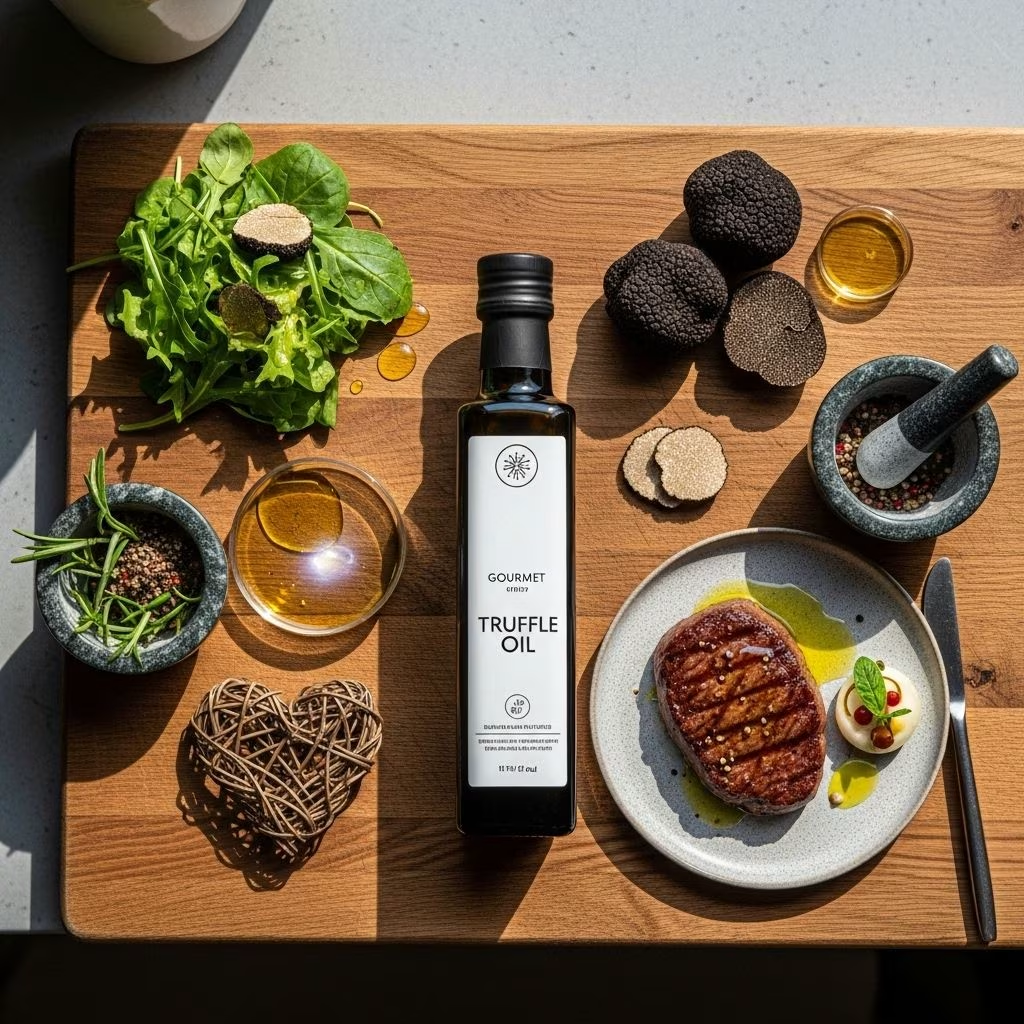
Understanding Truffle Oil: What Is It?
Truffle oil is a culinary ingredient prized for the distinctive, earthy flavor of truffles—a rare and expensive type of fungus from the Tuber genus. Most truffle oils on the market are made by infusing olive oil (or sometimes grapeseed oil) with natural extracts or synthetic compounds like 2,4-dithiapentane to imitate the authentic truffle aroma.
- Pure truffle oil contains actual truffle pieces and offers a richer flavor, but it is rare and costly.
- Synthetic truffle oil uses chemical compounds to replicate the flavor and is more widely available.
- Truffle oil is typically used as a finishing oil due to its strong aroma.
Nutritional Profile of Truffles and Truffle Oil
The nutrition in truffle oil largely depends on its base oil (usually olive oil) and whether real truffle extract is used. Truffles themselves are rich in various valuable nutrients:
- Low in calories
- High in protein and dietary fiber
- Contains essential minerals: phosphorus, copper, manganese, selenium, zinc
- Vitamins: A, B (various forms), C, D, and K
- Fatty acids: Unsaturated fatty acids like oleic acid and linoleic acid
- Antioxidants: Natural compounds that help scavenge free radicals
| Nutrient | Amount (per 1 serving, ~0.5g truffle) |
|---|---|
| Calories | 10 |
| Protein | 2g |
| Fat | 0g |
| Fiber | 2g |
| Carbohydrate | 0g |
The unsaturated fatty acid content (especially oleic and linoleic acid) may contribute to cardiovascular and metabolic health.
Science-Backed Health Benefits of Truffle Oil
1. May Improve Heart Health
Most truffle oil uses olive oil as a base, which is rich in monounsaturated fats that can help manage cholesterol levels—lowering LDL (‘bad’) cholesterol and reducing cardiovascular risk. Pure truffle oil may also help lower blood pressure and strain on arteries.
2. Might Reduce Inflammation
Truffles and the oils infused from them possess anti-inflammatory properties. These may be beneficial for individuals suffering from arthritis, joint pain, gastrointestinal distress, respiratory infections, and even skin irritation. Truffle oil can be used topically to help reduce inflammation in some contexts.
3. May Increase Circulation
Truffle oil demonstrates anticoagulant abilities, which could support healthy blood circulation and reduce the risk of blood clots. This contributes to improved oxygen and nutrient delivery throughout the body.
4. Might Help Manage Diabetes
Olive oil, the main truffle oil base, has proven benefits in helping to control blood sugar levels and support insulin sensitivity, beneficial for those with type 2 diabetes or at risk.
5. Might Boost Immune System
Real truffle oil provides potent antibacterial compounds found in truffles. These can help strengthen immune defenses throughout the body, especially in the gut, respiratory tract, and mouth. However, synthetic truffle oils made primarily with olive oil may not possess these antibacterial effects.
6. Rich in Antioxidants
Truffles offer a high concentration of antioxidants, which help neutralize free radicals in the body, potentially reducing the risk of chronic diseases and cellular damage.
7. May Protect Against Cancer
Some scientific studies suggest that extracts from truffles may have anti-cancer properties by reducing oxidative stress and inflammation.
How to Use Truffle Oil in Cooking
Truffle oil is used as a versatile finishing oil to impart rich, earthy flavor to a wide variety of dishes. Its strong aroma and taste make it best suited for cold preparations or added after cooking.
- Drizzle over pasta, risotto, or pizza for an instant flavor boost
- Add to salads or sautéed vegetables as a finishing touch
- Toss with popcorn, potatoes, or fries for gourmet snacks
- Use sparingly in sauces, dips, or marinades
- Never cook with truffle oil at high heat—this degrades flavor and aroma
Types of Truffle Oil
- White truffle oil: Milder, garlicky flavor. Made from Italian white truffles (Tuber magnatum).
- Black truffle oil: Earthier, musky aroma. Made from black truffles (Tuber melanosporum).
- Synthetic truffle oil: Uses flavor compounds derived in labs, usually more affordable and widely available.
Potential Side Effects and Precautions
Truffle oil is generally safe when used in moderation as a condiment, but excessive intake or improper use may pose certain health risks:
- Blood Pressure: May cause dangerously low blood pressure in sensitive individuals (especially those on antihypertensive medication).
- Blood Sugar: Overconsumption can lead to significant drops in blood sugar—diabetic patients should use caution.
- Allergic Reactions: Rare but possible; includes skin irritation, hives, and digestive issues.
- Digestive Upset: High intake may cause gastrointestinal discomfort or diarrhea.
- Quality Matters: Artificial truffle oils lack the beneficial antioxidants and antibacterial properties found in real truffles.
Always check ingredient labels for authenticity, and if you have allergies to mushrooms or oil-based products, consult your healthcare provider before using truffle oil.
Tips for Buying and Storing Truffle Oil
- Choose reputable brands that specify use of real truffles or high-quality truffle extract.
- Check the base oil (extra-virgin olive oil is preferred for its monounsaturated fat profile).
- Store in a cool, dark place, tightly sealed, to preserve its aroma and prevent rancidity.
- Use within 6 months of opening for best flavor.
Frequently Asked Questions (FAQs)
Q: Is truffle oil healthier than regular olive oil?
A: Most commercial truffle oils contain olive oil as the base, so their nutritional profile is similar. True truffle oil may contribute additional antioxidants and antibacterial compounds, but the difference in health benefit is modest.
Q: Can people with diabetes consume truffle oil safely?
A: Truffle oil may help manage blood sugar when used in moderation, but excessive consumption can dangerously lower blood sugar. Diabetic individuals should use truffle oil sparingly and under medical guidance.
Q: Does truffle oil help with cholesterol?
A: Since olive oil is the usual base, truffle oil can support healthy cholesterol levels by reducing LDL (bad cholesterol). Pure truffle oil may also contribute additional health benefits.
Q: What dishes pair best with truffle oil?
A: Truffle oil pairs well with pasta, risotto, pizza, roasted vegetables, eggs, mashed potatoes, and popcorn. It is best used as a finishing oil, added after cooking to preserve flavor.
Q: Are there any risks to using truffle oil?
A: Excessive use can cause digestive upset, low blood pressure, and blood sugar drops. Allergies are rare but possible. Always use in moderation.
Quick Comparison: Truffles vs. Truffle Oil
| Feature | Fresh Truffles | Truffle Oil |
|---|---|---|
| Flavor | Rich, earthy, complex | Potent, concentrated; varies by oil quality |
| Nutrition | High protein, fiber, minerals, antioxidants | Depends on base oil; fewer antioxidants unless real truffle used |
| Price | Very expensive ($90+/oz) | More affordable; synthetic oils widely available |
| Uses | Shaved as finishing touch, luxury ingredient | Finishing oil for flavor, aroma enhancement |
Conclusion: Should You Add Truffle Oil to Your Diet?
Truffle oil is an excellent way to add gourmet flavor to your meals and may provide health benefits associated with its base oil and, if authentic, with truffles themselves. The key is moderation—use as a finishing touch, avoid cooking at high heat, and choose high-quality products for the best nutrition and aroma. Be mindful of possible side effects and consult your healthcare provider if you have existing health conditions or allergies.
References
- OrganicFacts.net: Benefits & Side Effects of Truffle Oil
- WebMD: Health Benefits of Truffles
- ImperiaCaviar.com: Is Truffle Oil Healthy?
- NCBI: Potentials of truffles in nutritional and medicinal applications
- Healthline: Health Benefits of Truffles
References
- https://www.organicfacts.net/health-benefits/oils/truffle-oil.html
- https://www.webmd.com/food-recipes/benefits-truffles
- https://imperiacaviar.com/blogs/blog/is-truffle-oil-healthy
- https://pmc.ncbi.nlm.nih.gov/articles/PMC7301458/
- https://www.healthline.com/nutrition/truffles
- https://checkyourfood.com/ingredients/ingredient/1107/truffle-oil
- https://www.truff.com/products/white-truffle-oil
- https://gourmetlife.com.au/blogs/guide/5-incredible-health-benefits-of-truffles


