


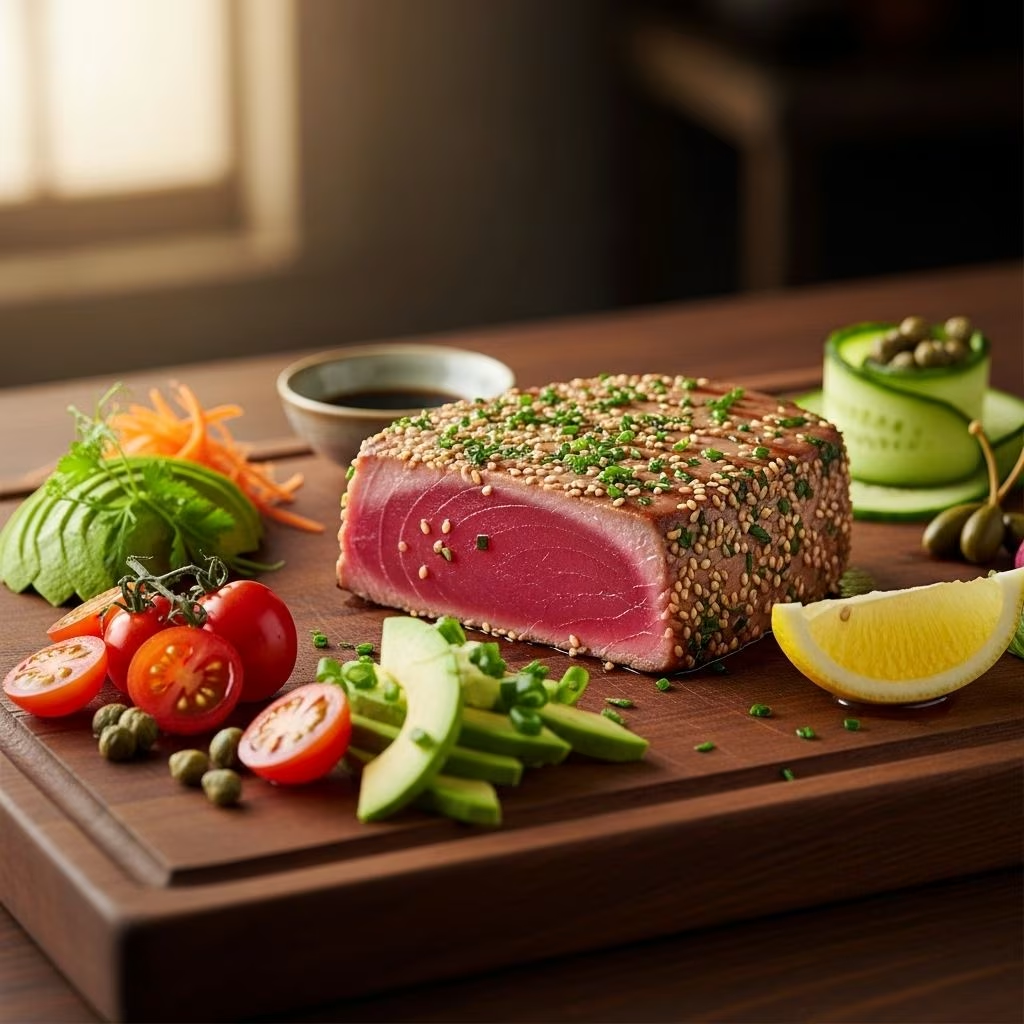
Tuna is one of the world’s most popular seafoods, acclaimed not just for its robust flavor and meaty texture, but also for its impressive nutritional profile and versatility across global cuisines. This article offers an in-depth look at what tuna is, the health benefits it provides, its various uses in the kitchen, and the factors that contribute to its beloved taste. Whether you’re a seafood enthusiast, a health-conscious eater, or simply curious about what sets tuna apart, this comprehensive guide will answer your questions.
What Is Tuna?
Tuna refers to a group of large, fast-swimming predatory fish in the mackerel family (Scombridae), found in warm seas worldwide. Valued for their firm, meaty flesh and high oil content, tuna are a staple food for many coastal cultures and drive massive global fisheries. The most commonly consumed tuna species are Skipjack (Katsuwonus pelamis), Albacore (Thunnus alalunga), Yellowfin (Thunnus albacares), and Bluefin (Thunnus thynnus and related species).
Physical Characteristics
- Streamlined bodies adapted for high-speed swimming
- Ranges in size from 1.5 kg (Skipjack) up to 700+ kg (Atlantic Bluefin)
- Distinctive coloration: dark blue on the back and silver on the belly
Culinary and Economic Importance
- One of the most harvested fish groups in global seafood trade
- Valued for both fresh, frozen, and canned applications
- Central to dishes such as sushi, sashimi, niçoise salad, and tuna casseroles
Nutritional Profile of Tuna
Tuna is renowned for its exceptional nutrient density, offering a combination of lean protein, healthy fats, vitamins, and minerals that support overall health. Whether consumed fresh, frozen, or canned, tuna provides a wealth of benefits for a balanced diet.
| Nutrient | Quantity | Function in the Body |
|---|---|---|
| Calories | ~140 kcal | Energy |
| Protein | 24–28 g | Tissue growth and repair, satiety |
| Fat | 1–5 g | Cell health, energy |
| Omega-3 fatty acids | ~0.3–2 g (varies by species) | Heart, brain, and eye health |
| Vitamin B12 | ~2.5 mcg (over 100% DV) | DNA synthesis, nervous system |
| Vitamin D | 2–7 mcg | Bone health, immune function |
| Selenium | ~70 mcg (almost 100% DV) | Antioxidant action, immune support |
| Niacin (B3) | ~15 mg | Metabolism, skin, nervous system |
*Nutrient values vary by species and preparation method.
- High-quality protein: Essential for muscles, metabolism, and satiety
- Omega-3 fatty acids: Support heart, eye, and brain health
- Vitamins and minerals: Significant levels of B vitamins (B3, B12), vitamin D, selenium, magnesium, calcium, and iron
- Low in saturated fat: Helps support healthy cholesterol levels
Health Benefits of Tuna
Regular tuna consumption is linked to a variety of health benefits due to its nutrient content and the bioactive compounds it delivers.
1. Heart Health
- Omega-3 fatty acids in tuna reduce triglycerides and help lower LDL “bad” cholesterol, supporting heart vessel health and reducing the risk of heart disease and heart attacks.
- Potassium and magnesium contribute to blood pressure management.
2. Eye Health
- Omega-3s support retinal health, reducing the risk of dry eye syndrome and age-related macular degeneration.
- Studies show women who ate tuna regularly had lower rates of eye disease.
3. Weight Management
- High-protein and low-calorie composition induces satiety, supports lean muscle mass, and can aid weight loss by reducing excess calorie intake.
- May help regulate appetite hormones like leptin.
4. Immune System Support
- Tuna offers selenium, vitamin C, zinc, and manganese—all potent antioxidants that protect against oxidative stress and boost immunity.
- Selenium, in particular, acts as a powerful defender against cellular damage.
5. Brain and Cognitive Function
- Omega-3 fatty acids improve neuroprotection, memory, and may reduce cognitive decline in aging populations.
- B vitamins, especially B12, maintain healthy nerve cells and neurotransmitters.
6. Additional Benefits
- Cancer prevention: Chronic inflammation is linked to cancer; omega-3s in tuna may help lower risk.
- Bone health: Vitamin D and calcium support strong bones.
- Muscle repair: Complete protein assists recovery after exercise or injury.
Types of Tuna
There are several species and varieties of tuna, each with unique characteristics, nutritional composition, and culinary uses. Here are the most frequently encountered types:
| Common Name | Scientific Name | Typical Use | Distinctive Feature |
|---|---|---|---|
| Skipjack | Katsuwonus pelamis | Canned “light” tuna, salads Cooked dishes | Most common in canned products; mild flavor |
| Albacore | Thunnus alalunga | Canned “white” tuna, grilling Seared or baked | Lighter flesh; only type labeled as “white meat tuna” |
| Yellowfin | Thunnus albacares | Sushi, sashimi, steaks Ahi poke bowls | Firm, lean, slightly pink flesh; popular for raw dishes |
| Bluefin | Thunnus thynnus, etc. | Premium sushi and sashimi | Rich, fatty texture; deep red color; prized in Japan |
| Bigeye | Thunnus obesus | Sushi, sashimi, grilling | Fatty, tender flesh |
| Bonito | Sarda spp. | Regional cuisines, grilling | Small species, often smoked or dried |
Culinary Uses of Tuna
Tuna’s adaptability and flavor make it a global favorite in the kitchen. Both fresh and canned tuna present a range of options for home cooks and professional chefs alike.
Popular Preparations
- Raw: Sushi, sashimi, poke, tartare
- Seared: Tuna steaks, often served rare in the center
- Grilled, baked, or broiled: Steaks and fillets, unparalleled flavor and texture
- Canned: Salads, sandwiches, casseroles, pasta dishes, melts
- Smoked or dried: Used in traditional Mediterranean and Asian recipes
Classic Tuna Dishes Worldwide
- Sushi and sashimi (Japan): Prized cuts of Bluefin and Yellowfin
- Salade Niçoise (France): A Provençal main course featuring tuna, eggs, olives, beans, and potatoes
- Poke bowls (Hawaii): Diced raw tuna, rice, and assorted toppings
- Tuna melt (USA, UK): Open-faced sandwich with tuna salad and melted cheese
- Pasta con Tonno (Italy): Pasta tossed with canned tuna, garlic, tomatoes, and olive oil
Canned vs. Fresh Tuna
- Canned tuna: Convenient, affordable, shelf-stable, slightly milder in flavor. Available packed in oil, water, or brine.
- Fresh tuna: Delicate, savory, pronounced taste; used in raw or lightly cooked forms for premium texture and flavor.
The Taste of Tuna
Tuna is celebrated for its rich, savory, and sometimes subtly sweet flavors. The taste profile depends on the species, cut, freshness, and preparation method.
Flavor and Texture by Type
| Type | Flavor Characteristics | Texture |
|---|---|---|
| Bluefin | Rich, buttery, mildly sweet | Very tender, fatty (especially “otoro”) |
| Yellowfin/Ahi | Clean, meaty, slightly earthy | Lean, yet firm; pleasant chew |
| Albacore | Mild, slightly creamy | Flaky, delicate |
| Skipjack | Robust, stronger; slightly fishy | Dense, flaky |
- Raw tuna: Subtle oceanic sweetness and a clean aftertaste, prized in sushi for its silkiness
- Cooked tuna: Meaty, savory with umami depth—the more cooked, the denser the texture
- Canned tuna: Softer, milder due to the brining or oil-packing process; perfect for blending with dressings or sauces
The specific cut of tuna also affects taste—fattier sections like the belly (“otoro” in Bluefin) are prized for their luscious, melt-in-the-mouth quality, while back and tail cuts are leaner and firmer.
Potential Risks and Considerations
- Mercury Content: Some species, especially larger and older tuna (e.g., Bluefin, Bigeye), tend to accumulate more mercury. Moderation is important for pregnant women, young children, and frequent consumers.
- Overfishing: Several tuna species (notably Bluefin) are threatened by overfishing. Opt for sustainably sourced or certified tuna to help protect marine ecosystems.
- Allergenicity: Fish allergies are among the 8 common food allergens; those affected should strictly avoid tuna and related products.
Frequently Asked Questions (FAQs)
Q: Is it safe to eat tuna every day?
A: For most people, moderate consumption (2–3 servings per week) is safe and healthy. However, due to mercury, it’s advisable for vulnerable groups (pregnant women, young children) to limit intake and choose lower-mercury varieties like Skipjack or canned light tuna.
Q: Is canned tuna as healthy as fresh tuna?
A: Both forms are excellent protein sources and rich in nutrients, though fresh tuna typically has a higher omega-3 and vitamin D content. Canned tuna is still nutrient-dense and offers great convenience.
Q: What’s the difference between albacore and regular canned tuna?
A: Albacore (“white tuna”) has paler flesh and a milder, creamier taste compared to the darker, more robustly flavored Skipjack (“light tuna”).
Q: How should tuna be stored and prepared safely?
A: Store fresh tuna refrigerated and cook or consume promptly. Use canned tuna by the best-before date and refrigerate any leftovers in a sealed container.
Q: Can tuna help with weight loss?
A: Yes. Low in fat but high in protein, tuna promotes fullness and can fit into a weight management plan.
Conclusion
Tuna stands out as a nutritional powerhouse—rich in lean protein, omega-3s, and essential vitamins and minerals that contribute to healthful eating. Its diverse culinary roles and distinctive, savory flavor make it a global seafood favorite. By choosing sustainably caught tuna and balancing intake, you can enjoy this delicious, versatile fish as part of a healthy diet for years to come.
References
- https://www.aqualv.com/seafood-101/benefits-of-tuna/
- https://www.bbcgoodfood.com/health/nutrition/canned-tuna-healthy
- https://www.rosellakpt.com/blog/the-splendid-health-benefits-of-bluefin-tuna-a-gourmets-guide
- https://www.webmd.com/diet/health-benefits-tuna
- https://3natives.com/what-are-the-health-benefits-of-tuna/
- https://www.healthline.com/nutrition/is-canned-tuna-healthy
- https://pmc.ncbi.nlm.nih.gov/articles/PMC11018964/
- https://kaimanajerky.com/blogs/news/health-benefits-of-eating-ahi-tuna


