


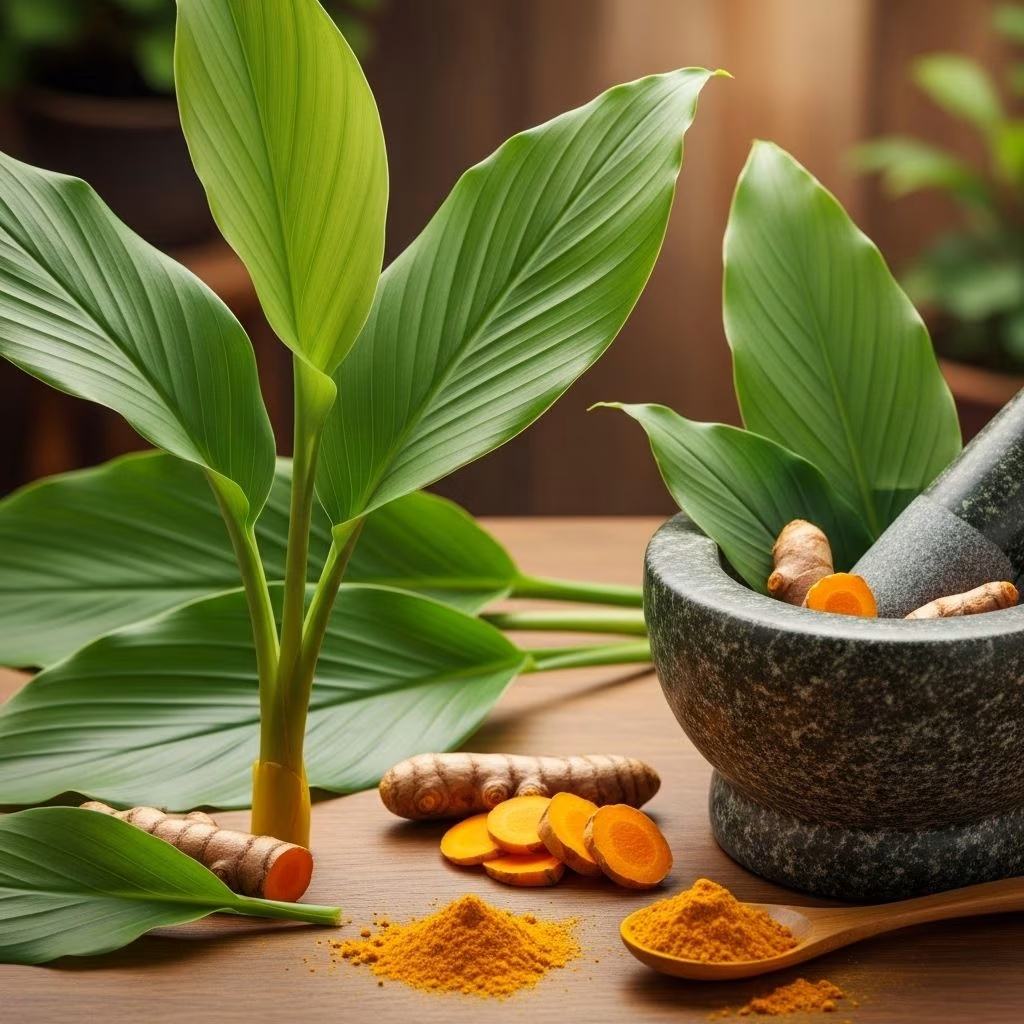
Turmeric (Curcuma longa) is renowned worldwide for its vibrant yellow rhizome and its role in traditional medicine and culinary arts. Less commonly discussed, yet equally valuable, are its lush, fragrant leaves. Used for centuries in Ayurveda, Southeast Asian cuisine, and folk remedies, turmeric leaves possess a unique blend of bioactive compounds and therapeutic properties. In this comprehensive article, we explore the science, tradition, and practical knowledge behind turmeric leaves—covering their health benefits, optimal dosage, culinary applications, and safety profile.
Introduction
While turmeric root is extensively researched and utilized, turmeric leaves have received increasing attention for their distinctive aroma, taste, and medicinal properties. Traditionally considered a by-product after turmeric harvest, modern studies reveal that the aerial parts of the turmeric plant offer significant antioxidant, anti-inflammatory, and antimicrobial effects. Popular in South Asian and Southeast Asian traditions, these leaves enrich food with flavor and are also valued in topical, digestive, and general wellness applications.
Nutritional & Phytochemical Profile of Turmeric Leaves
Turmeric leaves are rich in bioactive compounds, primarily flavonoids, which impart potent health benefits.
| Bioactive Compound | Major Types | Health Properties |
|---|---|---|
| Flavonoids | Diosmetin, Quercitrin, Rutin | Antioxidant, anti-inflammatory, antibacterial, anti-cancer |
| Phenolic compounds | Unknown specifics, but similar to rhizome | Radical scavenging, anti-tumor |
| Essential oils | Terpenes | Flavor, antimicrobial |
In addition to these major constituents, turmeric leaves provide minor amounts of vitamins, minerals, and dietary fiber, supporting digestive health and general wellness. The leaves possess a distinct aroma due to unique essential oils, which set them apart from the more earthy turmeric root.
Health Benefits of Turmeric Leaves
- Antioxidant Effects: Turmeric leaf extract demonstrates strong radical scavenging activities, protecting cells from oxidative stress and DNA damage. Studies found high DPPH (51.10%) and ABTS (91.08%) radical scavenging activity in leaf extracts, attributed to the rich flavonoid content.
- Anti-inflammatory Properties: Flavonoids in turmeric leaves, especially diosmetin, have demonstrated efficacy in alleviating inflammation by suppressing the NF-κB signaling pathway, a key mediator in chronic inflammatory diseases.
- Antibacterial and Antiseptic Action: Used in Ayurvedic medicine for centuries, turmeric leaves are valued for their antiseptic properties, helping reduce symptoms of colds, intestinal worms, and minor wounds. Topical application of turmeric leaf paste is reputed to relieve swellings, sprains, and skin blemishes.
- Aids Digestion: Turmeric leaves are traditionally recommended to soothe bloating, enhance digestion, and relieve abdominal discomfort.
- Potential Anticancer Activity: Quercitrin and rutin found in turmeric leaves have been reported to possess anticancer properties, although direct human evidence is limited.
- Liver Protection & Detoxification: Turmeric leaf preparations are sometimes used to support liver function and treat jaundice, thanks to their antioxidant capacity.
- Energy & Musculoskeletal Support: In folk medicine, leaves are believed to strengthen energy and relieve minor musculoskeletal discomfort.
Scientific Evidence and Traditional Wisdom
Turmeric leaves, though less studied than turmeric root, show promising pharmacological activities in laboratory and animal studies. The antioxidant and anti-inflammatory effects observed in vitro and in vivo reflect traditional claims around their use for swelling, sprains, and digestive disorders. The presence of multiple bioactive flavonoids forms the biochemical foundation for these effects.
Culinary Uses and Traditional Applications
Turmeric leaves have a longstanding role in South Asian and Southeast Asian cuisine, adding a subtle earthy and floral flavor to dishes:
- Food Wrappers: Frequently used to wrap rice dishes (such as “Patoleo” in Goa) or fish before steaming or grilling. Indonesian and Thai dishes use turmeric leaf parcels for flavor infusion.
- Condiments & Pastes: Leaves are ground into pastes for curries, chutneys, and relishes.
- Pickled, Dried, or Fresh: Turmeric leaves can be pickled, dried for later use, or eaten fresh in salads and wraps.
- Beverages: Infusions and herbal teas sometimes include turmeric leaves for their mild flavor and digestive benefits.
Key culinary pairings include coconut, lemongrass, lime, ginger, tamarind, chilies, and onions.
Topical & Cosmetic Application
In Ayurveda and folk medicine, turmeric leaf paste is applied topically to wounds, swellings, sprains, and skin blemishes as a soothing and antiseptic treatment.
Storage & Preservation
- Fresh leaves keep up to 1 week refrigerated.
- Dried leaves last several months in airtight, cool, dark storage.
Recommended Dosage
There is no universally established dosage for turmeric leaves, as most studies focus on turmeric rhizome. However, expert recommendations and herbal practice provide general guidelines:
- Fresh Leaves: 1–2 leaves (approx. 3–5 grams) per serving in culinary recipes.
- Infusions/Teas: Use 2–5 grams of chopped leaves per cup.
Start with smaller quantities when using for the first time, especially in medicinal contexts. - Pastes for Topical Use: Leaf paste (made from 1–2 fresh leaves) may be applied to affected skin areas; always perform a patch test for allergy.
If using manufactured supplements containing turmeric leaf extract, follow product instructions and consult your healthcare provider.
Comparative Table: Turmeric Leaf vs. Rhizome Dosage
| Form | Typical Leaf Dosage | Typical Rhizome Dosage |
|---|---|---|
| Fresh Culinary Use | 3–5 g per serving | 8–60 g per day for arthritis |
| Extract/Infusion | 2–5 g per cup | 1.3–3 g for digestive issues |
Potential Side Effects and Safety Considerations
Turmeric leaf is generally considered safe for culinary and topical use. However, certain precautions should be observed:
- Allergic Reactions: Some individuals may develop skin irritation or allergic symptoms when consuming or applying turmeric leaves for the first time. Conduct a patch test before topical use.
- Digestive Symptoms: Excessive intake may cause mild digestive discomfort (nausea, bloating) in sensitive individuals.
- Pregnancy and Breastfeeding: While culinary use is considered safe, medicinal doses should be approached cautiously and under medical supervision.
- Children: Use smaller amounts (e.g. half the typical dosage) and consult a pediatrician before regular use.
No serious adverse effects have been reported in available herbal monographs, but research on long-term high dosage remains limited.
Drug Interactions and Contraindications
- Drug Interactions: No significant drug interactions with turmeric leaves have been documented in major herbal safety databases. However, as turmeric rhizome may affect certain medications (anticoagulants, antidiabetics), caution is advisable.
- Medical Conditions: Those with gallbladder disease, kidney stones, or pre-existing allergies to turmeric should consult their doctor before use.
Frequently Asked Questions (FAQs)
Q: Can turmeric leaves be consumed daily?
A: Yes, turmeric leaves may be consumed daily in culinary quantities. However, for therapeutic use, consult with a professional regarding duration and dosage.
Q: Are turmeric leaves and rhizomes interchangeable for health benefits?
A: While both contain antioxidant and anti-inflammatory compounds, turmeric rhizome is richer in curcumin. Leaves offer unique flavonoids, aroma, and milder effects and make an excellent alternative for culinary and certain medicinal uses.
Q: How should turmeric leaves be stored?
A: Fresh leaves should be refrigerated and used within a week. Dried leaves kept in an airtight, cool, and dark space remain potent for months.
Q: Can turmeric leaf paste be applied to open wounds?
A: Turmeric leaf paste is traditionally applied to minor skin injuries and swellings. For serious wounds, consult a physician before use.
Q: Are turmeric leaves suitable for all ages?
A: In moderation, culinary use is suitable for adults and children. For medicinal or topical use, especially in young children, seek medical advice first.
Conclusion
Turmeric leaves, once overshadowed by the famous yellow rhizome, are emerging as a valuable herbal resource in both cuisine and natural medicine. With their rich flavonoid content, robust antioxidant capacity, and gentle digestive support, turmeric leaves offer a safe and versatile addition to daily wellness and culinary practice. When using for health benefits, adhere to recommended dosages and safety precautions; for any specific medical conditions or advanced therapeutic use, professional consultation is recommended. Ongoing research will continue to unlock the potential of turmeric leaves, reaffirming their role in holistic health traditions.
References
- https://www.ncbi.nlm.nih.gov/books/NBK92752/
- https://pmc.ncbi.nlm.nih.gov/articles/PMC7830937/
- https://specialtyproduce.com/produce/Turmeric_Leaves_11168.php
- https://www.healthline.com/nutrition/top-10-evidence-based-health-benefits-of-turmeric
- https://www.health.harvard.edu/staying-healthy/turmeric-benefits-a-look-at-the-evidence
- https://food.ndtv.com/food-drinks/5-incredible-benefits-of-turmeric-leaves-you-must-know-1812254
- https://health.clevelandclinic.org/turmeric-health-benefits
- https://www.webmd.com/diet/ss/slideshow-turmeric
- https://www.singaporeanmalaysianrecipes.com/turmeric-leaves-daun-kunyit/


