


Introduction
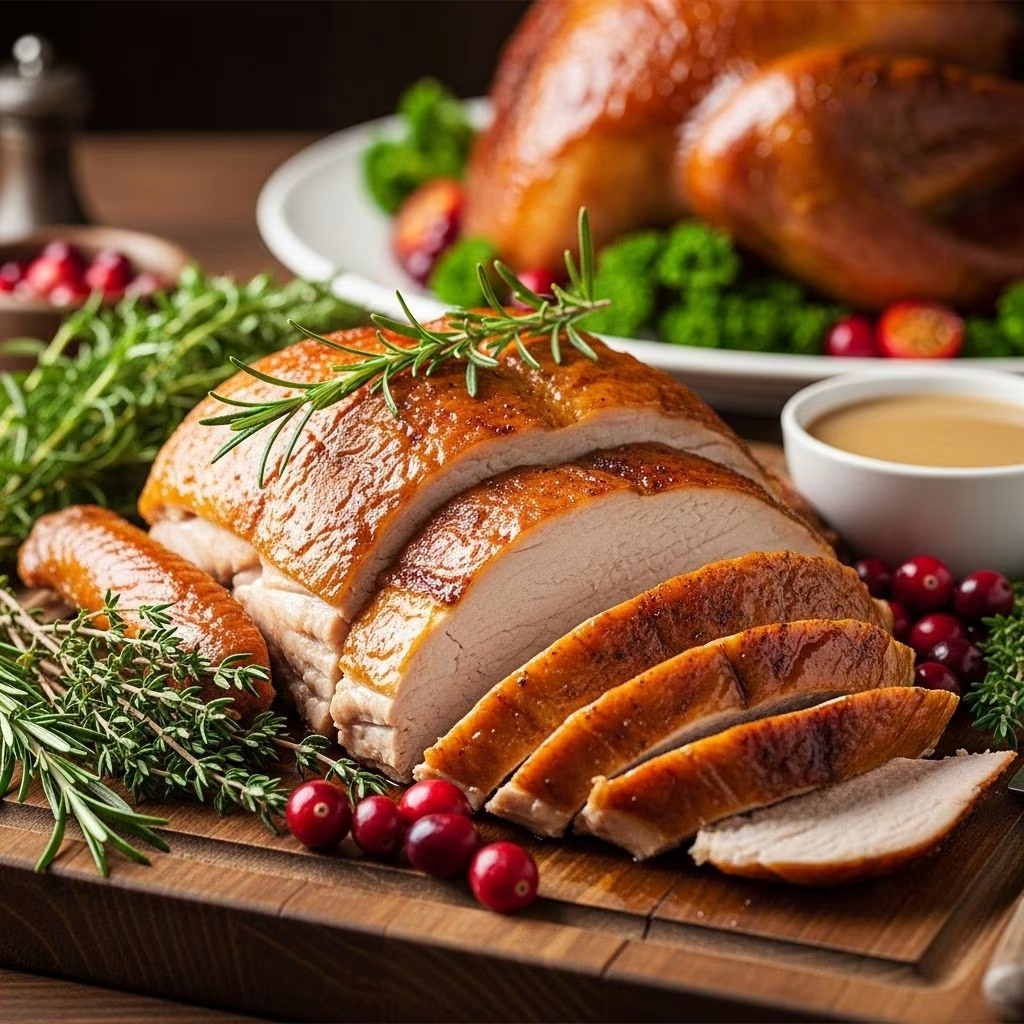
Turkey meat is the flesh of the turkey bird, native to North America, and is among the most popular sources of poultry protein worldwide. Highly celebrated during the holidays—especially Thanksgiving and Christmas in North America and the UK—the turkey is a staple not only for festive meals, but throughout everyday cuisine. Offering a unique taste profile and impressive nutritional value, turkey meat continues to play a pivotal role in diverse culinary traditions.
Origins and Types of Turkey
History and Cultural Significance
The domesticated turkey is derived from wild turkeys native to North America, where indigenous peoples first domesticated the species centuries before European contact. Today, turkeys are farmed globally, but their roots remain closely tied to Native American agriculture and culinary practice.
- North American Origin: Turkeys are indigenous to North America and were a crucial part of the diet and culture of many first nations.
- Festive Role: Turkey is the classic centerpiece of meals for holidays, particularly in the US and Canada.
- Global Spread: Turkey farming expanded rapidly, making it accessible in Europe, the Middle East, and beyond, where it is now enjoyed in various forms.
Types of Turkey Meat
Turkey meat is sourced from both domesticated and wild turkeys. The culinary world recognizes several turkey meat preparations, each with distinctive characteristics:
- Whole Turkeys: Entire birds, often roasted for festive meals.
- Turkey Breasts: Lean white meat, mild and tender.
- Turkey Legs & Thighs: Dark meat, richer flavor and slightly higher fat content.
- Ground Turkey: Minced meat (often both white and dark), used as a substitute for ground beef.
- Processed Turkey: Includes smoked turkey, turkey bacon, deli slices, and sausages.
Wild vs Domesticated Turkey: Key Differences
| Aspect | Wild Turkey | Domesticated Turkey |
|---|---|---|
| Meat Color | Mostly dark | White and dark portions |
| Flavor | Intense, gamier | Milder, slightly gamey |
| Texture | Denser, sometimes tougher | Tender, moist (with proper cooking) |
| Availability | Limited, seasonal | Year-round |
Nutritional Profile and Health Benefits
Macronutrient Composition
Turkey is considered a lean, protein-dense meat that offers significant nutritional advantages over some other options. Its most prominent nutrients include:
- Protein: Essential for muscle growth and repair. A 3-ounce serving of turkey breast offers about 24g protein.
- Fat: Relatively low fat content, especially in white meat. Three ounces of turkey breast usually provide less than 4g of fat.
- Calories: Moderate energy density; a typical serving supplies about 120 calories.
Vitamins and Minerals
- B Vitamins: Rich in niacin (B3), B6 and B12, which support metabolism and neurological health.
- Iron: Contributes to healthy red blood cell function; turkey contains more iron than chicken.
- Zinc & Selenium: Boost immune health and antioxidant defense.
- Potassium: Supports cardiac function and fluid balance.
Health Benefits of Turkey Meat
- Heart Health: Low fat and sodium content make turkey suitable for heart-healthy diets.
- Weight Management: High protein, low calorie density aids in satiety and muscle maintenance.
- Muscle Growth: Excellent post-exercise protein source for athletes.
- Immune Support: Nutrients like zinc, selenium, and B vitamins help immune system function.
- Versatility for Special Diets: Suitable for diabetic, ketogenic, or paleo diets due to its macronutrient profile.
Notably, turkey is often chosen as an alternative to red meats or fattier poultry for those seeking lean options that do not sacrifice nutrient value.
Culinary Uses of Turkey Meat
Traditional Dishes
Turkey boasts immense versatility in the kitchen and features in numerous global cuisines:
- Roast Turkey: The holiday classic, generally seasoned and roasted whole for major celebrations.
- Stuffed Turkey: Filled with bread or grain-based stuffing, herbs, and aromatics.
- Grilled Turkey: Steaks, fillets, or skewers prepared on a grill.
- Smoked Turkey: Slow-cooked for deeper flavor, common in American Southern cuisine.
- Turkey Soup & Stew: Utilizes leftover cooked cuts, bones, and vegetables.
- Ground Turkey: Substitutes for beef in burgers, meatballs, chili, tacos, and casseroles.
- Deli Meats & Sandwiches: Precooked and sliced for quick snacks and lunches.
Modern and International Uses
- In Middle Eastern cuisines, turkey may be marinated and grilled.
- European kitchens frequently feature turkey escalope (thinly sliced and breaded).
- Asian-style stir-frys occasionally use turkey cutlets as a chicken replacement.
- Creative salads, wraps, or bowls use turkey for lean protein content.
The possibilities are endless, with turkey featured fresh, cured, smoked, or processed for multiple meal types and culinary settings.
Taste and Texture of Turkey
Flavor Profile
The taste of turkey is distinctive yet approachable, described as mild, slightly gamey, and savory.
- White Meat (Breast): Very mild, less gamey, and extremely versatile for various seasonings.
- Dark Meat (Leg & Thigh): Richer, deeper, and more pronounced flavor due to slightly higher fat content.
- Skin: Roasts to golden, crispy texture, adding aromatic appeal to whole birds.
- Wild Turkey Meat: Offers a more robust and gamier flavor compared to farmed varieties.
Turkey responds well to bold seasoning blends and aromatic herbs such as sage, rosemary, thyme, garlic, and citrus, making it suitable for creative flavor pairings.
Texture
- Tender and Juicy: When properly cooked (not overdone), turkey meat retains moisture and tenderness.
- Lean Yet Satisfying: White meat is lean and firm, while dark meat is softer with more pronounced grain.
- Deli Slices & Ground Forms: Fine texture, ideal for incorporation in sandwiches, patties, meatballs, or fillings.
Care must be taken with cooking times and methods, as overcooking turkey (especially white meat) may result in dryness.
Turkey vs Other Poultry
| Aspect | Turkey | Chicken | Duck |
|---|---|---|---|
| Protein | High (~24g/3oz) | High (~21g/3oz) | High (~18g/3oz) |
| Fat (White Meat) | Low (~3g/3oz) | Low (~3g/3oz) | Higher |
| Taste | Mild, slightly gamey | Mild | Rich, strong; fatty |
| Culinary Use | Roasts, deli, ground | All-purpose | Roasts, confit |
Processing and Varieties of Turkey Products
Processed Turkey Products
Turkey is commonly processed into several forms increasing its accessibility and convenience:
- Smoked Turkey: Offers a deeper flavor and is sometimes sold as turkey ham.
- Turkey Bacon: Leaner substitute for pork bacon, often used for lower fat diets.
- Turkey Sausage: Seasoned, linked product available fresh or cooked.
- Deli Meat / Luncheon Meat: Precooked, sliced, and often pre-seasoned for sandwiches and wraps.
- Ground Turkey: Used as a beef alternative in burgers, casseroles, and meatloaf.
Some processed products may contain added salt, preservatives, or flavorings, which should be checked by those observing dietary restrictions.
Other Uses and Byproducts
- Turkey Stock/Broth: Bones and scraps from roasted turkey are excellent for making flavorful bases for soups and sauces.
- Turkey Gravy: Made from pan drippings, commonly served with roast turkey.
- Turkey Twizzlers: Deep-fried processed snack, popularized and later scrutinized for nutrition.
Safety and Preparation Tips
- Freshness: Buy turkey from reputable suppliers and check expiration dates.
- Cooking Temperature: Cook turkey to an internal temperature of at least 170°F (77°C) to ensure safety (especially for whole birds and ground turkey).
- Prevent Dryness: Use brining, basting, or careful roasting to preserve moisture, particularly in white meat.
- Hygiene: Clean utensils, cutting boards, and surfaces thoroughly after handling raw turkey.
- Storage: Refrigerate or freeze turkey promptly and adhere to safe thawing practices.
Frequently Asked Questions (FAQs)
Q: Is turkey healthier than chicken?
A: Turkey and chicken are both lean protein sources, but turkey tends to have a slightly higher protein content per serving and offers more iron, making it beneficial for those seeking high-quality protein and minerals.
Q: Can turkey be substituted for ground beef?
A: Yes, ground turkey is commonly used as a lean alternative to ground beef in burgers, meatballs, tacos, and soups, offering lower fat and calories while maintaining similar texture.
Q: Why does turkey meat sometimes taste dry?
A: Turkey, especially breast meat, is very lean and can dry out if overcooked. Techniques like brining or basting can help retain moisture and improve flavor.
Q: What is the difference between white and dark turkey meat?
A: White meat (breast) is lean, mild, and pale when cooked, whereas dark meat (legs, thighs) has more fat, richer flavor, and darker color.
Q: Is wild turkey safe and tasty to eat?
A: Wild turkey is safe when appropriately cooked, and is widely regarded as having a more intense, gamier flavor than domesticated varieties.
Conclusion
Turkey is a lean, nutrient-dense protein with a mild, agreeable taste profile. Its versatility—from classic roasted turkeys at festive gatherings to ground turkey for modern recipes—makes it a staple across cuisines. With its health benefits and culinary adaptability, turkey remains a top choice for diverse palates and dietary needs, while its rich history ties together cultural traditions and contemporary food trends.
References
- https://divercitytimes.com/agriculture/crops-and-livestock/turkey-meat
- https://en.wikipedia.org/wiki/Turkey_as_food
- https://en.wikipedia.org/wiki/Ground_turkey
- https://www.precisionnutrition.com/encyclopedia/food/turkey
- https://foodstruct.com/food/turkey-meat
- https://www.healthline.com/nutrition/turkey
- https://www.merriam-webster.com/dictionary/turkey
- https://www.webmd.com/diet/health-benefits-turkey


