


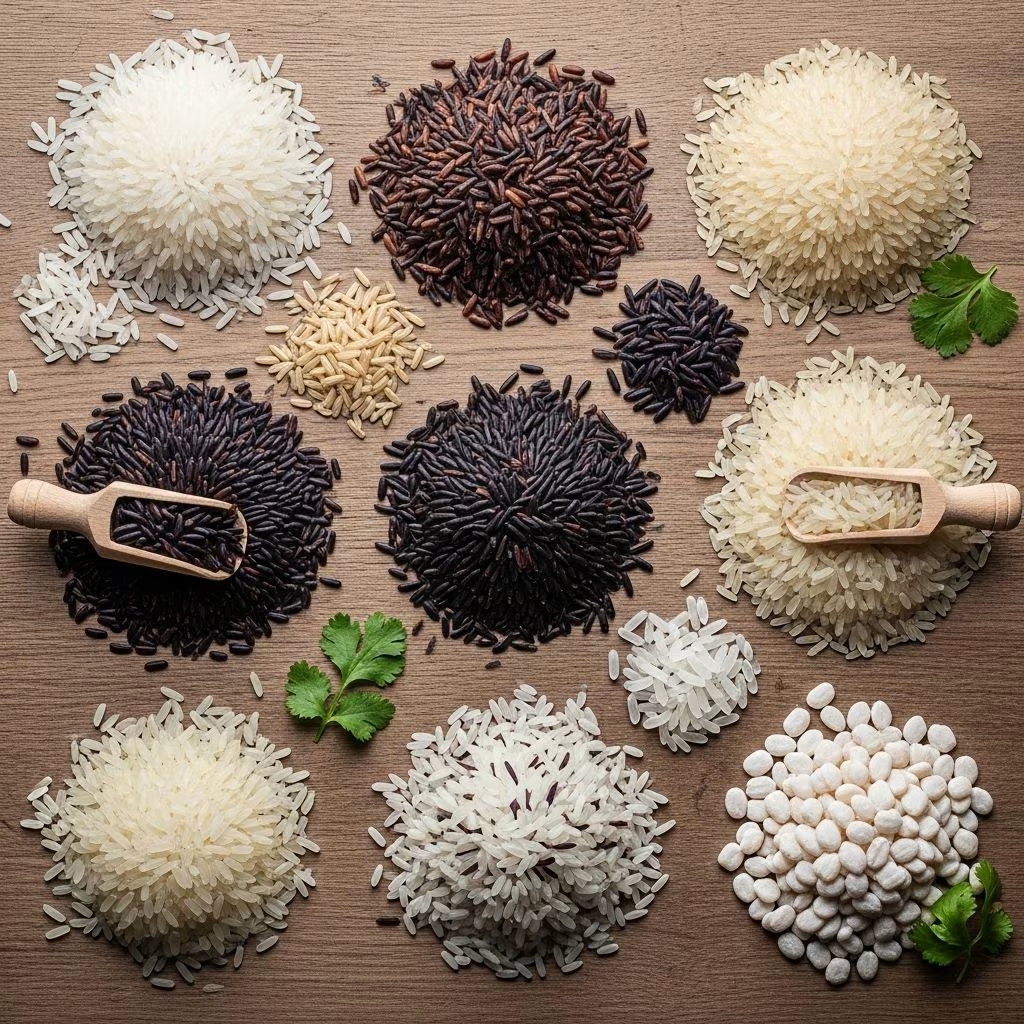
Introduction: Rice in Context
Rice is far more than a mere ingredient—it’s one of the world’s oldest and most essential staple foods, feeding more than half of humanity. From humble bowls bearing simple steamed grains to intricate, aromatic biryanis, rice traverses geography, history, and culture. Its universal appeal and remarkable versatility have earned it a starring role in global cuisine, nutrition, and agricultural traditions. This comprehensive guide explores what rice is, its varieties, health benefits, taste, and uses in modern and traditional cooking.
Botanical Origins and Rice Varieties
Rice (Oryza sativa and Oryza glaberrima) is a grass species cultivated for its edible starchy grains. There are over 40,000 identified rice varieties worldwide, mainly classified into the species Oryza sativa (Asian rice) and Oryza glaberrima (African rice). These are then divided by grain type, color, starch composition, aroma, and culinary application.
The Three Main Grain Types
- Short Grain Rice: Tiny, round grains, sticky when cooked; commonly used in sushi and sticky rice dishes.
- Medium Grain Rice: Plumper and shorter than long grains. Grows moist and tender, slightly sticky, popular for risotto and paella.
- Long Grain Rice: Slender, elongated grains (6.8–9 mm); cook up light, dry, and with separate grains. Includes basmati and jasmine varieties.
Popular Varieties Across the Globe
- Basmati: Aromatic, long, and slender grains—distinct fragrance and fluffy when cooked. Often used in Indian and Middle Eastern dishes.
- Jasmine: Intensely aromatic, slightly sticky, long-grain. Ideal for Thai and Vietnamese cuisines.
- Arborio: Medium-grain used in risotto; creamy texture due to high starch release.
- Brown (Wholegrain) Rice: Minimally milled, retains bran layer; higher fiber, earthy and nutty taste.
- Black (Forbidden) Rice: Deep purple-black, high in antioxidants (anthocyanins), nutty flavor.
- Bomba: Spanish rice that absorbs liquid rapidly; vital for authentic paella.
- Red and Purple Rice: Unhulled, colored grains, higher in nutrients and antioxidants.
- Sona Masoori & Ponni: Medium-grain, light, fluffy, and non-aromatic; popular in South Indian cuisine.
Nutritional Profile and Health Benefits
Rice is fundamental not only for its calorie value but also for providing macronutrients and microelements essential to human health. The nutritional value varies widely depending on type, processing, and whether the rice is polished (white) or whole (brown, red, black).
Key Nutrients Per 100g Cooked Rice
- Calories: 110–130 kcal
- Carbohydrates: 23–28g (primarily starch)
- Protein: 2–3g
- Fat: <0.5g (very low)
- Fiber: 0.5–2g (higher in wholegrain varieties)
- Vitamins & Minerals: B vitamins (thiamin, niacin, riboflavin), magnesium, phosphorus, iron, and trace zinc.
Health Benefits
- Digestive Health: Brown, red, and black rice are high in fiber, supporting regular digestion and lowering cholesterol.
- Heart Health: Whole grain rice varieties provide antioxidants, magnesium, and lignans that support heart function and reduce inflammation.
- Gluten-Free: All natural rice is free from gluten, making it safe for people with celiac disease or gluten sensitivity.
- Weight Management: Low in fat and energy-dense, rice can help maintain satiety and a healthy metabolism when consumed in moderation and supplemented with lean protein and vegetables.
- Antioxidant Protection: Colored rice varieties (black, red, purple) are rich in anthocyanins and flavonoids, compounds linked to improved immunity and cell health.
- Blood Sugar Regulation: Brown rice, with its low glycemic index, provides more sustained energy release compared to white rice.
Potential Drawbacks
- Arsenic Content: Rice absorbs more arsenic from soil than most grains; washing thoroughly and moderating intake mitigates risks, especially for infants.
- Pesticide Residues: Opt for certified organic rice when possible to reduce exposure to agrochemicals.
Culinary Uses Around the World
Rice features in thousands of national dishes, both as a staple and as an ingredient in gourmet and festive recipes. Its versatility is unmatched.
Traditional Uses
- Steamed Rice: Universal side dish in Asian, Latin American, and African cuisines.
- Fried Rice: A common way to use leftovers; sautéed with vegetables, eggs, and seasonings.
- Pilaf: Rice cooked with broth and aromatics, prevalent in Central/South Asia, Middle East, and Mediterranean.
- Biryani: Layered, spiced rice with meat/vegetables; an Indian and Pakistani specialty.
- Sushi: Japanese dish using seasoned, sticky short-grain rice.
- Risotto: Italian creamy rice, cooked slowly with stock and additions such as mushrooms or seafood.
- Paella: Spanish saffron rice with seafood, meat, or vegetables.
- Rice Pudding: Dessert variations found throughout Europe, Asia, and Latin America.
Innovative and Modern Applications
- Rice flour for gluten-free baking
- Rice paper in Vietnamese spring rolls
- Puffed rice in snack bars and cereals
- Fermented rice in traditional and modern beverages (sake, rice wine)
- Rice bran oil for high-heat cooking (rich in antioxidants)
Taste and Texture
The sensory experience of rice varies dramatically by variety and preparation. The main factors influencing taste and texture include starch content (amylose vs. amylopectin), milling, and cooking technique.
Flavor Profiles and Texture Characteristics
- Long-Grain White Rice: Mild flavor, dry and fluffy texture, grains remain separate.
- Basmati: Nutty aroma, subtly sweet flavor, elegant fragrance, light and airy.
- Jasmine: Floral aroma, slightly sweet, soft and sticky consistency.
- Brown Rice: Nutty, earthy flavor, chewy texture.
- Black Rice: Slightly sweet, deeply earthy, chewy with a subtle crunch.
- Arborio: Creamy texture, absorbs flavors well, mild and slightly floral.
The amylose/amylopectin ratio in rice determines texture: high amylose yields fluffy, separate grains (ideal for pilaf, biryani), while high amylopectin gives stickiness (perfect for sushi, puddings). Cooking methods (steaming, boiling, baking) can enhance these characteristics further.
Choosing the Right Rice for Every Dish
Understanding rice variety characteristics helps select the perfect rice for every culinary occasion.
- For Fluffy Pilafs: Use long-grain rice with high amylose, like basmati or traditional long-grain white.
- For Creamy Dishes: Select medium-grain rice, such as arborio or bomba, which release starch for a creamy, cohesive dish.
- For Sushi: Choose high amylopectin, short-grain Japonica for stickiness and shape retention.
- For Healthfulness: Opt for wholegrain (brown, red, black) varieties to maximize fiber, vitamins, and minerals.
- For Aroma: Jasmine and basmati rice are preferred for fragrant dishes.
Rice Types Comparison Table
| Type | Grain Length | Texture | Taste | Common Dishes |
|---|---|---|---|---|
| Basmati | Long | Dry, fluffy | Nutty, aromatic | Biryani, pilaf |
| Jasmine | Long | Soft, slightly sticky | Floral, sweet | Thai curry, stir-fry |
| Arborio | Medium | Creamy, chewy | Mild | Risotto |
| Bomba | Short | Absorbs liquid, not sticky | Neutral | Paella |
| Brown Rice | Varied | Chewy | Nutty, earthy | Side, bowls |
| Black Rice | Varied | Chewy, crunchy | Earthy, sweet | Puddings, bowls |
| Sushi Rice | Short | Sticky | Vinegary, mild | Sushi |
Frequently Asked Questions (FAQs)
Q: What is the main difference between white and brown rice?
A: Brown rice keeps the bran and germ layers intact, resulting in higher fiber, vitamins, minerals, and a chewy texture. White rice is polished and loses most of its nutritional value but has a softer texture and milder taste.
Q: Is rice gluten-free?
A: Yes, all natural rice varieties are inherently gluten-free, making them suitable for people with celiac disease or gluten intolerance.
Q: Which rice has the lowest glycemic index?
A: Wholegrain rice (brown, red, black) typically has a lower glycemic index due to higher fiber content, leading to more gradual carbohydrate absorption.
Q: How should I store rice for maximum freshness?
A: Store uncooked rice in a cool, dry, airtight container away from direct sunlight. Cooked rice should be refrigerated promptly and consumed within 2–3 days to prevent spoilage and foodborne illnesses.
Q: Can rice be part of a weight management diet?
A: Yes, when eaten in balanced portions with vegetables and lean protein. Opt for wholegrain varieties to increase satiety and nutrient intake.
Q: Why is some rice sticky while other rice is fluffy?
A: The proportion of starch types—amylose (leads to fluffiness) versus amylopectin (causes stickiness)—determines the final texture when cooked.
Conclusion
Rice’s extraordinary diversity, nutritional benefits, global culinary impact, and subtle flavors make it much more than a simple food. Whether you are seeking health bonuses, planning a gourmet meal, or just enjoying the humble comfort it brings, rice truly belongs at the heart of the world’s kitchens.
References
- https://www.theculinarypro.com/rice-varieties
- https://www.riceassociation.org.uk/types-of-rice
- https://www.refreshyourlife.in/blog/your-guide-to-different-types-of-rice-varieties
- https://www.gffoodservice.com.au/resource/all-the-different-types-of-rice/
- https://riceselect.com/blog/a-foodies-guide-to-rice-varieties
- https://www.usarice.com/docs/default-source/thinkrice/understanding-rice-varieties-usa-rice-presentation.pdf?sfvrsn=c94da98d_2
- https://mahatmarice.com/cooking/know-your-rice-varieties/


