


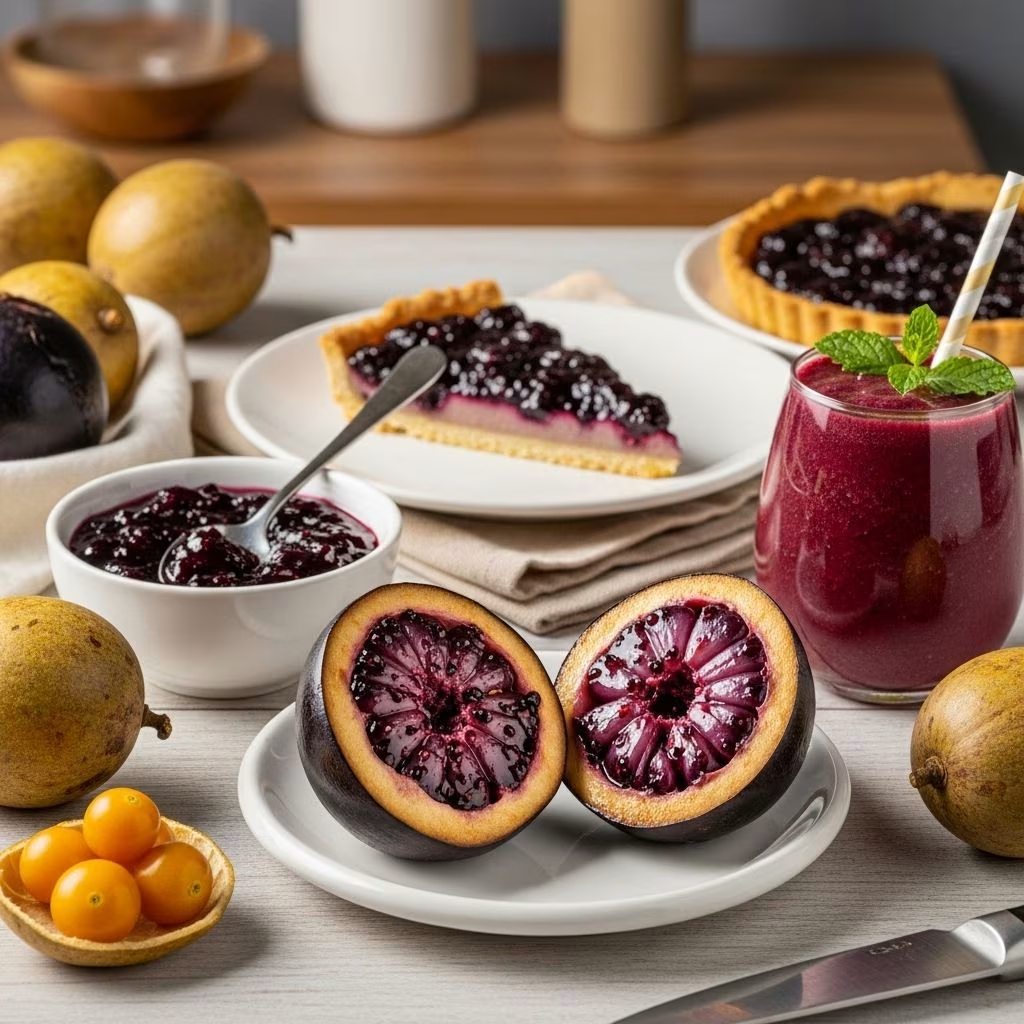
Ububese fruit, sometimes called the wild custard apple or Annona senegalensis, is an indigenous African fruit prized for its unique, sweet, and mildly tangy flavor. From the forests of Southern Africa to the home kitchens of rural and urban areas, ububese is a staple in traditional diets and is gaining popularity with chefs and food lovers worldwide. Whether you want to enjoy it raw, in classic African desserts, or in creative modern dishes, learning how to prepare and cook ububese perfectly is the key to unlocking its delightful taste and nutritional benefits.
About Ububese Fruit
Ububese fruit (Annona senegalensis) grows wild across sub-Saharan Africa and is cherished for its creamy, apricot-colored flesh and distinct aroma. It is a good source of vitamin C, potassium, fiber, and antioxidants. The flavor is compared to a cross between pineapple, mango, and custard apple, making it highly versatile in both sweet and savory recipes.
- Other names: African custard apple, wild custard apple, wild soursop, umhobohobo (Zulu), Mmilo (Tswana), and bush apple.
- Appearance: The fruit is round to ovoid, 3–6 cm wide, with an orange-yellow skin that becomes softer when ripe.
- Season: Ububese is in season from late summer to early autumn in most African regions.
Nutritional Benefits
- Rich in vitamin C and natural antioxidants.
- Source of dietary fiber, supporting digestive health.
- Contains potassium, calcium, and small amounts of iron.
Selection and Storage Tips
To ensure your ububese recipes turn out delicious, start with the best-quality fruit. Here is how to select and store ububese fruit for optimal use:
- Selection: Look for fruit that is golden yellow to orange, free of blemishes, and slightly soft to the touch. Avoid hard, green, or overly wrinkled ones.
- Ripeness: Ripe ububese gives off a strong fragrance and yields slightly to gentle pressure.
- Storage: Store ripened ububese in the refrigerator for up to 5 days. Unripe fruit should be kept at room temperature until it softens.
- Freezing: Scoop out the flesh, remove seeds, and freeze in airtight containers for up to 3 months for smoothies or desserts.
Preparation Techniques for Ububese
Preparing ububese is simple, but to maximize its natural flavor and texture, follow these steps:
- Wash the fruit thoroughly under running water to remove any dirt or residue.
- Cut the fruit in half lengthwise using a sharp knife.
- Scoop out the golden flesh with a spoon. Discard the brown-black seeds and skin.
- Puree or mash the flesh as required by your recipe. Ububese is naturally smooth, so excessive blending is usually not needed.
- Optional: Strain through a mesh sieve for extra-smooth results in jams, jellies, or drinks.
Traditional Ububese Recipes
Ububese fruit has been enjoyed for centuries in Sub-Saharan Africa. Its creamy texture and sweet notes make it ideal for classic, comforting dishes. Here are three authentic ububese recipes:
1. Ububese Porridge (Umqombothi waUbubese)
A beloved breakfast or dessert in rural communities.
- Ingredients:
- 2 cups ububese pulp
- 1 cup maize meal (or sorghum meal)
- 3 cups water or milk
- 1–2 tbsp honey or sugar (optional)
- Pinch of salt
Instructions:
- In a pot, combine the maize meal, water or milk, and salt. Cook over low heat, stirring to avoid lumps, until thickened (about 10–15 minutes).
- Fold in the ububese pulp and continue cooking for 2–3 minutes.
- Sweeten with honey or sugar to taste.
- Serve warm, garnished with extra fruit or nuts if desired.
2. Classic Ububese Jam
This spread is delicious on breads, pancakes, or as a cake filling.
- Ingredients:
- 3 cups ububese pulp
- 1 1/2 cups sugar
- 1 tbsp lemon juice
- 1 tsp vanilla extract (optional)
Instructions:
- Place ububese pulp in a heavy saucepan over medium heat.
- Add sugar and stir constantly until dissolved.
- Add lemon juice and keep simmering until the mixture thickens and develops a glossy sheen (20–30 minutes).
- Stir in vanilla. Pour into sterilized jars and cool completely before refrigerating.
3. Simple Ububese Snack (Fresh Fruit Style)
- How to eat: Simply halve ripe ububese, remove the seeds, and spoon the creamy flesh directly. Add a drizzle of honey or a sprinkle of cinnamon for an elevated treat.
Modern Recipe Innovations
Chefs and home cooks are experimenting with ububese beyond traditional borders, blending its flavor into desserts, beverages, and even savory creations. Try these contemporary recipes at home:
4. Ububese Cheesecake
- Crust: 1 1/2 cups crushed digestive biscuits, 1/3 cup melted butter, 2 tbsp sugar
- Filling: 2 cups cream cheese, 1 cup ububese puree, 3/4 cup sugar, 2 eggs, 1 tsp vanilla
Instructions:
- Combine crust ingredients and press into a springform pan. Chill while preparing filling.
- Beat cream cheese and sugar until smooth. Add ububese puree and vanilla, then eggs one at a time.
- Pour into crust and bake at 160°C (320°F) for 45–55 minutes until set.
- Cool and refrigerate for at least 4 hours before serving.
5. Ububese and Yogurt Parfait
- Layer Greek yogurt, ububese puree, and granola in a glass for a vibrant, nutritious breakfast or snack.
- Add honey, nuts, or seeds for extra flavor and texture.
6. Ububese Sorbet
- Blend 4 cups ububese pulp, 1 cup sugar syrup, juice of 1 lemon, and freeze in an ice cream maker (or freeze, blend, and re-freeze for a smooth texture).
- Perfect as a refreshing palate cleanser or summer dessert.
7. Ububese Smoothie
- Combine 1 cup ububese, 1 banana, 1 cup coconut milk, and 1 tablespoon honey. Blend until smooth and serve chilled.
Serving Ideas & Pairings
- With Breakfast: Stir ububese puree into oatmeal or serve alongside scones.
- For Dessert: Use as a pie filling, cake layer, or folded into mousse.
- On Cheese Boards: Pair ububese jam with tangy cheeses like chèvre or feta for a sweet-savory medley.
- Tropical Touch: Mix chopped ububese with pineapple, papaya, and lime for a vibrant fruit salad.
Tips for Cooking Ububese Perfectly
- Don’t overcook: For jams and sauces, cook just until thickened to preserve the delicate flavor.
- Use ripe fruit: Ububese is sweetest and most flavorful when fully ripe and slightly soft.
- Avoid boiling with skin: Always peel or scoop the flesh; the skin is tough and bitter.
- Add citrus: A splash of lemon or lime enhances flavor and preserves the fruit’s bright color.
- Blend gently: For recipes requiring smoothness, pulse rather than over-blend to avoid a starchy texture.
| Problem | Possible Cause | Solution |
|---|---|---|
| Flavor is bland | Unripe or overcooked fruit | Use ripe fruit, avoid excessive heat |
| Texture is stringy | Insufficient sieving or using skin | Sieve puree before use, discard skin |
| Fruit darkens after prepping | Oxidation | Add citrus juice immediately after scooping |
| Too watery in recipes | Overripe or watery fruit | Simmer to reduce or add thickening agent |
Frequently Asked Questions (FAQs)
Q: What does ububese taste like compared to other fruits?
A: Ububese is creamy and subtly sweet, with notes reminiscent of mango, pineapple, and custard apple. The taste can have a faint citrus tang, especially when fully ripe.
Q: Can ububese fruit be eaten raw?
A: Yes, it is often eaten fresh. Simply scoop out the flesh and enjoy as is or with a touch of sweetener.
Q: How do you know when ububese is ripe?
A: The fruit gives off a strong sweet fragrance, its color brightens, and it feels slightly soft to gentle pressure. Avoid fruits that are too hard or shriveled.
Q: Can ububese be used as a yogurt or smoothie mix-in?
A: Absolutely! The smooth texture and unique flavor make it a perfect addition to smoothies, yogurt parfaits, and breakfast bowls.
Q: Are there any uses for the ububese seeds?
A: The seeds are typically discarded as they are not edible and can be slightly bitter. Some cultures use cleaned and dried seeds in crafts or as ornamental beads.
Q: Is ububese fruit healthy?
A: Yes, it is rich in vitamin C, dietary fiber, and antioxidants. It is a nourishing, low-calorie addition to a balanced diet.
Final Thoughts
Ububese fruit is a hidden gem of African cuisine with a legacy rooted in tradition and a place in modern kitchens. With its nutritional value and delightful flavor, it’s easy to see why it continues to win new fans. By following the preparation and cooking tips above, you can enjoy ububese in new and creative ways, from jams and porridge to cheesecakes and sorbets. Experiment, savor, and share the joy of this special African fruit.


