


Introduction
Root vegetables have long been integral to diets across the world, providing sustenance, nutrition, and diversity in culinary practices. Among the rich variety enjoyed in the Andean highlands, ulluco stands out for its vibrant color, nutritional value, and distinct taste. This article explores what ulluco is, its health advantages, its numerous culinary uses, and the unique flavor that has captivated generations in South America and beyond.
What Is Ulluco?
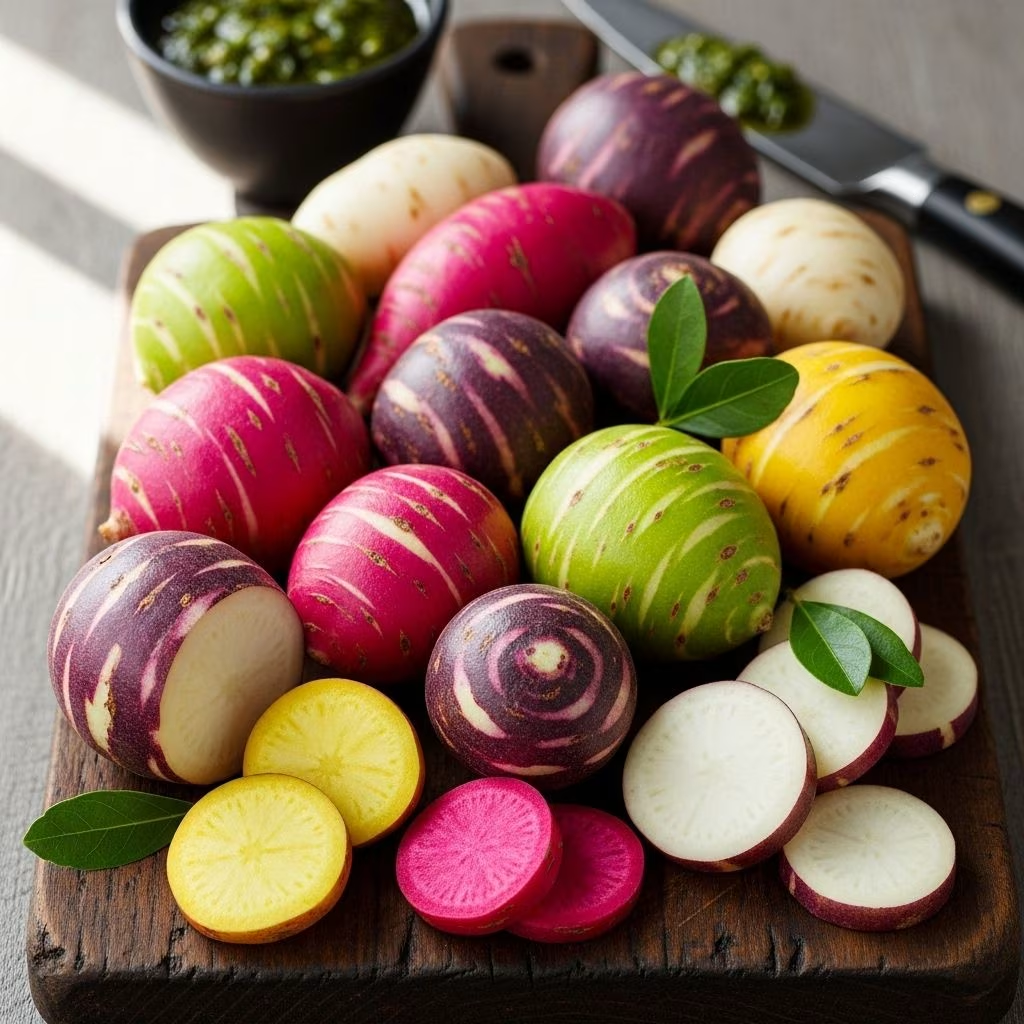
Ulluco (Ullucus tuberosus) is a starchy tuber and root vegetable indigenous to the Andean region of South America. Recognized for its strikingly colorful, waxy skin and its versatility as both a root and a leaf vegetable, ulluco remains a staple food in countries such as Peru, Bolivia, Ecuador, and Colombia. Its vivid exterior includes yellows, greens, pinks, reds, purples, and sometimes combinations of these hues. The plant is typically low-growing, with smooth tubers that may be round, oval, or elongated in shape. Both tubers and leaves are edible, with the latter often cooked similarly to spinach.
Botanical Characteristics and Origins
Ulluco is the only species in the genus Ullucus, belonging to the Basellaceae family. The plant reaches up to 50 cm (20 in) in height, producing numerous tubers beneath the soil. It is closely related to other Andean crops like oca and mashua but distinguished by its spectrum of skin colors and uniquely succulent texture.
- Scientific name: Ullucus tuberosus
- Family: Basellaceae
- Growth: Herbaceous, scrambling stems
- Edible parts: Tubers and leaves
The name “ulluco” comes from the Quechua word ulluku, with many regional variations, such as olluco (Peru, Bolivia), melloco (Ecuador), and chungua (Colombia).
History and Cultural Significance
Ulluco was cultivated by indigenous Andean civilizations as early as 4000 years ago, predating even the arrival of the Spanish conquistadors. Its resilience in high-altitude climates and short growing seasons made it an essential source of nutrition for the Incas and other Andean peoples. After the Spanish conquest, the introduction of European vegetables reduced its prevalence, but ulluco maintained its place in regional diets, celebrated for both taste and nutrition. Today, ulluco is still widely grown and consumed in the highlands, featured in traditional dishes and agricultural rituals.
Nutritional Benefits of Ulluco
- High in Vitamin C: Ulluco contains more than twice as much vitamin C as potatoes, supporting immunity, skin health, and tissue repair.
- Protein Content: It offers higher protein than most other tubers, making it beneficial for vegetarian and plant-based diets.
- Calcium and Carotene: Ulluco features significant levels of calcium, important for bone health, and carotene, a precursor of vitamin A that supports vision and antioxidant activity.
- Low Caloric Value: Provides about 20 fewer calories per serving than the common potato, aiding calorie-conscious diets.
- Good Source of Carbohydrates: Highly starchy, offering long-lasting energy for active lifestyles.
Summary Table: Key Nutritional Components
| Nutrient | Ulluco | Potato |
|---|---|---|
| Vitamin C | High | Medium |
| Protein | Medium-High | Low-Medium |
| Calcium | Significant | Low |
| Carotene | Present | Absent |
| Calories/serving | Low | Higher |
These attributes make ulluco an attractive option for those seeking nutrient-dense alternatives to common tubers.
Culinary Uses of Ulluco
Ulluco shines in a variety of traditional and modern culinary applications, prized for its vivid appearance, unique texture, and subtle earthy flavor. It is used both in everyday cooking and festive dishes, bringing diversity and color to the plate.
- Soups and Stews: Ulluco is often preferred over potatoes for Andean soups (e.g., cocido boyacense in Colombia) due to its smoother, less grainy texture.
- Traditional Dishes: The Peruvian dish olluquito con carne features thinly sliced ulluco cooked with beef, spices, and served with rice.
- Raw, Pickled, or Grated: Ulluco’s high water content allows it to be enjoyed raw in salads, pickled, or grated for various preparations.
- Leaf Usage: The leaves of ulluco are edible and can be cooked like spinach or added to salads for a mild, vegetal flavor.
- Contemporary Cuisine: Modern chefs use raw and cooked ulluco to bring color and unique taste to salads, garnishes, and fusion dishes.
Ulluco is rarely baked, due to its high water content, but works well when boiled, sautéed, or blended into purees. Many varieties lose their raw mucilaginous texture when cooked, resulting in a smoother consistency.
Taste and Texture Profile
Ulluco’s flavor is often described as earthy, subtly nutty, and musky, with a taste reminiscent of beetroot combined with potato. Some cultivars reveal a more pronounced beet flavor, while others are milder. The texture varies from firm and crisp (when raw) to succulent and smooth (when cooked). A characteristic mucilaginous or slightly gummy texture can be present when raw, especially in certain varieties, but is mostly diminished after cooking. This unique mouthfeel makes ulluco appealing in soups and stews where a cohesive texture is desired.
- Raw Ulluco: Crisp, watery, with notes of beet and potato
- Cooked Ulluco: Soft, smooth, and mellow
- Leaves: Mild, green, and vegetal taste, similar to spinach
Ulluco vs Other Root Vegetables
| Characteristic | Ulluco | Potato | Beet | Oca |
|---|---|---|---|---|
| Origin | Andes | Andes/Worldwide | Europe/Asia | Andes |
| Color | Bright, multicolored | Varied (mostly pale) | Deep red/purple | Yellow, orange, red |
| Edible Parts | Tuber & leaf | Tuber | Root | Tuber |
| Taste | Earthy, beet-like | Mild, earthy | Sweet, earthy | Lemony, sweet |
| Texture | Watery, mucilaginous | Starchy, dry | Firm, juicy | Crispy, starchy |
| Nutrition | High Vit C, protein | Carbohydrate | Folate, antioxidants | Carbohydrate, Vit C |
| Traditional Uses | Soups, stews, salads | Fried, mashed, baked | Salads, pickles | Boiled, baked |
How to Prepare and Cook Ulluco
- Washing: Clean thoroughly under running water to remove soil from skin crevices.
- Peeling: Skin is very soft and usually does not require peeling.
- Slicing or Grating: For salads and stews, slice, grate, or dice tubers as desired.
- Cooking Methods: Ulluco can be boiled, steamed, sautéed, or included in soups and stews. Its mucilaginous texture diminishes with cooking, resulting in a smooth, succulent finish.
- Raw Consumption: Add raw, thinly sliced ulluco to salads for a crisp, slightly sweet accent—ideal for highlighting its vivid color.
- Leaf Preparation: Use ulluco leaves just as spinach, either sautéed, blended into soups, or added to stir-fries.
Where to Find Ulluco
Though common in Andean markets, ulluco remains rare in North America, Europe, and other temperate regions. Occasional specialty stores, Latin markets, or international grocers may carry it, especially in communities with strong Andean roots. New Zealand is noted for its successful cultivation of the crop, which has increased access in recent years. For growers, ulluco demands cool climates and short days for tuber formation.
Frequently Asked Questions (FAQs)
Q: Is ulluco the same as potato?
No, while ulluco and potato are both tubers native to the Andes and share some culinary uses, they are different species with distinct flavor, color, and nutritional profiles.
Q: Can ulluco be eaten raw?
Yes, ulluco can be eaten raw, especially in salads, but some varieties are mucilaginous or slightly slimy. Cooking typically removes this texture.
Q: Does ulluco need to be peeled before cooking?
Generally, there is no need to peel ulluco. Its waxy, soft skin is edible and contributes color and texture to dishes.
Q: Are ulluco leaves nutritious?
Yes, the leaves of ulluco are edible and are similar to spinach in taste and nutrition, rich in vitamins and minerals.
Q: What dishes feature ulluco?
Traditional dishes include olluquito con carne (Peru), cocido boyacense (Colombia), and various Andean soups, salads, and stews.
Conclusion
Ulluco is a remarkable Andean tuber with a unique combination of vivid colors, outstanding nutritional benefits, and a complex taste profile. Valued by indigenous cultures and modern cooks alike, ulluco remains a vibrant ingredient that brings both health and culinary excitement to the table. Whether boiled, pickled, shredded, or sautéed, its versatility invites creative use in kitchens worldwide, while its legacy endures in the highlands of South America.
References
- https://www.acfchefs.org/Downloads/IOTM/202011-Flyer.pdf
- https://specialtyproduce.com/produce/Mountain_Ulluco_16986.php
- https://www.acfchefs.org/Downloads/IOTM/202011.pdf
- https://en.wikipedia.org/wiki/Ullucus
- https://www.cultivariable.com/instructions/andean-roots-tubers/how-to-grow-ulluco/
- https://www.cabidigitallibrary.org/doi/full/10.1079/cabicompendium.55568
- https://perennialnerd.com/2018/02/07/all-about-ulluco/
- https://scalar.usc.edu/works/plants-and-people/ulluco-cultivation-consequences-on-reproduction
- https://pfaf.org/user/Plant.aspx?LatinName=Ullucus+tuberosus


