


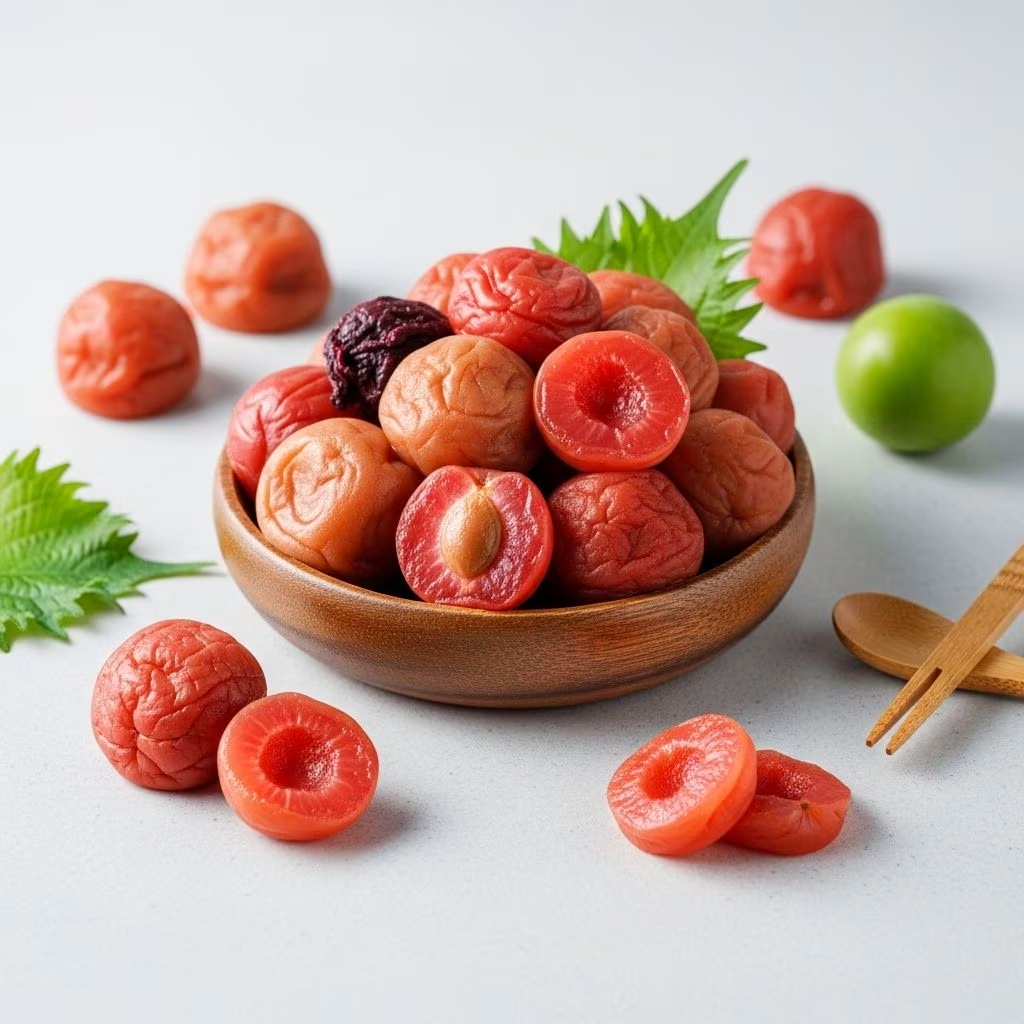
Introduction to Umeboshi
Umeboshi (Japanese: 梅干し) are pickled ume fruits, long celebrated in Japan for their sharp sourness, intense saltiness, and reputed healing powers. While often called “plums,” ume are actually closer to apricots (Prunus mume). These small, round fruits undergo a process of salt curing and fermentation, yielding a wrinkled, flavorful condiment that has found a central role in Japanese cuisine.
History and Cultural Significance
Consumed for centuries, umeboshi’s origins trace back to ancient Japan, where these sour-salty plums were prized for their preservative qualities and purported medicinal effects. They are frequently associated with samurai, who reputedly carried umeboshi for strength and as a protector against fatigue and food poisoning. Today, they remain emblematic of traditional Japanese eating and are often found in obento lunch boxes and onigiri rice balls.
- Symbolism: Placing a single umeboshi in the center of a bentobox resembles Japan’s flag, a practice known as “hinomaru bento“.
- Everyday Use: Umeboshi are an indispensable part of Japanese breakfasts, and their sharp flavor is said to help awaken the senses.
How Umeboshi Is Made: Traditional Production
Umeboshi are crafted through an intricate process that blends simple ingredients—ume fruit, salt, and occasionally red shiso leaves—into a potent pickle:
- Harvest: Ume fruits are picked when ripe, typically in June.
- Salting: The fruits are packed with salt (traditionally ~20% by weight), which draws out their moisture and initiates fermentation.
- Fermentation: The salted fruit sits in barrels, releasing umezu—a salty, sour brine also sold as “plum vinegar.”
- Drying: Many umeboshi are sun-dried, concentrating flavors and enhancing preservation.
- Flavoring: Red shiso leaves may be added for coloration and subtle herbal notes. Some varieties are sweetened with honey or enriched with bonito flakes, kelp, or seasoning.
Regional Production: Wakayama Prefecture, especially Minabe, is famed for producing Japan’s highest-quality ume and umeboshi.
Varieties and Forms of Umeboshi
- Classic Umeboshi: Small, wrinkled, intensely sour and salty plums sun-dried and packaged whole.
- Honey Umeboshi: Processed with honey, resulting in a sweeter, less salty flavor profile.
- Katsuo Ume: Enriched with bonito flakes, adding savory umami.
- Shiso Umeboshi: Dyed and flavored with red shiso leaves for added aroma and color.
- Umezuke: Pickled but not dried, yielding softer and milder umeboshi.
- Umeboshi Paste (Neri Ume): A smooth, spreadable form; ideal as a condiment or cooking ingredient.
| Type | Description | Flavor Notes |
|---|---|---|
| Classic Umeboshi | Sun-dried, salted | Intensely sour, very salty |
| Honey Umeboshi | Sweetened with honey | Sweet-salty-sour balance |
| Katsuo Ume | Mixed with bonito flakes | Savory umami |
| Shiso Umeboshi | Dyed/flavored with shiso leaves | Herbal aroma, vivid color |
| Umezuke | Not sun-dried; softer texture | Mildly sour, less salty |
Taste Profile: Sour, Salty, and Savory
Umeboshi are renowned for their overwhelming sourness and saltiness, often described as both a flavor and a sensation. The high citric acid content rivals that of lemons and grapefruits, and the substantial salt content amplifies its preservative qualities and punch.
- Sourness: Most pronounced due to citric acid; can make one’s face “pucker.”
- Saltiness: Traditional varieties contain up to 20% salt, though modern versions may be reduced to 3-15% and sweetened.
- Umami Notes: Added through ingredients like bonito flakes, kelp, or shiso leaves.
- Texture: Range from wrinkled and chewy to softer and plump, based on preparation.
Despite its strong flavor, umeboshi is cherished as both a condiment and an acquired taste in Japanese cuisine.
Nutritional Value of Umeboshi
Umeboshi offer several noteworthy nutritional features:
- Rich in citric acid: Naturally occurring preservative and antioxidant.
- Natural polyphenols: Provide antioxidant benefits to combat oxidative stress.
- Vitamins and minerals: Contains vitamin B1, potassium, and iron, plus trace vitamins.
- Low calorie: Umeboshi is low in calories but high in flavor.
- Sodium content: Caution for individuals watching salt intake; reduced-salt varieties available.
Health Benefits of Umeboshi
Historically, umeboshi have been lauded for their restorative powers in Japan. Modern research and traditional wisdom highlight the following benefits:
- Digestive Aid: Stimulates saliva and digestive juices, improving digestion and alleviating bloating and constipation.
- Hangover Remedy: Used traditionally to relieve hangovers and fatigue.
- Antibacterial Properties: The low pH and high salt of umeboshi inhibit bacterial growth, making it a natural preservative.
- Immune Boost: Citric acid helps strengthen the immune system and may prevent colds and flu.
- Detoxification: Used in Japanese folk medicine to promote “detox,” support liver function, and alleviate food poisoning.
- Antioxidant Activity: High in polyphenols, which may protect cells from damage and contribute to anti-cancer effects.
- Anti-fatigue: Regular consumption is believed to relieve tiredness, especially in hot weather.
While many benefits are rooted in tradition, some—such as antibacterial activity and antioxidant content—have documented scientific support. As with all high-salt foods, moderation is recommended, especially for individuals managing blood pressure or cardiovascular concerns.
Culinary Uses and Recipes
Umeboshi’s powerful flavor is harnessed in a variety of Japanese dishes:
- Onigiri Filling: Stuffed inside rice balls for tangy contrast and preservation.
- Obento Garnish: Placed on or in rice as a flavorful accent and visual centerpiece.
- Ochazuke (Tea Rice): Mashed into rice with green tea, adding sourness and aroma.
- Okayu (Rice Porridge): Stirred into porridge to aid digestion and intensify taste.
- Somen/Udon Noodles: Used as a condiment to balance starchy noodles.
- Vegetable Dressings: Umeboshi paste mixed into salad dressings and dipping sauces.
- Chilled Tofu: Smeared atop hiyayakko tofu with shiso and ginger.
- Pasta and Western Fusion: Increasingly featured in creative recipes like dressings, marinades, and sauces.
Umeboshi Products:
- Umezu (Plum Vinegar): Used for pickling, dressing, and coloration.
- Neri Ume (Umeboshi Paste): Convenient for blending into dishes and dips.
- Ume Salt: Seasoned salt for tempura, grilled meats, and vegetables.
Buying and Storing Umeboshi
Umeboshi are widely available in Asian/Japanese grocery stores, health food shops, and online marketplaces:
- Forms Available: Whole plums, paste, pre-packed in jars, sometimes with honey or bonito flakes.
- Storage: Should be kept sealed in a cool, dark place. Opened packages should be refrigerated to maintain freshness.
- Shelf Life: Traditional high-salt varieties last for many months to years due to their natural preservative content.
- Selection: Choose based on salt content, flavorings, and intended use. “Nanko Ume” from Wakayama is considered top quality.
Frequently Asked Questions (FAQs)
Q: Is Umeboshi good for health?
A: Umeboshi is valued for its digestive, antibacterial, and antioxidant properties, but should be eaten moderately due to high salt.
Q: How does Umeboshi taste compared to other pickles?
A: Umeboshi is unusually sour and salty with a mouth-puckering effect, stronger than most western pickles and commonly enhanced with sweet or savory flavors.
Q: Can you make Umeboshi at home?
A: Yes, with ripe ume or apricot fruits, salt, and patience. Traditional recipes require careful fermentation and occasionally sun-drying for authenticity.
Q: Are there low-sodium Umeboshi options?
A: Modern varieties are made with reduced salt content and sweeteners like honey, suitable for those watching sodium intake.
Q: What’s the difference between Umeboshi and Umeshu?
A: Umeboshi is a pickled fruit, while Umeshu is an alcoholic beverage made from ume fruits and not pickled or salted.
Conclusion
Umeboshi, with its bold taste and storied past, is more than just a pickle—it’s a cornerstone of Japanese culinary tradition and a celebrated superfood. Revered for its health-promoting properties and versatility in both classic and modern recipes, umeboshi appeals to adventurous eaters, health enthusiasts, and anyone seeking to explore authentic Japanese flavors. Whether enjoyed on rice, blended into dressings, or sampled on its own, umeboshi brings a burst of tradition, nutrition, and flavor to the table.
References
- https://en.wikipedia.org/wiki/Umeboshi
- https://www.justonecookbook.com/umeboshi/
- https://bokksu.com/blogs/news/everything-you-need-to-know-about-umeboshi-japan-s-traditional-pickled-plum
- https://www.chopstickchronicles.com/umeboshi-rhubarb/
- https://bokksu.com/blogs/news/what-is-umeboshi
- https://japanesetaste.com/blogs/japanese-taste-blog/the-complete-guide-to-umeboshi-japanese-pickled-plums
- https://www.masterclass.com/articles/umeboshi-pickling-recipe
- https://www.nishikidori.com/en/80-ume-umeboshi


