


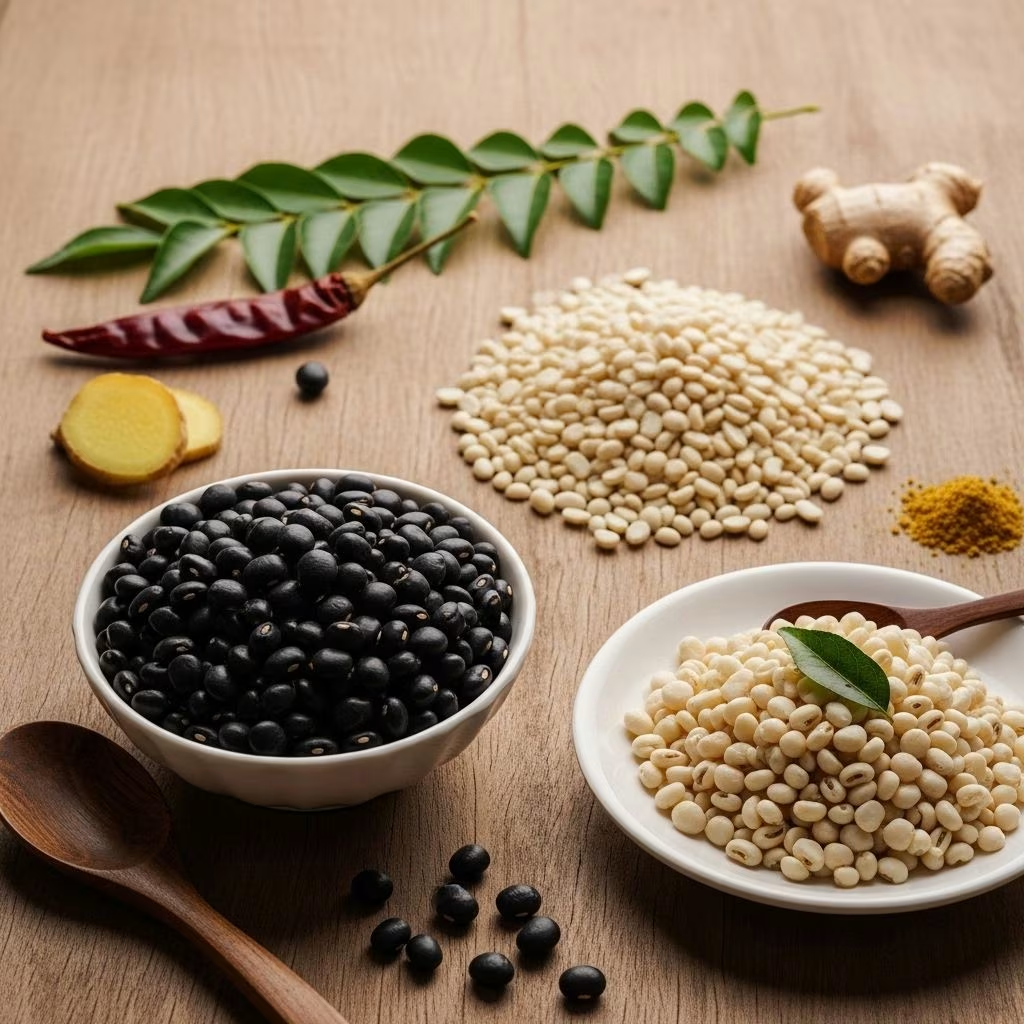
Urad bean, also known as black gram or Vigna mungo, stands as one of South Asia’s most prized legumes. Famed for its diverse culinary roles and acclaimed nutritional value, urad bean—often spotted in Indian dal, dosas, and papadum—offers a complex flavor, pleasing texture, and a host of health benefits. This comprehensive guide explores urad bean’s origin, varieties, distinctive taste, impressive nutrition, remarkable health effects, time-tested culinary uses, and more.
Overview: What Is Urad Bean?
Urad bean (Vigna mungo) is a small, black-skinned legume native to South Asia and widely cultivated in tropical and subtropical regions. Known by various names across languages and regions—including black gram, black lentil (not to be confused with true lentils), and white lentil (when skinned and split)—it is central to many traditional Asian dishes .
- Botanical family: Fabaceae (legume family)
- Common English names: Black gram, urad bean, black matpe bean
- Key regions: India, Nepal, Bangladesh, Myanmar, Southeast Asia
- Main uses: Stews (dal), batters, fritters, flatbreads, and more
Origin and History of Urad Bean
Urad bean has been cultivated for thousands of years. Indigenous to India, it holds a prominent place in ancient and modern diets throughout South Asia. Archaeological evidence and ancient texts acknowledge urad bean’s role in agriculture and cuisine since antiquity .
- First domesticated in India, now grown across Asia, Africa, and the Caribbean
- Integral in Indian and Nepalese cuisines, especially as staple protein
- Brought to new regions during historical migrations and trade
Varieties, Names, and Forms
The urad bean is known by an array of names in different languages and appears in several forms on the market:
| Form | Local Names | Description |
|---|---|---|
| Whole | Black gram, sabut urad, udad dal, sabit maash | Black skin, off-white interior; used in hearty stews, slow-cooked dishes |
| Split (with skin) | Urad dal chilka | Halved beans with skin; strong, earthy flavor |
| Split and skinned | White urad dal, white lentil | Creamy-white lentils; used for batters (dosa, idli), delicate dishes |
| Flour | Urad dal flour, black gram flour | Finely ground, used in flatbreads, papadum, and thickeners |
Other regional names include: Dậu đen (Vietnamese), Maas (Nepali), Minumulu (Telugu), Ulunthu (Tamil), Uddina Bele (Kannada) .
Nutritional Profile of Urad Bean
Urad bean is considered a nutritional powerhouse among plant-based proteins. It is especially valued in vegetarian and vegan diets for its high protein, dietary fiber, essential minerals, and beneficial plant compounds .
| Nutrient (per 100g raw bean) | Amount |
|---|---|
| Energy | 341 kcal |
| Protein | 25 g |
| Dietary fiber (whole) | 18 g |
| Fat | 1.6 g |
| Carbohydrates | 59.6 g |
| Calcium | 138 mg |
| Iron | 7.6 mg |
| Potassium | 983 mg |
| Folate (Vitamin B9) | 628 μg (raw) |
Urad bean also contains significant levels of niacin, thiamine, riboflavin, tocopherols (Vitamin E), flavonoids, and phenolic compounds. Its high folate content is especially beneficial for pregnant women .
Key Nutritional Points
- High protein content (25g per 100g)
- Rich in minerals: calcium, iron, potassium
- Important plant compounds: saponins, phytosterols, flavonoids
- Whole urad has more fiber than split (skinned) urad
- Low in fat, cholesterol-free, low glycemic index
Health Benefits of Urad Bean
Several scientific studies and traditional medicinal practices endorse urad bean’s wide-ranging health benefits:
- Supports heart health: High dietary fiber, phytosterols, and saponins help maintain healthy cholesterol levels. Urad’s antioxidants may protect the heart and blood vessels .
- Manages diabetes: Low glycemic index and high fiber slow glucose absorption, making urad bean suitable for diabetics .
- Aids weight management: High protein and fiber give a lasting feeling of fullness, which can help manage caloric intake .
- Bone health: Significant calcium and phosphorus content strengthens bones and teeth .
- Improves digestion: Whole urad boosts gut health through its fiber, supporting regular bowel movements .
- Rich in antioxidants: Phenolic compounds and flavonoids combat oxidative stress, possibly lowering disease risk .
- Protein for vegetarians/vegans: Urad bean provides essential amino acids complementing cereals (like rice/wheat), leading to balanced nutrition .
- Pregnancy nutrition: High folate supports fetal development and guards against neural tube defects .
Despite all these benefits, individuals should consult health professionals before making dietary changes, especially when managing chronic health conditions.
Culinary Uses Around the World
Urad bean’s unique texture and subtle yet earthy flavor make it a staple in diverse cuisines, particularly across South Asia. Below are some of its most popular culinary applications:
- Dal: Whole or split urad is simmered with spices, onions, and tomatoes to make thick, hearty dal—central to Indian and Pakistani diets.
- Idli and Dosa: Skinned split urad dal is soaked, ground, and fermented to create the batter for these iconic South Indian breakfast dishes.
- Vada: The same batter is shaped into donuts (medu vada) and deep-fried for a crunchy snack or breakfast item.
- Papadum (Appalam/Papad): Urad dal flour is kneaded, rolled, and dried to make crisp, paper-thin crackers popular across South Asia.
- Punjabi Cuisine: Whole urad is cooked slowly with rich spices and butter to produce dishes like Dal Makhani, a creamy restaurant favorite.
- Southeast Asian Cuisine: Used in Vietnamese (Dậu đen) and Burmese cooking, often as bean paste or dessert ingredients.
- Breads: Added to dough for Indian breads like paratha or roti, giving elasticity and added nutrition.
The culinary appeal of urad bean is not limited to its taste but extends to the pleasing mouthfeel it imparts—especially in batters and soups, where it thickens and creates a unique, slightly mucilaginous texture .
Taste and Texture
Urad bean’s flavor changes according to its form, preparation, and accompanying ingredients:
- Whole urad: Provides a mild, earthy, slightly nutty flavor and retains some bite when slow-cooked
- Split urad (with skin): Robust, somewhat pungent, with earthy depth
- Skinned split urad: Creamy, delicate, and bland—ideal for batters absorbing other flavors
- Cooked texture: Notably mucilaginous or sticky, creating a rich and smooth mouthfeel in soups and batters
This textural versatility makes urad bean ideal for thickening and binding, especially in fermented batters for idli and dosa.
Buying, Storing, and Preparing Urad Bean
Urad bean is widely available in South Asian groceries, health food stores, and online retailers. Consider these tips for handling and preparing urad beans:
- Choose intact, fresh-looking beans or dal with no moisture, pests, or stale odor
- Store in airtight containers, away from heat and light; whole beans last longer than split forms
- Soak whole or split urad for at least 4–6 hours (or overnight) before cooking; this reduces cooking time and improves digestibility
- Cook with ample water as beans expand
- Ferment skinned urad dal batter for best results in dosa, idli, and vada preparations
- Season liberally with warming spices, as urad bean has a subtle taste that integrates well with aromatics
Sample Cooking Methods
- Pressure cooking: Cuts down cooking time for whole or split beans
- Slow simmering: Used for creamy dals or stews, enhances flavor extraction
- Grinding into paste: For smooth batters in idli/dosa or dense, thick fritters
Side Effects and Precautions
Urad bean is generally safe and well-tolerated, with no common adverse reactions when cooked properly. Rarely, excessive intake may cause digestive discomfort such as bloating—typical of most legumes. Individuals with legume allergies or certain gastrointestinal sensitivities should consume in moderation and seek healthcare advice if uncertain .
Frequently Asked Questions (FAQs)
Q: How is urad bean different from mung bean or true black lentils?
A: While urad bean (Vigna mungo) is botanically related to the mung bean (Vigna radiata), they differ in color, flavor, and culinary use. Urad is not a true lentil (Lens culinaris); the term “black lentil” usually refers to urad’s whole bean form .
Q: Can urad bean be eaten raw?
A: No. Raw urad beans should not be consumed as they contain natural anti-nutrients that can hinder digestion. Soaking and cooking neutralize these and enhance nutrient availability .
Q: Is urad bean suitable for diabetics?
A: Yes. Its low glycemic index and high fiber content make it a good choice for regulating blood sugar in diabetic patients, though medical advice should be sought based on individual cases .
Q: What makes urad dal essential in South Indian cuisine?
A: Its ability to ferment and produce light, spongy batters for dishes like idli and dosa is critical. The sticky quality of ground urad dal is unmatched among legumes .
Q: What are the best substitutes for urad bean?
A: When urad bean is unavailable, similar legumes like split mung bean can sometimes be used, but the unique mucilaginous texture will be missing.
Conclusion
From the rich stews of Northern India to the light, fermented pancakes of the South, urad bean’s versatility and nutritional value have made it a cornerstone of Asian cuisine and an emerging superfood globally. Accessible, affordable, and adaptable to myriad recipes, urad bean promises a delicious way to boost protein intake, fiber, and essential minerals while exploring culinary traditions that date back centuries.
References
- https://sites.google.com/site/knowyourvegetables/know-your-beans/know-your-urad-bean
- https://pharmeasy.in/blog/ayurveda-uses-benefits-side-effects-of-urad-dal/
- https://en.wikipedia.org/wiki/Vigna_mungo
- https://cookbook.pfeiffer.net.au/ingredient/gram-black/
- https://www.feedipedia.org/node/236
- https://kids.kiddle.co/Black_gram
- https://housing.com/news/what-is-black-gram-and-what-are-its-many-benefits/
- https://foodstruct.com/food/black-gram
- https://www.lybrate.com/topic/black-gram-urad-dal-benefits-and-side-effects


