


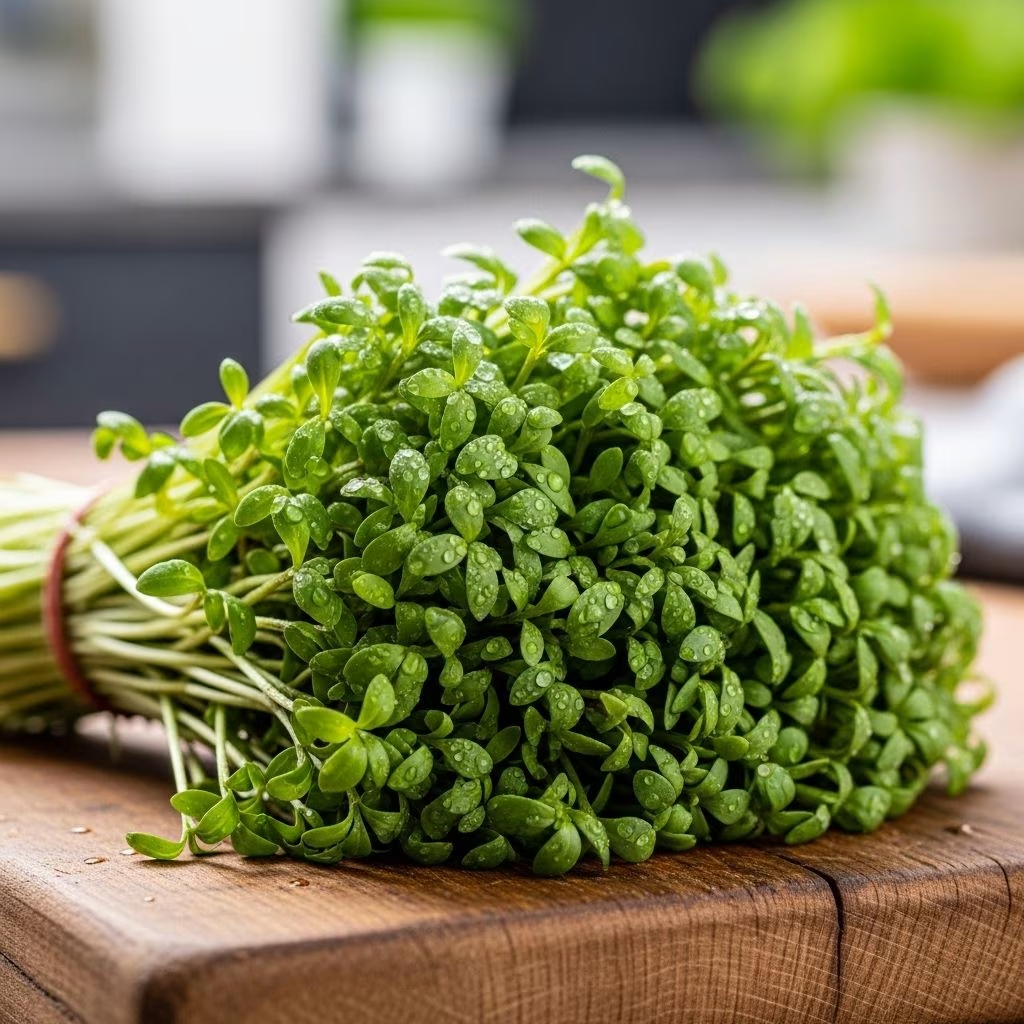
Upland cress (Barbarea verna), also known as land cress, American cress, and winter cress, is a peppery, nutrient-packed leafy green gaining favor among chefs, health-conscious home cooks, and avid gardeners alike. Despite its long history in European and American kitchens, upland cress remains a hidden gem for many. This in-depth guide explores upland cress’s botany, benefits, growing advice, culinary uses, and, above all, its unique taste profile.
Introduction to Upland Cress
Upland cress is part of the broad ‘cress’ category, which refers to several plants valued for their peppery, invigorating flavor. Its most famous cousins are watercress (Nasturtium officinale) and garden cress (Lepidium sativum). Upland cress stands out for its adaptability: it thrives in regular garden soil and does not require the aquatic environment needed for watercress.
This green originated in Europe but is now grown and enjoyed worldwide. In the southern United States, it is often called “creasy greens,” and is prized as both a wild-foraged green and a cultivated herb.
Plant Profile and Botany
- Botanical Name: Barbarea verna
- Family: Brassicaceae (mustard family)
- Common Names: Upland cress, land cress, American cress, dryland cress, winter cress, creasy greens
- Type: Biennial or short-lived perennial (sometimes annual depending on region)
- Growth Pattern: Forms rosettes of glossy, lobed dark green leaves on slender, pale green stems
- Height: Typically 30–90 cm (12–36 inches) at maturity
- Flower: Small yellow or white flowers in delicate clusters, blooming late spring through early summer
- Native Range: Europe; widely naturalized in North America, especially in the South
The leaves are less dense than parsley and not as broad as some salad greens. Rosettes form close to the ground, with leaves radiating from a short central stem, similar to dandelion tops.
Nutritional Benefits of Upland Cress
One of the reasons upland cress is making its way back into modern kitchens is its remarkable nutritional profile. Like its Brassicaceae relatives, upland cress provides a host of essential vitamins and minerals:
- High in vitamin A (as beta-carotene)
- Vitamin C content rivals citrus fruits
- Excellent source of calcium and iron
- Rich in antioxidants and phytonutrients
- Contains fiber and traces of B vitamins (notably folate)
- Low in calories
The combination of these nutrients makes upland cress both a nourishing salad green and a potential functional food.
Nutritional Table (per 100g fresh leaves)
| Nutrient | Amount | % Daily Value* |
|---|---|---|
| Calories | 29 kcal | ~1% |
| Vitamin A (as beta-carotene) | 3460 IU | 69% |
| Vitamin C | 69 mg | 115% |
| Calcium | 81 mg | 8% |
| Iron | 1.3 mg | 7% |
| Fiber | 1.5 g | 6% |
*Approximate values. Actual values may vary by growing conditions and variety.
Health Benefits
Eating upland cress has been associated with various health benefits, some of which have a foundation in scientific research and nutritional analysis:
- Supports Immune Function — High levels of vitamins A and C help maintain immune system effectiveness and promote recovery from illnesses.
- Bone Health — Its calcium content, together with vitamin K and magnesium (present in trace amounts), contributes to bone strength and density.
- Red Blood Cell Production — Iron and folate help support the formation of healthy red blood cells, reducing the risk of anemia.
- Antioxidant Action — Phytonutrients and antioxidants combat oxidative stress, which may reduce the risk of chronic diseases.
- Supports Healthy Vision — Vitamin A is vital for maintaining clear vision and optimal eye health.
- Peppery Compounds (Glucosinolates) — Like other Brassicas, upland cress contains glucosinolates, which are studied for potential cancer-fighting properties.
- Digestive Aid — The slight bitterness and fiber promote healthy digestion and regularity.
Historically, upland cress was even used in folk medicine, particularly in Europe and North America, as a tonic for maladies like wounds thanks to its nutrient and antioxidant content.
Culinary and Practical Uses
Upland cress is as versatile as it is nutritious. All above-ground parts—leaves, stems, young buds, and sometimes even the seeds—are edible. Its strong flavor means a little goes a long way.
Main Culinary Uses
- Salads: Mix fresh leaves with milder greens to add a peppery note.
- Soups: Toss in toward the end of cooking or use as a garnish for creamy or vegetable-based soups.
- Sandwiches and Wraps: Use in place of lettuce or with egg and meat fillings.
- Herbed Butter or Cream Cheese: Mix chopped leaves into spreads for bread or crackers.
- Egg Dishes: Pair with scrambled eggs, omelets, or quiches.
- Pestos and Sauces: Substitute some or all basil or parsley with upland cress for a spicy twist.
- Sautéed or Wilted: Briefly sauté with olive oil and garlic, like spinach or kale.
Chefs appreciate upland cress for its dramatic look when left whole and its ability to enhance flavor in microgreen form. Some specialty grocers sell upland cress with the roots attached, which helps preserve freshness and nutrition.
Traditional and Medicinal Uses
- Historically applied to minor wounds for its purported healing properties
- Used in European and American folk medicine as a tonic
How to Grow and Harvest Upland Cress
Upland cress is favored by gardeners for its easy, robust cultivation. It thrives in both gardens and containers, making it suitable for urban and rural settings. Here’s a concise guide:
- Sun Requirements: Prefers partial shade but tolerates full sun in cooler climates.
- Soil: Cool, moist, and well-drained soil that retains moisture. Slightly acidic to neutral pH is ideal.
- Sowing: Direct sow seeds in early spring or late summer. Thinly cover and keep moist until germination.
- Germination: 6–10 days, depending on temperature.
- Spacing: Thin to about 15 cm (6 inches) between plants for mature leaves.
- Watering: Keep soil consistently moist but not waterlogged.
- Harvesting: Begin picking at the microgreen stage. Leaves taste best before flowering. Continuous harvesting encourages new growth.
- Pests and Problems: Few, but can include flea beetles and aphids. Good air circulation helps to prevent mold.
For year-round greens, some gardeners grow upland cress hydroponically or in containers indoors during winter months.
Taste Profile and Culinary Pairings
The most distinctive aspect of upland cress is its bold, spicy, and peppery punch. Its flavor has been described as:
- Peppery, with a sharp bite, reminiscent of watercress but more pungent
- Mustardy undertones, especially as leaves mature
- Some describe the flavor as zesty or even slightly acrid when over-matured
Because its taste intensifies as the leaves age, many cooks prefer the young, tender leaves, which are milder and more succulent. Mature leaves are robust and are best cooked or mixed with milder greens.
Best Pairings
- Mild cheeses and creamy dairy (cream cheese, ricotta, cottage cheese)
- Eggs in all forms (scrambled, poached, deviled eggs)
- Root vegetables such as potatoes and beets
- Grilled meats or smoked fish
- Nuts and seeds (add to salads with toasted walnuts or pumpkin seeds)
Comparison With Other Cresses
| Feature | Upland Cress (Barbarea verna) | Watercress (Nasturtium officinale) | Garden Cress (Lepidium sativum) |
|---|---|---|---|
| Growing Condition | Thrives in regular moist garden soil | Needs running water or aquatic setup | Tolerates indoor pots; very easy |
| Leaf Appearance | Lobed, dark green, rounded, glossy | Smooth, rounded, slightly lighter green | Narrow, smaller, sometimes frilly |
| Flavor | Peppery, more robust than watercress | Peppery, milder, succulent | Spicy, sharp, sometimes bitter |
| Flower Color | Yellow or white clusters | White | White or red |
| Typical Culinary Use | Salads, sandwiches, cooked greens | Salads, garnishes, soups | Microgreens, sandwiches, soups |
Frequently Asked Questions (FAQs)
What is the difference between upland cress and watercress?
While both are in the mustard family and provide a peppery bite, upland cress grows in regular soil and is easier to cultivate in home gardens. Watercress, on the other hand, prefers constantly running water and has a milder, more succulent flavor. Upland cress is hardier and often more pungent.
Can upland cress be used as a substitute for watercress?
Yes. In recipes calling for watercress, upland cress provides a similar but slightly stronger flavor. Adjust amounts to taste, especially when serving raw.
Is upland cress safe to eat raw?
Absolutely. It is commonly enjoyed raw in salads and sandwiches. However, its flavor intensifies with maturity, so use young leaves for a milder taste.
How do I store upland cress?
Store fresh upland cress in a produce bag in the refrigerator. If purchased with roots attached, stand in a glass of water and refrigerate for improved shelf life. Use within a week for peak freshness.
Are there medicinal uses for upland cress?
While not a replacement for medical treatment, upland cress has been used in folk remedies, historically applied to minor wounds and used as a spring tonic due to its high vitamin and mineral content.
Conclusion
Upland cress is more than just an overlooked salad green—it’s a flavorful, nutritious addition to the kitchen and garden. Easy to grow, rich in vitamins and minerals, and versatile in the kitchen, this leafy green deserves a place in every healthy diet and culinary repertoire. Whether enjoyed raw or cooked, upland cress’s peppery punch and robust nutrients make it a true standout among edible greens.
References
- https://www.herbs2000.com/herbs/herbs_cress_upland.htm
- https://specialtyproduce.com/produce/Upland_Watercress_5261.php
- https://www.gardeningknowhow.com/edible/vegetables/cress/growing-upland-cress.htm
- https://www.groworganic.com/products/organic-belle-isle-upland-cress
- https://www.growables.org/informationVeg/documents/CressUpland.pdf
- https://migardener.com/products/upland-cress
- https://www.britannica.com/plant/upland-cress
- https://www.westcoastseeds.com/blogs/wcs-academy/about-cress-and-watercress
- https://en.wikipedia.org/wiki/Barbarea_verna


