


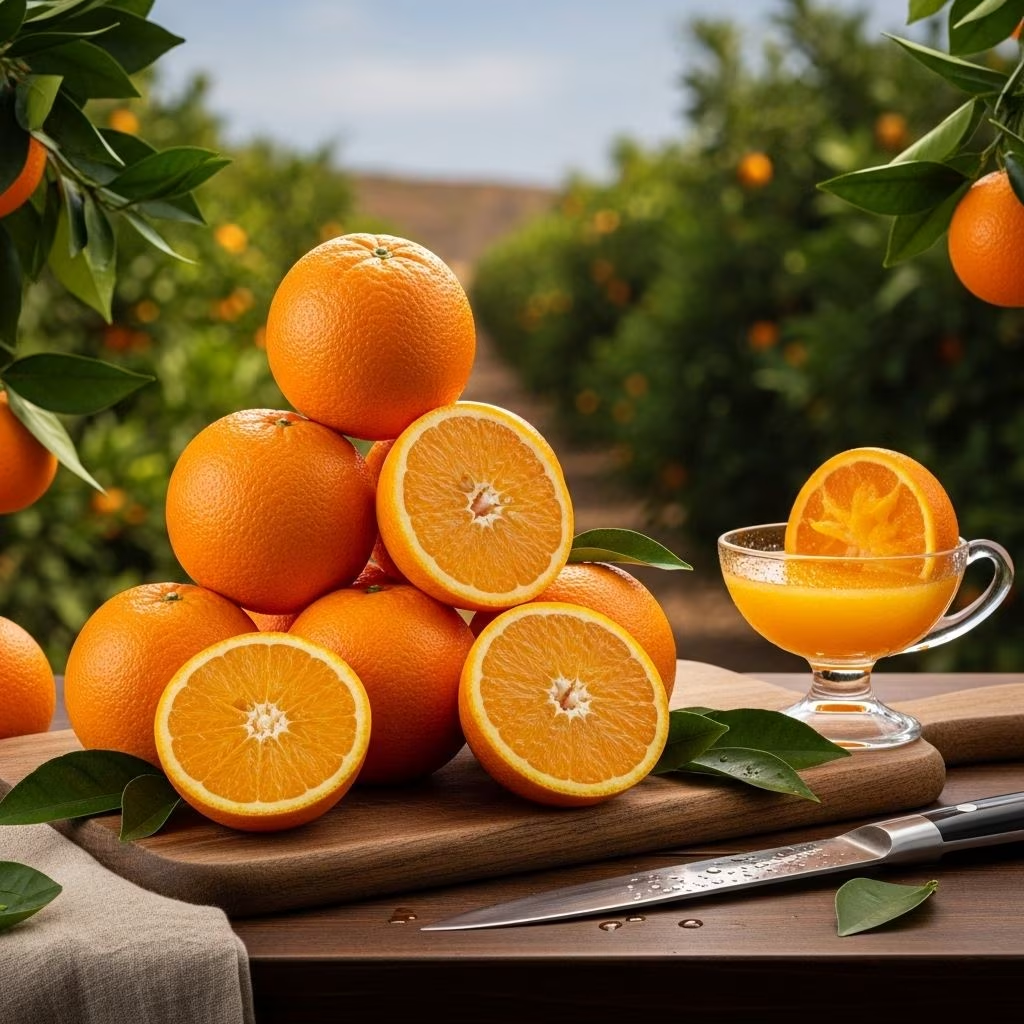
Introduction to Valencia Oranges
Valencia oranges are one of the world’s most beloved and widely grown orange varieties, known for their vibrant color, juicy flesh, and versatility in both eating and juicing. Particularly renowned for their sweet and well-balanced flavor, they are the gold standard among oranges for making fresh-squeezed juice, but they also shine as a healthy snack and in countless recipes.
Originating from Spain but now grown globally, especially in warm and sunny climates, Valencia oranges are usually available from spring through summer. Their taste, nutrition, and wide range of uses have cemented their reputation as a staple in both home kitchens and the food industry.
A Brief History and Origins
Named after the region of Valencia in Spain, this orange variety traces its roots to 19th-century Mediterranean citrus groves. However, valencias became popular in the United States after their introduction in California and Florida, where the long growing seasons and ideal climate contributed to their juicy excellence. Today, they are one of the main orange varieties grown for juice production worldwide.
- Origin: Spain (Valencia region)
- Key Growing Regions: USA (California, Florida), Spain, South Africa, and Mediterranean countries
- Season: Generally available from April to August in the Northern Hemisphere
Nutritional Profile of Valencia Oranges
Valencia oranges are classified as a nutrient-dense food. They are naturally low in calories but offer significant vitamins, minerals, fiber, and powerful antioxidants.
| Nutrient | Amount | % Daily Value* |
|---|---|---|
| Calories | 47 | 2% |
| Vitamin C | 53.2 mg | 59% |
| Dietary Fiber | 2.4 g | 8% |
| Potassium | 181 mg | 4% |
| Folate (Vitamin B9) | 30 mcg | 8% |
| Vitamin B1 (Thiamine) | ~0.1 mg | 6% |
| Vitamin A | 225 IU | 4% |
| Calcium | 40 mg | 4% |
*Percent Daily Values are based on a 2,000 calorie diet.
Health Benefits of Valencia Oranges
Valencia oranges provide a wide range of health benefits, thanks to their rich composition of vitamins, fiber, minerals, and protective plant compounds.
- Immune Support: Their high vitamin C content is crucial for immune function, stimulating white blood cell production and defending against pathogens.
- Antioxidant Powerhouse: The oranges contain potent antioxidants such as flavonoids and carotenoids, helping neutralize harmful free radicals, reducing oxidative stress, and potentially lowering the risk of chronic illnesses.
- Digestive Health: Dietary fiber in Valencia oranges promotes healthy digestion, regular bowel movements, and the reduction of constipation and digestive disorders.
- Cardiovascular Benefits: The potassium and fiber help control blood pressure and cholesterol levels, supporting heart health and reducing cardiovascular risk.
- Cancer-Preventive Properties: Antioxidants and phytonutrients present in Valencia oranges may help prevent skin, lung, breast, stomach, and colon cancers by combating inflammation and cellular damage.
- Kidney Stone Prevention: Regular orange consumption has been shown to lower the risk of recurrent kidney stones due to their citrate content.
- Supports Fetal and Female Health: Folate (vitamin B9) is key for cell division and fetal neural development, making Valencia oranges supportive for pregnant women.
- Aids in Nutrient Absorption: The vitamin C in these oranges boosts absorption of iron, calcium, and phosphorus, helping to prevent anemia and promote bone strength.
- Anti-inflammatory Effects: Regular intake may help relieve chronic inflammation, which is linked to heart disease, diabetes, and other aging-related conditions.
- Stress Reduction: Vitamin C can lower cortisol, the stress hormone, and help reduce blood pressure.
These combined benefits make Valencia oranges a true superfood that contributes to overall wellness.
Taste Profile and Unique Characteristics
Valencia oranges are celebrated for their bright sweetness with a balanced hint of tartness, providing a quintessential citrus flavor. Their juice is clear, golden, and less acidic compared to some other oranges, which is why they are the preferred choice for freshly squeezed orange juice.
- Color: Deep orange, occasionally with a green tinge on the skin when ripe (does not affect sweetness)
- Texture: Thin to medium peel that’s easy to remove, tender, and filled with juice
- Pulp: Very juicy, few seeds, high in natural sweetness
- Flavor Notes: Refreshingly sweet with pleasant, gentle acidity
Their appealing taste makes them perfect not only for juicing but also for eating out of hand, desserts, and pairing with savory dishes.
Culinary & Everyday Uses
The versatility of Valencia oranges extends far beyond just the breakfast table. Here’s how you can use them:
- Juicing: The top choice for homemade orange juice due to exceptionally sweet, abundant juice and minimal bitterness.
- Snacking: Enjoyed as a refreshing snack—peel and eat the juicy segments.
- Desserts: Adds brightness to cakes, tarts, marmalades, sorbets, and fruit salads.
- Savory Dishes: Complements poultry, fish, salads, and sauces; zest and segments offer a citrus punch.
- Cold and Hot Drinks: Used in punches, cocktails, mocktails, and even teas—Valencia orange tea is praised for vitamin boost and hydration.
- Preserves: Ideal for making candied peels, jams, and marmalades.
- Garnishes: Slices or zest enhance both visual appeal and aroma of beverages and plates.
Valencia Oranges vs. Other Orange Varieties
| Feature | Valencia Orange | Navel Orange |
|---|---|---|
| Season | Spring–Summer | Winter–Early Spring |
| Seeds | May have few small seeds | Typically seedless |
| Juice Quality | Best for juicing; sweet, balanced | Good for eating; less ideal for juice (can turn bitter quickly after squeezing) |
| Flavor | Sweet-tart, very juicy | Mild, less acid, slightly less juicy |
| Peel | Thinner, easy to remove | Thick, easy to peel by hand |
Valencia oranges’ qualities make them the premium choice for juicing, while navel oranges are often favored for snacking due to their size and seedlessness.
Buying, Storing, and Preparing Valencia Oranges
To enjoy Valencia oranges at their peak, follow these simple tips:
- Selection: Look for firm, heavy-for-their-size fruits with a smooth, vibrant orange skin (green tinges are normal and do not affect ripeness).
- Storage: Store at room temperature for up to one week, or in the refrigerator for up to two weeks.
- Preparation: Wash before use. Peel by hand or slice in wedges; juice using an electric or manual juicer for best results.
- Tip: To extract more juice, let oranges come to room temperature before juicing and roll gently on the countertop.
Potential Side Effects and Precautions
Valencia oranges are safe and healthy for most people when consumed as part of a balanced diet. However, a few precautions apply:
- Allergies: Rare but possible; mainly oral allergy symptoms.
- Digestive Sensitivity: High amounts may cause gastrointestinal upset in some individuals due to fiber and natural acids.
- Medication Interactions: The vitamin C in high doses can interact with certain medications. Always consult your healthcare provider if you have medical concerns.
- Oral Health: Citrus acids can erode tooth enamel over time; rinse your mouth with water after consuming.
Frequently Asked Questions (FAQs)
Q: Are Valencia oranges better for juicing or eating?
A: Valencia oranges are the preferred variety for juicing due to their high juice content, balanced sweetness, and reduced bitterness. They’re also delicious for eating fresh.
Q: Why do Valencia oranges sometimes have green patches when ripe?
A: The green color is due to a natural process called “regreening,” where warm temperatures cause chlorophyll to return to the skin while the fruit remains fully ripe and sweet inside.
Q: Can you eat the peel of a Valencia orange?
A: While the peel is edible and can be used for zest, it’s generally too bitter to eat raw. Organic or thoroughly washed peels can be used in baking, marmalades, and candied peel recipes.
Q: Are Valencia oranges seedless?
A: They typically contain a few small seeds, especially compared to navel oranges, which are often seedless.
Q: When is the best time to buy Valencia oranges?
A: Late spring through summer is their peak season. Outside of harvest months, quality and flavor may vary.
Q: What nutrients are Valencia oranges especially high in?
A: Vitamin C, dietary fiber, potassium, and folate are especially abundant in Valencia oranges.
Q: How can I use leftover Valencia orange peels?
A: Peel zest can flavor baked goods, drinks, and savory dishes. Peels can also be candied or used to make natural cleaning agents.
Conclusion
Valencia oranges stand out as a superstar among citrus fruits. Their balanced sweet-tart flavor, rich nutritional profile, and versatile culinary roles make them indispensable in home kitchens and commercial food production alike. Regularly incorporating Valencia oranges—whether in juice, desserts, salads, or simply fresh—can provide a delicious boost to your health and elevate your enjoyment of food.
References
- https://www.twistedalchemy.com/blogs/alchemy-in-action/the-health-benefits-of-valencia-oranges
- https://uscitrusnursery.com/blogs/citrus-simplified/7-benefits-of-growing-valencia-orange-trees-indoors
- https://camposdelabuelo.com/en/blogs/novedades/por-que-la-naranja-valenciana-es-la-mejor-del-mundo
- https://uscitrus.com/blogs/citrus-delight-blog/4-surprising-valencia-orange-tea-benefits
- https://www.halegroves.com/blog/the-many-health-benefits-of-valencia-oranges/
- https://www.webmd.com/food-recipes/health-benefits-oranges
- https://sprouthealth.ca/faq/what-are-the-benefits-of-eating-valencia-orange/
- https://ceceliapack.com/varieties/valencia-oranges/


