


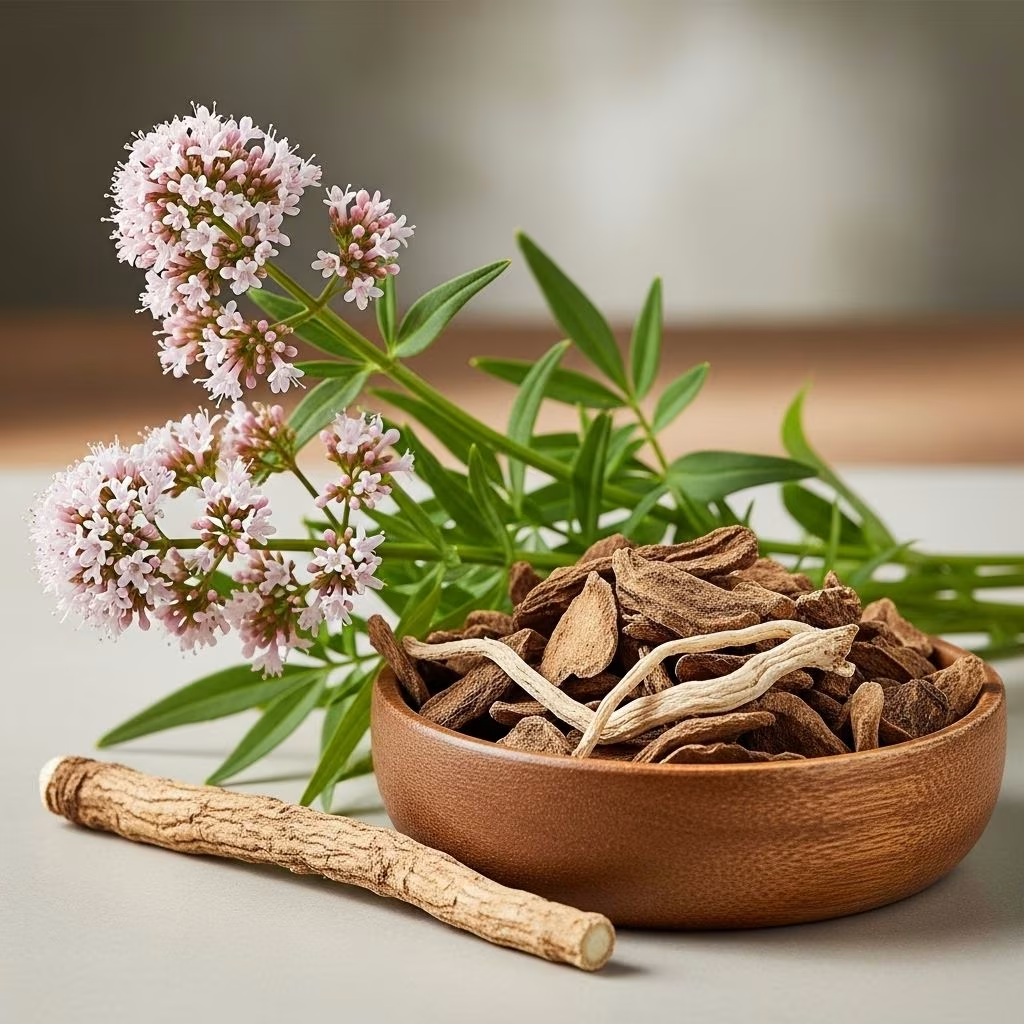
Valerian root has been recognized for centuries as a natural remedy for promoting relaxation and sleep. But what exactly is valerian root, how does it work, what are its benefits and uses, and—surprisingly to some—what does it taste like? This comprehensive guide delves deeply into valerian root’s origins, health benefits, popular uses, safety, and sensory qualities.
Origins and History of Valerian Root
Valerian root, harvested from Valeriana officinalis, is a perennial herb historically native to Europe and Asia. Its documented use in herbal medicine dates back to ancient Greece and Rome, where both Hippocrates and Galen described it for its sedative and healing properties. Over the centuries, valerian migrated to North America and now grows wild in many regions.
In the Middle Ages, it was a staple in European home remedies, often referred to as “all-heal” for its presumed wide-ranging benefits. During World War II, valerian was reportedly used in the United Kingdom for anxiety and stress relief during air raids.
Description and Botanical Profile
The valerian plant produces delicately scented pink or white flowers, but it is the underground root and rhizome that is prized for medicinal use. While the flowers have a sweet fragrance, the root is known for an earthy, musky—sometimes described as “pungent” or even “cheesy”—odor that some find unpleasant.
- Scientific name: Valeriana officinalis
- Plant family: Caprifoliaceae (honeysuckle family)
- Native regions: Europe, Asia (now cultivated worldwide)
- Parts used: Root, rhizomes, stolons (main medicinal components)
- Growth habit: Perennial herb; can reach up to 2 meters
Key Active Compounds in Valerian Root
Valerian root contains several bioactive compounds believed responsible for its medicinal effects. Key components include:
- Valepotriates: Volatile compounds that give valerian its characteristic odor; investigated for anti-anxiety and antidepressant effects.
- Valerenic acid and valerenol: Believed to interact with gamma-aminobutyric acid (GABA) receptors in the brain, thereby exerting calming and sedative effects.
- Lignans and flavonoids: Plant compounds with diverse biological activities, including antioxidant action.
- Monoterpenes and sesquiterpenes: Contribute to the root’s aroma and may support other effects.
- Low levels of GABA: A neurotransmitter directly associated with sleep and calmness.
Health Benefits of Valerian Root
The spectrum of valerian root’s health benefits is broad, though best established in relation to sleep and mild anxiety. Here’s a thorough look at areas with the strongest evidence—and where further study is ongoing:
1. Sleep Aid and Insomnia Relief
The most researched application of valerian root is for improving sleep quality. Numerous studies and centuries-long traditional use indicate it may help people fall asleep faster, reduce night-time waking, and enhance overall sleep quality.
- Valerian increases GABA levels in the brain, which dampens nervous system activity and promotes sleepiness.
- Studies suggest valerian is mildly sedative and can benefit those with insomnia, though more rigorous research is needed to determine the full scope of effects.
- Unlike prescription sleep medications, valerian may have fewer side effects and a lower risk for dependence.
2. Anxiety and Stress Relief
Valerian root is also valued as an anxiolytic (anxiety-reducing agent). It is used by those seeking to manage mild anxiety, stress, and nervous tension in daily life. Some evidence suggests valerian may help reduce feelings of nervousness and soothe physiological symptoms of tension, such as elevated heart rate and blood pressure.
- Valerenic acid appears to be the main compound involved in anti-anxiety effects, working by modulating specific brain receptors.
3. Menopausal Symptom Relief
Hot flashes and sleep disturbances are common during menopause. Elevated research shows valerian root may reduce the frequency and severity of hot flashes in menopausal and postmenopausal women, offering a natural alternative for those unable or unwilling to use hormone therapies.
4. Premenstrual and Menstrual Relief
Clinical studies support valerian’s use in easing symptoms of premenstrual syndrome (PMS)—including cramps, emotional swings, irritability, and back pain—as well as in reducing menstrual pain (dysmenorrhea). Its muscle relaxant properties may help alleviate uterine cramping, while calming effects help emotional symptoms.
5. Additional Potential Benefits
- Restless Legs Syndrome: An 8-week study found valerian reduced symptoms and daytime sleepiness in patients with restless legs syndrome.
- OCD and hyperactivity: Preliminary studies suggest valerian may help manage symptoms of obsessive-compulsive disorder and hyperactivity, though more robust evidence is needed.
- Support after surgery: Some studies report valerian may buffer cognitive decline and decrease anxiety around surgical procedures.
Note: While promising, research into many of these effects remains emergent. Consult your doctor before using valerian for medical purposes.
Common Uses of Valerian Root
Valerian root is used in various forms for both physical and emotional symptoms:
- Sleep aid: One of its most popular roles, typically as tea, capsule, or tincture.
- Anxiety and stress reduction: Occasionally combined with other calming herbs such as hops or passionflower.
- Menstrual and menopausal symptom management.
The root is rarely eaten raw (due to its strong smell and taste), but often consumed as:
- Herbal teas and infusions
- Capsules and tablets (standardized extracts)
- Tinctures and liquid extracts
- Powdered supplements in smoothies or blends
How Valerian Root Works in the Body
The primary action of valerian is associated with modulatory effects on neurotransmitters and receptors in the brain:
- Boosts GABA availability: GABA (gamma-aminobutyric acid) is a neurotransmitter that inhibits excess nerve activity, helping calm the mind and initiate sleep. Valerenic acid in valerian prevents the breakdown of GABA, making more available in the brain for sedation and relaxation.
- May interact with serotonin and adenosine receptors: These neurochemicals govern mood, relaxation, and sleep cycles.
- Muscle relaxant and antispasmodic effects: May contribute to its utility in menstrual cramps and some pain disorders.
The full range of valerian’s pharmacological actions is still under study, but it is clear that its many bioactive constituents work both independently and together to exert these effects.
Preparation, Dosage, and Forms
Valerian root is available in multiple forms, each with recommended dosing guidelines. Dosage depends on the specific use, preparation type, and individual response. A table outlining common forms and dosages appears below:
| Form | Typical Dose Range | Primary Uses |
|---|---|---|
| Tea (infusion) | 2–3 grams dried root steeped, once before bedtime | Sleep, relaxation |
| Capsule/Tablets (standard extract) | 300–600 mg, 30–60 minutes before sleep | Sleep, anxiety, PMS |
| Tincture/Liquid Extract | 0.5–2 mL (as directed), before bed | Sleep, stress relief |
Always follow package instructions. Before beginning any supplement regimen, discuss with your healthcare provider—especially if pregnant, breastfeeding, or taking other medications.
Taste and Sensory Profile of Valerian Root
Unlike its fragrant flowers, valerian root is notorious for its pungent, earthy, musky, or even “cheesy” taste. Many people compare its flavor and aroma to overripe cheese, damp earth, or even dirty socks, due to its volatile oils and specific valepotriates. This strong profile means it is rarely used as a culinary herb and is almost always blended into teas or encapsulated for easy consumption.
- Mouthfeel: Bitter, earthy, slightly spicy
- Aroma: Strong, musty, musky
- Palatability: Moderate to low; many prefer capsules or tinctures to mask the flavor
Some traditional blends add peppermint, chamomile, honey, or lemon balm to valerian tea to smooth out the robust flavor and make it more enjoyable.
Potential Side Effects and Precautions
Valerian root is generally well tolerated, but there are important considerations and possible side effects to be aware of:
- Drowsiness: The primary intended effect, but can linger into the next day in some individuals.
- Headache, dizziness, upset stomach: Occasionally reported, especially at high doses.
- Vivid dreams or mild mood changes: Some people report unusually vivid dreams or slight emotional changes.
- Potential drug interactions: Valerian may potentiate effects of other central nervous system depressants (e.g., benzodiazepines, barbiturates, alcohol). Talk to a doctor before combining with other medications.
- Withdrawal symptoms: Rare, but possible with long-term high-dose use. Gradual tapering is recommended if taking valerian regularly for extended periods.
Precautions: Not recommended for use during pregnancy or breastfeeding due to limited safety data. Always check with your physician before starting valerian, particularly if you have liver disease, neurological conditions, or take sedative medications.
Frequently Asked Questions (FAQs)
Q: How quickly does valerian root work?
A: Many people begin to feel calming effects within 30–60 minutes after consumption, especially for sleep and anxiety. However, optimal results—particularly for sleep—may take several days to a few weeks of regular use.
Q: Is valerian root addictive?
A: Valerian does not appear to exhibit addictive properties or significant withdrawal symptoms, especially when used at recommended doses for short periods. However, long-term or high-dose use should be monitored and gradually discontinued.
Q: Can I combine valerian root with other supplements?
A: Valerian is sometimes combined with other calming herbs (like hops, lemon balm, or passionflower) for synergistic effects on sleep or relaxation. However, always consult your healthcare provider before combining supplements to avoid potential interactions.
Q: What does valerian root smell and taste like?
A: It is infamous for its earthy, musky, and sometimes “cheesy” aroma, which can linger. The taste is similarly earthy and bitter, making capsules or tinctures a popular alternative to tea.
Q: Is valerian root safe for children?
A: Limited data exists for pediatric use. Some studies suggest possible benefits for hyperactivity and sleep in children, but always consult a pediatrician before administering valerian to minors.
Q: Does valerian root interact with prescription medication?
A: Yes. It can enhance the sedative effects of drugs such as benzodiazepines, barbiturates, or sleep medications. Talk to your doctor before use if you are on any prescription drugs.
References
- Healthline – How Valerian Root Helps You Relax and Sleep Better
- NCBI / European Medicine Agency position on V. officinalis
- WebMD – Health Benefits of Valerian Root
- WebMD – Valerian: Uses, Side Effects, and More
References
- https://www.healthline.com/nutrition/valerian-root
- https://pmc.ncbi.nlm.nih.gov/articles/PMC7585905/
- https://www.webmd.com/diet/health-benefits-valerian-root
- https://www.webmd.com/vitamins/ai/ingredientmono-870/valerian
- https://www.mskcc.org/cancer-care/integrative-medicine/herbs/valerian
- https://www.traditionalmedicinals.com/blogs/herb-library/valerian
- https://www.hollandandbarrett.com/the-health-hub/vitamins-and-supplements/herbal-licensed/what-is-valerian/
- https://www.urmc.rochester.edu/encyclopedia/content?contenttypeid=19&contentid=valerian


