


Introduction
Vanilla bean stands as one of the most cherished and widely used ingredients in both sweet and savory recipes across the globe. From its beginnings as a fruit on the vanilla orchid to its transformation into an aromatic pod packed with flavor, the vanilla bean’s journey is intricate and fascinating. Its unique chemical composition and complex curing process yield a flavor coveted by pastry chefs, perfumers, and everyday cooks. This article will offer a detailed look at vanilla beans, including their definition, varieties, health benefits, culinary and practical uses, flavor attributes, and expert guidance for maximizing their potential in your kitchen.
What Is Vanilla Bean?
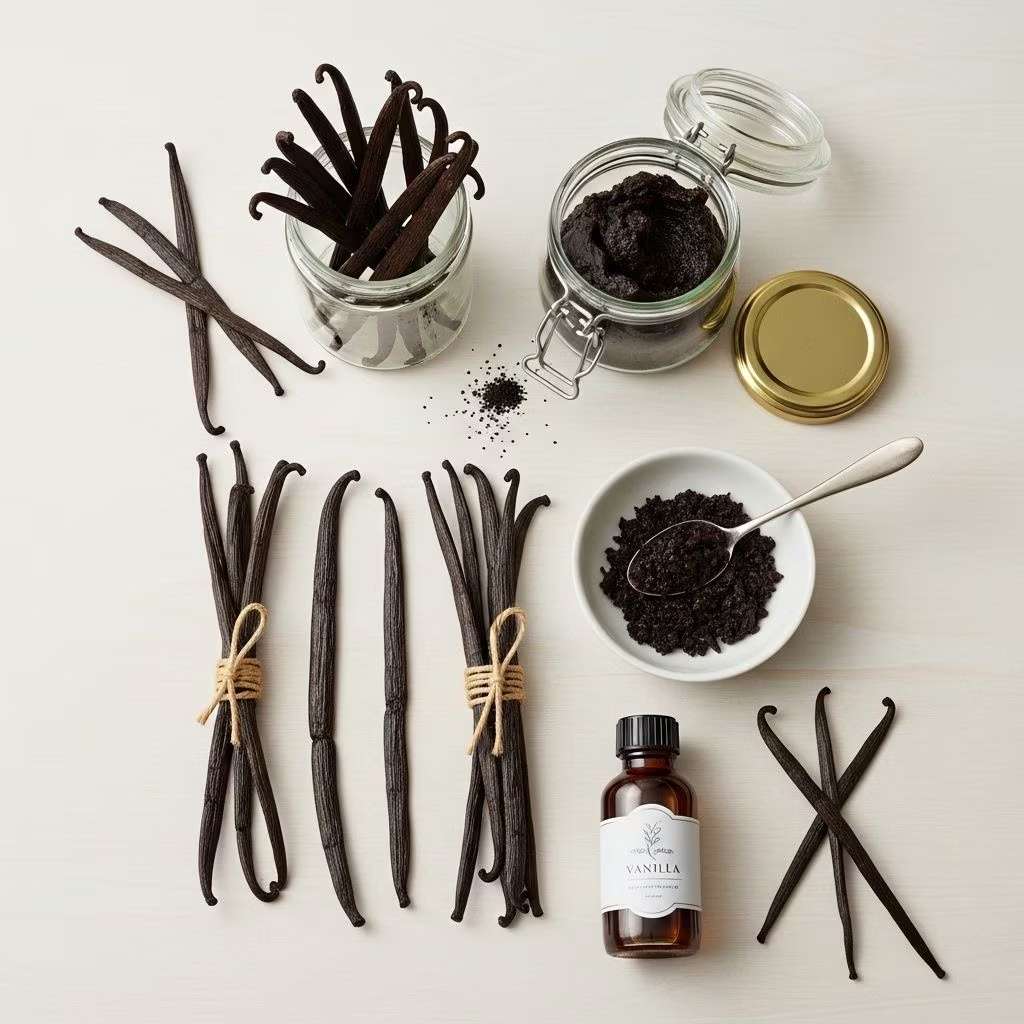
Vanilla beans are the fruit—specifically, the cured seed pods—of Vanilla orchid plants, notably Vanilla planifolia and Vanilla tahitensis. Inside each dark, elongated pod are thousands of tiny black seeds, packed with aromatic compounds responsible for the distinct vanilla flavor. High-quality beans are glossy, oily, and plump, indicating robust flavors and expert curing practices. The pod and seeds are used together to impart the most intense essence of vanilla, setting it apart from extracts or synthetic flavorings.
Origins and Cultivation
Native to Mexico, vanilla orchids were cultivated by indigenous peoples centuries ago. Today, vanilla is grown in various tropical regions worldwide, with Madagascar, Indonesia, Tahiti, Uganda, and Mexico considered top producers. Vanilla cultivation demands precise techniques—hand-pollination is standard due to the absence of natural pollinators outside Mexico, and plants require specific humidity, temperature, and shade conditions. Orchids bloom for only a short window each year, making vanilla bean production labor-intensive and part of why whole beans command such high prices internationally.
Grades and Quality of Vanilla Beans
The quality of vanilla beans is classified into grades, which reflect their moisture content, length, appearance, and flavor concentration:
- Grade A (Gourmet/Prime): Plump, flexible, oily, with high moisture (25–38%) and strong aroma. These are the beans favored by professional chefs and are ideal for desserts where the vanilla flavor is meant to shine. They’re usually black or medium brown and longer than 5.5 inches.
Grade A beans from Madagascar can reach 6–9 inches and contain over 1.8% vanillin, delivering intense flavor. - Grade B: Drier, thinner, less oily, and lower moisture content (15–25%). Though not visually as appealing, these beans are still rich in flavor and ideal for making vanilla extract or infusions. They are commonly used where appearance is less critical but flavor depth is desired.
- Grade C: Shortest and driest beans, often used for industrial extraction purposes or flavoring but rarely for culinary application. Their price and flavor are markedly lower than higher grades.
| Grade | Appearance | Moisture | Best Use |
|---|---|---|---|
| Grade A | Plump, oily, >5.5″ | 25–38% | Gourmet dishes, desserts |
| Grade B | Dry, thin, 4-6″ | 15–25% | Extracts, infusions |
| Grade C | Short, quite dry | <15% | Industrial flavoring |
Varieties of Vanilla Beans
The flavor profile of vanilla beans depends on their botanical origins, growing conditions, and curing techniques. Major varieties include:
- Madagascar (Bourbon): Most common and globally favored for its rich, creamy flavor with sweet, woody, and caramel undertones.
- Tahitian: Grown in French Polynesia, these beans have floral, fruity, and perfumed notes, prized for delicate desserts and cosmetics.
- Mexican: Native variety, often more spicy and chocolatey, with robust, earthy undertones.
- Ugandan: Noted for especially bold, smoky flavors and a higher concentration of vanillin.
Harvesting and Processing
The processing of vanilla beans is pivotal to their flavor and aroma development. Immediately after harvest, beans are blanched in hot water. They then undergo “sweating” (wrapped for several days to ferment), followed by slow sun-drying for weeks. This allows enzymatic reactions to transform bland raw pods into aromatic powerhouse ingredients. The curing process can take several months—during which beans lose most of their moisture but gain signature complexity. Quality beans reveal crystalline vanillin needles on the surface, indicating exceptionally high flavor content and proper curing.
Health Benefits of Vanilla Beans
Vanilla beans offer several health advantages, though most are attributed to concentrated vanillin and other phytochemicals present in both the seeds and pods:
- Antioxidant properties: Vanillin is a potent antioxidant, helping to neutralize free radicals and potentially reduce oxidative stress in the body.
- Anti-inflammatory effects: Preliminary research suggests vanillin may help suppress inflammation, benefiting those with chronic conditions.
- Mood enhancement: The scent of vanilla is associated with calming effects, reduction in anxiety, and elevated mood. Aromatherapy often utilizes vanilla aroma for its relaxing qualities.
- Support for digestive health: Traditionally, vanilla has been used to soothe stomach complaints and aid digestion.
- Antibacterial potential: Certain compounds in vanilla have displayed mild antimicrobial activity against common pathogens in laboratory settings.
It’s important to note that while vanilla flavoring is often used in processed foods, these benefits come predominantly from natural beans and their derivatives rather than synthetic substitutes.
Culinary Uses of Vanilla Beans
Vanilla beans are a centerpiece in global gastronomy, celebrated for their versatility:
- Baking and desserts: Key ingredient in classics like crème brûlée, custards, ice cream, cookies, and cakes. The seeds add texture and visual appeal (tiny black specs).
- Infusions: Pods and seeds can be steeped in sugar, cream, alcohol, and syrups to create vanilla sugar, flavored milk, liqueurs (like vanilla vodka), or syrups for pancakes and beverages.
- Savory dishes: Vanilla bean works beautifully with seafood (especially lobster or scallops), chicken, and in sauces with citrus or spice, offering subtle sweetness and complexity.
- Beverages: Used in cocktails, gourmet coffee, chai, teas, and some spirits.
- Aromatics: Infuses oils, butters, and even vinaigrettes, providing depth and complexity.
- Homemade vanilla extract: Grade B beans are particularly suited for this, delivering more concentrated flavor and cost-effectiveness for DIY applications.
Flavor Profile: What Does Vanilla Bean Taste Like?
True vanilla bean flavor is nuanced and multifaceted, formed by hundreds of aromatic compounds, with vanillin being the dominant one. The most desirable tasting notes include:
- Sweet: Creamy, marshmallow-like undertone, especially in Bourbon beans.
- Floral and Perfume: Light botanical notes, common in Tahitian beans.
- Rum-like: Slight boozy and caramel aspects.
- Resinous/Tobacco-like: Deep, aged, woody notes.
- Prune-like: Jammy, dried fruit flavors.
Lower-quality or poorly-cured beans may exhibit undesirable flavors such as woody (popsicle stick), green (beany), medicinal, or smoky notes. High-quality beans may even display visible crystals of vanillin on their surfaces—an indicator of deep, potent flavor.
How to Use Vanilla Beans: Tips and Techniques
- Splitting the pod: Use a sharp paring knife to slice the bean lengthwise. Scrape out the seeds with the back of the knife.
- Infusing: Add both pod and seeds to your recipe (e.g., heating milk for custard or steeping in syrups). Remove the pod after cooking.
- Vanilla sugar: Bury used pods in a jar of sugar for several weeks to create DIY vanilla sugar.
- Extract making: Submerge split pods in vodka or other spirits for 2–3 months; Grade B beans are especially suitable.
- Reusing pods: Rinsed pods (after initial use) can flavor teas, coffee, or provided extra aroma to simmered dishes.
Remember, a single bean can deliver intense flavor for multiple applications if cared for properly.
Vanilla Bean vs. Vanilla Extract
| Aspect | Vanilla Bean | Vanilla Extract |
|---|---|---|
| Source | Whole pod (fruit) | Alcohol-based solution from beans |
| Flavor | Complex, pure, intense | Milder, less nuanced |
| Uses | Custards, ice cream, gourmet dishes | Baking, sauces, broad recipes |
| Cost | High | Lower |
| Visual Appeal | Seeds give speckled look | None |
Vanilla beans are prized for delivering the fullest and purest essence of vanilla. Extracts are more accessible and convenient but notably less potent.
Buying and Storing Vanilla Beans
- Buying tips:
- Choose beans that are glossy, oily, plump, and flexible. Avoid dry, brittle pods or those with excessive artificial shine.
- The aroma should be intense, sweet, and reminiscent of marshmallows or caramel; a weak scent signals an old or poorly cured bean.
- Grade A is ideal for recipes focusing on vanilla’s flavor, while Grade B works for extractions and infusions.
- Source from reputable suppliers to avoid adulteration (e.g., oils added to mimic moisture).
- Storing tips:
- Keep beans in airtight containers away from sunlight, moisture, and heat. Wrapping beans in wax paper and placing them in a glass jar can help preserve their aroma.
- If beans dry out, wrap them in a damp towel for a short time to restore subtle pliability.
Frequently Asked Questions (FAQs)
Q: How long do vanilla beans last?
A: Stored correctly (in a cool, dark place in airtight containers), vanilla beans can last a year or more. Ensure regular use or check periodically for mold or excessive dryness.
Q: Can I use spent pods for anything?
A: Yes. Spent pods can infuse sugar, syrups, or milk and even flavor beverages or stews.
Q: Why are vanilla beans so expensive?
A: Cultivation is labor-intensive (hand-pollination, months of curing), and global demand far exceeds supply.
Q: Is there a difference in taste between vanilla from different countries?
A: Absolutely. Madagascar beans are creamy and sweet; Tahitian beans are floral; Mexican beans are spicy and earthy; Ugandan beans are bold and smoky.
Q: Can I substitute vanilla extract for beans in recipes?
A: You can, but the flavor will be less complex and pronounced. Beans are best for highlighting vanilla’s unique properties—especially in custards and ice creams.
References
- https://vanillanice.com/vanilla-bean-grades-madagascar-vanilla/
- https://www.nyvanilla.com/blogs/blogs/vanilla-vs-vanilla-beans-differences-uses
- https://www.mccormickscienceinstitute.com/resources/culinary-spices/herbs-spices/vanilla
- https://en.wikipedia.org/wiki/Vanilla
- https://www.slofoodgroup.com/pages/common-questions-and-facts-about-vanilla-beans
- https://www.merriam-webster.com/dictionary/vanilla%20bean
- https://en.norohy.com/vanilla-beans-for-pastry/
- https://www.epicsi.co.uk/blog/vanilla-from-bean-to-extract


