


What Is Vermilion Snapper? Benefits, Uses, and Taste
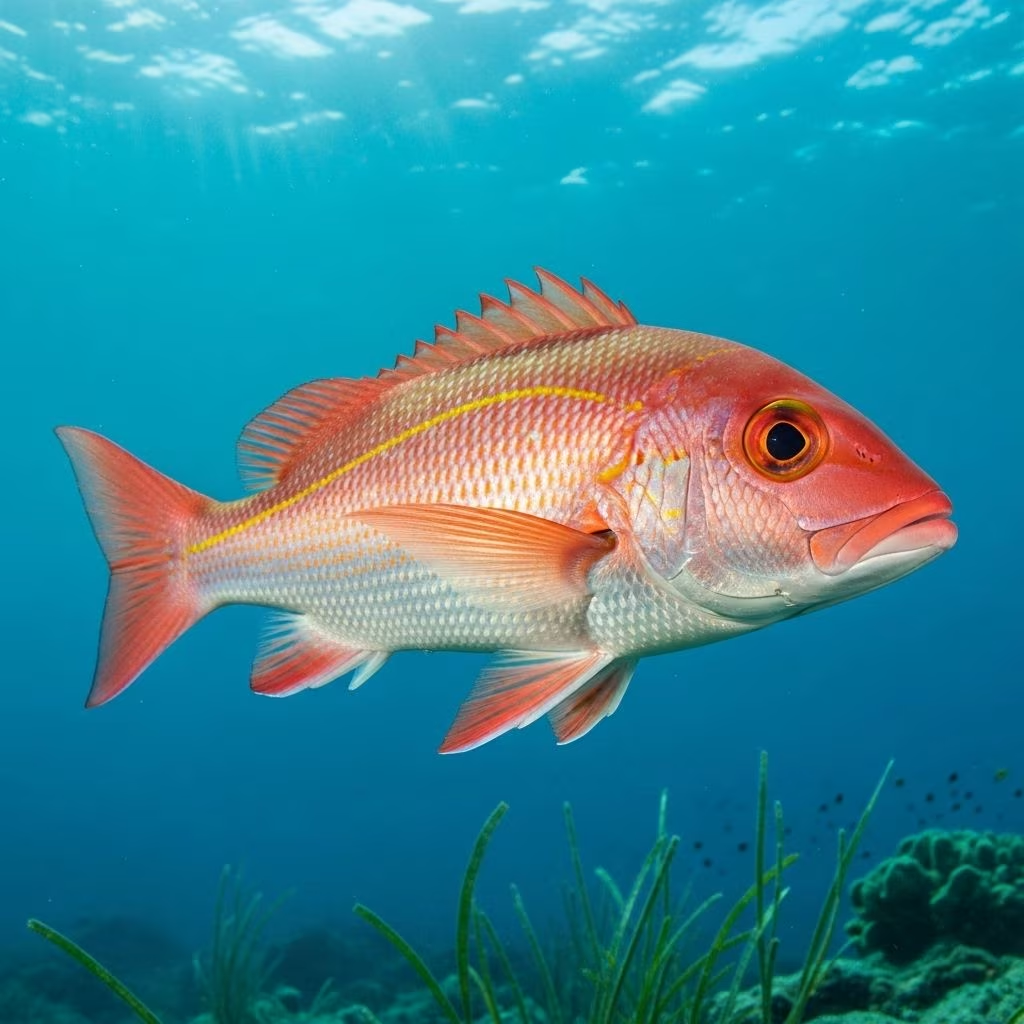
The vermilion snapper (Rhomboplites aurorubens)—often called beeliner or sometimes even mistaken for the red snapper—is a striking, medium-sized fish prized along the Atlantic and Gulf coasts for both its ecological significance and culinary appeal. In this extensive guide, you’ll discover its origins, biological features, health benefits, culinary uses, and a detailed analysis of what makes its taste and texture exceptional among seafood options.
Overview & Classification
The vermilion snapper is a member of the family Lutjanidae, classified scientifically as Rhomboplites aurorubens. Known commonly as beeliner, clubhead snapper, and night snapper, it is distinct in appearance and behavior from its close relatives, such as the more widely recognized red snapper.
- Common Names: Beeliner, clubhead snapper, night snapper
- Scientific Name: Rhomboplites aurorubens
- Family: Lutjanidae (snappers)
- Native Range: Western Atlantic Ocean, from North Carolina to Brazil, including Gulf of Mexico and the Caribbean Sea.
Biology and Habitat
Vermilion snapper thrive in tropical and subtropical waters along the Atlantic and Gulf coasts. Their preferred habitats are reefs, rocky bottoms, and structures deep under the sea, typically between depths of 20 and 300 meters (66–984 feet). Juveniles tend to remain in more shallow areas before joining adults in moderately deeper waters.
- Location: Reefs, rocky ledges, artificial structures
- Depth: 66 – 984 feet (20 – 300 meters)
- Schooling Behavior: Aggregates in large schools, often with other snapper species
Spawning occurs seasonally and is synchronized with warmer waters, most notably between April and September in North America. In tropical waters, such as Trinidad and South America, the season may be extended or year-round.
Physical Characteristics
| Characteristic | Description |
|---|---|
| Body Shape | Elongated, oblong, streamlined |
| Color | Bright vermilion/red upper body, pale silver-white underside; yellow-gold streaks and blue wavy lines on flanks; fins generally rosy-red with yellow or black margins |
| Mouth/Teeth | No large canine teeth; triangular arrangement of inner teeth; lower jaw slightly protruding |
| Average Size | Typical: 14 inches (35 cm); Max: 24 inches (60 cm) |
| Weight | Up to 6-7 pounds (3-3.2 kg) |
The vermilion snapper’s striking coloration and compact body allow it to blend into rocky environments and evade predators. Their red skin pigment varies with depth due to light penetration, often appearing more vibrant near the surface.
Diet and Feeding Behavior
Vermilion snappers are opportunistic carnivores. Their diet varies depending on location and availability of prey, typically composed of:
- Small fish
- Shrimp
- Squid
- Crabs and other crustaceans
- Lobsters
- Polychaetes and cephalopods
These snapper species are known to consume up to 25% of their body weight in food in a single day, displaying voracious feeding habits that help sustain their populations and support marine food chains.
Health & Environmental Benefits
Health Benefits
The vermilion snapper is valued for its high nutritional profile. Regular consumption of this fish can support health in multiple ways:
- Lean Protein: Provides plentiful high-quality protein, essential for muscle growth and repair.
- Omega-3 Fatty Acids: Contains heart-healthy DHA and EPA fatty acids, contributing to cardiovascular wellness, brain function, and anti-inflammatory benefits.
- Low Calories: Vermilion snapper is naturally low in fat and calories, making it ideal for weight management diets.
- Micronutrients: Rich source of vitamins B12, D, selenium, and phosphorus, all of which play important roles in metabolism, immunity, and bone health.
Environmental Benefits
- Sustainably Managed: In many regions, snapper fisheries—including vermilion snapper—are governed by regulations promoting long-term stock health and ecosystem stability.
- Role in Ecosystem: Acts as both predator and prey, supporting marine biodiversity and the balance of reef ecosystems.
- Schooling Behavior: Large aggregations reduce individual predation risk and improve spawning success, contributing to the species’ resilience.
Culinary Uses
Vermilion snapper is a highly versatile ingredient in kitchens and restaurants worldwide owing to its mild flavor, firm texture, and adaptability. Its delicate taste pairs well with a wide range of seasonings and cooking methods:
- Grilling: Holds together beautifully on the grill, absorbing smoky flavor while retaining moistness.
- Baking/Roasting: Ideal for whole roasted preparations with aromatic herbs and lemon.
- Frying: Frequently used for battered or panko-crusted fillets for a crisp exterior and flaky interior.
- Sushi & Sashimi: Firm texture makes vermilion snapper suitable for raw dishes including nigiri, maki rolls, and ceviche.
- Steaming: Popular in Asian cuisine—light steaming preserves moisture and highlights sweetness.
- Stews & Soups: Enhances seafood chowders and broths, imparting a subtle sweetness and aroma.
Chefs often praise vermilion snapper for its ability to deliver delicate yet distinctive flavor, making it a staple on upscale seafood menus and family tables alike.
Taste Profile and Texture
Among snapper species, vermilion snapper is recognized for an exceptional taste profile:
- Flavor: Mild, sweet, and delicate—comparable to but often considered subtler than red snapper.
- Meat Color: Bright white, gains a pearlescent sheen when cooked.
- Texture: Firm yet tender; flaky when cooked, providing a pleasing mouthfeel.
- Versatility: Suitable for both simple preparations (grilled, seared) and complex dishes (stews, sushi, sauces).
Its approachable flavor means it rarely overpowers other ingredients and can integrate easily into Mediterranean, Asian, Caribbean, and American seafood dishes.
Vermilion Snapper vs Red Snapper
| Feature | Vermilion Snapper | Red Snapper |
|---|---|---|
| Size | Up to 24 inches, 7 pounds | Can reach 40+ inches, heavier |
| Color | Vermilion to reddish, yellow streaks | Solid bright red |
| Flavor | Mild, sweet, delicate | Mild, sometimes stronger flavor |
| Habitat | Reefs, deeper coastal waters | Reefs, wrecks, wider range |
| Culinary Use | Firmer, suitable for sushi, grilling | Widely used, versatile |
| Fishing Regulations | Seasonal closures, managed stocks | Highly regulated due to popularity |
Vermilion snapper is generally smaller, less combative for anglers, and offers a unique flavor, whereas the red snapper is more common in commercial markets and has a slightly broader taste.
Fishing Guidelines and Sustainability
Vermilion snapper is targeted by recreational and commercial fishers, but regulations help maintain stocks. Valuable guidelines include:
- Size Limits: Only fish above maturity (usually 8 inches/20 cm) may be kept.
- Bag and Possession Regulations: Limits on the number of fish, especially during spawning periods.
- Seasonal Closures: Certain regions close fisheries to protect spawning populations, especially April–September.
- Sustainable Practices: Use circle hooks to reduce bycatch; avoid over-fishing aggregation sites.
- Check Local Guidelines: Regulations vary by state and federal waters—always consult up-to-date sources.
Responsible fishing and adherence to regulations are crucial to maintaining healthy vermilion snapper populations for future generations.
Frequently Asked Questions (FAQs)
Q: What is the key difference between vermilion snapper and red snapper?
A: Vermilion snapper are smaller, have yellow streaks and blue lines on their flanks, and offer a more delicate flavor compared to the usually larger, solid red red snapper.
Q: Is vermilion snapper safe to eat if I am concerned about mercury?
A: Vermilion snapper is considered a low-mercury seafood option when consumed in moderation, especially compared to larger predatory fish.
Q: How do I cook vermilion snapper for maximum flavor?
A: Simple preparations like grilling, pan-searing, or baking with olive oil, herbs, and citrus emphasize its sweet, mild taste. It is also ideal for ceviche and light steaming.
Q: Can I substitute vermilion snapper for other snappers in recipes?
A: Yes, it substitutes well for red snapper, yellowtail snapper, and other mild white fish in most recipes; just adjust cooking times for size and thickness.
Q: What are the best months to catch vermilion snapper?
A: Peak fishing occurs during warm-water months—spring and summer—from April through September, when they aggregate for spawning near reefs and structures.
Conclusion
The vermilion snapper stands out as a vibrant, sustainable, and flavorful choice for seafood lovers and responsible anglers alike. Its biology, ecological role, and culinary versatility secure its reputation as one of the ocean’s hidden treasures—a fish that embodies both gastronomic delight and marine resilience. Whether grilled, steamed, or served raw, beeliner snapper offers a delicious window into the health and biodiversity of our coastal waters.
References
- https://destininshorefishing.com/discover-the-vermilion-snapper-your-ultimate-guide-to-this-extraordinary-fish/
- https://safmc.net/species/snapper-vermilion/
- https://en.wikipedia.org/wiki/Vermilion_snapper
- https://www.anglersbooking.com/blog/vermilion-snapper-vs-red-snapper
- https://reefsmartguides.com/vermilion-snapper/
- https://gulfcouncil.org/species/vermilion-snapper-fishing-regulations/
- https://fishbase.se/summary/SpeciesSummary.php?id=213
- https://www.deq.nc.gov/about/divisions/marine-fisheries/public-information-and-education/species-profiles/vermilion-snapper
- https://santamonicaseafood.com/seafood/vermilion-snapper


