


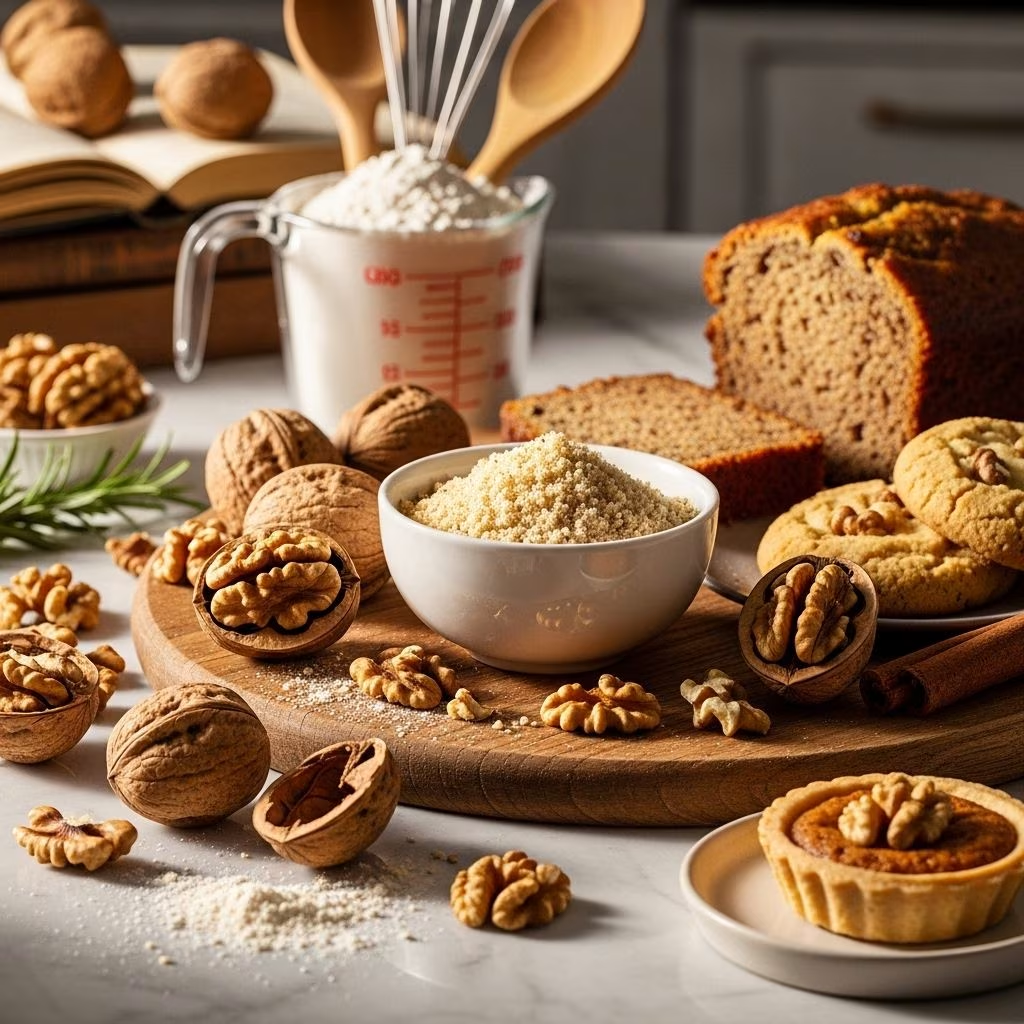
What Is Walnut Meal?
Walnut meal is a finely ground product made from walnuts, often resembling almond meal or coconut flour in texture. Unlike walnut flour, which is ground to a very fine, powdery consistency, walnut meal retains a slight coarseness, giving baked goods a more rustic texture and a richer, nuttier flavor. It is commonly used as a gluten-free alternative to traditional wheat flour and can be incorporated into both sweet and savory recipes.
Walnut meal can be made at home by pulsing walnuts in a food processor until they reach the desired consistency, or purchased from specialty stores. Because of its high oil content, walnut meal is best stored in the refrigerator or freezer to prevent rancidity.
Baking Uses of Walnut Meal
Walnut meal is a versatile ingredient in baking, adding nutritional value, texture, and a distinctive nutty taste to a wide range of recipes. Here are some of the most common applications:
- Gluten-Free Baking: Walnut meal is an excellent flour substitute for those following gluten-free diets, making it ideal for cakes, cookies, muffins, and breads.
- Texture Enhancer: Its slightly coarse texture provides a pleasant crunch and chewiness to baked goods, complementing the softness of cakes or cookies.
- Flavor Booster: The rich, earthy flavor of walnuts elevates both sweet and savory recipes, from banana bread and brownies to savory breads and crackers.
- Topping and Mix-In: Use walnut meal as a topping for crisps, pies, or coffee cakes, or mix it into batters and doughs for added nutrition and flavor.
- Batter Thickener: It can help thicken batters for pancakes, waffles, and quick breads, reducing the need for other flours.
Popular Walnut Meal Recipes
From classic baked goods to inventive twists on traditional favorites, walnut meal is a star ingredient. Here are some standout recipes:
Walnut Banana Bread
This moist, flavorful loaf uses walnut meal for both the batter and a crunchy topping. The nutty taste pairs beautifully with the sweetness of bananas, and the inclusion of Greek yogurt adds moisture and protein.
California Walnut Oatmeal Raisin Cookies
Oatmeal raisin cookies gain extra crunch and nutrition from walnut meal. The chewy oats, sweet raisins, and nutty walnuts create a balanced, addictive texture.
Classic Walnut Brownies
Walnut meal can be folded into brownie batter for a dense, fudgy texture and a satisfying crunch. For gluten-free brownies, walnut meal can even replace wheat flour entirely.
Apple Walnut Crisp
A gluten-free, vegan dessert featuring apples, rolled oats, and walnut meal in the crumble topping. This crisp is a nutritious, flavorful way to enjoy fall fruits and nuts.
Spiced Candied Walnuts
Not strictly a baked good, but candied walnuts made with walnut meal, cinnamon, brown sugar, and honey are a quick, crunchy snack or topping for salads and desserts.
Black Walnut Specialties
Black walnut meal can be used in unique recipes like Black Walnut Croquant, Georgian Walnut Spread, or Black Walnut Pesto, showcasing the nut’s versatility in both sweet and savory contexts.
Substitutes for Walnut Meal
If walnut meal is unavailable or unsuitable due to allergies, several alternatives can mimic its texture and nutritional profile:
| Substitute | Texture | Flavor | Best Uses |
|---|---|---|---|
| Almond Meal | Fine, slightly gritty | Mild, sweet | Cakes, cookies, breads |
| Pecan Meal | Fine to coarse | Rich, buttery | Pies, cookies, streusel |
| Coconut Flour | Very fine, absorbent | Sweet, coconutty | Gluten-free baking, needs extra liquid |
| Oat Flour | Fine, soft | Neutral, slightly nutty | Muffins, pancakes, breads |
While these substitutes work well in many recipes, keep in mind that each imparts a distinct flavor and may require adjustments to moisture or fat content.
Nutritional Benefits of Walnut Meal
Walnut meal is not just a flavorful addition to baked goods—it’s also packed with nutrients that contribute to overall health:
- Heart-Healthy Fats: Walnuts are rich in omega-3 fatty acids (ALA), which support cardiovascular health.
- Protein Content: Each ounce of walnuts provides about 4 grams of plant-based protein, helping to keep you full and satisfied.
- Fiber: Walnut meal adds dietary fiber to recipes, promoting digestive health and satiety.
- Antioxidants: Walnuts are high in antioxidants, which help combat oxidative stress and inflammation.
- Vitamins and Minerals: Walnuts contain magnesium, phosphorus, and vitamin E, all important for bone, muscle, and skin health.
Tips for Using Walnut Meal in Baking
- Store Properly: Due to its high fat content, walnut meal should be stored in an airtight container in the refrigerator or freezer to prevent spoilage.
- Combine with Other Flours: For best results, mix walnut meal with gluten-free or wheat flours to balance texture and rise.
- Adjust Liquids: Walnut meal may absorb liquids differently than traditional flour, so be prepared to add a bit more liquid if the batter seems dry.
- Toast for Enhanced Flavor: Toasting walnut meal before use can deepen its nutty flavor.
- Experiment with Flavors: Walnut meal pairs well with cinnamon, maple, chocolate, and fruits like apples and bananas.
Frequently Asked Questions (FAQs)
Is walnut meal the same as walnut flour?
No, walnut meal is coarser than walnut flour, which is ground to a very fine powder. Both can be used in baking, but the texture of the final product will differ.
Can I make walnut meal at home?
Yes, simply pulse walnuts in a food processor until finely ground, being careful not to over-process into walnut butter.
Is walnut meal gluten-free?
Yes, walnut meal is naturally gluten-free and suitable for those with celiac disease or gluten sensitivity.
How long does walnut meal last?
Stored in an airtight container in the fridge, it lasts about 3–4 months; in the freezer, up to 6 months.
Can walnut meal replace all the flour in a recipe?
It can in some recipes, especially those that are dense and moist, like brownies or some cookies. For lighter baked goods, it’s best to mix with other flours.
Are there allergies to consider?
Walnuts are tree nuts and can cause severe allergic reactions in sensitive individuals. Always inform guests of walnut content in baked goods.
What’s the difference between black walnuts and English walnuts for baking?
Black walnuts have a stronger, earthier flavor and are harder to shell, but can be used similarly. English walnuts are milder and more commonly used.
Can I use walnut meal in savory dishes?
Yes, walnut meal adds texture and nutrition to coatings, stuffings, and as a thickener for sauces or baked dishes.
Conclusion
Walnut meal is a nutritious, flavorful, and versatile ingredient that can transform your baking, whether you’re looking to add crunch, boost nutrition, or accommodate dietary restrictions. From gluten-free apple crisps to rich brownies and hearty breads, the possibilities are nearly endless. By understanding its uses, substitutes, and nutritional benefits, you can confidently incorporate walnut meal into your favorite recipes and discover new ways to enjoy this wholesome nut.
References
- https://walnuts.org/blog/culinary-inspiration/fall-baking-roundup-6-classic-recipes-to-make-right-now/
- https://www.thepioneerwoman.com/food-cooking/meals-menus/g62543470/walnut-recipes/
- https://foragerchef.com/category/nuts-seeds-starches/black-walnuts/
- https://www.youtube.com/watch?v=K6sj5gVRGjA
- https://food52.com/story/26956-walnut-recipes
- https://walnuts.org/recipes/


