


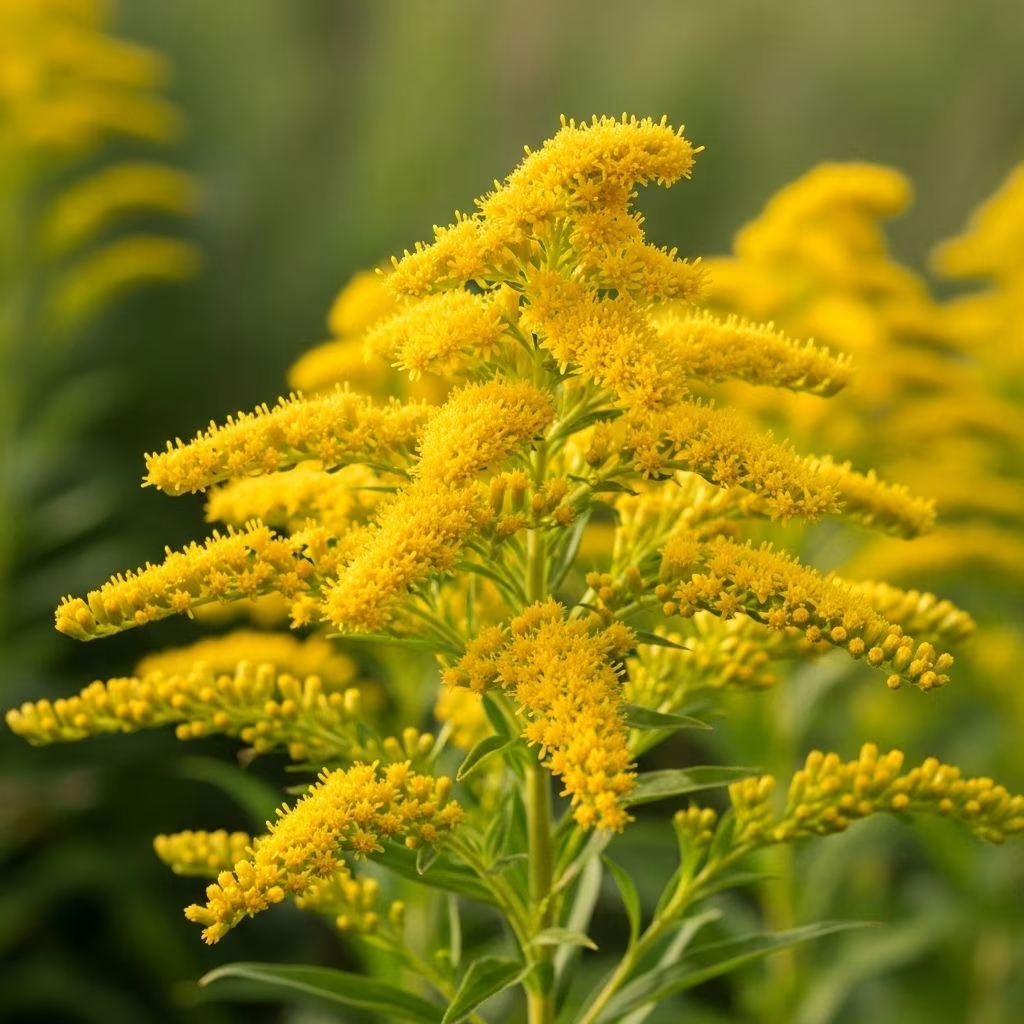
Goldenrod (Solidago spp.) is a striking wildflower and medicinal herb renowned both for its radiant yellow blooms and its ecological role in supporting wildlife and pollinators. Often misunderstood and sometimes mistakenly blamed for allergies, goldenrod offers a multitude of benefits for gardens, health, and culinary pursuits. This guide offers a deep dive into goldenrod’s characteristics, medicinal properties, uses, flavor profile, cultivation tips, and its ecological importance.
Introduction to Goldenrod
Goldenrod is a genus of about 138 species in the Asteraceae (daisy) family. With its brilliant yellow flower clusters and tall, iconic stems, goldenrod is instantly recognizable in wild meadows and gardens from late summer into fall. This hardy perennial has played traditional roles in medicine, culinary arts, gardening, and natural landscaping.
Goldenrod: Botanical Profile & Taxonomy
| Attribute | Detail |
|---|---|
| Genus | Solidago |
| Family | Asteraceae (Daisy family) |
| Common Names | Goldenrod |
| Native Range | North America, Mexico, South America, Caribbean, Eurasia |
| Plant Type | Herbaceous perennial |
| Height | 1 to 8 feet, species-dependent |
| Flowering Time | Late summer to early fall (July–September) |
Identifying Goldenrod
- Erect stems with alternate, willow-like leaves (serrated or entire; smooth or hairy)
- Dense, bright yellow flower clusters (panicles) at stem tops
- Flowers composed of composite structures with both ray and disc florets
- Height varies by species: from low groundcover to tall spikes (up to 8 feet)
Ecological Importance of Goldenrod
Goldenrod is considered a keystone species in many North American habitats because it bolsters biodiversity and ecosystem resilience. Its ecosystem roles include:
- Pollinator Magnet: Rich nectar and pollen attract bees, butterflies, and beneficial insects, supporting pollinator populations vital for plant reproduction.
- Wildlife Habitat: Dense foliage and robust stems provide shelter for overwintering insects; seeds offer a food source for birds in autumn and winter.
- Host Plant: Caterpillars of dozens of moth and butterfly species rely on goldenrod, including disappearing monarch butterflies which use the nectar for their fall migration.
- Specialized Bees: Several native bee species are Solidago pollen specialists, feeding their larvae exclusively with goldenrod pollen.
- Soil Stabilization: Deep, fibrous roots help prevent erosion, rehabilitate disturbed soils, and improve soil structure.
- Low Maintenance: Once established, goldenrod thrives in tough conditions, from dry sand to clay, and requires minimal care, making it invaluable for sustainable landscaping.
Goldenrod Health Benefits
Goldenrod has a long history in herbal medicine, with modern research and traditional use highlighting several key health benefits:
- Anti-inflammatory properties: Goldenrod is traditionally used to reduce inflammation, particularly in urinary tract and kidney disorders.
- Diuretic effects: Helps promote urine flow and may assist in flushing bacteria from the urinary tract, aiding cystitis and bladder health.
- Antioxidant activity: The plant contains antioxidant compounds that protect cells from oxidative stress.
- Wound healing: Historically, goldenrod has been applied as a poultice for bee stings, minor wounds, and skin irritations, purportedly speeding healing and reducing pain.
- Fever reduction: Native Americans made goldenrod tea believed to help lower fevers.
- Respiratory health: Used by some traditional medicine systems to ease sore throats and congestion.
While these benefits are supported by ethnobotanical tradition, always consult a healthcare provider before using goldenrod medicinally, especially if you are prone to allergies or are pregnant or breastfeeding.
Common Constituents
- Saponins
- Flavonoids
- Phenolic glycosides
- Essential oils
Traditional and Modern Uses of Goldenrod
Goldenrod is prized for its flexibility in both folk medicine and practical applications. Key uses include:
- Herbal Teas: Young leaves and flowers are steeped to create aromatic teas—often used for urinary or respiratory health.
- Edible Greens: Young shoots and leaves are sometimes consumed raw or lightly cooked; mature leaves become tough and bitter but can be dried for seasoning.
- Poultices and Compresses: Crushed flowers or leaves are applied to skin for soothing bee stings, insect bites, or minor wounds.
- Decoration and Pollinator Gardens: Vibrant yellow spikes add visual appeal and seasonal color, making goldenrod a favorite for naturalistic garden designs.
- Cut Flowers: Tall, clustered blooms are used in floral arrangements and bouquets.
- Wildlife Food and Shelter: Seeds feed birds; thick foliage shelters insects through cold months.
- Ecological Restoration: Goldenrod is frequently used for erosion control, restoration of old fields, and stabilizing banks and slopes due to its tough root system.
- Dye Production: Flowers can be used to create natural dyes in vivid yellow hues.
Ethnobotanical Significance
The genus name “Solidago” means “to make whole” in Latin, reflecting its reputation for healing and restoration. Native American herbalism placed goldenrod among the most valued plants for topical and internal remedies, especially for fevers, wounds, and throat ailments.
Taste Profile of Goldenrod
Goldenrod’s flavor is distinctive yet pleasant, making it a unique addition to herbal teas and some culinary uses:
- Flavor: Mildly astringent, with a slightly bitter undertone and grassy, earthy notes.
- Aroma: Herbal and fresh, similar to chamomile with hints of anise, mint, or licorice.
- Edible Parts: Young leaves (raw or cooked), flowers (in teas or as garnishes).
Mature leaves can develop pronounced bitterness and should be used sparingly. The flowers can be used to infuse honey, vinegar, or syrups for a subtle herbal touch.
Suggested Culinary Uses
- Herbal tea blends
- Infused syrups or honeys
- Flower garnish for salads or desserts
- Natural yellow food dye
Growing & Caring for Goldenrod
Goldenrod is famed for its low maintenance and resilience. Here’s how to grow and care for it:
- Sunlight: Prefers full sun but tolerates partial shade.
- Soil: Adaptable to a wide range—dry, sandy, clay-rich, or average garden soil; must be well-drained.
- Water: Drought-tolerant once established, but benefits from occasional watering during prolonged dry spells.
- Planting: Propagated by division of rhizomes or wind-dispersed seeds; can be started in situ or transplanted.
- Maintenance: Deadheading encourages additional blooms. Divide plants every 2–3 years to control growth and prevent overcrowding.
Goldenrod colonies depend on beneficial soil mycorrhizal fungi for robust establishment and nutrient uptake. It naturalizes quickly and is rarely troubled by pests or diseases.
Common Misconceptions About Goldenrod
- Allergies: Goldenrod is unjustly blamed for hay fever. Its pollen is heavy and insect-carried, not wind-borne like ragweed’s, making it an unlikely cause of seasonal allergies.
- Weed Reputation: It is sometimes termed a “weed” due to fast colonization of open ground, but takes several seasons to establish and is invaluable for pollinator restoration.
Frequently Asked Questions (FAQs)
Q: Is goldenrod safe for people with allergies?
A: Yes, goldenrod rarely causes hay fever because its pollen is sticky and spread by insects rather than wind. Ragweed, which blooms simultaneously, is the typical allergen.
Q: Can goldenrod be consumed raw?
A: Young leaves are edible raw or cooked, but older foliage is bitter and best used dried or steeped as tea. Always properly identify wild-harvested plants before eating.
Q: What wildlife does goldenrod support?
A: Bees, butterflies (including monarchs), moths, birds (which eat the seeds), and beneficial beetles rely on goldenrod for food and habitat.
Q: How do I control goldenrod from spreading too much?
A: Divide rhizomes every 2–3 years and remove unwanted shoots. Deadheading also helps limit self-seeding.
Q: Can goldenrod be grown in containers?
A: Yes, but choose deep containers to accommodate the root system. Use well-drained soil and place in full sun.
Conclusion
Goldenrod stands out as a remarkable plant—beautifying landscapes, sustaining biodiversity, and offering a wealth of medicinal and culinary uses. Its resilience, ecological value, and unique flavor make it an excellent addition to gardens and herbal routines. By dispelling myths and embracing its benefits, goldenrod can be appreciated for its true role: an herbal powerhouse for health, taste, wildlife, and beyond.
References
- https://www.uaex.uada.edu/yard-garden/resource-library/plant-week/goldenrod-10-27-06.aspx
- https://plants.ces.ncsu.edu/plants/solidago/
- https://content.gardenforwildlife.com/learn/why-you-should-plant-goldenrod
- https://hgic.clemson.edu/native-notes-goldenrod/
- https://en.wikipedia.org/wiki/Solidago
- https://www.uvm.edu/extension/news/goldenrod-useful-wildflower
- http://www.missouribotanicalgarden.org/PlantFinder/PlantFinderDetails.aspx?kempercode=w560.-
- https://extension.psu.edu/goldenrod-not-just-another-pretty-face/
- https://www.bellarmine.edu/faculty/drobinson/Goldenrod.asp


