


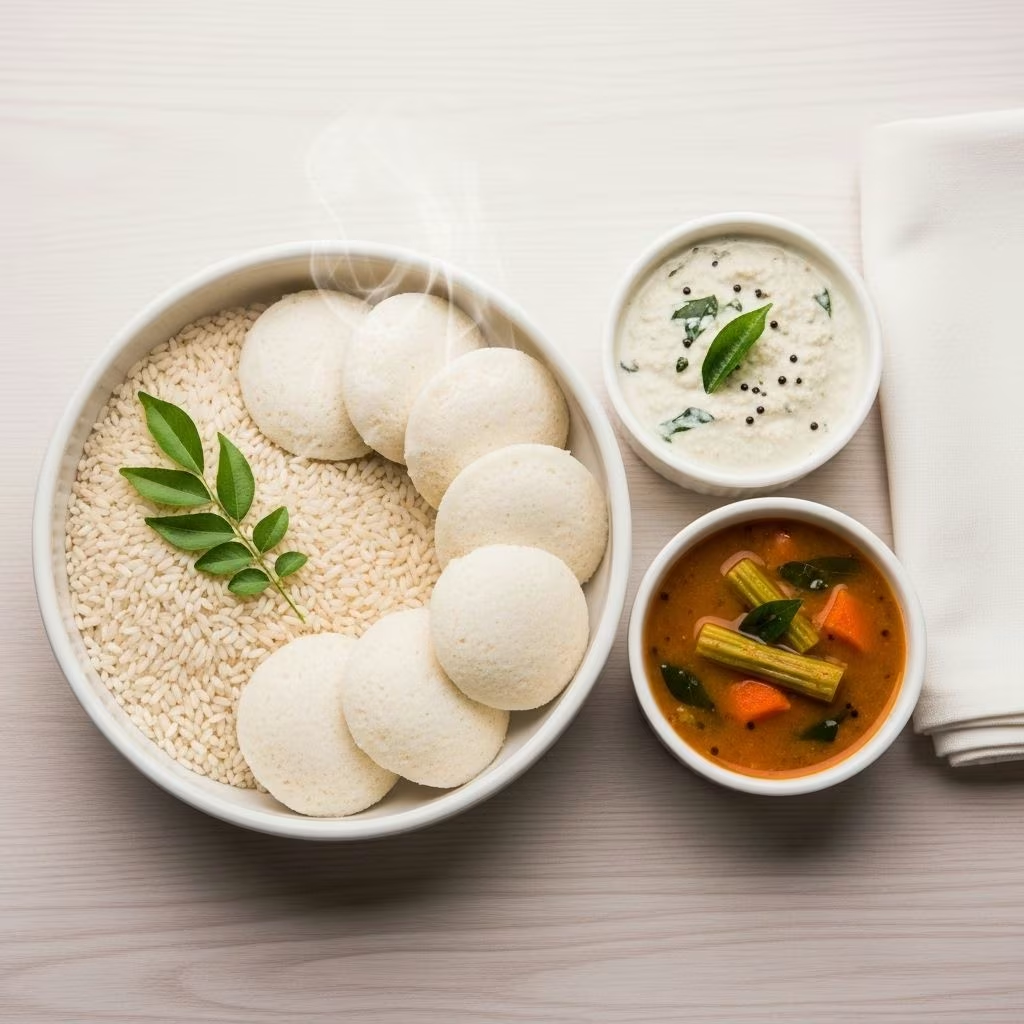
What Is Idli Rice?
Idli rice is a specific variety of short-grain rice that is parboiled before milling, making it distinct from regular white or brown rice. It is prized primarily in South Indian cuisine for its ability to ferment and steam into soft, fluffy idlis—a traditional South Indian steamed rice cake. The parboiling process not only changes the grain’s texture but also locks in nutrients and alters the starch profile, resulting in a product that is both nutritious and uniquely suited for fermentation-based dishes like idli and dosa.
Origins and Production of Idli Rice
Idli rice originates from South India, where it has been a staple ingredient for centuries. The traditional method of producing idli rice involves several key steps:
- Harvesting: Freshly harvested, short-grain paddy rice is used.
- Parboiling: The rice is partially boiled in its husk, a process that gelatinizes the starch, improves nutrient retention, and makes the grain firmer and less sticky.
- Drying: The parboiled rice is dried, traditionally under sunlight, though mechanical drying is also common today.
- Milling: After drying, the husk is removed, leaving behind clean, plump grains of idli rice.
This processing method is what gives idli rice its characteristic softness and fermentability, essential for making idli batter.
Idli Rice vs. Other Rice Varieties
| Feature | Idli Rice | Other Common Rice Types |
|---|---|---|
| Processing | Parboiled in husk before milling, locking in nutrients and changing starch structure | Usually milled raw (white rice) or left unprocessed (brown rice) |
| Texture When Cooked | Soft, tender, and fluffy without stickiness | Varies: basmati is light and separate; sticky rice is chewy and clumps |
| Best Uses | Steamed cakes, soft-textured dishes, gluten-free batters | Basmati for aromatic pilafs, sticky rice for dumplings, arborio for creamy risotto |
| Fermentation Support | Excellent for smooth batter fermentation | Not all rice varieties ferment evenly or produce the same airy results |
| Grain Size | Short and plump | Ranges from long-grain (basmati, jasmine) to medium- and short-grain types |
Unlike aromatic basmati or sticky rice, idli rice is specifically valued for its neutral taste and ability to ferment well, making it irreplaceable in traditional South Indian breakfasts.
Nutritional Profile
Idli rice, being parboiled, retains more nutrients compared to regular milled rice. The parboiling process drives nutrients from the bran into the endosperm, resulting in a grain that is richer in B vitamins, minerals, and fiber. When combined with black gram (urad dal) in traditional idli preparation, the nutritional profile is further enhanced by the fermentation process. Fermentation increases the availability of B vitamins and vitamin C, and significantly reduces phytate content, which can inhibit mineral absorption.
Health Benefits
- Enhanced Digestibility: The fermentation process breaks down starches and proteins, making idli rice-based dishes like idli and dosa easier to digest.
- Rich in B Vitamins: Fermentation increases the levels of B vitamins, particularly B1, B2, and B12, supporting energy metabolism and nervous system health.
- Gluten-Free: Idli rice is naturally gluten-free, making it suitable for those with gluten sensitivities or celiac disease.
- Improved Mineral Absorption: The reduction of phytates during fermentation allows for better absorption of minerals like iron and zinc.
- Lower Glycemic Index: Fermented idli batter has a lower glycemic index compared to plain cooked rice, which is beneficial for blood sugar management.
Culinary Uses
Idli rice is most famously used in South Indian cuisine to make idli, a steamed rice cake, and dosa, a crisp fermented crepe. However, its versatility extends beyond these classics:
- Idli and Dosa Batter: The primary use is in preparing fermented batters for idli, dosa, uttapam, and paniyaram.
- Gluten-Free Baking: Ground into flour, idli rice can be used in gluten-free baked goods, adding a soft, tender crumb.
- Rice Pancakes and Puddings: Its mild flavor and texture make it suitable for steamed puddings, rice pancakes, and even some sweet dishes.
- Healthy Blends: Often mixed with lentils, millets, or other grains to create nutritious, ready-to-cook blends.
Because of its subtle taste, idli rice also works well in global dishes that require a neutral, non-sticky rice base.
Taste and Texture
Idli rice has a very mild, neutral flavor, allowing other ingredients—like spices, herbs, and lentils—to shine in the final dish. Its texture is soft and tender when cooked, without the stickiness of glutinous rice or the firmness of basmati. This makes it ideal for dishes where a light, airy, and non-gummy mouthfeel is desired.
How to Cook and Use Idli Rice
Traditionally, idli rice is soaked, ground into a batter with black gram, fermented, and then steamed or pan-fried. Here’s a basic outline of the process:
- Soak: Soak idli rice and black gram separately for at least 4 hours.
- Grind: Grind both separately into fine batters, adding water as needed.
- Mix and Ferment: Combine the batters, add salt, and let ferment overnight at room temperature.
- Cook: The fermented batter is poured into idli molds and steamed, or spread on a hot griddle for dosa.
Idli rice flour can also be used to make instant batters or in gluten-free baking recipes for added convenience.
Buying and Storing Idli Rice
- Forms Available: Whole parboiled grains, idli rice flour, blended mixes with lentils, and even pre-soaked, ready-to-cook packs.
- Selecting Quality: Look for even-sized grains with low moisture and minimal breakage for best results.
- Storage: Store in an airtight container in a cool, dry place; it can last several months without losing quality.
Frequently Asked Questions
Is idli rice the same as regular rice?
No, idli rice is a short-grain, parboiled rice specifically processed to create a soft, fermentable texture ideal for idli and dosa batter. Regular rice is usually milled raw and does not offer the same texture or fermentability.
Can I use basmati or jasmine rice for idli?
Basmati and jasmine rice do not ferment or steam with the same results as idli rice. They are aromatic, long-grain varieties that do not yield the desired lightness and fluffiness for idli or dosa.
Is idli rice gluten-free?
Yes, idli rice is naturally gluten-free, making it suitable for gluten-free diets.
How long does idli rice last when stored properly?
Stored in an airtight container in a cool, dry place, idli rice can last several months without losing quality.
Are there any alternatives to idli rice?
Sona Masuri and Ponni rice are sometimes used as alternatives in South India, but parboiled idli rice remains the gold standard for authentic texture and taste.
What nutritional benefits does idli rice offer?
Idli rice, especially when combined with black gram and fermented, provides enhanced digestibility, increased B vitamins, improved mineral absorption, and a lower glycemic index compared to plain rice.
Can idli rice be used in dishes other than idli and dosa?
Yes, its mild flavor and soft texture make it suitable for gluten-free baking, rice pancakes, puddings, and as a base for various healthy blends.
In conclusion, idli rice is much more than just an ingredient for South Indian breakfasts—it is a versatile, nutritious, and gluten-free grain that deserves a place in every health-conscious kitchen. Its unique processing, nutritional benefits, and culinary flexibility make it an invaluable pantry staple, whether you’re making traditional idlis or experimenting with global gluten-free recipes.
References
- https://beyondchutney.com/blog/idli-rice/
- https://pmc.ncbi.nlm.nih.gov/articles/PMC3551127/
- https://www.roopmahalrice.com/blog/perfect-rice-for-idlis-and-dosa/
- https://en.wikipedia.org/wiki/Idli
- https://aliveherbals.com/products/idli-rice
- https://medcraveonline.com/HIJ/HIJ-07-00289.pdf
- https://swethasivakumar.substack.com/p/parboiled-rice-vs-idli-rice
- https://kalaguragampa.com/in/idli-rice-idli-biyyam-sp-method-1kg


