


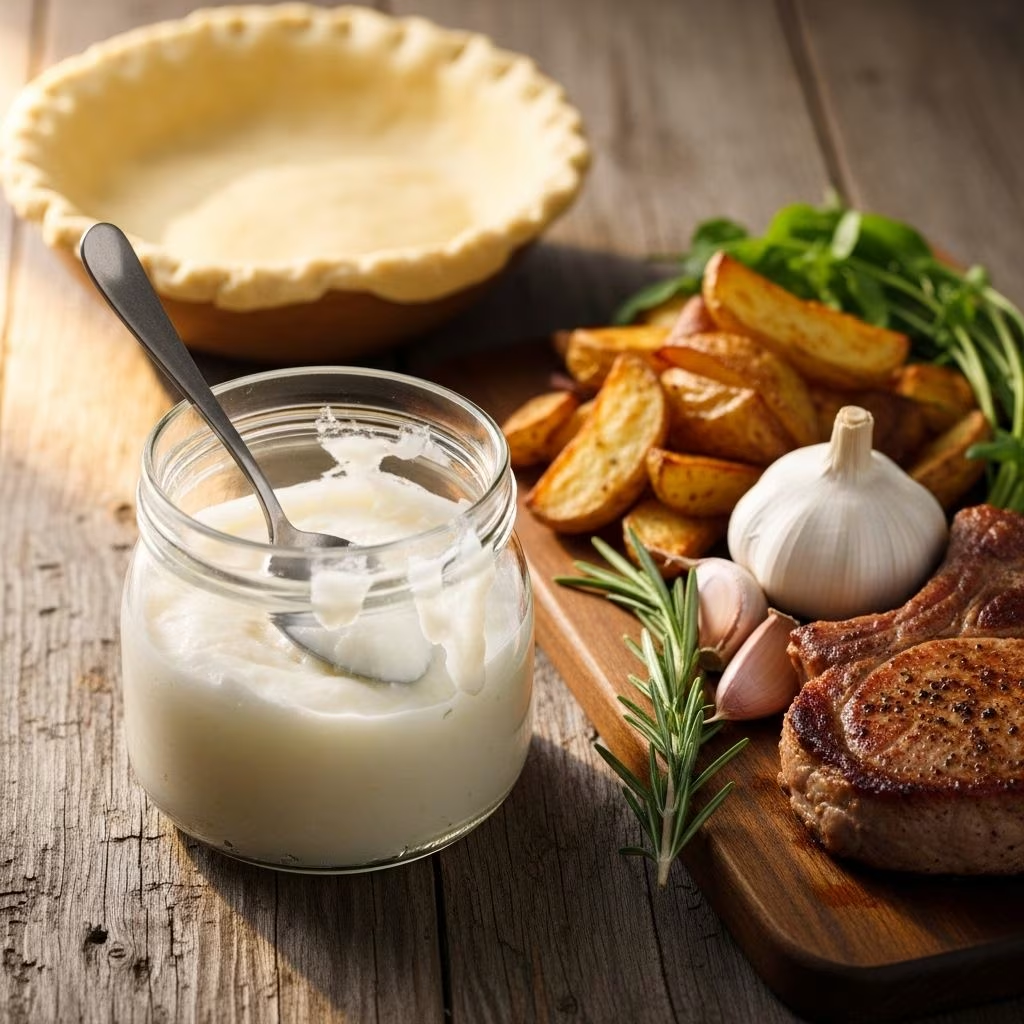
Lard is a fascinating fat that has journeyed through centuries of culinary history, falling in and out of favor as food trends change. Today, lard enjoys a renewed appreciation among chefs, bakers, and home cooks alike for its versatility and unique properties. This article delves into lard’s origins, health and nutritional considerations, differences from other fats, taste, uses, and storage—serving as a complete guide for anyone curious about this classic yet contemporary pantry staple.
What Is Lard?
Lard is a semi-solid white fat obtained by rendering the fatty tissue of a pig. It is primarily made of 100% pork fat, extracted from various fatty portions such as the belly, back, and especially around the kidneys and internal organs. The rendered fat becomes solid and opaque at room temperature but melts to a clear liquid between 35°C and 45°C (95–113°F).
Unlike tallow, which comes from the fat of cattle or sheep, lard is distinctly pork-derived. Its popularity stems from unique cooking properties as well as its notable absence of trans fats.
A Brief History of Lard
Lard was once the primary fat in many kitchens worldwide. It played a central role in European, American, and Asian cuisines for centuries. Its widespread use took a hit in the 20th century when hydrogenated vegetable shortenings and oils rose in popularity, mainly marketed as healthier alternatives. Modern nutritional science has since revised some of those views, leading to a lard renaissance in artisanal food circles and professional kitchens.
Today, traditional recipes and modern gastronomy alike value lard for the flavor and texture it imparts to classic dishes.
How Is Lard Made?
The process of making lard is called rendering, which involves melting down pork fat to separate it from connective tissue and impurities. There are two primary methods:
- Wet Rendering: Fat is boiled or steamed with water. The liquid fat rises to the top, is skimmed off, and cooled to form lard. The resulting lard is very light in color and neutral in flavor with a high smoke point.
- Dry Rendering: Fat is melted using dry heat in an oven or pan without water, much like frying bacon. The resulting lard is somewhat browner, with a more pronounced (sometimes caramelized) flavor and a slightly lower smoke point.
Small-scale or artisanal lard is often made by home cooks seeking premium quality, especially leaf lard, while much of the supermarket lard is mass-produced and may be hydrogenated for shelf stability.
Types and Grades of Lard
- Leaf Lard: Prized as the highest grade, especially for baking, it comes from the fat around a pig’s kidneys. Leaf lard is soft, creamy, and virtually flavorless—ideal for delicate pastries and pie crusts.
- Back Fat (Fatback) Lard: Sourced from the pig’s back, this lard is slightly firmer and has a neutral to mildly porky flavor, useful in both savory and baked dishes.
- Belly Lard: Rendered from the belly, this is more flavorful, making it a favorite for savory applications.
- Hydrogenated/Processed Lard: Commercially processed, sometimes bleached or deodorized, and often stabilized for shelf storage. May include additives like BHT (an antioxidant).
How to Obtain Lard
- Buy from local butchers (best for artisan or leaf lard)
- Purchase supermarket lard for convenience (check labels for additives)
- Render at home for maximum control over quality
Nutritional Profile of Lard
Lard consists mainly of triglycerides (three fatty acids attached to a glycerol backbone). Its specific nutritional breakdown depends on the pig’s breed and diet, but average figures per 1 tablespoon (13 grams) are:
| Nutrient | Amount (per tbsp) |
|---|---|
| Calories | 115 |
| Total Fat | 12.8 g |
| Saturated Fat | 5 g |
| Monounsaturated Fat | 5.7 g |
| Polyunsaturated Fat | 1.4 g |
| Trans Fat | 0 g |
| Cholesterol | 12 mg |
| Vitamin D | 1.7 mcg |
Lard is cholesterol-rich but is notably free from trans fats (unless artificially hydrogenated).
Health Benefits of Lard
- Trans Fat Free: Pure lard contains no trans fats, unlike hydrogenated shortenings.
- Rich in Monounsaturated Fats: Over 40% of lard’s fat is monounsaturated—similar to olive oil—a fat type linked to heart health.
- Lower in Saturated Fat Than Butter: Lard has less saturated fat than butter and more beneficial unsaturated fats, making it a healthier option in moderation.
- Vitamin D Source: Lard is one of the best natural sources of vitamin D among animal fats, especially if sourced from pastured pigs. This vitamin is crucial for bone health, immunity, and mood regulation.
- High Smoke Point: Makes lard less prone to breakdown and harmful compound formation when frying or roasting foods.
When used in a balanced diet and consumed as part of a varied nutritional plan, lard can be a reasonable choice for cooking and baking.
Culinary Uses of Lard
Lard’s versatility spans savory and sweet dishes, beloved by traditional cooks and gourmet bakers alike:
- Frying: Because of its high smoke point, lard is ideal for deep-frying and pan-frying. Foods like fried chicken, doughnuts, or potatoes benefit from its crispiness without a greasy residue.
- Baking: Lard creates exceptionally flaky pie crusts, biscuits, scones, cookies, and pastries. It’s a top choice for making tamales, where the dough needs to be tender and airy.
- Sauteing and Roasting: Adds subtle flavor and a golden crust to vegetables and meats.
- Spreads and Fillings: In some cultures, flavored lard is spread on toast or bread, or whipped and used to enrich fillings.
Classic Dishes That Highlight Lard
- Southern-style fried chicken
- Flaky pie and tart crusts
- Biscuit and scone layers
- Mexican tamales and refried beans
- French pâtés and charcuterie
Taste and Texture
Properly rendered lard is known for its neutral taste (especially leaf lard), but may have a faint, pleasant porkiness in less refined versions. In baking, it is valued for producing a flaky, delicate crumb without the flavor assertiveness of butter or the heaviness of shortening.
Texture-wise, lard is smooth, creamy, and easily spreadable when fresh. When used in savory dishes, it complements rather than overwhelms other flavors. Some specialty lards, especially those rendered from heritage or acorn-fed pigs, can have subtle notes of nuttiness or umami.
Lard vs Other Fats: A Comparison
| Fat | Saturated Fat (per tbsp) | Trans Fat | Smoke Point | Flavor |
|---|---|---|---|---|
| Lard | 5 g | 0 g | 370°F / 188°C | Neutral (leaf lard), mild porky (others) |
| Butter | 7 g | 0.5 g | 302°F / 150°C | Rich, creamy, distinct |
| Vegetable Shortening | 3 g | 1-2 g (if hydrogenated) | 360°F / 182°C | Bland |
| Olive Oil | 2 g | 0 g | 390°F / 199°C | Fruity, grassy |
Lard’s unique properties—in particular, its ability to create flaky pastry and its clean frying characteristics—make it an enduring favorite among serious cooks.
Tips on Using and Storing Lard
- Store pure, untreated lard in the refrigerator or freezer to prevent spoilage. Most commercial lard can be kept at room temperature but check the packaging.
- Use a clean utensil to remove lard from its container to avoid contamination.
- For best flavor and texture, use within 3–6 months (refrigerated) or up to a year if frozen.
- If rendering your own, strain out all solids and keep in an airtight, opaque container.
Rancid lard will have a sour odor or taste; discard if these develop.
Is Lard Right for You?
Lard is an animal-based fat, so it isn’t suitable for vegan or vegetarian diets. Those with pork allergies or specific dietary restrictions should avoid it. For others, especially those seeking natural, minimally processed fats for high-temperature cooking or flaky baked goods, lard offers compelling culinary and nutritional advantages—provided it’s used as part of a balanced diet.
Frequently Asked Questions (FAQs)
Q: Is lard healthier than butter?
A: Lard has less saturated fat and cholesterol than butter and no trans fats, but both should be consumed in moderation.
Q: Does lard add a pork flavor to food?
A: Leaf lard is virtually flavorless, but other lard types can impart a mild, pleasant porkiness to recipes.
Q: Can I substitute lard for shortening or oil?
A: Yes, lard can often substitute 1:1 for shortening and sometimes for butter or oil in baking and frying for superior flakiness and frying performance.
Q: How do I render lard at home?
A: Chop fatty pork into small pieces, slowly heat in a heavy pot or slow cooker, strain the melted fat, and store in a sealed jar in the fridge or freezer.
Q: Is commercial lard the same as artisanal or homemade?
A: Not always. Commercial lard may be hydrogenated or contain additives for shelf stability, while homemade or artisanal lard is usually purer and may have different textures and flavors.
Q: Why do bakers love leaf lard?
A: Leaf lard is prized for its ability to create exceptionally flaky, tender crusts and pastries without a porky flavor.
References
- https://en.wikipedia.org/wiki/Lard
- https://www.webstaurantstore.com/blog/3068/what-is-lard.html
- https://www.britannica.com/topic/lard
- https://www.vocabulary.com/dictionary/lard
- https://www.ecfr.gov/current/title-9/chapter-III/subchapter-A/part-319/subpart-P/section-319.702
- https://www.merriam-webster.com/dictionary/lard


