


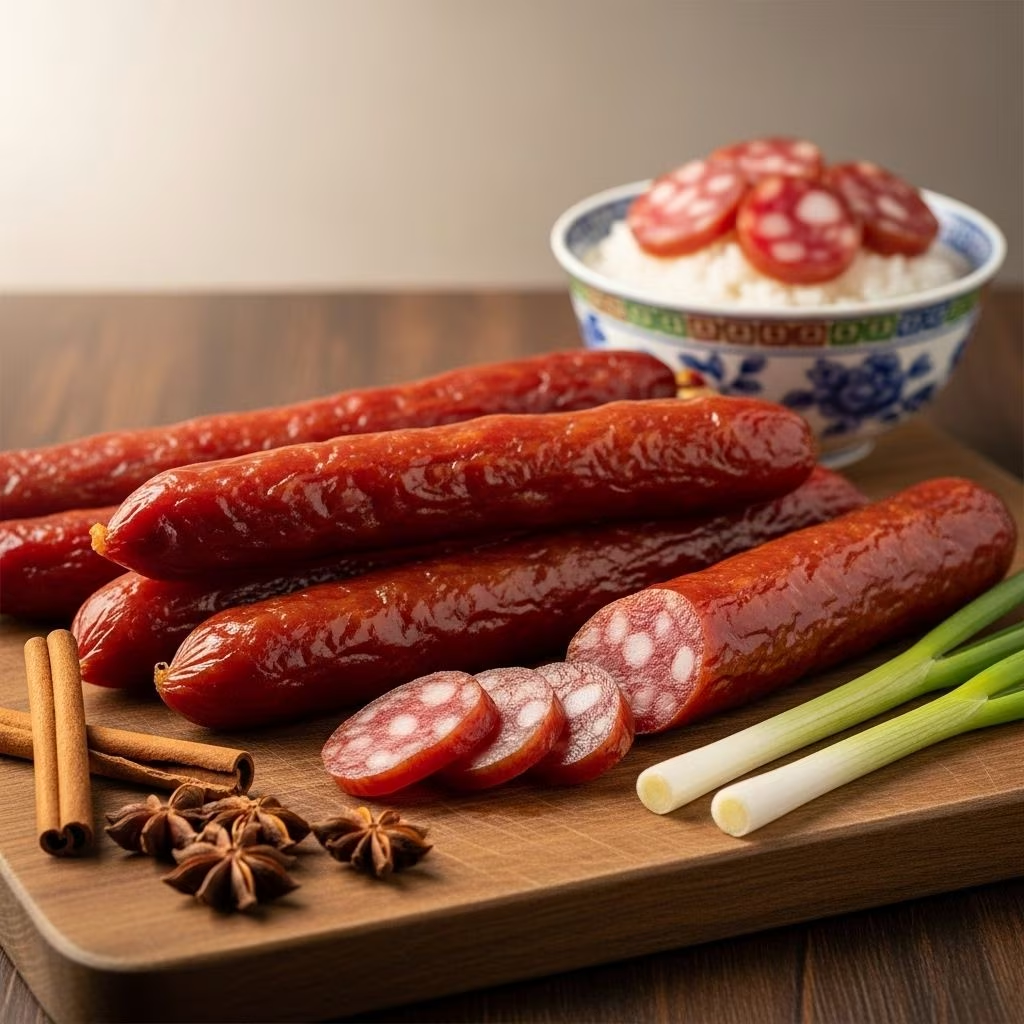
Lap cheong, also known as Chinese sausage or lap chong, holds an honored place in Asian culinary traditions. This guide delves into the origins, nutritional aspects, cultural role, culinary uses, and the much-loved taste of lap cheong, unraveling why it remains a staple across continents and cuisines.
Introduction to Lap Cheong
Lap cheong (Cantonese: 腊肠, Mandarin: làcháng) is a distinctive dried and cured sausage, featuring a glistening reddish-brown appearance and a sweet-savory aroma. Typical of southern Chinese regions and beyond, lap cheong is celebrated for its versatility and flavor, making it a common enhancement for everyday rice, vegetables, and festive banquets alike.
Origin and History of Lap Cheong
The origin of lap cheong is closely intertwined with the food preservation traditions of southern China, particularly in Guangdong, Zhejiang, Sichuan, and Jiangsu provinces. The name “lap cheong” literally means “winter stuffed sausage” or “preserved sausage,” referencing ancient practices of preparing sausages after winter slaughter, when pork was abundant and preservation essential for enduring the colder months. Initially consumed throughout the winter, lap cheong is now enjoyed year-round.
With waves of Chinese migration, lap cheong and its many variants became popular in Hong Kong, Taiwan, Southeast Asia, and global Chinatowns, each region adapting the classic preparation to local preferences.
Traditional Preparation and Ingredients
The core of lap cheong’s enduring appeal lies in its classic, straightforward ingredients and painstaking traditional techniques:
- Main ingredient: Fatty pork (commonly pork butt or shoulder), sometimes combined with liver or duck in regional types.
- Fat content: High, providing essential moisture, flavor, and the signature marbled appearance.
- Flavorings: Salt, sugar (often in significant quantities for a sweet edge), soy sauce, Chinese rice wine or rose wine, and sometimes cinnamon or ginger.
- Preservatives: Curing salts and occasionally starter cultures are used for fermentation in some recipes.
- Casing: Traditionally, natural pork or sheep intestines are used, yielding the sausage its familiar sheen and bite.
- Color: Derived from the use of red yeast rice powder, the sausages gain their characteristic dark red or pink hue.
The preparation involves seasoning and curing the ground meat overnight, stuffing it into casings, pricking to permit moisture loss, and air-drying in a controlled environment for up to two weeks. Smoking is sometimes employed for added aroma and preservation. The finished sausage is dense, slightly sticky, and never intended to be eaten raw; cooking before serving is essential.
Regional Varieties of Chinese Sausage
While lap cheong is most associated with Cantonese cuisine, “Chinese sausage” (香肠 xiang chang) describes a broader family of cured or fresh sausages, including:
- Lap cheong (臘腸): The most iconic, sweet-savory hard sausage made predominantly from pork, with a pronounced aroma and dense texture.
- Yun chang (膶腸): Duck liver sausage common in Guangdong, richer but less sweet than lap cheong.
- Xiang chang (香腸): A plumper, fresh sausage made with coarsely chopped pork and pronounced sweetness, often grilled or steamed.
- Sichuan sausage: Typically spicier due to Sichuan peppercorns and chili powder, reflecting local palate preferences.
| Type | Region | Main Feature |
|---|---|---|
| Lap Cheong | Cantonese, Southern China, Hong Kong | Hard, sweet-savory, red, air-dried pork sausage |
| Yun Chang | Guangdong | Duck liver, smooth, rich |
| Xiang Chang | Mainland China | Fresh, juicy, sweeter profile |
| Sichuan Sausage | Sichuan | Spicy, peppery, robust aroma |
Nutritional Value and Health Benefits
Lap cheong is an energy-dense food, supplying a concentrated source of protein, fat, and essential micronutrients. Here are some health aspects to consider:
- Protein: A rich source owing to its pork content, benefiting muscle maintenance and satiety.
- Fats: High in saturated fats, contributing to both energy provision and its luxurious mouthfeel. However, moderation is advised if monitoring fat intake.
- Micronutrients: Provides vitamin B12, zinc, selenium, and iron thanks to the pork and (in some varieties) liver components.
- Low carbs: Lacks starchy fillers found in some Western sausages, making it a low-carbohydrate, high-protein food.
Potential Health Benefits:
- Quick energy: Due to high caloric density, particularly useful in cold climates or high-energy diets.
- Long shelf life: The curing and drying process allows for preservation without refrigeration, beneficial for food security and travel.
- Protein enrichment: Enhances the protein content of plant-based dishes, making it a flavorful supplement.
Note: Due to its sodium, sugar, and fat content, lap cheong is best enjoyed as part of a balanced diet.
Culinary Uses and Cooking Methods
Lap cheong’s prominent, sweet-with-salty flavor means a small amount can transform bland dishes into something special. Popular uses include:
- Rice Dishes: Sliced and steamed atop white rice or in claypot rice (煲仔饭 bao zai fan), letting the savory-sweet juices flavor the grains.
- Stir-Fries: Diced or thinly sliced lap cheong is fried with vegetables, tofu, or eggs, imparting a complex aroma.
- Fried Rice and Noodles: Provides chewy, meaty contrast in classic dishes like Yangzhou fried rice or lo mein.
- Dumplings & Buns: Chopped sausage enriches fillings for steamed buns (bao), dumplings, or sticky rice parcels (lo mai gai).
- Soups & Stews: Adds umami, sweetness, and depth to brothy preparations.
Common Cooking Methods:
- Steaming: Preserves juiciness and softens texture.
- Pan-frying: Intensifies flavor and delivers crispy edges.
- Braising: Submerged with vegetables or rice, the fat and flavor infuse the entire dish.
- Microwaving: An increasingly popular modern technique for quick steaming.
Lap cheong should be cooked thoroughly before eating, as it is preserved but not pre-cooked. The rendered fat is often reserved for frying greens or enhancing sauce bases.
Flavor and Texture Profile
Lap cheong offers a sensory experience unlike any Western sausage. The defining attributes include:
- Aroma: Sweet, slightly boozy, with faint floral notes if rose wine is used.
- Taste: Richly sweet, offset by moderate saltiness and subtle spicing. The sugar content is typically high by sausage standards, often making lap cheong noticeably sweet as compared to European cured sausages.
- Mouthfeel: Firm, somewhat chewy, and interspersed with tender pockets of rendered fat, creating a distinctive dense bite.
- Aftertaste: Lingering sweet-savory impression, with a hint of umami and residual warmth from cured pork fat.
The unique sweet-salty balance and dense texture set lap cheong apart from chorizo, salami, pepperoni, or other charcuterie styles. Its taste is immediately recognizable and provides a strong contrast to the foods it accompanies.
Storage and Shelf Life
Lap cheong shares the hallmark of dry-cured foods: excellent longevity. Here’s how to handle it:
- Unopened: Store in a cool, dry place for several months, or in a refrigerator for up to a year.
- Opened: Wrap tightly and refrigerate; best consumed within 2–4 weeks.
- Freezing: Lap cheong freezes well; defrost in the refrigerator before use.
Visible fat bloom (white coating) is natural and safe, but discard sausages that develop off smells, excessive slime, or visible mold.
Lap Cheong in Global Cuisine
Thanks to centuries of migration, lap cheong has crossed borders and inspired numerous fusion recipes. You’ll find it featured in:
- Malaysian and Singaporean Nasi Lemak: Enhances coconut rice dishes.
- Vietnamese Fried Rice: (Cơm chiên lạp xưởng) as a premium garnish.
- Thai Stir-Fries: In pad kaprao or fried crispy rice cakes (khao tod).
- Western Fusion: Topping for pizza, inclusion in omelets, or paired with other cured meats on a tasting platter.
Frequently Asked Questions (FAQs)
What’s the difference between lap cheong and Western dried sausages?
Lap cheong is typically denser, noticeably sweeter, and requires cooking before consumption, whereas Western dried sausages like salami or pepperoni are spicier, saltier, and often fully cooked or ready-to-eat.
Can lap cheong be eaten raw?
No. Unlike most Western salamis, lap cheong is preserved but not pre-cooked and should be steamed, stir-fried, or braised before eating.
Is lap cheong gluten-free?
Most traditional lap cheong uses soy sauce (which may contain wheat) and curing agents. Always check labels or select certified gluten-free varieties if you have sensitivities.
Does lap cheong need to be refrigerated?
When unopened and thoroughly dry-cured, it can be kept in a cool, dark pantry. For longer storage or after opening, refrigeration is recommended.
What are some vegetarian alternatives to lap cheong?
Vegetarians can look for plant-based mock Chinese sausages made with soy protein and traditional seasonings, increasingly available in Asian grocers.
How can I use the rendered fat from lap cheong?
The flavorful fat produced when frying lap cheong is ideal for sautéing leafy greens, adding to fried rice, or infusing into sauces for a savory-sweet boost.
Conclusion
Lap cheong’s legacy as a vibrant, versatile, and delectable sausage has endured for centuries. Whether it’s lending deep flavor to a simple bowl of rice or adding a traditional flourish to a celebratory feast, its sweet-savory character and complex aroma continue to win hearts far beyond its homeland. When used mindfully as part of a balanced diet, lap cheong remains a cherished ingredient with the power to transform everyday cooking into an occasion worth savoring.
References
- https://www.foodrepublic.com/1513425/what-is-lap-cheong-chinese-sausage/
- https://www.meatsandsausages.com/sausage-recipes/fermented/lap-cheong
- https://en.wikipedia.org/wiki/Traditional_Chinese_sausages
- https://en.wikipedia.org/wiki/Chinese_sausage
- https://www.uwajimaya.com/uwajipedia/lap-xuong/
- https://www.youtube.com/shorts/OBBa3zlOVyw


