


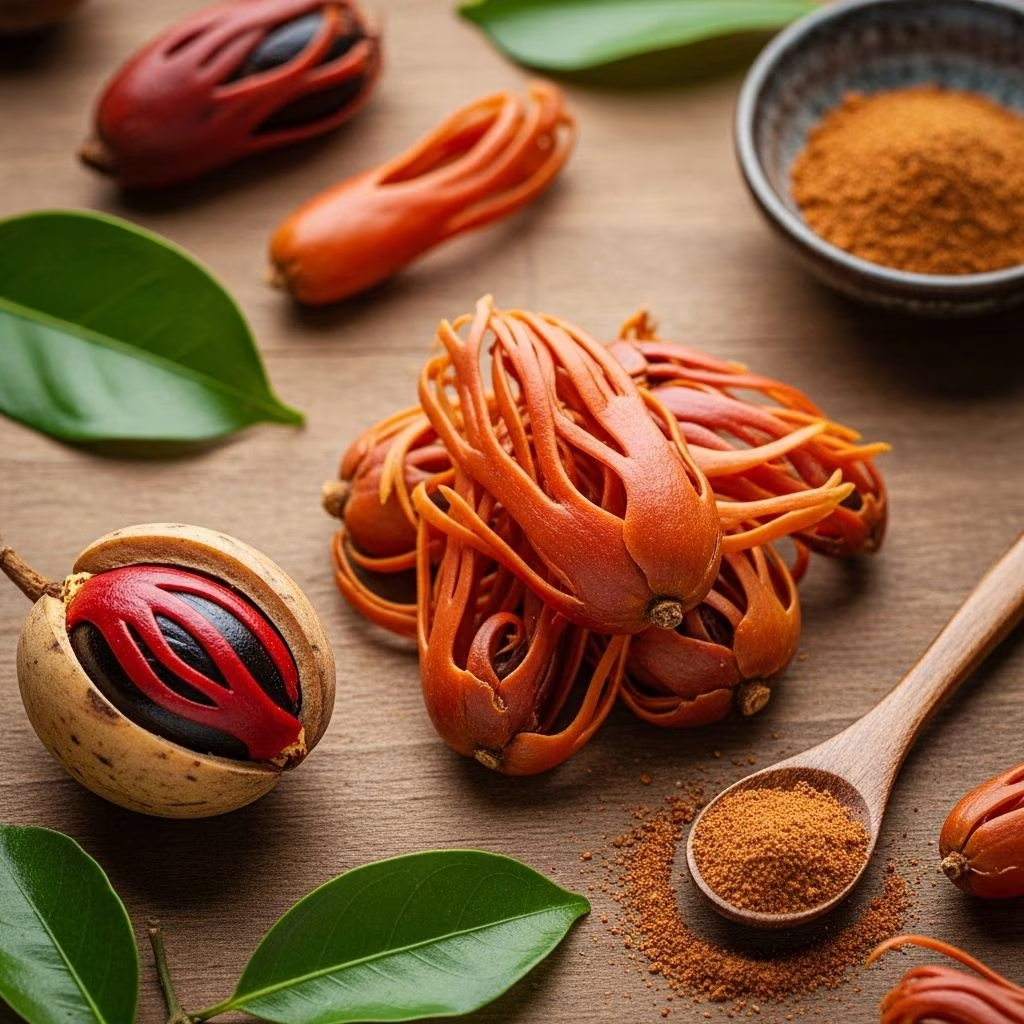
Introduction: What is Mace?
Mace is an aromatic spice derived from the lacy, red-orange outer covering (aril) of the nutmeg seed, sourced from the tropical Myristica fragrans tree native to Indonesia. Although often confused with nutmeg, mace is a distinct spice with its own unique flavor, culinary significance, and history. Once considered as valuable as gold, mace has appeared in sweet and savory dishes worldwide for centuries, prized for its subtle warmth and beautiful color.
Origin & History of Mace Spice
The nutmeg tree, scientifically known as Myristica fragrans, is unique for producing two spices: nutmeg (the seed) and mace (the aril covering the seed). Native to Indonesia’s Banda Islands—often called the “Spice Islands”—the tree has been cultivated for centuries throughout tropical Asia.
During the European spice trade of the 16th and 17th centuries, mace was highly sought after, fetched premium prices, and was regarded as a luxury item—sometimes exchanged at values similar to gold. Mace’s popularity soared in European and Middle Eastern kitchens, highlighted in desserts, meat dishes, and preservation recipes. However, over time, mace’s popularity has waned outside specialist culinary circles, making its rich history and versatility less familiar to many modern cooks.
Nutmeg vs. Mace: Key Differences
Though both spices come from the same fruit, they are not the same. Here’s a concise comparison to highlight the differences:
| Aspect | Mace | Nutmeg |
|---|---|---|
| Source | Lacy aril covering the seed | Inner seed itself |
| Appearance | Bright red or orange aril, dries to golden-brown | Hard, brown oval seed |
| Flavor | Delicate, warm, sweet, floral, subtle citrus | Earthy, strong, slightly bitter |
| Uses | Baking, beverages, savory dishes, pickling | Baking, creamy sauces, meat dishes |
| Aroma | Earthy, floral, slightly woody | Spicy, woody, pungent |
In summary, while nutmeg can overpower, mace offers a more refined, aromatic, and subtly spicy profile, preferred in recipes that require a gentler touch.
Appearance and Flavor Profile
Mace is distinguished by its vivid color changes: fresh, it’s bright red; when dried, it turns golden-brown or orange. Sold either as whole blades or ground powder, its appearance immediately sets it apart from nutmeg.
Mace’s unique flavor profile features:
- Warmth: Provides a gentle, warming sensation similar to cinnamon and clove.
- Sweetness: Mild to moderate, complementing fruits and desserts.
- Peppery undertones: Adds subtle heat, but is much milder than black pepper.
- Citrus hints: Its delicate finish offers light citrus notes.
- Floral aromas: Light, earthy, and sometimes slightly pine-like.
Here’s a quick flavor snapshot:
| Flavor Note | Description |
|---|---|
| Sweetness | Mild to moderate |
| Heat Level | Low to medium |
| Aroma | Earthy, floral, slightly woody |
| Aftertaste | Smooth, slightly citrusy finish |
The subtlety and complexity of mace often make it the preferred spice in dishes that benefit from gentle warmth and fragrant depth, without the robustness of nutmeg.
Nutritional Value & Health Benefits
Mace contains several bioactive compounds and minerals, contributing not just to culinary enjoyment but also to wellness. Here are its major nutritional and health benefits:
- Antioxidants: Mace contains flavonoids and essential oils that help counteract oxidative stress in the body.
- Anti-inflammatory properties: Some of its compounds may reduce inflammation, supporting joint and digestive health.
- Minerals: Provides small amounts of copper, calcium, iron, magnesium, and manganese.
- Aids digestion: Traditionally used in Ayurvedic medicine to soothe the stomach and enhance appetite.
- May support circulation: The warming qualities of mace may help stimulate circulation and relieve muscle pain.
Although typically used in small culinary amounts, regular inclusion adds nutrient diversity without overpowering dishes.
Culinary Uses of Mace
With its delicate warmth and aromatic complexity, mace has applications in both sweet and savory kitchens around the world. Here are its most popular culinary uses:
- Baking: Adds subtle spice to cakes, cookies, doughnuts, pastries, and custards. It blends especially well with apple, pear, and berry-based desserts.
- Savory Dishes: Key ingredient in Indian curries, Dutch stews, and Middle Eastern rice dishes. Brightens soups, casseroles, and creamy sauces.
- Spiced Beverages: Enhances chai teas, mulled wines, eggnog, and hot chocolate with its fragrant warmth.
- Pickling & Preserves: Lends depth and complexity to jams, chutneys, pickled vegetables, and fruit preserves.
- Meat Rubs & Seasoning: Complements pork, poultry, lamb, and fish seasoning blends. Offers balance in sausage recipes and marinades.
Popular spice pairings include cinnamon, cloves, allspice, cardamom, and black pepper. These complementary spices help round out the savory or sweet complexity of food when using mace.
Recipe Ideas Featuring Mace:
- Classic fruit pies (apple, pear, berry)
- Rice pilaf or biryani
- Chai latte or spiced coffee
- Pickled vegetables and chutneys
- Spiced lamb, pork, or poultry rubs
- Baked custards and puddings
Cooking Tips & Substitutes
Whether you’re baking or making a savory stew, here are essential tips for using mace:
- For maximum aroma and flavor, buy whole blades and grind fresh as needed.
- Add ground mace early during cooking, especially in curries or stews, to allow flavors to bloom.
- Use mace sparingly—a little goes a long way to avoid overwhelming the dish.
- Mace pairs beautifully with fruit, dairy, and other warming spices.
Substitutes for Mace:
- Nutmeg: Most common substitute, use about 75% as it’s stronger and more robust.
- Allspice: Use half the amount.
- Cinnamon & Cloves: Mix in a 2:1 ratio to approach mace’s subtle warmth.
- Garam Masala: Good for curries, but won’t replicate mace’s citrus notes.
How to Store Mace
- Whole mace blades retain their aroma and potency for up to 2 years when stored in a cool, dark, airtight container.
- Ground mace is best used within 6–12 months, as its flavor fades faster than nutmeg.
- Always keep away from moisture and direct sunlight for best preservation.
Frequently Asked Questions
Is mace the same as nutmeg?
No. Mace is the dried, red-orange, lacy aril that surrounds nutmeg’s seed; nutmeg is the brown inner seed. Their flavors differ: mace is more delicate, floral, and slightly citrusy, while nutmeg is stronger and earthier.
What does mace taste like?
Mace tastes warm, sweet, floral, slightly peppery, and carries hints of citrus and pine. It’s subtler and smoother than nutmeg, making it ideal for recipes needing gentle spice.
How do I use mace in cooking?
Use mace in baking (cakes, cookies), savory dishes (curries, stews, rice), drinks (mulled wine, chai, hot chocolate), pickling, and meat rubs. Whole blades should be ground fresh or simmered in liquids; ground mace is best used early in cooking.
What can I substitute for mace?
Nutmeg (75% the amount), allspice (half the amount), or a blend of cinnamon and cloves (2:1 ratio). For curries, garam masala is a close alternate.
How long does mace last?
Whole mace blades last up to 2 years; ground mace is freshest for 6–12 months, stored airtight in a cool, dark location.
Is mace spice safe to consume?
Yes, mace is safe and non-toxic when used in typical culinary amounts. As with all spices, excessive consumption is not recommended due to concentrated essential oils.
Conclusion
The mysterious, luxurious mace spice brings warmth, fragrance, and color to any kitchen. Rooted in the tropical nutmeg tree, it holds an enduring legacy—from ancient spice trades to modern gourmet recipes. Whether accenting desserts, enriching curries, or spicing up beverages, mace proves indispensable for cooks who prize gentle yet complex flavors. Understanding its differences from nutmeg, health benefits, and culinary applications ensures you can confidently and creatively incorporate mace into your culinary repertoire.
References
- https://spice.alibaba.com/spice-basics/mace-is-this-mysterious-powder-actually-a-spice-or-just-fancy-dust
- https://www.mccormick.com/blogs/how-to/about-mace-spice-uses-pairings-and-recipes
- https://www.tilda.com/blog/ingredient-guide/a-guide-to-mace/
- https://www.thespicehouse.com/blogs/news/what-is-mace
- https://en.wikipedia.org/wiki/Mace
- https://www.youtube.com/watch?v=HfsxvyiaWm4
- https://dictionary.cambridge.org/us/dictionary/english/mace


