


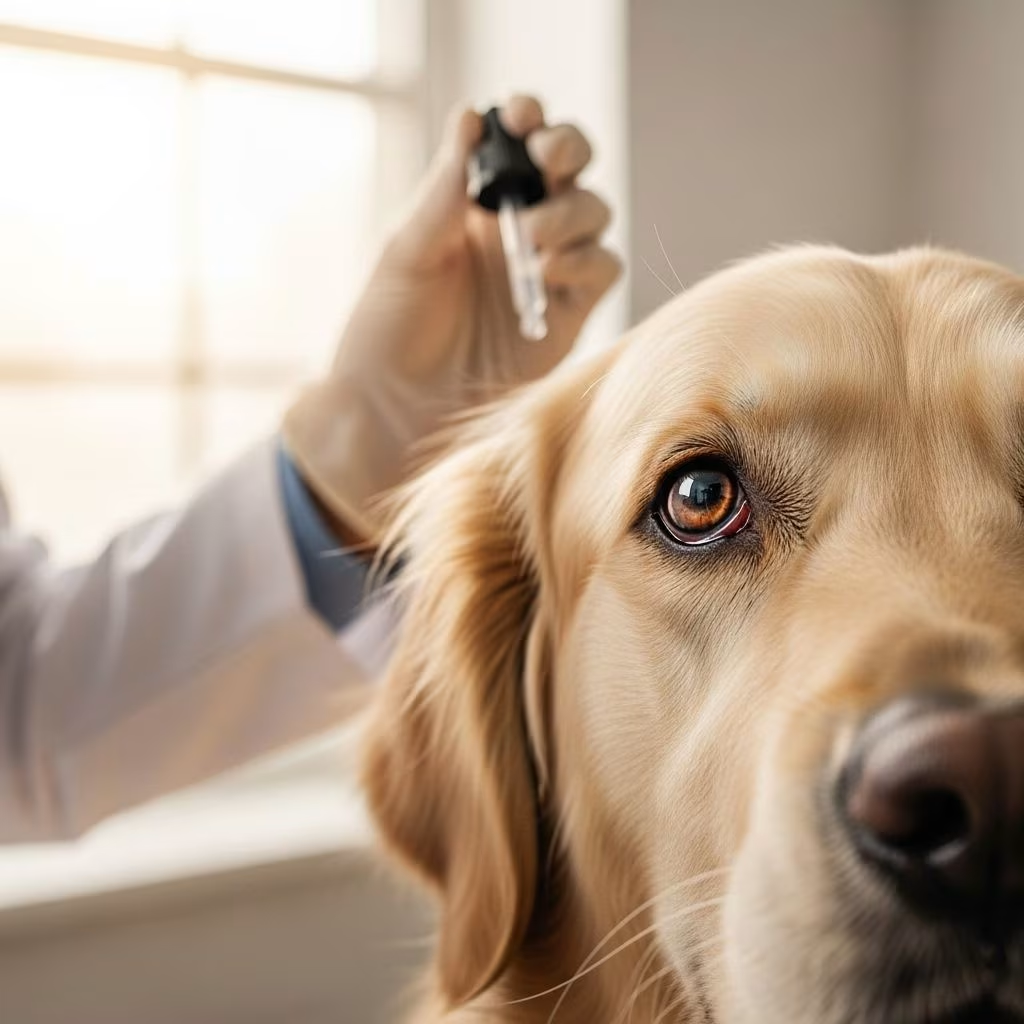
How to Get Rid of Dog Eye Infections: Complete Guide
As a dedicated dog owner, maintaining your pet’s health—including eye health—is crucial. Eye infections are a common problem in dogs, posing both discomfort and risk for long-term complications if left untreated. This guide will walk you through how to identify, treat, and prevent eye infections in dogs, providing actionable steps and advice for responsible pet owners.
Understanding Dog Eye Infections
Dog eye infections are typically caused by bacteria, viruses, fungi, allergies, trauma, or irritants such as dust or chemicals. These infections may present suddenly or develop as a complication of other health problems.
Types of Dog Eye Infections
- Conjunctivitis (“pink eye”): Inflammation of the conjunctiva, the membrane lining the eyelids and eyeball.
- Bacterial Infections: Resulting from environmental bacteria, often following injury or exposure.
- Viral Infections: Diseases like canine distemper or herpesvirus can infect the eyes.
- Fungal Infections: Environmental fungi occasionally cause ocular inflammation.
- Allergic Conjunctivitis: Allergies to pollen, grasses, or chemicals can irritate the eyes.
- Infections in Eyelids and Tear Glands: These areas can become inflamed due to blocked ducts, overgrown eyelashes, or injury.
- Uveitis: Inflammation of inner eye structures, seen in severe systemic infections or immune-mediated conditions.
- Corneal Infections: Less common, occurring as a complication of injury or systemic disease.
Causes of Dog Eye Infections
- Bacterial pathogens: such as Staphylococcus or Streptococcus species.
- Viral agents: including canine distemper and herpesvirus.
- Fungi or mold: Enter the eye via environmental exposure.
- Allergic response: Pollens, dust mites, and chemicals causing systemic or local irritation.
- Physical trauma: Scratches, bites, or foreign bodies getting into the eye.
- Irritants: Smoke, shampoo, or other chemicals; debris such as grass seeds.
- Pre-existing eye diseases: Dry eye, glaucoma, or congenital abnormalities such as “cherry eye”.
Contagion Risk
Most dog eye infections are non-contagious, though viral causes can be spread among pets. Always quarantine a pet with eye symptoms until a diagnosis is confirmed.
Symptoms of Dog Eye Infections
The most common symptoms pet owners should watch for include:
- Redness in or around the eyes
- Swelling of eyelids or surrounding tissues
- Discharge (clear, green, yellow, or mucopurulent)
- Pawing or rubbing at the eyes
- Squinting or blinking excessively
- Cloudiness or visible opacity in the eye
- Sensitivity to light (photophobia)
- Crusting or matting of fur around the eyes
- Loss of vision (in advanced or severe cases)
Symptoms can be unilateral (one eye) or bilateral (both eyes). Allergic responses almost always involve both eyes, whereas infections and trauma are usually more localized.
Common Eye Problems That Mimic Infections
- Dry Eye (Keratoconjunctivitis sicca): Not true infection, but can cause redness, irritation, and discharge.
- Cherry Eye: Protrusion of the third eyelid, easily confused with infection.
- Glaucoma: Elevated eye pressure, causing redness and discomfort.
Veterinary diagnosis is essential to distinguish between these and infectious causes.
How to Diagnose Dog Eye Infections
Veterinarians will evaluate several indicators before confirming an eye infection:
- History: Recent trauma, exposure to irritants, systemic illness.
- Physical Examination: Inspection of eye, eyelids, and surrounding tissues.
- Specialized Tests:
| Test | Purpose |
|---|---|
| Schirmer tear test | Measures tear production |
| Fluorescein stain | Detects corneal ulcers by coloring damaged tissue |
| Eye pressure measurement | Assesses for glaucoma or uveitis |
| Culture & sensitivity | Identifies bacteria or fungi for targeted treatment |
Depending on the test results and severity, treatments are customized and closely monitored by a veterinary professional.
Differences Between Allergies and Infections
- Allergy symptoms usually include clear discharge and occur in both eyes.
- Infectious symptoms often present with colored or pus-like discharge, and typically affect one eye, with redness and pain.
- Immediate veterinary care is recommended for acute redness and discharge, especially if only one eye is affected, or if symptoms persist beyond 24 hours.
Treatments for Dog Eye Infections
Treating dog eye infections effectively requires identifying the underlying cause. Common veterinary strategies include:
- Topical antibiotics: Used for bacterial conjunctivitis or corneal ulceration.
- Oral antibiotics: Prescribed for infections extending into eyelids or tear glands.
- Antifungal medication: For fungal infections, often topical.
- Antiviral drugs: Rare, reserved for specific viral infections.
- Artificial tears: For dry eye or supportive care, administered multiple times daily.
- Anti-inflammatory drugs: Oral or topical, to reduce swelling and discomfort.
- Surgical intervention: Rare, for severe or anatomical obstruction, such as blocked tear ducts or eyelash abnormalities.
- Antihistamines: In allergies, especially allergic conjunctivitis.
It is essential never to use human medications or over-the-counter eye drops without veterinary guidance as some can cause severe complications for dogs.
At-Home Care Strategies
- Clean discharge: Use sterile saline solution and clean cotton pads to gently remove dried discharge.
- Prevent eye trauma: Keep nails trimmed and avoid rough play during recovery.
- Limit exposure: Reduce contact with dusty or allergen-rich environments.
- Administer medications on schedule: Always follow your vet’s instructions.
Home remedies may offer temporary relief but do not replace professional diagnosis or treatment.
When to Seek Veterinary Care
- Increase in redness, swelling, or discharge
- Significance decrease in vision or sudden blindness
- Symptoms lasting over 24 hours
- Frequent pawing or rubbing of the eyes
- Signs of pain: whining, hiding, or decreased activity
Prompt attention prevents long-term damage and vision loss.
Prevention: Keeping Your Dog’s Eyes Healthy
While it can be difficult to eliminate risk entirely, you can take practical measures to protect your dog’s eyes:
- Dog goggles: Protects eyes during outdoor adventures from UV rays, debris, and trauma.
- Regular grooming: Trim hair around the eyes to minimize irritation and keep the area clean.
- Avoid smoke or harsh chemicals: Limit exposure to household cleaners, perfumes, or cigarette smoke.
- Routine veterinary checkups: Early identification of subtle symptoms and underlying health risks.
- Monitor play: Avoid environments with thorny plants, foxtails, or other sharp debris.
Educating family members or caretakers about signs of eye problems ensures rapid response.
Frequently Asked Questions (FAQs)
Q: What does a dog eye infection look like?
A: Symptoms typically include redness, swelling, colored or pus-like discharge, squinting, and visible discomfort. Foul odor or excessive pawing may also occur.
Q: Can dog eye infections spread to humans?
A: Most dog eye infections do not transfer to humans. However, some rare bacterial or viral causes might pose risks, so hygiene and hand-washing are important.
Q: Are some breeds more prone to eye infections?
A: Yes, breeds with prominent eyes (Pugs, Bulldogs, Shih Tzus) or heavy facial folds are at higher risk. Active outdoor breeds also frequently experience trauma or debris exposure.
Q: Can allergies cause dog eye infections?
A: Allergies do not cause infections directly but lead to symptoms that can predispose the eye to secondary infections due to irritation and rubbing.
Q: Is it safe to use human eye drops on dogs?
A: No. Many human products can irritate or even damage dogs’ eyes. Only use medications prescribed by your veterinarian.
Q: My dog’s eye is cloudy—does this mean an infection?
A: Not necessarily. Cloudiness can result from injury, dry eye, cataracts, or glaucoma, as well as infection. Veterinary evaluation is needed.
Summary Table: Key Points on Dog Eye Infections
| Aspect | Detail |
|---|---|
| Main causes | Bacteria, viruses, fungi, allergies, trauma, irritants |
| Common symptoms | Redness, swelling, discharge, blinking, pawing |
| Treatment | Veterinary examination, topical/oral antibiotics, artificial tears, antihistamines |
| Prevention | Dog goggles, grooming, avoiding irritants, regular vet visits |
| Urgency | See a vet if symptoms last >24h or worsen |
Conclusion: Protecting Your Dog’s Eye Health
Eye infections are a prevalent concern in canine health. They can usually be treated and prevented with timely action, proper hygiene, targeted therapy, and prevention strategies. Vigilance is essential; consult a veterinarian whenever your dog shows signs of discomfort, redness, or discharge. Early intervention is the best defense against vision loss and long-term discomfort.
SEO-Friendly Tips for Dog Owners
- Monitor your dog’s eyes for early symptoms
- Schedule regular checkups for high-risk breeds
- Keep the surrounding fur well-groomed
- Limit rough outdoor play during recovery periods
Stay informed and proactive, and your dog will benefit from healthier, happier eyes for life.
References
- https://www.vscot.com/site/blog/2021/05/17/dog-eye-infection
- https://www.akc.org/expert-advice/health/dog-eye-infections/
- https://www.petmd.com/dog/condition/eyes/conjunctivitis-in-dogs
- https://thevets.com/resources/pet-conditions/dog-eye-infection/
- https://vetster.com/en/wellness/how-do-i-know-if-my-dog-has-an-eye-infection
- https://www.purina.com/articles/dog/health/symptoms/eye-infection
- https://willowglenpethospital.com/dog-eye-infection/
- https://pvecvets.com/blog/dog-eye-infection-symptoms-and-treatment/
- https://vcahospitals.com/know-your-pet/conjunctivitis-in-dogs
- https://www.animaleyeguys.com/site/blog/2022/06/20/dog-eye-infection


