


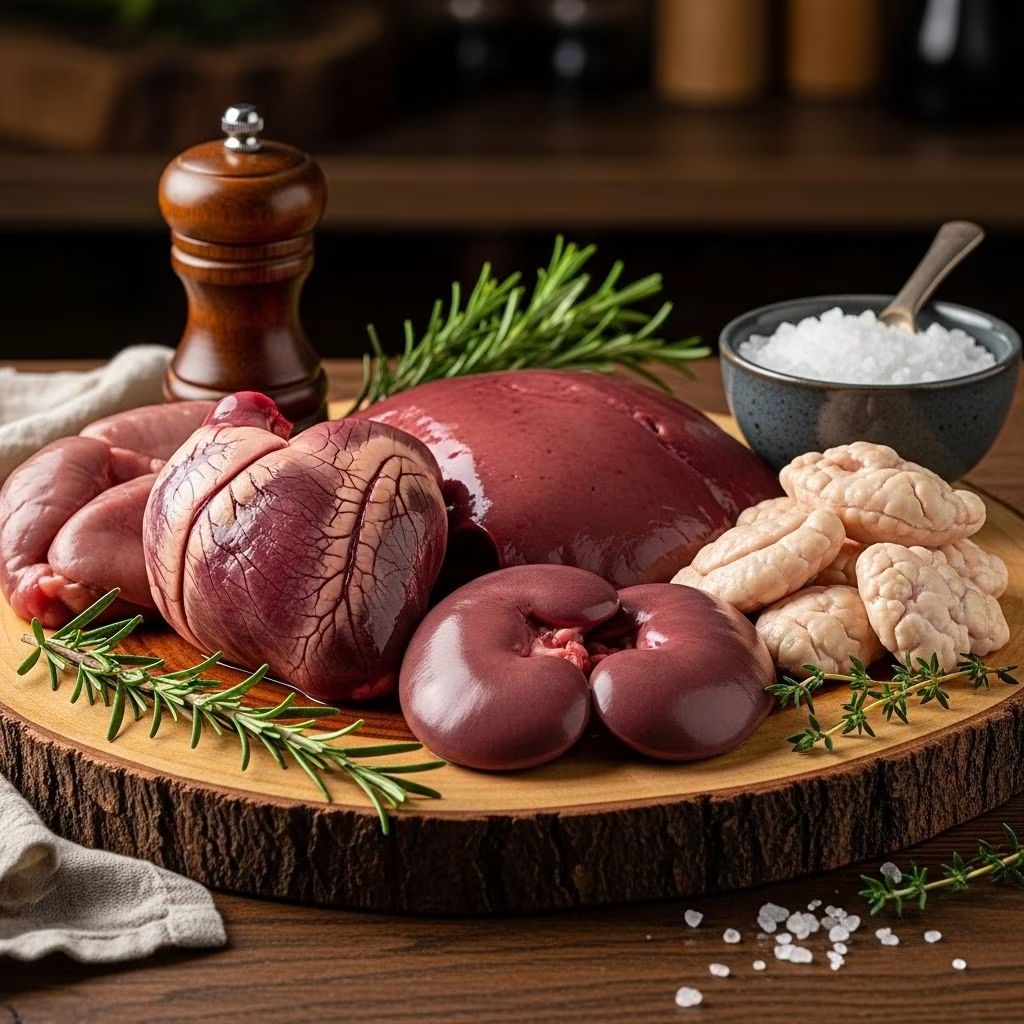
Offal—often known as organ meats, variety meats, or by names like pluck—is a culinary staple around the globe. While regarded with skepticism in some regions, offal remains an essential part of many traditional diets, celebrated for both its nutritional riches and unique flavors. This article will comprehensively explore what offal is, its historical and cultural significance, extensive benefits, culinary uses, and the distinct taste profiles that make it an enduring favorite among chefs and adventurous eaters alike.
What Is Offal?
Offal refers to the edible internal organs and entrails of butchered animals, encompassing a wide variety of parts outside the prime muscle cuts most familiar in Western cuisine . Originating from the term meaning “off all” or “waste” in early German, it has evolved to represent a complex collection of nutrient-dense and culinarily significant foods . While the precise list of offal parts varies by region and tradition, the main principle remains: offal includes everything edible that is not primary skeletal muscle or bone.
Key Characteristics of Offal:
- Comprises a wide range of animal organs, including liver, heart, tongue, kidneys, brains, and intestines
- May also include by-products such as blood and certain fats
- Used for both direct consumption or as an ingredient in sausages, pâtés, and more
- Rich in nutrients and, when prepared correctly, highly flavorful
- Culturally significant: can be a delicacy, festive food, or daily staple
Types of Offal
Offal can be sourced from various animals, notably beef, veal, pork, lamb, and poultry. Some offal items like tripe or liver are common in many cuisines, while others are specific to certain regions.
| Animal | Primary Offal Parts | Notable Culinary Uses |
|---|---|---|
| Beef/Veal | Liver, tripe, kidney, heart, brain, tongue, sweetbreads (thymus/glands), marrow, oxtail, cheek | Stews, pâtés, braised dishes, grilled sweetbreads |
| Pork | Liver, kidney, heart, intestines, ears, trotters (feet), blood | Sausages, black pudding (blood sausage), headcheese, fried dishes |
| Lamb/Mutton | Liver, kidney, heart, lungs, feet, tongue, brains | Haggis, grilled or pan-fried kidneys, stews, curries |
| Poultry | Liver, gizzard, heart, neck | Liver pâté, giblet gravy, confit |
Popular Offal Items Explained:
- Liver: Perhaps the most widely consumed offal, prized for its nutrient density and versatility across cuisines.
- Heart: A firm, lean, and flavorful muscle, often grilled or incorporated in stews.
- Kidney: Known for its distinctive taste, often featured in British, French, and Chinese recipes.
- Sweetbreads: The thymus or pancreas gland, renowned in French cuisine for its delicate flavor and creamy texture.
- Tripe: The stomach lining, found in hearty stews and soups worldwide (e.g., Mexican menudo, French tripes à la mode de Caen).
- Tongue: Used in many culinary traditions, slow-cooked and sliced for sandwiches or tacos.
- Intestines: Common sausage casings; served as chitterlings, isaw (Philippines), or tripas (Mexico).
- Blood: An ingredient in black pudding, blood tofu, or soups in Southeast Asia and Europe.
Cultural and Historical Perspectives
Offal consumption has deep historical roots, tracing back to early hunter-gatherer societies that valued the entire animal. In many traditional cultures, nose-to-tail eating was a necessity, maximizing nutrition and minimizing waste .
Across continents, offal has long formed both the foundation of peasant cooking and the highlight of haute cuisine:
- Europe: French chefs create delicacies like foie gras (fatty duck or goose liver), pâtés, and sweetbreads.
- Scotland: Haggis—a national dish—uses a mix of sheep’s organ meats, oatmeal, and spices.
- Asia: Chinese and Southeast Asian cuisines frequently use hearts, livers, kidney, intestines, and blood in stir-fries, soups, and snacks.
- Latin America: Dishes such as Mexican menudo (tripe soup) and Peruvian anticuchos (beef heart skewers) are widely celebrated.
- United States: Regional traditions include fried chicken livers in the South, chitterlings, and organ meats in ethnic enclaves.
The attitude toward offal is complex; revered in some places, considered a marker of poverty or avoided on religious or cultural grounds in others.
Nutritional Value and Health Benefits
Offal stands out as one of the densest sources of essential nutrients available in any diet. Many organ meats are far more concentrated in vitamins and minerals compared to traditional muscle meats .
Key Nutritional Highlights:
- High in protein: Supports muscle development and satiety.
- Rich in essential vitamins: Liver is notably high in vitamin A, B12, folate, and riboflavin.
- Mineral powerhouse: Abounds in iron (especially heme iron, easily absorbed), zinc, copper, selenium, and phosphorus.
- Contains healthy fats: Including cholesterol, which is essential in moderation for hormone balance and cellular function.
- Coenzyme Q10 (CoQ10): Found in heart, benefiting heart health and cellular energy production.
| Organ | Calories | Protein (g) | Iron (mg) | Vitamin A (IU) | Vitamin B12 (mcg) |
|---|---|---|---|---|---|
| Beef Liver | 135 | 20 | 6.2 | 16,898 | 70.6 |
| Chicken Heart | 185 | 26 | 7.6 | 198 | 7.3 |
| Pork Kidney | 99 | 16.9 | 4.7 | 24 | 23.6 |
| Lamb Sweetbreads | 223 | 16 | 2.6 | 111 | 2.9 |
Note: Values are approximate; consult detailed nutrition sources for specifics.
Core Benefits of Consuming Offal:
- Nutrient Density: Provides micronutrients critical for energy, cognition, and immune health.
- Sustainable Nutrition: Utilizes more of the animal, reducing waste and environmental impact.
- Affordable Protein: Organ meats are often cheaper (and just as nutritious, if not more so) than conventional cuts.
- Functional Benefits: Some organ meats are traditionally associated with health outcomes, such as improved fertility, vision, recovery from anemia, or heart health (from consuming heart and liver).
Culinary Uses and Cooking Methods
Offal can be intimidating to newcomers, but its preparation and flavor rewards the adventurous. Culinary traditions worldwide show endless creativity in transforming organ meats into delicacies, everyday comforts, and festive foods.
Popular Cooking Techniques:
- Grilling/Broiling: Tongue, heart, and skewered offal (such as anticuchos) are often cooked over high heat for a charred exterior and tender interior.
- Braising/Stewing: Tougher cuts like tripe, oxtail, or lungs benefit from slow cooking in liquid, which develops depth of flavor and tenderness.
- Sautéing/Pan-frying: Liver and kidneys, when cut thin and quickly cooked, deliver rich, moist bites.
- Steaming/Boiling: Essential for brains, tongues, or intestines before further crisping or seasoning.
- Baking: Organ pies, pâtés, and terrines feature offal bound in pastry or fat for richness.
- Sausage Making: Blood, intestines, hearts, and livers are essential ingredients in dozens of sausage varieties.
Culinary Classics Featuring Offal:
- Foie Gras: Luxurious duck or goose liver from France.
- Haggis: Scottish dish mixing sheep’s organs, oatmeal, and spices, cooked in a stomach casing.
- Menudo: Mexican soup featuring tripe in a spicy, hearty broth.
- Chopped Liver: Classic Jewish dish, usually made from chicken livers, onions, and seasonings.
- Chitterlings: Fried or stewed pork intestines in soul food cuisine.
- Sweetbread Dishes: Grilled, crusted, or served in creamy sauces in French and Italian cooking.
- Beef Tongue Tacos: A staple in Mexican and Latin American cuisine, slow-cooked tongue, sliced, and served with salsas.
- Headcheese: Jellied terrine made from the head meats of pigs or calves.
The Taste of Offal: What to Expect
One of the great appeals (and sometimes deterrents) of offal is its distinctive array of textures and flavors. Contrary to the misconception of uniform off-flavors, each organ is unique:
| Organ | Taste | Texture | Notable Culinary Pairings |
|---|---|---|---|
| Liver | Rich, mineral, slightly bitter when overcooked | Firm, creamy when cooked quickly | Onion, wine, herbs |
| Heart | Beefy, slightly gamey, mild | Dense, tender when grilled or braised | Cumin, citrus, peppers |
| Kidney | Robust, distinctive, ‘earthy’ flavor | Smooth, firm, can be chewy | Mustard, vinegar, aromatic herbs |
| Tripe | Bland, soaks up flavors of broth or sauce | Rubbery, slightly chewy, softens with long cooking | Chile, tomato, pungent spices |
| Brain | Subtle, creamy, mild sweet taste | Delicate, soft, almost custard-like | Lemon, herbs, capers |
| Tongue | Gentle, beefy, rich | Tender when simmered; easily sliced | Salsa, garlic, pickled condiments |
| Sweetbread | Mild, nutty, creamy flavors | Velvety, crisp when pan-seared | Lemon, white wine, butter |
Sustainability and Environmental Impact
Eating offal is a form of responsible, nose-to-tail eating—reducing food waste and maximizing the value obtained from every animal . By embracing offal, consumers and chefs acknowledge a more ethical model of eating, with lower environmental impact per calorie and nutritional unit produced.
- Reduces landfill waste from animal carcasses
- Supports sustainable food systems and smaller-scale production
- Offers affordable, nutritious food to communities
Safety and Preparation: What to Know
As with any perishable foods, proper handling and cooking is essential to enjoy offal safely:
- Buy from reputable sources or trustworthy butchers.
- Use offal shortly after purchase; most organs are highly perishable.
- Soak or blanch organs such as sweetbreads, brain, or kidneys to improve texture and remove impurities.
- Avoid overcooking organs like liver and sweetbreads to preserve tenderness and flavor.
- Ensure thorough cooking of organs like intestines and tripe to reduce risk of foodborne illness.
- Consult local guidelines regarding offal consumption for children, pregnant women, or those with particular health concerns (e.g., cholesterol sensitivity).
Frequently Asked Questions (FAQs)
What are the healthiest kinds of offal?
Beef and chicken liver, heart, kidney, and sweetbreads are among the most nutrient-dense and commonly recommended organ meats for their high levels of essential vitamins and minerals.
Is offal safe to eat?
Yes, when sourced from healthy animals, handled properly, and cooked sufficiently. As with any food, care should be taken to avoid contamination and spoilage.
Why does offal taste ‘strange’ to some people?
Strong mineral or metallic notes in offal come primarily from its high concentration of nutrients, especially iron and B vitamins. Preparation technique and freshness greatly affect the final flavor. Starting with milder cuts or using strong seasonings can help newcomers enjoy offal.
Is eating offal environmentally friendly?
Yes. Eating offal promotes a zero-waste approach to meat consumption, making livestock rearing more sustainable by maximizing edible output per animal.
How do I introduce offal into my diet?
Start with less strongly flavored organs like tongue, sweetbreads, or heart. Use recipes that combine offal with vegetables, grains, or robust sauces to balance the flavors.
Conclusion
Offal represents a rich tradition of resourcefulness and culinary mastery. With its nutritional power, affordable versatility, and historical roots, it demands a place on tables worldwide. Whether you’re drawn to classic comfort foods or the world’s most celebrated delicacies, exploring offal offers an opportunity to rediscover the full flavor—and value—of the animals we eat.
References
- https://www.britannica.com/topic/offal
- https://en.wikipedia.org/wiki/Offal
- https://opentextbc.ca/meatcutting/chapter/offal-variety-meats/
- https://discover.grasslandbeef.com/blog/what-is-offal/
- https://hunterandgatherfoods.com/blogs/real-food-lifestyle/your-complete-guide-to-offal
- http://www.renderfoodmag.com/blog/2014/7/26/a-basic-bitchs-guide-to-offal
- https://www.vocabulary.com/dictionary/offal
- https://www.elevatedentaldayton.com/are-organ-meats-and-offal-healthy-to-eat/


