


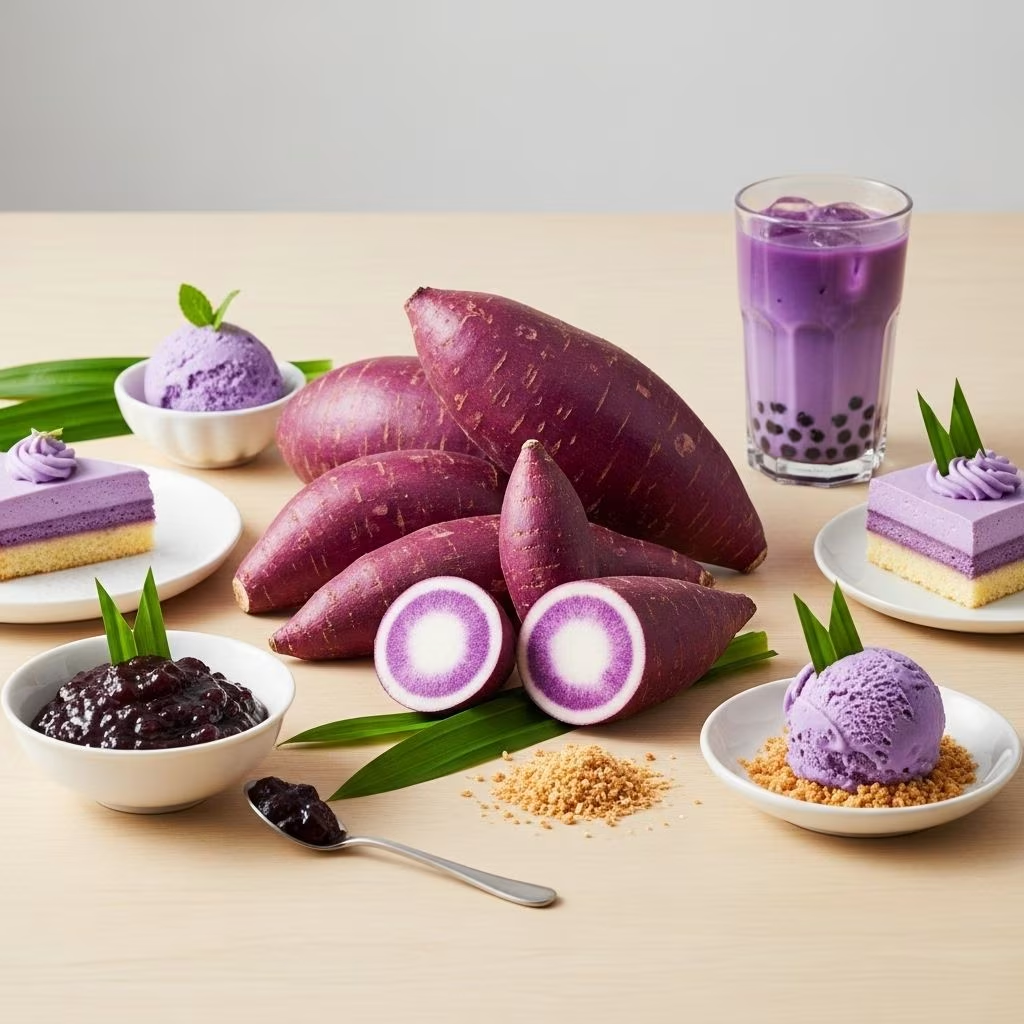
Ube, with its signature vivid purple hue, is more than a trending ingredient—it’s an ancient staple in Filipino cuisine and culture. But what exactly is ube? What makes it so nutritionally appealing, and why has it captured the attention of food lovers worldwide? This comprehensive guide dives deep into ube’s origins, health benefits, versatile uses, and the irresistible taste that has inspired everything from ancestral desserts to modern confections.
What Is Ube?
Ube (pronounced OO-beh) refers to the underground tuber of the species Dioscorea alata, widely known as purple yam. Native to Southeast Asia, especially the Philippines, ube is celebrated for its vibrant violet color, distinctly sweet flavor, and important role in Filipino desserts.
Some essential facts about ube include:
- Botanical Name: Dioscorea alata
- Family: Yam family (Dioscoreaceae)
- Other Names: Water yam, winged yam, violet yam
- Native Region: Southeast Asia, prominently the Philippines
Ube is particularly known for its use in ube halaya (ube jam), which forms the foundation of numerous beloved Filipino sweets.
History and Origins of Ube
Ube’s roots stretch back centuries in the Philippines. The first recorded mention of “ube” appears in a 1613 Tagalog-Spanish dictionary, listing it as a type of sweet potato. Over time, further botanical study classified it as a yam, distinguishing it from sweet potatoes entirely.
Ube has grown intertwined with Filipino culture, valued in both daily fare and ceremonial feasts. It became especially significant during the periods of Spanish and American colonial rule, integrating influences yet always remaining central to Filipino culinary identity.
Some highlights:
- Ancient staple: Enjoyed in Filipino homes for centuries, predating its Western “trend” status.
- Cultural symbolism: Used in festive dishes, symbolizing celebration and abundance.
- Adaptation: Colonial influences led to the invention of now-iconic treats such as ube halaya and ube ensaymada (a Spanish-inspired brioche topped with ube jam).
Today, ube is celebrated in diaspora communities globally as a delicious connection to Philippine heritage.
Ube vs. Other Purple Tubers: Key Differences
It is common to confuse ube with other well-known purple tubers, especially Okinawan sweet potatoes and taro, due to their similar colors. However, differences abound:
| Feature | Ube (Purple Yam) | Okinawan Sweet Potato | Taro |
|---|---|---|---|
| Scientific Name | Dioscorea alata | Ipomoea batatas | Colocasia esculenta |
| Family | Yam (Dioscoreaceae) | Morning Glory (Convolvulaceae) | Arum (Araceae) |
| Color | Deep purple throughout | Pale lavender to purple inside, tan skin | White or lavender with purple streaks |
| Texture | Moist, starchy, dense | Fluffy, drier, firm | Slimy when cooked, soft |
| Main Culinary Uses | Desserts (jams, ice cream, cakes) | Savory & sweet (mashed, fries, pies) | Savory (poi, soups, stews) |
One of the most distinct characteristics of ube, especially compared to sweet potato, is its earthy-yet-vanilla flavor and naturally vibrant purple color attributed to its high anthocyanin content.
Nutritional Profile and Health Benefits of Ube
Ube isn’t just visually stunning—it’s nutritionally impressive too. Its purple color comes from anthocyanins: powerful antioxidants that may help protect against various diseases. Below are some key health benefits and nutritional facts about ube:
- Rich in antioxidants: High anthocyanins support cardiovascular health, reduce inflammation, and combat free radicals.
- Good source of carbohydrates: Provides energy for daily activities.
- Contains dietary fiber: Supports digestive health and may contribute to feelings of fullness, promoting weight management.
- Low in fat: Naturally low-fat, making it a heart-friendly option.
- Vitamins and minerals: Provides vitamin C, vitamin E, potassium, and small amounts of calcium and iron.
Below is a nutritional snapshot for one cup (approximately 140 grams) of cooked ube (values may vary based on growing conditions):
| Nutrient | Amount |
|---|---|
| Calories | 140 kcal |
| Carbohydrates | 27 g |
| Fiber | 4 g |
| Protein | 1 g |
| Fat | 0 g |
| Vitamin C | 20% of Daily Value (DV) |
| Potassium | 13% of DV |
| Calcium / Iron | 3% / 4% of DV |
Regularly incorporating ube into your diet can add nutritional variety while offering potential protective health effects.
Culinary Uses of Ube: Traditional and Modern
Ube is a culinary chameleon—its mild sweetness and vivid coloring lend themselves equally to long-standing Filipino traditions and inventive, modern twist. Here are some of the most popular uses:
- Ube Halaya (Ube Jam): The foundation of countless ube desserts; made by simmering grated or mashed ube with sweetened condensed milk and butter.
- Halo-halo: An iconic Filipino shaved ice dessert layered with ube halaya, sweet beans, fruit, flan, and evaporated milk.
- Ube Ice Cream: Creamy, pastel-purple, and a favorite in both Asia and the West.
- Ube Cakes and Breads: Used as a flavor and color in sponge cakes, rolls (like ube ensaymada), donuts, and even pancakes.
- Modern fusion: Ube now appears in everything from lattes and cocktails to mochi, cheesecakes, and even burgers.
Beyond desserts, ube can also join the savory world: mashed into spreads, cooked into soups, or even transformed into gnocchi. Its unique texture and color appeal to adventurous cooks and pastry chefs alike.
Iconic Ube-Based Filipino Desserts
- Ube Halaya: Thick, dense purple jam—traditionally enjoyed as is or as a filling/topping.
- Ube Macapuno Cake: Fluffy cake with sweet coconut strips and ube-flavored sponge.
- Ube Hopia: Flaky pastry filled with sweet ube paste.
- Ube Pandesal: Filipino breakfast bread colored and flavored with ube, sometimes filled with cheese.
What Does Ube Taste Like?
The taste of ube is often described as:
- Sweet but not cloying—think of a cross between vanilla, pistachio, and mild coconut.
- Earthy, with a subtle nuttiness that distinguishes it from more sugary-tasting sweet potatoes.
- Creamy and rich in both flavor and mouthfeel, though the texture (when cooked) is moist and slightly starchy.
Its natural fragrance and lingering sweetness make it a favorite ingredient both in pure jams and eye-catching fusion desserts.
Buying, Storing, and Preparing Ube
Ube is available in various forms—from fresh roots to frozen, dehydrated, pureed, or even powdered. Here’s how to select and work with it:
- Fresh ube: Has a thick, bark-like skin and deep purple flesh. Peel and boil or steam before mashing or grating. Availability can be limited outside Asia.
- Frozen grated ube: Widely available in Filipino or Asian groceries—simply thaw and cook.
- Ube powder or extract: Convenient for baking and infusing vibrant flavor into desserts and drinks.
Storage Tips:
- Fresh ube can be stored unpeeled in a cool, dark place for several days.
- Once cooked, refrigerate and use within 3–5 days.
- Ube halaya or jam keeps well in the refrigerator for up to a week or can be frozen for longer storage.
Frequently Asked Questions (FAQs)
Q: Is ube the same as taro or purple sweet potato?
A: No, while they all share a purple hue, ube is a true yam (Dioscorea alata), while taro and purple sweet potatoes are unrelated species with different textures and flavors.
Q: How healthy is ube compared to sweet potatoes?
A: Ube is rich in antioxidants but has a higher glycemic index and fewer vitamins A and C than orange sweet potatoes. Both provide fiber and nutrients beneficial for health.
Q: Why is ube so purple?
A: Ube’s distinct color comes from high concentrations of anthocyanins—antioxidant pigments also found in blueberries and purple cabbage, known for their health-promoting properties.
Q: What are some easy ways to try ube at home?
A: Start with store-bought ube halaya or extract—add to pancakes, smoothies, yogurts, or even swirl into vanilla ice cream for a flavor boost and vibrant color.
Q: Does ube have any allergens?
A: Ube itself is not a known allergen; however, processed ube products may contain milk or other ingredients, so always check labels.
Conclusion: Ube’s Place in Modern Food Culture
Ube has experienced a meteoric rise from a traditional Filipino staple to an international culinary icon. Its stunning color, unique flavor, and adaptability make it a favorite among chefs and home cooks alike. More importantly, ube’s global popularity has shined a spotlight on the rich traditions of Filipino cuisine, inviting new audiences to discover and celebrate its vibrant heritage. Whether in a simple jam enjoyed with family or a dazzling dessert shared online, ube’s charm is truly universal.


