


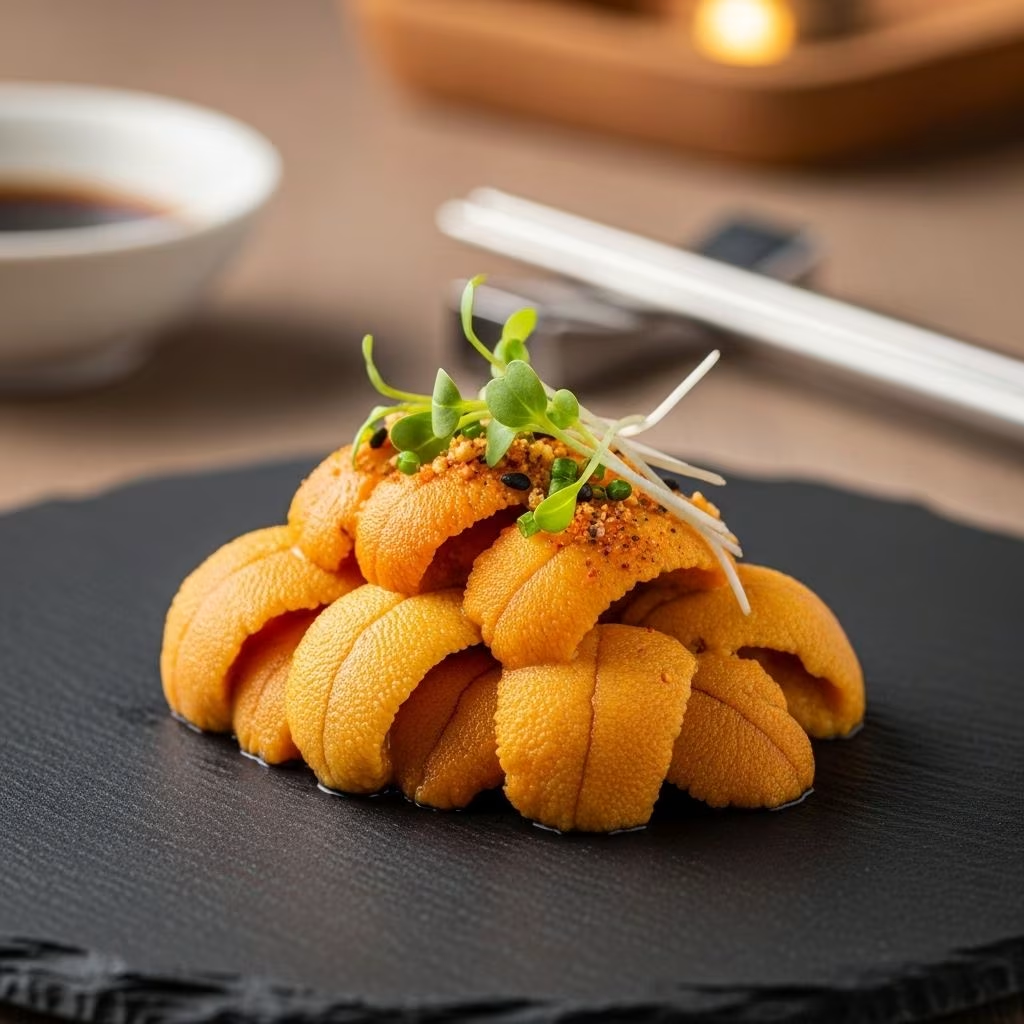
Uni, the Japanese word for sea urchin, is an ocean delicacy prized across the globe for its creamy texture, distinctive taste, and versatility in cuisine. Though uni often refers specifically to the edible gonads of sea urchins, it has become a culinary sensation beyond its native coastal origins. This article extensively explores what makes uni so coveted, its nutritional profile, diverse culinary uses, and the sensory experience that has captivated food enthusiasts and chefs worldwide.
What Is Uni?
Uni refers to the edible gonads (sometimes called “roe,” although this is technically inaccurate) of various sea urchin species. These small, spiky creatures inhabit rocky ocean floors in temperate and tropical regions. The part consumed is a vibrant orange to yellow “tongue-shaped” lobe found within the hard shell. Only about 10% of the sea urchin’s body is edible, making uni a delicacy both due to its flavor and rarity.
In culinary contexts, “uni” often specifically denotes the gonads of the Japanese species Paracentrotus lividus and Strongylocentrotus intermedius, but there are over 950 species of sea urchin globally.
History and Cultural Significance
Sea urchins have been consumed for thousands of years, with culinary traditions dating back to ancient Greece and Rome, where they were considered an aphrodisiac and served at banquets for nobility. In Japan, uni is revered in kaiseki (traditional multi-course) cuisine and sushi culture. It’s also prominent along the Mediterranean coast, in regions like Italy, France, and Spain. Coastal communities worldwide have incorporated sea urchin into local diets, with regional specialties making use of its intense, briny taste.
As global trade and fine dining have expanded, uni has become a sought-after ingredient in high-end restaurants, fusing East Asian, European, and American gourmet traditions.
Nutritional Value and Health Benefits
Uni is not only a delicacy but a nutritional powerhouse containing:
- High-quality protein for muscle repair and energy
- Beneficial omega-3 and omega-6 fatty acids that support heart and brain health
- Vitamins A, C, and E—powerful antioxidants that aid immunity and skin health
- Important minerals, such as zinc, iron, calcium, and magnesium
- Essential amino acids and trace elements
These nutrients support cardiovascular function, help reduce inflammation, promote healthy skin, and provide an energy boost with each serving. Uni is also low in calories (about 120 per 100 grams), making it suitable for many diets. Its high zinc content is linked to immune function and reproductive health, while omega-3s contribute to lowering cholesterol and maintaining a healthy nervous system.
How Uni Is Harvested
Harvesting sea urchins is a delicate and labor-intensive process. Divers collect wild urchins from rocky seabeds, primarily in shallow coastal waters. The process must be done by hand to prevent damaging the fragile shell and the prized gonads inside. Overharvesting has threatened some regional populations, prompting stricter regulations and a greater focus on sustainable aquaculture. Japan, the United States (California and Maine), Canada, Chile, and Mediterranean countries are among the largest producers and exporters of uni.
Culinary Uses of Uni
Uni’s reputation as a gourmet ingredient is rooted in its versatility and ability to elevate both simple and complex dishes. Traditional and modern recipes highlight its unique texture and umami character:
- Sushi and Sashimi: Uni is most famously served raw atop sushi rice (as uni nigiri) or as sashimi. Its creamy lobe draped over hand-formed rice or enjoyed alone celebrates the purity of the ingredient.
- Pasta Dishes: In Italy, sea urchin is often folded into linguine or spaghetti to create rich, oceanic sauces. The creamy uni melds with olive oil, garlic, and lemon for a classic Sicilian or Neapolitan dish.
- Risotto and Rice: Sea urchin risotto combines the briny sweetness of uni with the creaminess of Arborio rice, sometimes topped with fresh uni as a garnish.
- Soups and Stews: Sea urchin can enrich seafood broths and bisques, adding body and flavor depth.
- Modern Fusion Dishes: From ceviche (marinated in lime and herbs) to creative salads with tropical fruit, contemporary chefs use uni in innovative ways that bridge Japanese, Mediterranean, and global cuisines.
- Bruschetta and Toast: Smeared on grilled bread with olive oil, sea urchin offers an elegant appetizer or bar snack, especially along Mediterranean coasts.
- Gourmet Sauces: Uni is sometimes puréed into velvety sauces for seafood and pasta or as an accent to steak and eggs.
| Dish Name | Region of Origin | Key Ingredients |
|---|---|---|
| Uni Nigiri (Sushi) | Japan | Uni, sushi rice, nori seaweed |
| Spaghetti ai Ricci di Mare | Italy (Sicily/Naples) | Sea urchin, spaghetti, garlic, olive oil |
| Uni Risotto | Italy | Sea urchin, Arborio rice, white wine, Parmesan |
| Sea Urchin Ceviche | Peru/Japan Fusion | Uni, lime juice, onion, shiso, jicama |
| Sea Urchin Tartare | France | Uni, olive oil, lemon, herbs, toast |
| Sea Urchin Soup | Mediterranean | Sea urchin, fish stock, onion, potato |
Innovative and Modern Uses
- Crispy sea urchin risotto croquettes
- Uni-mayo or butter as a topping for steak or fresh vegetables
- Sea urchin salad with diced mango, pineapple, and avocado with a lime-ginger dressing
- Sea urchin fritters with lemon-herb dips
- Sea urchin cream soup with black pepper croutons
- Pairing uni with roasted or pureed cauliflower to balance flavor
What Does Uni Taste Like?
The taste of uni is an experience unlike any other seafood. Uni is celebrated for its:
- Creamy and buttery texture that melts against the palate
- Unique balance of delicate sweetness and brine, often described as evocative of the ocean
- Umami richness, with subtle notes of iodine, nuttiness, and minerality
- Aroma that ranges from fresh sea spray to honeyed tones
High-quality uni should never taste fishy or sour. The most prized grades are subtly sweet, nutty, and have an extraordinarily smooth mouthfeel. Inferior or poorly handled uni may taste strong, bitter, or ammoniac. The sensory experience may polarize diners—some adore its decadence, while others are taken aback by its intensity.
How to Eat and Pair Uni
Whether you’re a sushi enthusiast or a home cook, enjoying uni at its best involves careful preparation and thoughtful pairing:
- Always serve uni chilled and fresh. Squeeze a drop of lemon or drizzle a hint of olive oil to enhance sweetness without masking flavor.
- Pair uni with crisp, dry white wines, sake, or chilled Champagne to balance its richness.
- For main courses, use the creamy uni as a sauce by blending with butter and tossing through pasta or spooned on risotto.
- Pair it with components that contrast or complement its texture, such as crunchy vegetables, toasted bread, or mild cheeses.
- Sample uni alongside other raw seafood like scallop or sweet shrimp for an oceanic tasting experience.
Buying and Storing Uni
- Choose firm, brightly colored lobes with a pleasant sea aroma.
- Eat as soon as possible after purchase; fresh uni loses quality rapidly.
- Keep refrigerated and consume within 24–36 hours of harvesting or buying for peak flavor.
- Frozen or pasteurized uni products exist but may lack the coveted fresh taste and texture.
- Due to shipping times and careful handling, high-grade uni can be expensive—it is often reserved for special occasions or fine dining.
Potential Risks and Considerations
- As with all raw seafood, uni should be sourced from reputable suppliers to avoid contamination or foodborne illness.
- Allergic individuals (especially those with shellfish allergies) should avoid uni.
- Overharvesting has become a concern in some regions. Look for uni harvested sustainably or from verified aquaculture sources.
Frequently Asked Questions (FAQs)
Q: What part of the sea urchin can you eat?
A: Only the gonads (sometimes called roe) inside the shell are edible. These are the tongue-shaped, orange to yellow lobes arranged in a star pattern.
Q: Is uni safe to eat raw?
A: Yes, as long as it is sourced from fresh, reputable suppliers. Most uni is served raw to preserve its texture and flavor. Like all raw seafood, there are minor risks which proper sourcing and rapid consumption minimize.
Q: Why is uni so expensive?
A: Only a small portion of each sea urchin is edible, harvesting is labor-intensive, and maintaining quality requires rapid, specialized handling. Imports and high demand for top grades also drive up costs.
Q: Can you cook uni?
A: While most prized served raw, uni can be lightly cooked or puréed into sauces, pasta, or creamy dishes. Overcooking can destroy its delicate texture and taste, so minimal cooking is best.
Q: How do you know if uni is high quality?
A: High-grade uni should look plump and moist, have a bright color, smooth texture, light oceanic aroma, and a sweet, clean flavor. Avoid if there is any pungent odor or sliminess.
Conclusion
Uni (sea urchin) is a truly exceptional ingredient, coveted for its briny sweetness, buttery texture, and unique oceanic essence. Its nutritional profile makes it both indulgent and healthful, while its role in global cuisines—from sushi to pasta—reflects a rich history and endless innovation. For those seeking new culinary horizons or the flavors of the sea at their purest, uni stands as a singular, unforgettable experience to savor.
References
- https://www.shoplongino.hk/food-insights/gourmet-recipes-with-sea-urchin
- https://www.foodandwinegazette.com/5576
- https://norecipes.com/sea-urchin-ceviche-recipe/
- https://www.greatbritishchefs.com/how-to-cook/how-to-cook-with-sea-urchin
- https://cookingwithcheftuan.com/blog/f/new-and-imaginative-delicious-uni-sea-urchin-pasta-recipe


