


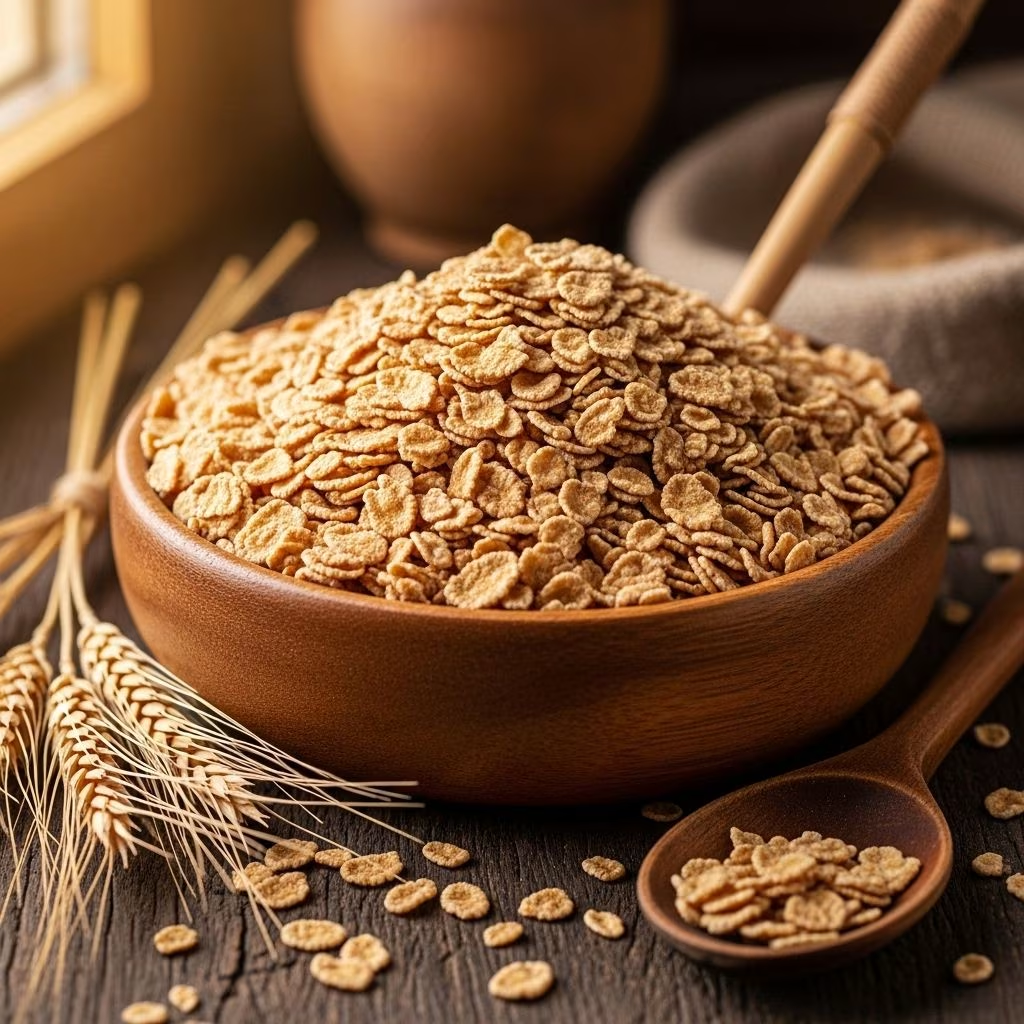
What Is Wheat Bran? Benefits, Uses, and Taste
Wheat bran is the outer layer of the wheat kernel, often valued for its exceptional nutritional profile and health-promoting properties. This comprehensive guide explores what wheat bran is, its rich nutrient content, health benefits, common culinary applications, and unique taste characteristics. The table of contents below will help you quickly locate topics of interest regarding wheat bran.
Definition and Formation
Wheat bran, also called miller’s bran, is the hard outer layer of the wheat kernel, which is separated during the milling process. The wheat kernel consists of three primary parts:
- Bran: The fibrous outer shell, high in dietary fiber and nutrients.
- Germ: The reproductive part containing essential fatty acids, vitamins, and minerals.
- Endosperm: The core starch portion mainly used for white flour production.
During milling to produce refined flour, the bran is removed, resulting in a product that lacks significant fiber and nutrients found in Whole Wheat and bran-rich foods.
Nutritional Facts of Wheat Bran
Wheat bran is renowned for its impressive nutrient content, especially its high fiber concentration. Below is a detailed breakdown of nutrients found in wheat bran based on a typical 1 cup (approx. 58 grams) serving:
| Nutrient | Amount per 1 Cup (Crude) |
|---|---|
| Calories | 125 |
| Protein | 9 g |
| Total Fat | 2.5 g |
| Carbohydrates | 37.4 g |
| Dietary Fiber | 24.8 g |
| Calcium | 42 mg |
| Iron | 6.1 mg |
| Magnesium | 354 mg |
| Phosphorus | 588 mg |
| Potassium | 686 mg |
| Zinc | 4.2 mg |
| Vitamin B6 | 0.76 mg |
| Niacin | 7.88 mg |
| Folate | 45.8 mcg |
| Selenium | 45 mcg |
| Manganese | 6.67 mg |
Wheat bran is also low in calories and saturated fat while supplying a moderate amount of plant-based protein. Its most distinctive trait is the fiber content, which is among the highest of any common grain by product.
Health Benefits of Wheat Bran
Introducing wheat bran into your diet has been associated with several health advantages, primarily due to its fiber content and array of vitamins and minerals. The main benefits include:
- Promotes Digestive Health: Wheat bran’s high fiber content helps support bowel regularity, prevent constipation, and maintain optimal digestive tract function.
- Supports Healthy Weight: Low in calories but rich in fiber, wheat bran helps increase satiety, potentially aiding in appetite control and weight management.
- Improves Heart Health: Studies suggest that incorporating wheat bran may lower total cholesterol levels and reduce risk factors for cardiovascular disease due to its fiber and phytonutrients.
- Maintains Blood Sugar Stability: Consuming wheat bran slows down the absorption of sugars, helping to prevent blood sugar spikes—a boon for individuals managing diabetes.
- Boosts Energy and Immunity: The B-vitamin complex (including niacin, thiamine, and B6), along with minerals like selenium and magnesium, contribute to improved energy metabolism and immune defense.
- Supplies Antioxidants: Selenium, manganese, and zinc are key antioxidants, defending the body against oxidative stress and cell damage.
- Aids in Colon Health: Wheat bran’s insoluble fiber increases fecal bulk and may lower the risk of certain types of colon disease, including diverticulosis.
Scientific Evidence Supporting Wheat Bran Benefits
Research published in nutrition and medical journals underscores that fiber-rich wheat bran can improve regularity, support digestive health, and may help lower the risk of certain chronic diseases. Moreover, fiber intakes in most populations fall short of recommendations, which makes wheat bran an effective dietary supplement for raising fiber intake.
Culinary Uses of Wheat Bran
Wheat bran has diverse culinary applications owing to its texture, mild sweetness, and nutty flavor. Popular uses include:
- Baked Goods: Muffins, breads, cookies, and pancakes often feature wheat bran for added nutrition and fiber.
- Breakfast Cereals: Flaked or powdered wheat bran is commonly added to hot or cold cereals.
- Smoothies: Stirring wheat bran into smoothies increases their fiber and nutrient content.
- Yogurt and Salads: Sprinkle wheat bran over yogurt, fresh fruit, or salads for texture and extra nutrition.
- Meat Substitutes: Integrate wheat bran into veggie burgers or meatloaf to improve structure.
- Thickening Agent: A small amount of wheat bran can enhance the thickness of soups and stews.
Wheat bran is available at most groceries in the baking or natural food section. It’s typically sold as toasted, flaked, or powdered varieties, with each form suitable for diverse culinary preparations.
Wheat Bran Recipe Ideas
- Classic Bran Muffins: Use wheat bran as a primary ingredient for moist, fiber-rich muffins.
- Multigrain Bread: Blend bran with whole-wheat flour for taste and texture in homemade bread.
- Morning Smoothie Booster: Add two tablespoons of bran to your smoothie for a fiber boost.
- High-Fiber Pancakes: Incorporate wheat bran in pancake batter for a wholesome breakfast.
- Yogurt Parfait: Layer wheat bran with fruit and yogurt for a nutrient-packed snack.
Taste Profile of Wheat Bran
Taste: Wheat bran has a mild, nutty, and slightly sweet flavor, making it pleasant and easy to incorporate into a range of dishes. Its taste complements breads, cereals, and other baked goods.
Texture: Wheat bran is typically flaky and slightly coarse, offering a chewy texture when baked and a subtle crunch when sprinkled on cold foods. Its texture is especially valued in muffins and cereals for a hearty mouthfeel.
Pairings: The flavor profile of wheat bran works particularly well with:
- Honey, nuts, or dried fruit in baked goods
- Fresh berries or bananas in breakfast bowls
- Whole grain breads with seeds or oats
Wheat Bran vs. Other Wheat Products
To better understand wheat bran, it’s helpful to compare it with other wheat kernel components:
| Product | Description | Key Nutrient | Typical Use |
|---|---|---|---|
| Wheat Bran | Outer layer of wheat kernel | Fiber, B vitamins, minerals | Baked goods, cereals, supplementation |
| Wheat Germ | Embryo of wheat kernel | Vitamins, minerals, essential oils | Sprinkled on cereals, smoothies, added to baking |
| Endosperm (Refined Flour) | Starchy middle section | Carbohydrates | Bread, pasta, standard flour products |
Compared to wheat germ, wheat bran is notably richer in fiber while having a slightly different balance of vitamins and minerals. Wheat bran is particularly recommended for increasing daily fiber intake.
Potential Side Effects and Considerations
Wheat bran is generally safe for most people, but certain considerations should be kept in mind:
- Digestive Effects: The high fiber can cause bloating or gas if consumed in large amounts, especially in those not used to a high-fiber diet.
- Allergen Warning: Wheat bran contains gluten and should be avoided by individuals with celiac disease or wheat allergy.
- Interaction with Medication: High fiber can interact with absorption of some drugs, so consult your healthcare provider if you take medication regularly.
- Phytate Content: Wheat bran is high in phytates, which can reduce mineral absorption. A balanced diet can mitigate this effect.
Gradually introducing wheat bran and consuming plenty of fluids can minimize digestive discomfort.
How to Add Wheat Bran to Your Diet
Incorporating wheat bran into your routine can be both easy and rewarding. Here are practical tips for usage:
- Start Small: Begin with 1–2 tablespoons per day to allow your digestive system to adjust.
- Increase Gradually: As your body adapts, incrementally raise your intake to the recommended 20–30 grams of fiber a day.
- Combine with Other Foods: Mix wheat bran with yogurt, cereals, or blend into batters for pancakes and breads.
- Avoid Excess Sugar: Choose pure wheat bran over sugar-loaded commercial bran cereals for maximum health benefit.
- Drink Plenty of Water: Sufficient fluid intake is essential to prevent constipation when increasing dietary fiber.
People with specific dietary needs, allergies, or chronic digestive conditions should consult a dietitian before making major changes to their fiber intake.
Frequently Asked Questions (FAQs)
Q: What is the recommended daily amount of wheat bran?
A: The recommended amount varies depending on individual dietary needs, but gradually increasing wheat bran up to around 20–30 grams of fiber per day is generally suggested for adults.
Q: Can wheat bran help with constipation?
A: Yes, wheat bran is a concentrated source of insoluble fiber, which aids bowel regularity and is often recommended for constipation relief.
Q: Is wheat bran suitable for people with gluten intolerance?
A: No, wheat bran contains gluten and should be strictly avoided by those with celiac disease or gluten allergies.
Q: Does wheat bran impact the flavor of baked goods?
A: Wheat bran imparts a mild, nutty, and slightly sweet flavor, enhancing texture while making baked goods heartier.
Q: Which is better for fiber—wheat bran or wheat germ?
A: Wheat bran has about three times more fiber per serving than wheat germ, making it the superior choice for fiber enrichment.
Conclusion
Wheat bran plays a valuable role in modern nutrition, offering a nutrient-rich supplement with remarkable digestive, cardiovascular, and metabolic benefits. Its mild, nutty taste and adaptability in various recipes make it easy to incorporate into daily dietary habits. By choosing pure wheat bran and gradually increasing fiber intake, individuals can enjoy improved health, enhanced satiety, and delicious meals.
References
- https://draxe.com/nutrition/wheat-bran-nutrition/
- https://www.healthline.com/nutrition/wheat-bran
- https://www.urmc.rochester.edu/encyclopedia/content?contenttypeid=76&contentid=20077-1
- https://pmc.ncbi.nlm.nih.gov/articles/PMC3507301/
- https://tools.myfooddata.com/nutrition-facts/169722/wt1
- https://www.nutritionvalue.org/Wheat_bran,_crude_nutritional_value.html
- https://www.webmd.com/vitamins/ai/ingredientmono-867/wheat-bran


