


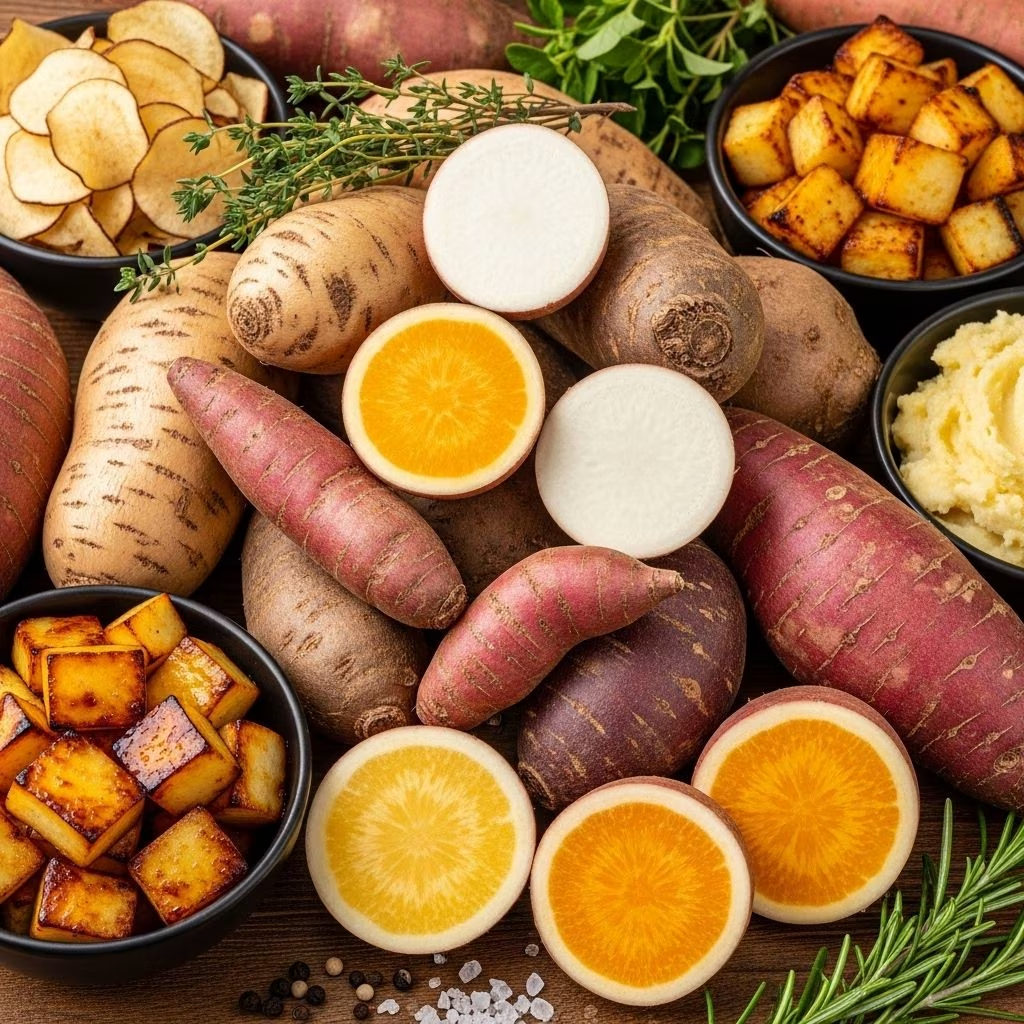
What Is Yam (Root/Tuber)? Benefits, Uses, and Taste
Yams, celebrated for their starchy texture, rich nutritional value, and culinary flexibility, are vital staple foods in many cultures. Despite frequent confusion with sweet potatoes, yams are a unique group of perennial tuberous plants belonging to the genus Dioscorea. This comprehensive guide explores everything you need to know about yams—their botanical identity, nutritional and health benefits, traditional and modern uses, taste profile, and much more.
What Are Yams?
Yams are edible starchy tubers from several plant species in the genus Dioscorea, distinct from potatoes and sweet potatoes. These perennial, climbing plants develop underground stem tubers that are a vital food source in many parts of the world, particularly in Africa, Asia, the Caribbean, and Oceania.
Yams thrive in warm, humid climates and are cultivated both for nutrition and cultural traditions. More than 600 species exist, but only a handful—like Dioscorea alata (purple yam), Dioscorea rotundata (white yam), and Dioscorea bulbifera (air potato)—are widely grown for food.
Botanical Classification and Common Yam Species
- Family: Dioscoreaceae
- Genus: Dioscorea
- Type: Perennial monocot (plants with a single embryonic leaf)
| Common Name | Scientific Name | Key Traits / Regions |
|---|---|---|
| Purple Yam | Dioscorea alata | Vivid purple flesh, Asia, Oceania, Caribbean |
| White Yam | Dioscorea rotundata | Main staple in West Africa, creamy white flesh |
| Yellow Yam | Dioscorea cayenensis | Yellowish flesh, West Africa, Caribbean |
| Air Potato | Dioscorea bulbifera | Aerial tubers, Southeast Asia and Africa |
| Lesser Yam | Dioscorea esculenta | Smaller tubers, India and Southeast Asia |
Physical Characteristics and Identification
Yam plants are recognized by these main features:
- Vines: Twining, climbing stems that may reach up to several meters in length.
- Leaves: Generally heart-shaped (cordate) with parallel veins, arranged alternately or oppositely.
- Tubers: Thick, cylindrical to rounded stem tubers developing underground, often with rough, bark-like skin.
- Flowers: Small, greenish, or yellow, produced in long clusters; unisexual (male and female flowers on separate plants or flowers).
How Yams Grow
Propagation mostly relies on planting sections of the tuber, called “seed yams”—these contain dormant buds that sprout new vines. Tubers develop over months as the plant stores energy underground, while leaves carry out photosynthesis and support overall growth.
Yam vs. Sweet Potato: Clear Distinctions
Yams and sweet potatoes are often mistaken for one another, particularly in North American markets; however, they are botanically and culinarily distinct:
| Attribute | Yam (Dioscorea) | Sweet Potato (Ipomoea batatas) |
|---|---|---|
| Part Eaten | Stem tuber | Root tuber |
| Family | Dioscoreaceae | Convolvulaceae |
| Leaf Shape | Heart-shaped, parallel veins | Lobed or oval, net-veined |
| Skin & Flesh Color | Brown/gray, rough skin; white, yellow, or purple flesh | Smoother skin; white, orange, or purple flesh |
| Origin | Africa, Asia | Central/South America |
| Flavor Profile | Earthy, mildly sweet or neutral | Sweet, moist, or dry |
| Uses | Staple food, medicinal, ceremonial | Culinary (baking, roasting), snacks |
To summarize: yams are stem tubers with rough, often bark-like skin and heart-shaped leaves, while sweet potatoes are root tubers with smoother skin and variably shaped leaves.
Nutritional Profile of Yams
Rich in complex carbohydrates, fiber, essential vitamins, and minerals, yams are considered an excellent source of slow-releasing energy for the body.
- Calories: Roughly 110–125 kcal per 100g serving, depending on species and preparation
- Carbohydrates: 25–30g / 100g (mostly starch, with some fiber)
- Dietary Fiber: 3–4g / 100g
- Protein: 1–2g / 100g
- Fat: Very low (less than 0.3g / 100g)
- Vitamins: Rich in vitamin C, vitamin B6, riboflavin, thiamine, and folic acid
- Minerals: High in potassium, manganese, copper, and magnesium
- Other Compounds: Polysaccharides, diosgenin (a plant steroid, in some species), polyphenols, and antioxidants
Health Benefits of Yams
Yams have long been prized for their nutritional and potential medicinal value. Key benefits include:
- Sustained Energy Release: Their complex carbohydrates help regulate blood sugar and provide lasting fullness, ideal for staple diets.
- Digestive Health: Dietary fiber supports gut health and promotes regular bowel movements.
- Antioxidant Effects: Yams contain vitamin C and polyphenols, combating oxidative stress and reducing the risk of chronic diseases.
- Women’s Health: Certain yam species provide diosgenin, a plant phytoestrogen studied for its potential to support hormonal balance in menopausal women.
- Heart Health: Potassium and fiber help regulate blood pressure and cholesterol.
- Immune Support: Vitamins and minerals, especially vitamin C, contribute to strong immune defense.
- Anti-inflammatory Properties: Some species and preparations exhibit traditional uses for reducing inflammation.
Culinary Uses of Yams
Yams play an iconic role in traditional diets, especially across Africa, Asia, and the Caribbean. Their culinary uses are remarkably diverse:
- Boiled, Steamed, or Mashed: In West Africa, yams are boiled and then pounded into “fufu” or “pounded yam,” a dough-like staple served with soups and stews.
- Roasted or Baked: Whole yams can be fire-roasted, baked, or grilled, highlighting their natural flavors and textures.
- Fried: Slices or cubes are fried to make yam chips or wedges, often spiced for snacks.
- Soups and Stews: Diced yams add body to hearty soups and one-pot meals.
- Sweet Preparations: Purple yam (ube) is famous in Filipino desserts, pastries, and the popular ube ice cream.
- Fermented and Dried Snacks: In some cultures, yams are sun-dried or fermented to create flour, used in baking or as thickening agents.
Popular Yam Dishes from Around the World
- Nigeria: Pounded yam (swallow), yam porridge, yam fries
- Ghana: Ampesi (boiled yam), yam balls
- Caribbean: Jamaican yam and saltfish, current rolls
- Philippines: Ube halaya (purple yam jam), ube ice cream
- India: Yam curry, chips, or stir-fried yam (suran/elephant foot yam)
Taste and Texture of Yams
The unique taste and mouthfeel of yams depend on the species, maturity, and preparation method:
- Earthy, Mild Flavor: Most yams are less sweet than sweet potatoes. Their flavor is starchy, earthy, and sometimes slightly nutty.
- Texture: When cooked, yams may become fluffy, dry, sticky, dense, or even creamy, depending on the variety. Purple yams tend to be soft and moist, while white yams are firmer after cooking.
- Color: Flesh can range from bright purple (Dioscorea alata) to white, cream, or yellowish, contributing subtle differences in flavor and appearance.
- Absorption of Flavors: Yams readily soak up spices, sauces, and seasonings, making them versatile carriers of both sweet and savory tastes.
Cultural and Economic Significance
Yams are more than just food—they are bound up with cultural identity, rituals, and economies in tropical regions:
- Staple and Security Crop: In West Africa and parts of Asia and Oceania, yams are a staple food, sustained over generations.
- Ceremonial Importance: In Nigeria, Papua New Guinea, and elsewhere, the Yam Festival marks planting and harvest, symbolizing abundance and spiritual renewal.
- Economic Role: Yam cultivation supports millions of rural households, and export of certain yam varieties is a significant income source.
Frequently Asked Questions (FAQs)
Q: Are yams and sweet potatoes the same thing?
A: No. Yams (Dioscorea) are stem tubers, while sweet potatoes (Ipomoea batatas) are root tubers. They belong to different botanical families and differ in texture, flavor, and cultural use.
Q: What are the health benefits of eating yams?
A: Yams provide complex carbohydrates, fiber, potassium, antioxidants, and B vitamins, which help sustain energy, regulate digestion, and promote heart and immune health.
Q: How do you cook yams?
A: Yams can be boiled, roasted, baked, fried, mashed, or used in soups, stews, and desserts. Each method brings out a distinct texture and flavor depending on the yam variety.
Q: What is the taste and texture of yam?
A: Yams are typically earthy and mildly sweet, with a spectrum of textures—from dry and fluffy to moist and creamy—depending on the species and preparation.
Q: Can yams be eaten raw?
A: Most yam varieties should be cooked before consumption, as some contain natural compounds that can irritate digestion or taste bitter when raw.
Conclusion
Yams are a remarkable group of tubers, celebrated for their nutritional richness, versatile uses, and profound cultural significance. Understanding how yams differ from similar tubers, knowing their health benefits, and exploring their global culinary uses can enrich your dietary choices and appreciation for this ancient food.


