


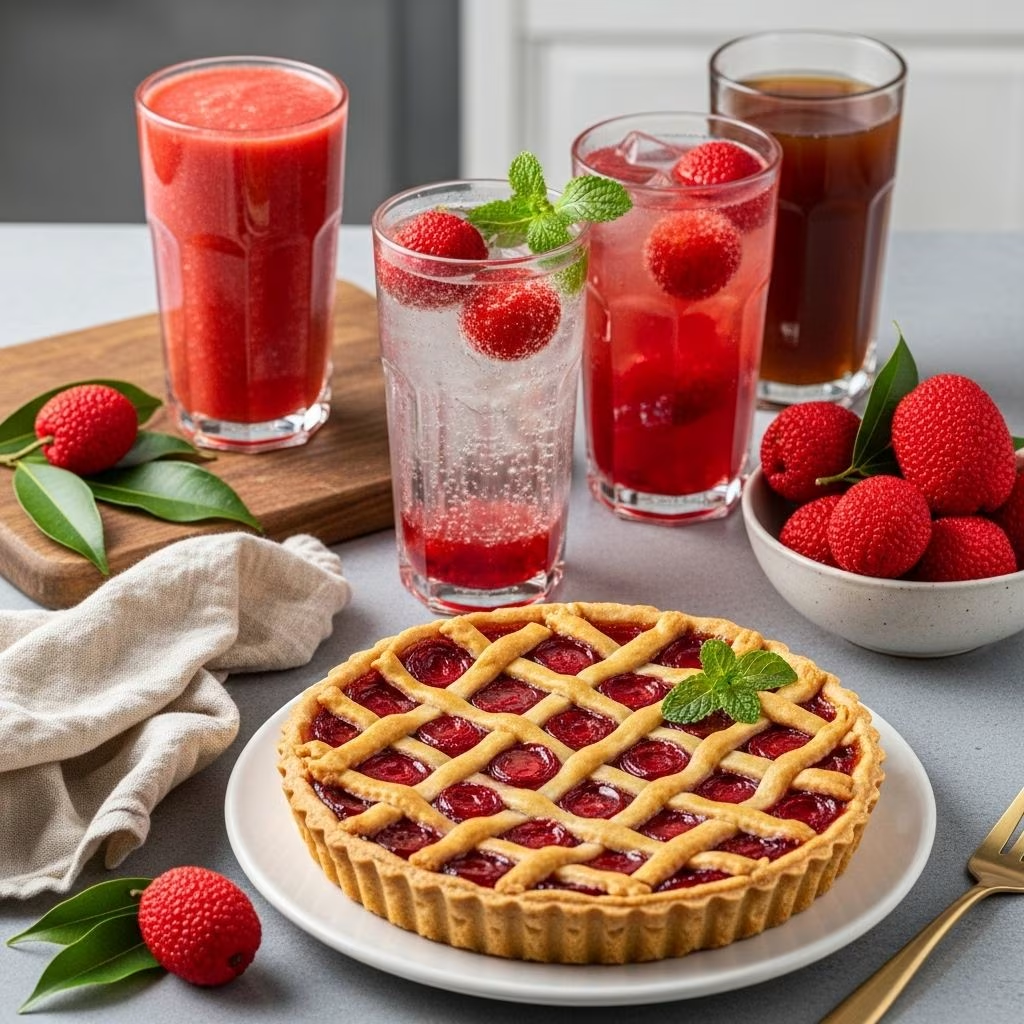
Yangmei (also known as Chinese bayberry or waxberry) is a celebrated fruit across East Asia, renowned for its vibrant color, complex flavor, and versatility in the kitchen. Whether you’re a home baker, a chef, or simply curious about unique seasonal fruits, mastering yangmei recipes opens up a world of distinctive treats—from rustic tarts and silky coulis to refreshing summer drinks. This article presents the comprehensive guide to yangmei, covering its history, preparation, expert washing technique, recipes for outstanding desserts and drinks, serving suggestions, and answers to common questions.
Introduction to Yangmei (Chinese Bayberry)
Yangmei (Myrica rubra), also called Chinese bayberry or waxberry, belongs to a native species spread throughout China, Korea, and Japan. The fruit ranges from brilliant red to deep purple, with the latter being most prized in culinary applications. Each berry is about the size of a cherry, features a distinctive bumpiness from thousands of tiny seeds on the surface, and has a juicy, sweet-tart flavor profile that makes it exceptional for desserts and drinks.
Key characteristics:
- No removable skin; fruit is eaten whole except for the pit.
- Texture is juicy yet slightly firm, with aromatic notes ranging from berry to herbal.
- Highly seasonal, celebrated in late spring and early summer across East Asia.
Selecting & Prepping Yangmei Fruit
To achieve optimal results, start with fresh, ripe yangmei. Look for:
- A deep, uniform color—avoid pale or yellow spots.
- Plump berries (not shriveled), free from blemishes or mold.
- Berries with a pleasant, sweet fruit aroma.
How to Prep:
- Wash with care (see next section for the expert guide).
- Remove any pits before cooking (using a small paring knife or cherry pitter).
- Chop or slice as needed based on recipe; yangmei can be used whole, halved, or pureed.
- If using frozen yangmei, allow to thaw in cold water and pat dry before use.
How to Wash and Store Yangmei: Expert Guide
Yangmei’s intricate surface is a magnet for dust and tiny insects. Proper washing is absolutely necessary for culinary safety and taste. Traditional salt water soaks may be incomplete.
- Power Wash Method:
- Place berries in a colander.
- Run medium-pressure cool water over them, rotating for 2–3 minutes.
- This agitation reliably removes any surface grit.
- Deep Soak: For heavily soiled berries, soak for 10–15 minutes in cool water with a tablespoon of vinegar or mild salt, then rinse well and drain.
- Storage: Keep washed yangmei refrigerated in an airtight container for up to three days to maintain freshness.
Classic Yangmei Dessert Recipes
1. Yangmei Song Bing (Rustic Yangmei Tart)
This French-inspired recipe uses a crumbly cornmeal pastry that pairs beautifully with the tartness of yangmei.
Ingredients:
- 1.5 cups yangmei (washed, pitted, chopped)
- 1/4–1/3 cup sugar (to taste)
- 1 tsp freshly grated ginger
- 3 tbsp cornstarch (adjust for juiciness)
- 1 cup flour or coconut flour (for gluten-free)
- 1/4 cup cornmeal
- 1/2 tsp salt
- 1/2 tsp sugar
- 1/2 cup cold butter (cubed)
- 1/2 cup ice water
- 1 beaten egg (for brushing)
Directions:
- Combine flour, cornmeal, salt, sugar, and cold butter. Mix, drizzle in ice water until dough forms. Chill one hour.
- Mix yangmei, ginger, sugar, and cornstarch. Toss to combine.
- Roll out dough to a thin disk. Transfer to greased baking sheet.
- Top with fruit mixture, fold edges inwards (rustic galette style), and brush with egg.
- Bake 30–35 minutes at 190°C (375°F) until golden and bubbly.
- Serve warm with whipped cream or ice cream.
2. Mini Frangipane Yangmei Tart
Perfect for entertaining, these elegant tarts use phyllo dough and toasted almond frangipane.
Ingredients:
- 8 small sheets phyllo dough
- 1 cup melted butter
- 1/2 cup roasted ground almonds
- 2 tsp butter
- 1 tsp sugar
- 1 cup yangmei (washed, pitted, cubed)
- 1/4 cup sugar
- 3 tbsp cornstarch
- 1/2 tsp grated ginger
Directions:
- Layer phyllo in mini tart tins, brush each layer with butter.
- Toast almonds then mix with butter and sugar for the frangipane.
- Spread frangipane onto phyllo base, leaving 2 cm edge.
- Top with yangmei mixture, fold edges inward to hold the filling.
- Bake 20–25 minutes at 190°C (375°F) until crisp and set.
- Serve warm with ice cream or tea.
3. Yangmei Coulis with Panna Cotta
East meets West—silky vanilla panna cotta served with an aromatic yangmei coulis.
Yangmei Coulis Ingredients:
- 250g fresh yangmei (about 20 fruits)
- 50g caster sugar
- 60ml water
- 1 tbsp cornflour
Directions:
- Wash berries, place in saucepan with sugar and water. Cook and crush until berries become pulp.
- Pass mixture through a sieve. Reserve juice/puree.
- Blend cornflour with cold water and a little coulis, return everything to pan and simmer to thicken.
- Serve the coulis chilled over vanilla panna cotta. Garnish with fresh yangmei and mint.
Panna Cotta Pro Tip: Vanilla and cream base should never reach full boil—maintain just below boiling for best texture.
Creative Yangmei Applications: Drinks, Parfaits & More
1. Yangmei Puer Cha (Yangmei Pu-erh Tea)
A traditional Chinese infusion combining yangmei with fermented pu-erh tea.
- 3–4 yangmei berries, chopped
- Small wedge of pu-erh tea
- Hot water
Method:
- Rinse tea wedge twice in hot water and discard rinses.
- Steep with yangmei berries in boiling water for several minutes.
- Strain and serve hot.
2. Lychee & Yangmei Summer Drink
A cooling drink blending yangmei, lychee, lemon, and mint for “layered complexity”—refreshing both in taste and effect.
- 1L water
- Bayberries (yangmei)
- Rock sugar
- 2–4 lychees (peeled, pitted)
- Lemon slices (2mm thick)
- Mint (optional)
Instructions:
- Simmer yangmei, water, and sugar for 15 minutes, reducing liquid by 30%.
- Add lychees at 13-minute mark; cook only 2 more minutes (prevent overcooking).
- Cool mixture to 60°C (140°F), add lemon slices, then chill in glass jars for at least two hours.
- Serve with mint or optional tapioca pearls for texture.
Pro Tip: Substitute diced Asian pears for a kid-friendly version; reuse stewed berries in parfaits and yogurts.
3. Yangmei Yogurt Parfait
Quick, nutritious, and zero-waste: layer leftover yangmei compote with creamy yogurt for breakfast or a snack.
- Spoon cooked/baked yangmei into glass, layer with plain or Greek yogurt.
- Sprinkle granola, roasted seeds, or more fresh fruit on top.
- Serve chilled for optimal flavor and nutrition.
Tips for Cooking Yangmei Perfectly
- Balance the Sweetness: Taste yangmei batches—adjust sugar based on natural tartness.
- Thickeners: Yangmei releases ample juice after cutting. Cornstarch or arrowroot ensures jammy, non-runny tarts.
- Handle Gently: Yangmei is fragile; fold into batter or toppings slowly to avoid crushing.
- Keep Cooling Stress Low: After cooking, cool yangmei mixtures to room temperature before chilling to avoid condensation or mushiness in desserts.
- Freeze for Later: Store yangmei compote or coulis in airtight containers in the freezer for up to two months; thaw overnight in refrigerator for best texture.
Pairings & Serving Suggestions
- Yangmei Desserts: Serve tarts with vanilla ice cream, crème fraîche, or lightly whipped cream.
- Yangmei Drinks: Yangmei Puer Cha pairs well with almond cookies or sweet rice cakes.
- Yogurt Parfait: Add toasted coconut, pistachios, or fresh berries for textural contrast.
- Table Setting: Accent dishes with whole yangmei and mint sprigs for vivid color and fresh aroma.
| Yangmei Dish | Best Pairing | Season/Occasion |
|---|---|---|
| Tart or Galette | Vanilla ice cream, tea | Summer parties, tea time |
| Frangipane Tart | Espresso, almond cookies | Dinner gatherings, brunch |
| Coulis & Panna Cotta | Moscato, fresh mint | Elegant dessert, festive meals |
| Puer Cha | Rice crackers, light pastries | Afternoon snack, dim sum |
| Lychee Bayberry Drink | Tapioca pearls, lemon wedges | Hot weather, picnics |
Frequently Asked Questions (FAQs)
Q: What does yangmei taste like?
A: Yangmei combines tart berry notes with subtle sweetness, sometimes with herbal or aromatic undertones. Flavor intensity increases with deeper-colored berries.
Q: Can you eat yangmei raw?
A: Yes, yangmei is commonly eaten raw after careful washing and pitting. It’s juicy and refreshing, perfect as a snack or dessert topping.
Q: Is yangmei suitable for jam making?
A: Absolutely. Yangmei’s high juice content and natural acidity make excellent jams, jellies, and fruit sauces with minimal added pectin.
Q: How do I pit yangmei fruit?
A: Use a small paring knife or cherry pitter to remove the central pit. Work gently to preserve shape, especially if you wish to use the fruit decoratively.
Q: How long will fresh yangmei keep?
A: Once washed and refrigerated, yangmei stays fresh for about 3 days. Cooked or preserved yangmei keeps 2–3 months in the freezer.
Enjoying the Flavor of Yangmei Year-Round
Yangmei’s versatility, vibrant flavor, and beautiful color make it a must-try for adventurous cooks and anyone seeking to expand their repertoire of seasonal treats. By mastering proper washing techniques, balancing the fruit’s natural tartness, and experimenting with both classic and creative recipes, you’ll discover new ways to celebrate this rare fruit—across tarts, drinks, parfaits, and more. Paired with teas or served alone, yangmei brings a taste of East Asia to tables worldwide.
References
- https://www.hwcmagazine.com/recipe/yummilicious-yang-mei/
- https://herschelian.wordpress.com/2013/05/28/east-meets-west-on-a-plate-yangmei-coulis-with-panna-cotta/
- https://vocal.media/feast/the-art-of-washing-bayberries-why-salt-water-isn-t-enough-and-a-refreshing-summer-recipe-you-ll-love
- https://herschelian.wordpress.com/tag/yangmei/
- https://www.asianfoodtrail.com/yangmei-green-smoothie-avocado-chia-seeds-yangmei/
- https://chinesekitchen.wordpress.com/2010/06/12/waxberry-cobbler/
- https://seduceyourtastebuds.com/2013/09/yangmei-chinese-bayberry-frui.html
- https://spotcleanfood.wordpress.com/2012/06/12/how-to-eat-yangmei/
- https://untourfoodtours.com/how-to-eat-and-clean-yangmei-bayberry-%E6%9D%A8%E6%A2%85/


